Hair Removal Laser Treatment: Sessions, Risks, and Results

Hair removal laser treatment uses focused light to heat hair follicles and reduce future hair growth. It usually requires a series of sessions, and results vary with hair color, skin tone, treatment area, hormonal factors and the type of laser used.
What Is Hair Removal Laser Treatment?
Hair removal laser treatment is a medical or cosmetic procedure that uses concentrated light energy to reduce unwanted hair. The laser light is absorbed mainly by melanin, the pigment that gives hair its color. This energy converts to heat within the hair follicle, damaging its capacity to produce new hair while aiming to protect the surrounding skin.
The treatment is best described as long-term hair reduction rather than guaranteed permanent hair removal. Many people experience a substantial and lasting decrease in hair density and thickness after a planned course of sessions. Some hair may return over time, often finer or lighter, and occasional maintenance treatment may be useful.
Laser hair removal can be used on areas such as the face, upper lip, chin, underarms, arms, legs, bikini line, back, chest and abdomen. It should be performed by a properly trained professional after an assessment of skin type, hair characteristics, medical history and treatment goals.
How the Procedure Works and What to Expect
Before treatment begins, the clinician reviews the person’s health history, current medicines, previous reactions to cosmetic procedures and recent sun exposure. They examine the treatment area and may recommend a small test spot, especially for darker skin tones, sensitive areas or a new device. The test helps determine a cautious and effective setting.
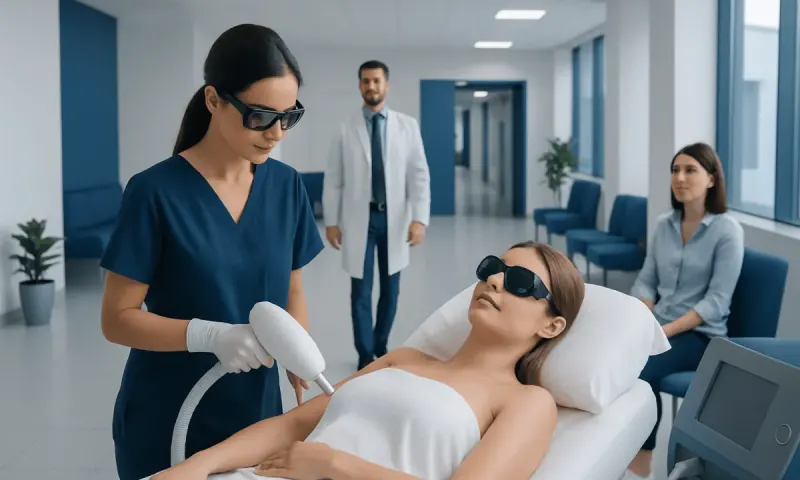
On the day of treatment, the area is usually clean-shaven so laser energy can reach the follicle beneath the skin rather than singe hair above the surface. Protective eyewear is worn by both the patient and practitioner. A cooling system, cool gel or a cooling device may be used to improve comfort and reduce heat on the skin.
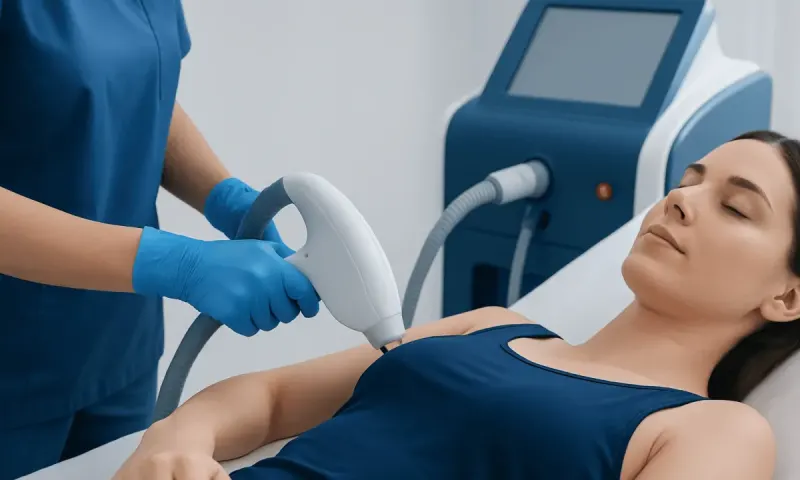
During each pulse, some people feel a brief snapping, pinching or warm sensation. Smaller areas may take only minutes, while the legs, back or other large areas may take longer. Mild redness and small, raised bumps around follicles are common immediately afterward and generally settle within hours to a few days.
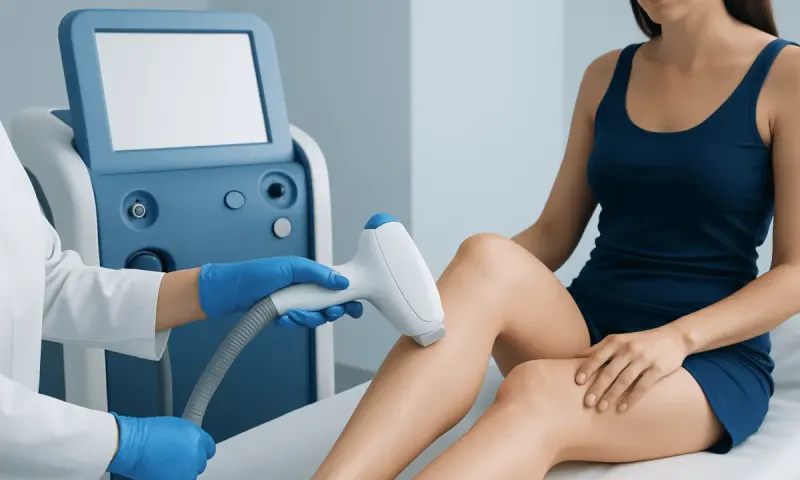
Different devices, including alexandrite, diode and Nd:YAG lasers, may be selected based on skin tone, hair color and the area being treated. Intense pulsed light devices are also used for hair reduction, but they are not technically lasers and may have different settings and suitability considerations.
Who May Benefit and What Affects Results
Laser treatment generally works best when there is contrast between the hair and the skin, because darker hair contains more melanin to absorb the light. However, modern laser systems can be used across a broad range of skin tones when the device and settings are selected carefully. A clinician with experience treating diverse skin types is especially important for reducing the risk of pigment changes.
Brown and black hairs tend to respond more predictably than blonde, gray, white or red hairs, which contain less pigment. Laser treatment does not reliably remove very light hair. Electrolysis may be considered for individual light-colored hairs or small areas, as it uses a different method to target the follicle.
Hair growth is influenced by hormones, genetics, age and medications. For example, increased facial or body hair may be associated with hormonal conditions such as polycystic ovary syndrome (PCOS). Laser treatment can help manage unwanted hair in this setting, but medical assessment and treatment of the underlying cause may also be appropriate.
Hair grows in phases. Laser energy is most effective when a hair is in its active growth phase, but not all hairs are in that phase at the same time. This is why a series of appointments, spaced over several weeks or longer depending on the body area, is commonly recommended.
Preparation Before a Laser Hair Removal Session
Preparation starts with an honest consultation. The clinician should be told about pregnancy, skin conditions, a history of cold sores, scarring tendencies, allergies, past pigment changes, recent cosmetic procedures and all medicines or supplements. Some medicines can increase light sensitivity or affect healing, so the treatment plan may need adjustment.
In the weeks before treatment, it is usually important to avoid tanning, sunburn, tanning beds and self-tanning products on the treatment area. Tanned skin may absorb more laser energy and can increase the likelihood of irritation or temporary color changes. Daily broad-spectrum sunscreen is particularly useful for exposed areas.
Waxing, threading, tweezing and epilating remove the hair shaft from the follicle, so they are often avoided before sessions. Shaving is generally preferred because it leaves the follicle in place. The clinical team will provide individualized instructions about when to shave and whether to avoid skincare products, fragrance or makeup on the day of treatment.
- Avoid deliberate tanning and protect the area from strong sun exposure.
- Do not wax, tweeze or use an epilator unless the clinician advises otherwise.
- Attend with clean skin and follow directions on shaving.
- Report new medicines, skin infections, rashes or recent procedures before the appointment.
Recovery, Skin Care and Possible Side Effects
Recovery after hair removal laser treatment is usually brief. The skin may look mildly red and feel warm, similar to a light sunburn. Small bumps around treated follicles can also occur; these are a common short-term response and do not necessarily indicate a complication.
A cool compress may ease discomfort. For the first day or two, patients are commonly advised to use gentle, fragrance-free skin care and avoid hot baths, saunas, steam rooms, vigorous exercise and friction on the treated area if these cause irritation. Makeup, deodorant, exfoliants, retinoids and other active products should be reintroduced according to the clinician’s guidance, particularly after facial treatment.
Hairs do not usually disappear immediately. Over the following days to weeks, treated hairs may shed or appear to grow out before falling away. Avoid pulling them out; gentle washing and the recommended skin care routine are generally sufficient.
Less common risks include blistering, crusting, infection, scarring and changes in skin color, either darker or lighter. These risks are more likely when treatment is performed on recently tanned skin, settings are unsuitable, aftercare is not followed, or there is an underlying skin condition. Proper assessment and experienced treatment reduce, but cannot entirely eliminate, these risks.
Results, Follow-Up and Maintaining Hair Reduction
Visible reduction may begin after the first few sessions, but the overall response becomes clearer as the treatment course progresses. The number of sessions varies by body area, hair density, hair color, skin tone, hormonal influences and the laser used. Facial hair may need different scheduling from hair on the legs or body because growth patterns differ.
After a successful course, many people need only occasional follow-up treatments to maintain their result. New follicles are not created by treatment, but previously inactive follicles may later begin producing hair, and hormonal changes can influence regrowth. Regrown hairs may be fewer, thinner or slower-growing than before treatment.
Photographs taken under similar lighting and at similar intervals can help monitor change more accurately than judging day-to-day growth. If results are limited, the clinician may review whether the device, settings, interval between sessions, hair type, sun exposure or an underlying hormonal issue could be affecting the outcome.
For people considering complementary cosmetic options, a qualified clinician can explain whether dermatology care is appropriate for concerns such as acne, pigmentation, eczema or recurrent irritation that may affect the timing or safety of laser treatment.
When to Seek Medical Care
It is sensible to contact the treating clinic promptly if redness, pain or swelling is worsening rather than improving; if blisters, open areas, significant crusting or pus develop; or if there are signs of an allergic reaction such as widespread hives, facial swelling or difficulty breathing. Difficulty breathing or swelling of the mouth or throat requires urgent emergency care.
Medical advice is also appropriate if a rash, infection, active cold sore outbreak or unexplained skin change develops before a planned appointment. Treatment may need to be delayed until the skin has recovered. Anyone with a new pattern of excess facial or body hair, irregular periods, rapid weight change or other symptoms of hormonal imbalance should discuss this with a doctor rather than relying on cosmetic treatment alone.
Acıbadem Health Point’s multidisciplinary specialists and JCI-accredited hospitals can assess skin and hormone-related concerns and provide treatment planning for international patients. A consultation helps ensure that hair reduction is approached safely and in the context of the person’s wider health needs.
Frequently asked questions
01Is hair removal laser treatment permanent?
Hair removal laser treatment can produce long-term reduction in hair growth, but it does not guarantee that all hair will be permanently removed. Some follicles may recover or become active later, particularly with hormonal changes. Maintenance sessions may help preserve the result.
02How many laser hair removal sessions are needed?
Most people need a series of sessions because hair follicles are not all in the active growth phase at the same time. The exact number and spacing depend on the body area, hair and skin characteristics, and response to treatment. The treating clinician can create an individualized schedule after assessment.
03Does laser hair removal hurt?
The sensation is often described as a brief snap, pinch or burst of warmth with each laser pulse. Cooling methods can make treatment more comfortable. Sensitivity varies by person and body area, so discussing comfort options before treatment is helpful.
04Can people with dark skin have laser hair removal?
Yes, laser hair removal can be performed for many people with dark skin when an appropriate device and conservative settings are chosen. Experienced assessment is important because melanin in the skin can also absorb laser energy. Avoiding tanning and following aftercare advice are important safety measures.
05Can laser hair removal treat blonde, gray or red hair?
Laser treatment is usually less effective on blonde, gray, white and red hair because these hairs have less of the pigment that absorbs laser light. Results can vary, and a test treatment may clarify likely response. Electrolysis may be an alternative for light-colored hairs.
06What should be avoided after laser hair removal?
For a short period, patients are commonly advised to avoid direct sun exposure, heat, friction and irritating products on the treated skin. This may include hot baths, saunas, intense exercise, exfoliants and fragranced products, depending on the area and skin response. The clinic’s aftercare instructions should take priority because recommendations may vary.
This article is for general information only and is not a substitute for professional medical advice. Please consult a qualified doctor about your individual situation.
Hair transplant in Turkey — costs, graft counts & a free assessment
JCI-accredited · board-certified surgeons · reply within 24h
Add us as a Preferred Source to see more of our trusted health content across Google Search, AI Overviews and Discover.