Vagina Surgery for Comfort, Support or Appearance
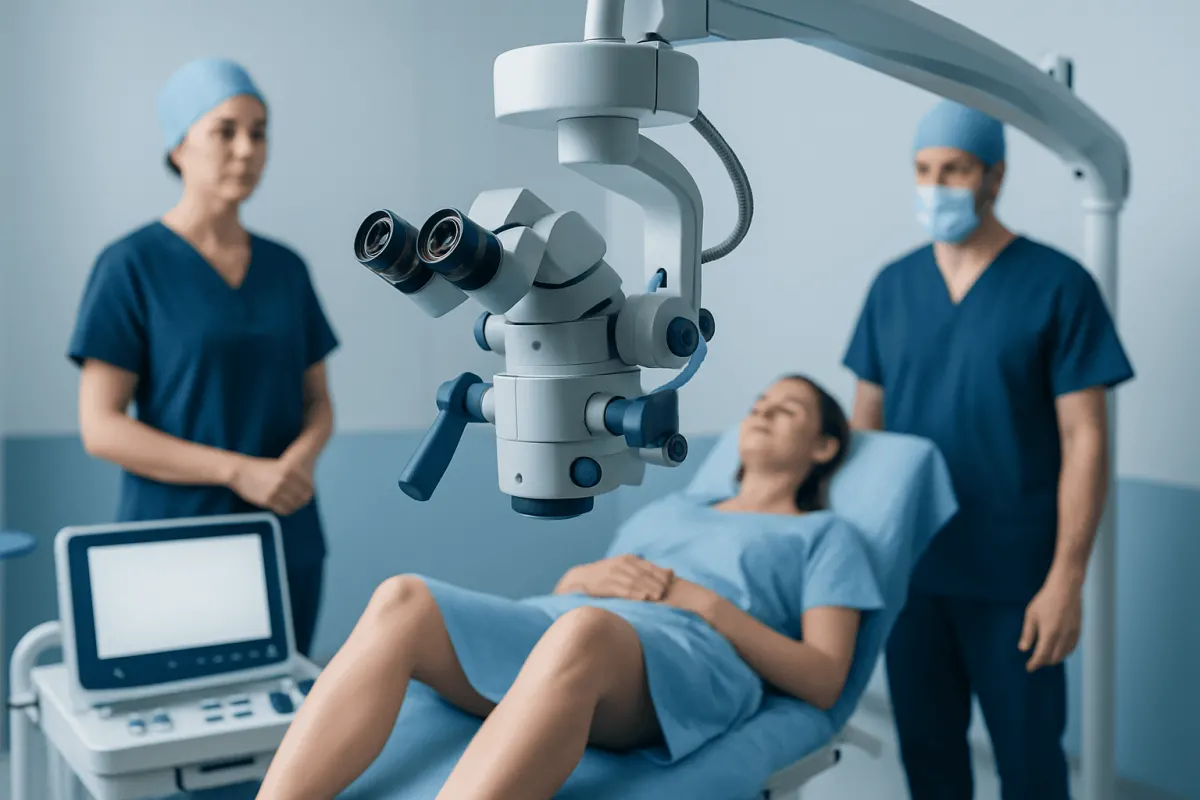
Vagina surgery is a broad term for procedures performed on the vagina and surrounding tissues to address medical concerns, restore pelvic support, repair injury or alter appearance. The most suitable procedure, expected recovery and likely results depend on a person’s symptoms, anatomy, health needs and treatment goals.
Overview: What Is Vagina Surgery?
Vagina surgery refers to operations involving the vagina, vaginal opening and nearby pelvic tissues. It is not one single procedure. Depending on the reason for care, it may include repair of childbirth-related tears, reconstruction after injury or cancer treatment, surgery for pelvic organ prolapse, widening or narrowing of the vaginal opening, or cosmetic reshaping of external genital tissues.
Some vaginal procedures are medically necessary because they improve symptoms such as a vaginal bulge, pressure, difficulty emptying the bladder or bowel, recurrent irritation, pain from scar tissue, or problems with sexual function. Others are elective and focus on appearance. A careful discussion with a qualified gynecologist or urogynecologist can help clarify whether surgery is appropriate and whether non-surgical options may be helpful first.
The term “vaginal rejuvenation” is sometimes used in advertising, but it is not a precise medical diagnosis. People considering an elective procedure should ask what anatomical concern is being treated, what evidence supports the planned operation, and what changes can realistically be expected.
Why It May Be Considered and Who May Be a Candidate
Vagina surgery may be considered when a specific structural problem causes symptoms or affects daily life. For example, pelvic organ prolapse can occur when the bladder, uterus, rectum or vaginal vault loses support and presses into the vagina. Repair may be discussed when bothersome symptoms persist despite pelvic floor therapy, pessary use or other conservative care. Related pelvic support conditions are assessed individually, including pelvic organ prolapse.
Other possible reasons include healing problems after childbirth, painful scar tissue, a vaginal narrowing or opening that causes discomfort, congenital differences, or reconstruction after trauma or cancer treatment. Cosmetic procedures may be requested for concerns about the appearance of the labia or vaginal opening, but the decision should be voluntary, well informed and free from pressure from others.
A suitable candidate is generally in good enough health for anesthesia and wound healing, understands the potential benefits and limitations, and has realistic expectations. The clinician will consider smoking status, diabetes control, bleeding conditions, medications, active infections, previous pelvic surgery, pregnancy plans and whether symptoms may respond to non-surgical treatment.
- Pelvic floor physiotherapy may help some symptoms related to muscle weakness or pain.
- A pessary may support pelvic organs without surgery for some people with prolapse.
- Lubricants, vaginal moisturizers, hormone treatment when clinically appropriate, or scar management may be alternatives for selected concerns.
Assessment and Planning Before the Procedure
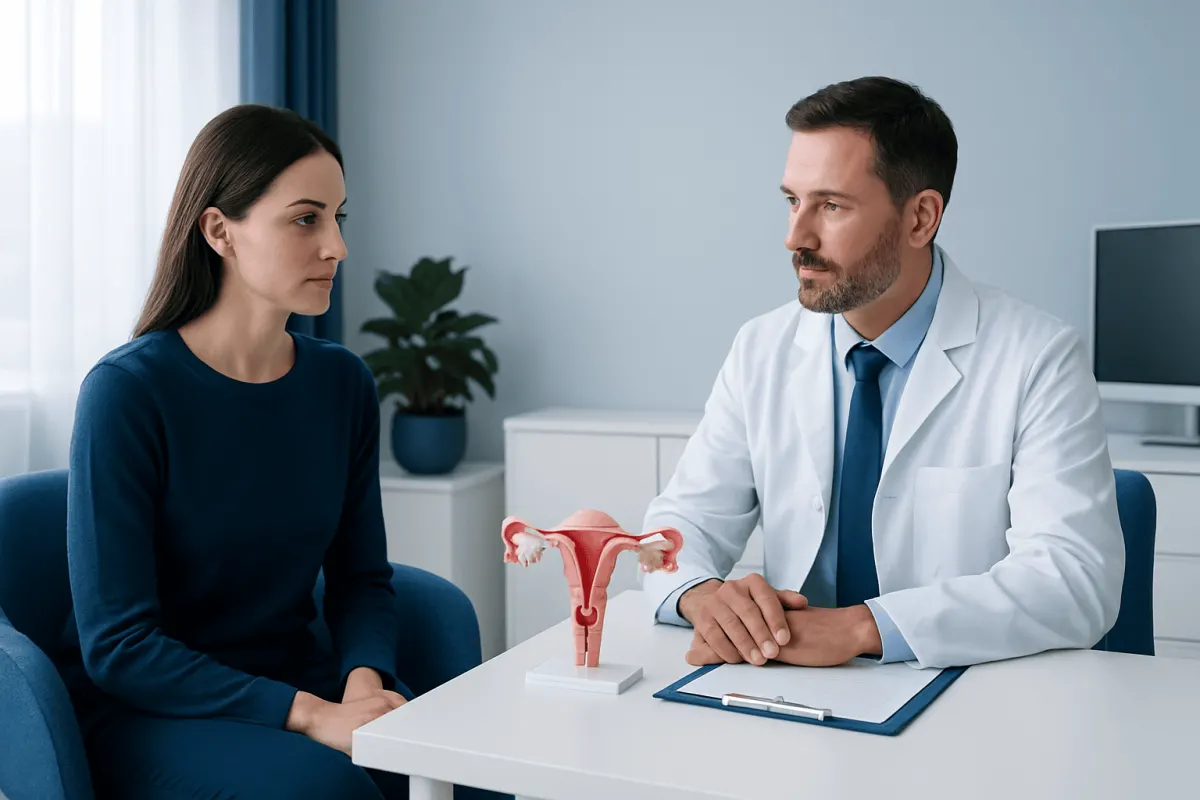
Planning begins with a confidential medical history and pelvic examination. The doctor asks about symptoms, childbirth history, menstrual and menopausal status, bladder and bowel function, sexual concerns, medical conditions and previous operations. Patients should be able to explain in their own words what bothers them and what outcome they hope to achieve.
Additional testing is not required for every procedure. Depending on symptoms and the planned surgery, testing may include urine studies, blood tests, imaging, screening for infection, or assessment of bladder function. If there is a new lump, unexplained bleeding, skin change or persistent pain, the clinician may need to investigate this before offering elective surgery.
The surgeon should explain the proposed technique, anesthesia, expected scar location, alternatives, recovery restrictions and possible complications. For elective genital cosmetic surgery, it is especially important to allow adequate time for reflection, avoid making decisions during a crisis, and discuss any body-image distress or expectations that surgery may not be able to meet.
How Vagina Surgery Is Performed
The exact steps depend on the operation. Many reconstructive procedures are performed through the vaginal opening, which can avoid an abdominal incision. Some pelvic support repairs are performed vaginally, laparoscopically or with robotic assistance. Cosmetic procedures involving the labia or vaginal opening are usually planned around the individual anatomy and the specific concern being addressed.
On the day of surgery, the patient is admitted, reviewed by the surgical and anesthesia teams, and prepared for the procedure. Anesthesia may be local with sedation, regional anesthesia or general anesthesia. The choice depends on the procedure’s extent, the person’s health and shared planning with the care team.
During surgery, the surgeon may remove or reposition excess tissue, repair weakened fascia or muscle-supporting structures, release painful scar tissue, close tears, or reconstruct the vaginal canal or opening. Dissolvable stitches are commonly used. A temporary urinary catheter, vaginal packing or drain may be used in some cases and is usually removed soon after surgery.
The duration ranges from a relatively short outpatient operation to a longer procedure requiring an overnight hospital stay. When surgery is intended to address prolapse or complex reconstruction, the technique is selected to balance symptom relief, durability, sexual function and the person’s future health and reproductive plans. Patients can learn more about vaginoplasty and vaginal reconstruction options during a specialist consultation.
Recovery Timeline and Expected Results
Recovery varies considerably by procedure. After a minor operation, many people return home on the same day. More extensive reconstructive surgery may require short inpatient observation. Mild to moderate soreness, swelling, bruising, light bleeding or a watery discharge can occur during early healing. Pain management, bowel care and wound-care instructions should be followed exactly as provided by the surgical team.
During the first one to two weeks, rest with gentle walking is usually encouraged, while heavy lifting, strenuous exercise and activities that place pressure on the pelvis are commonly restricted. Patients are often advised to avoid tampons, penetrative vaginal sex, swimming and baths until the surgeon confirms that healing is sufficient. Follow-up timing differs, but a postoperative examination is commonly arranged within the first weeks and again as needed.
Surface healing may occur within several weeks, but deeper tissues continue to strengthen for longer. Swelling and scar firmness can temporarily affect the appearance or feel of the area, so final results may not be clear for several months. A successful outcome may mean improved comfort, support or function; however, surgery cannot guarantee a particular appearance, sexual experience or permanent prevention of future pelvic floor changes.
For prolapse repairs, factors such as aging, chronic constipation, heavy lifting, obesity, chronic cough and future pregnancy can affect long-term pelvic support. The treating clinician can provide individualized guidance on returning to exercise, work and sexual activity.
Benefits, Risks and Limits of Surgery
Potential benefits depend on the indication. Reconstructive surgery may reduce a feeling of bulging or pelvic pressure, improve comfort with movement, help address difficulties related to scar tissue, or restore anatomy after injury. In selected cases, it can improve quality of life and support daily activities. Cosmetic procedures may improve satisfaction with appearance for some people, but outcomes are subjective and should not be viewed as a way to solve relationship concerns or pressure to meet an idealized appearance.
All surgery has risks. These include anesthesia reactions, bleeding, infection, wound separation, delayed healing, blood clots, scarring and the need for further treatment. Vaginal and pelvic procedures can also lead to temporary or persistent pain, painful intercourse, numbness or altered sensation, urinary symptoms, bowel symptoms, narrowing of the vaginal opening, asymmetry or dissatisfaction with the result.
Risk can sometimes be reduced by stopping smoking well before surgery, managing chronic conditions, reviewing medicines that affect bleeding, treating infections and following aftercare restrictions. Even with careful planning, complications cannot be eliminated. A patient should feel comfortable asking how frequently the surgeon performs the planned procedure, what alternatives exist and how complications would be managed.
Self-Care After Surgery and When to Seek Medical Care
After vagina surgery, patients should take prescribed medicines only as directed, keep follow-up appointments and contact the care team with questions rather than resuming activities too early. Drinking fluids, eating fiber-rich foods and using a clinician-recommended bowel regimen when needed can help prevent straining. Loose clothing, gentle hygiene and avoiding fragranced products in the genital area may reduce irritation while tissues heal.
Medical advice should be sought promptly for fever, increasing rather than improving pain, heavy vaginal bleeding, foul-smelling discharge, rapidly worsening redness or swelling, chest pain, shortness of breath, calf swelling, inability to pass urine, or severe constipation with abdominal pain. These symptoms do not always indicate a serious problem, but they require timely assessment.
Before surgery, a person should also arrange medical review for unexplained vaginal bleeding, a new pelvic mass, persistent vulvar or vaginal pain, pain during sex, urinary leakage, difficulty emptying the bladder, or a sensation of tissue protruding from the vagina. These concerns deserve evaluation even if surgery is not ultimately needed.
Acıbadem Health Point’s multidisciplinary specialists and JCI-accredited hospitals assess and treat vaginal and pelvic health concerns for Myomectomy Recovery for International Patients: The Usual Travel Timeline" class="ahp-ilk">international patients, with care plans based on the individual diagnosis and goals.
Frequently asked questions
01Is vagina surgery the same as vaginoplasty?
No. Vagina surgery is a broad term that includes many reconstructive, pelvic support and cosmetic operations. Vaginoplasty is one type of procedure, generally involving reconstruction or alteration of the vaginal canal or opening.
02How long does recovery from vagina surgery take?
Early recovery often takes several weeks, but the timeline depends on the type and extent of surgery. Deeper healing and settling of swelling can take several months, and the surgeon will advise when activities such as exercise and vaginal intercourse can safely resume.
03Is vagina surgery painful?
Soreness, swelling and discomfort are common in the early period after surgery, but pain control is part of postoperative care. Pain that becomes severe, suddenly worsens or is accompanied by fever, heavy bleeding or difficulty urinating should be assessed promptly.
04Can vagina surgery improve sexual function?
It may improve comfort or function when surgery addresses a specific problem, such as painful scar tissue or a pelvic support condition. However, sexual function is influenced by physical, emotional, hormonal and relationship factors, so improvement cannot be guaranteed.
05Can someone have children after vagina surgery?
This depends on the procedure and the reason it was performed. People who may want future pregnancies should discuss this before surgery, as pregnancy and vaginal birth can affect some repairs and may influence the preferred timing or technique.
06Are non-surgical treatments available?
Yes, depending on the concern. Pelvic floor physiotherapy, pessaries, treatment for vaginal dryness or infection, scar management and lifestyle measures may help some people and may be tried before surgery.
This article is for general information only and is not a substitute for professional medical advice. Please consult a qualified doctor about your individual situation.
Persistent digestive symptoms? Get evaluated in Turkey
JCI-accredited · board-certified surgeons · reply within 24h
Add us as a Preferred Source to see more of our trusted health content across Google Search, AI Overviews and Discover.