Why Does My Vagina Hurt? Common Causes
Vaginal or vulvar pain is common and is often caused by temporary irritation, dryness, infections, or muscle tension. However, new, severe, persistent, or recurrent pain should be assessed by a qualified clinician to identify the cause and provide appropriate treatment.
Why does my vaginia hurt?
People sometimes use the word “vaginia” when referring to pain in or around the vagina. Vaginal pain is often harmless and short-lived, especially when it follows friction, shaving, a new hygiene product, sex, or temporary dryness. The discomfort may actually begin in the vulva, which is the external genital area, or at the vaginal opening rather than deeper inside the vagina.
Common explanations include skin irritation, a yeast or other vaginal infection, urinary symptoms, hormonal dryness, or tight pelvic floor muscles. Pain can also occur with certain skin conditions, sexually transmitted infections (STIs), ovarian or uterine conditions, and chronic pain syndromes. The pattern matters: pain during urination, after sex, during a period, or alongside itching, discharge, bleeding, or pelvic pain can point a clinician toward different causes.
Most mild symptoms improve when the irritant is removed and the area is allowed to recover. Still, pain that is severe, lasts more than a few days, repeatedly returns, or affects daily life or intimacy deserves medical attention. A clinician can usually narrow down the cause through a careful conversation, examination, and targeted tests.
Where the pain is felt can provide clues
Vaginal-area pain can feel burning, stinging, itching, throbbing, aching, pressure, or soreness. It may be located on the external skin, at the entrance to the vagina, deeper in the pelvis, or all of these areas. Describing the exact location and sensation can be useful, although no one needs to diagnose the problem alone.
External soreness or burning may be related to irritation from fragranced soaps, wipes, pads, detergents, tight clothing, sweating, shaving, or skin disorders. Itching with redness, swelling, or a change in discharge may occur with infections, although symptoms alone cannot reliably identify the type of infection.
Pain at the vaginal opening during penetration, tampon insertion, or a pelvic examination may be linked to dryness, inflammation, scar tissue, pelvic floor muscle tightening, or a chronic pain condition such as vulvodynia. Deep pain during sex or a persistent pelvic ache can sometimes be associated with pelvic inflammatory disease, ovarian cysts, endometriosis, fibroids, bladder conditions, or bowel conditions. These possibilities require an individualized medical assessment.
- Burning with urination: may suggest a urinary tract infection, local irritation, or an STI.
- Itching or unusual discharge: may occur with vaginitis or an STI.
- Pain linked to periods: may point to a gynecological cause that should be discussed with a clinician.
- Pain after menopause or childbirth: may relate to hormonal changes, tissue healing, or pelvic floor changes.
Common causes and contributing factors

Vaginitis is a general term for inflammation of the vagina. It may be caused by yeast overgrowth, bacterial vaginosis, trichomoniasis, irritation, or low estrogen levels. Yeast infections can cause itching, soreness, and thick discharge, while bacterial vaginosis often causes a noticeable odor and a change in discharge. Because symptoms overlap, testing is more reliable than choosing treatment based on symptoms alone.
Friction and dryness are also frequent causes of discomfort. They can occur with insufficient lubrication, a new sexual activity, breastfeeding, menopause, some medications, or medical treatments that affect estrogen levels. Pain may improve with more time for arousal, a suitable lubricant, or addressing an underlying hormonal or health concern with a clinician.
STIs, including chlamydia, gonorrhea, genital herpes, and trichomoniasis, can cause pain, discharge, sores, bleeding after sex, or burning during urination. Some STIs cause few or no symptoms, so testing can be important after unprotected sex, a new sexual partner, or a partner’s diagnosis. Prompt evaluation and treatment help protect the person and their partners.
Other causes can include eczema or lichen sclerosus affecting the vulvar skin, pelvic floor dysfunction, urinary tract infection, bladder pain syndrome, and chronic vulvar pain. Pain does not mean a person has done anything wrong, and it should not be dismissed as “normal” if it persists. For background on related chronic pain, a clinician may consider vulvodynia when pain continues without an obvious infection or injury.
How a doctor identifies the cause
A medical visit usually begins with questions about when the pain started, where it is felt, what makes it better or worse, and whether there are changes in discharge, odor, bleeding, urination, bowel movements, periods, or sexual comfort. The clinician may ask about recent products used around the genital area, antibiotics or other medicines, pregnancy possibility, sexual health, and previous infections. These questions are routine and are intended to guide care respectfully.
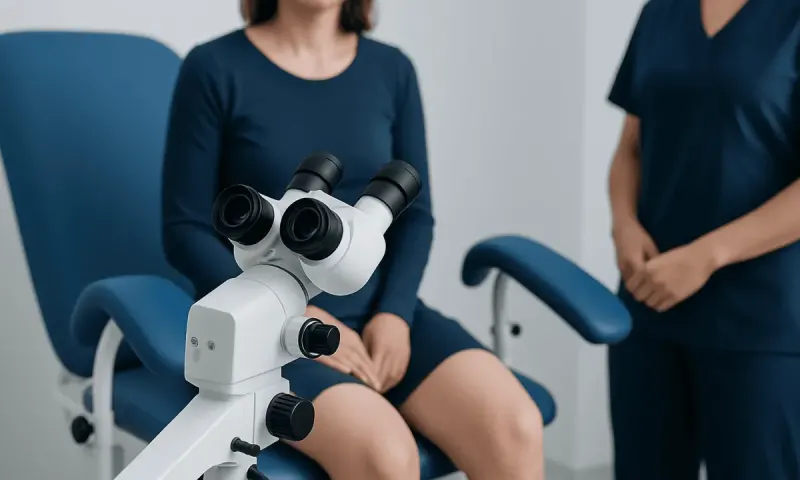
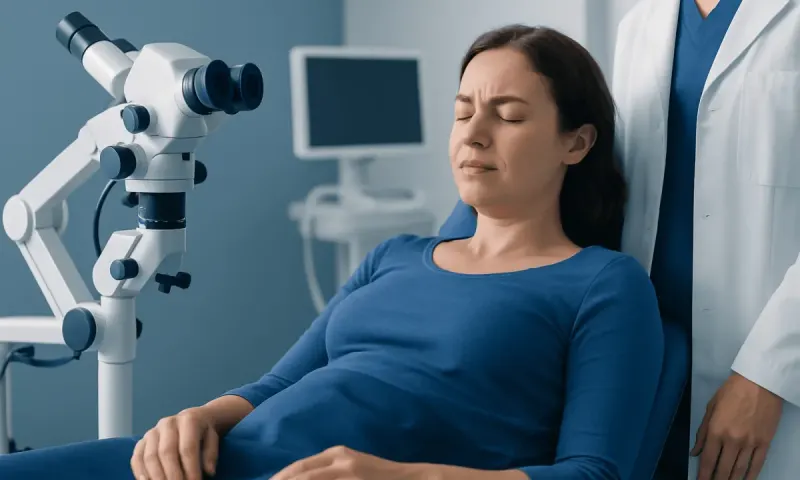
A pelvic examination may be recommended, but it should be explained beforehand and performed only with the patient’s consent. Depending on symptoms, the clinician may inspect the external skin, gently assess the vagina and cervix, and collect a swab to test for yeast, bacterial vaginosis, trichomoniasis, or STIs. A urine test may check for a urinary tract infection or pregnancy.
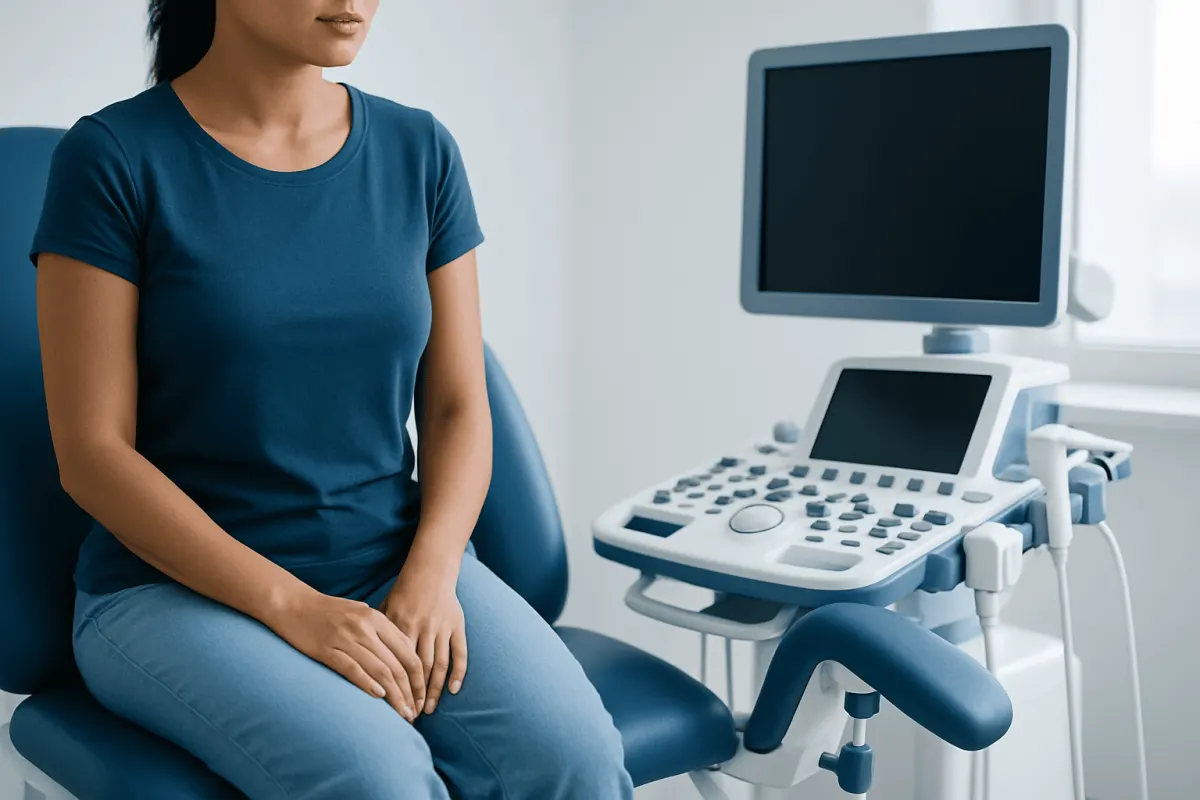
If symptoms suggest a deeper pelvic condition, a clinician may arrange blood tests, an ultrasound, or other imaging. Not everyone needs every test. The diagnostic approach is based on the person’s symptoms, age, medical history, examination findings, and whether symptoms are new, recurrent, or persistent.
Keeping a brief symptom record before an appointment can help. Useful details include pain location, severity, timing in the menstrual cycle, discharge changes, urinary symptoms, sexual activity, products used, and any treatment already tried. This information may make it easier to identify patterns and avoid unnecessary testing.
Treatment and comfort measures
Treatment depends on the cause. A confirmed yeast infection, bacterial vaginosis, urinary tract infection, or STI may require specific prescription or nonprescription medicine chosen by a clinician. It is best not to use leftover antibiotics or repeated antifungal treatments without advice, because the wrong medicine can delay diagnosis and sometimes irritate the area further.
For mild irritation, practical measures may support healing. Washing the vulva gently with warm water, avoiding fragranced products, wearing loose breathable underwear, changing out of wet clothing promptly, and avoiding douching can reduce further irritation. The vagina is self-cleaning, and internal cleansing products are not needed.
If discomfort is associated with sex, pausing activity that causes pain can prevent further irritation. A water- or silicone-based lubricant may help dryness for some people, while a clinician can advise on moisturizers, local hormone treatment when appropriate, or treatment for pelvic floor muscle tension. Pelvic floor physiotherapy can be helpful for selected causes of pain with penetration.
For ongoing symptoms, care may involve gynecology, dermatology, urology, sexual health, or pelvic floor specialists. Acıbadem Health Point’s multidisciplinary specialists and JCI-accredited hospitals can assess vaginal and pelvic pain for international patients and coordinate care when more than one area of expertise is needed.
When to seek medical care
Medical review is recommended when vaginal pain is new and unexplained, persists beyond a few days, recurs, or interferes with sleep, work, exercise, sex, or emotional wellbeing. An appointment is also appropriate for unusual discharge, strong odor, itching, sores, rash, bleeding after sex, pain during urination, or concern about an STI. Testing is particularly important after unprotected sex or exposure to a partner with an STI.
Urgent medical assessment is needed for severe or worsening pelvic or lower abdominal pain, fever, vomiting, fainting, heavy vaginal bleeding, or pain during pregnancy. These symptoms can have many causes, but they should not be managed at home alone. A person who may be pregnant and has pelvic pain or bleeding should seek prompt care.
Anyone experiencing genital pain after sexual assault should seek urgent medical support in a setting where they feel safe. Emergency services, a sexual assault support service, or a trusted healthcare professional can provide medical care, STI prevention where appropriate, pregnancy-related support, and emotional support. The individual controls what happens during any examination as much as possible.
Reducing irritation and protecting vaginal health
Not every cause of vaginal pain can be prevented, but gentle care can lower the chance of irritation. Avoid douching, deodorant sprays, scented pads or tampons, fragranced bubble baths, and harsh soaps on the vulva. Use mild, unscented products if cleansing is needed, and avoid scrubbing. New products should be stopped if burning, itching, or redness develops.
Safer sex practices, including condoms or other barrier methods, can reduce the risk of many STIs. Regular sexual health testing may be appropriate for people with new or multiple partners, based on individual circumstances. Open communication with partners about symptoms and testing can support both comfort and health.
During periods of dryness, allowing time for arousal and using a compatible lubricant may reduce friction. Persistent dryness, especially after menopause, childbirth, or a change in medication, should be discussed with a clinician rather than accepted as unavoidable. With an accurate diagnosis, many causes of vaginal pain can be treated or managed effectively.
Frequently asked questions
01Is vaginal pain always a sign of an infection?
No. Infection is one possible cause, but vaginal or vulvar pain can also result from irritation, dryness, friction, skin conditions, pelvic floor muscle tension, or pelvic health conditions. A clinician may need to examine the area and perform tests to determine the cause accurately.
02Can stress cause pain in the vagina?
Stress does not usually cause an infection, but it can contribute to involuntary tightening of the pelvic floor muscles and may make pain feel more intense. Stress can also affect sleep, immune function, and sexual comfort. Persistent symptoms should still be medically assessed rather than attributed to stress alone.
03Why does my vagina hurt after sex?
Pain after sex can occur because of friction, dryness, irritation, infection, pelvic floor tightness, or an underlying pelvic condition. It may help to pause painful activity and avoid fragranced products. If pain is recurrent, severe, or associated with bleeding, discharge, or deep pelvic pain, medical review is recommended.
04What should someone avoid when they have vaginal irritation?
It is generally helpful to avoid douching, scented washes, vaginal deodorants, fragranced wipes, and harsh soaps. Avoid using leftover antibiotics or repeated over-the-counter infection treatments unless a clinician has advised them. These products or medicines can mask symptoms or make irritation worse.
05Can menopause cause vaginal pain?
Yes. Falling estrogen levels around menopause can make vaginal tissues thinner, drier, and less flexible, which may lead to burning, soreness, urinary symptoms, or pain during sex. A clinician can discuss lubricants, moisturizers, and medical treatments that may be suitable for the individual.
06When is vaginal pain an emergency?
Urgent assessment is needed for severe or worsening pelvic pain, fever, vomiting, fainting, heavy bleeding, or pain and bleeding during pregnancy. Prompt care is also important after sexual assault. These symptoms do not always indicate a serious condition, but they need timely professional evaluation.
This article is for general information only and is not a substitute for professional medical advice. Please consult a qualified doctor about your individual situation.
Explore treatments in Turkey — costs, top hospitals & a free quote
JCI-accredited · board-certified surgeons · reply within 24h
Add us as a Preferred Source to see more of our trusted health content across Google Search, AI Overviews and Discover.