Endometriosis Surgery in Turkey: Treatment Options
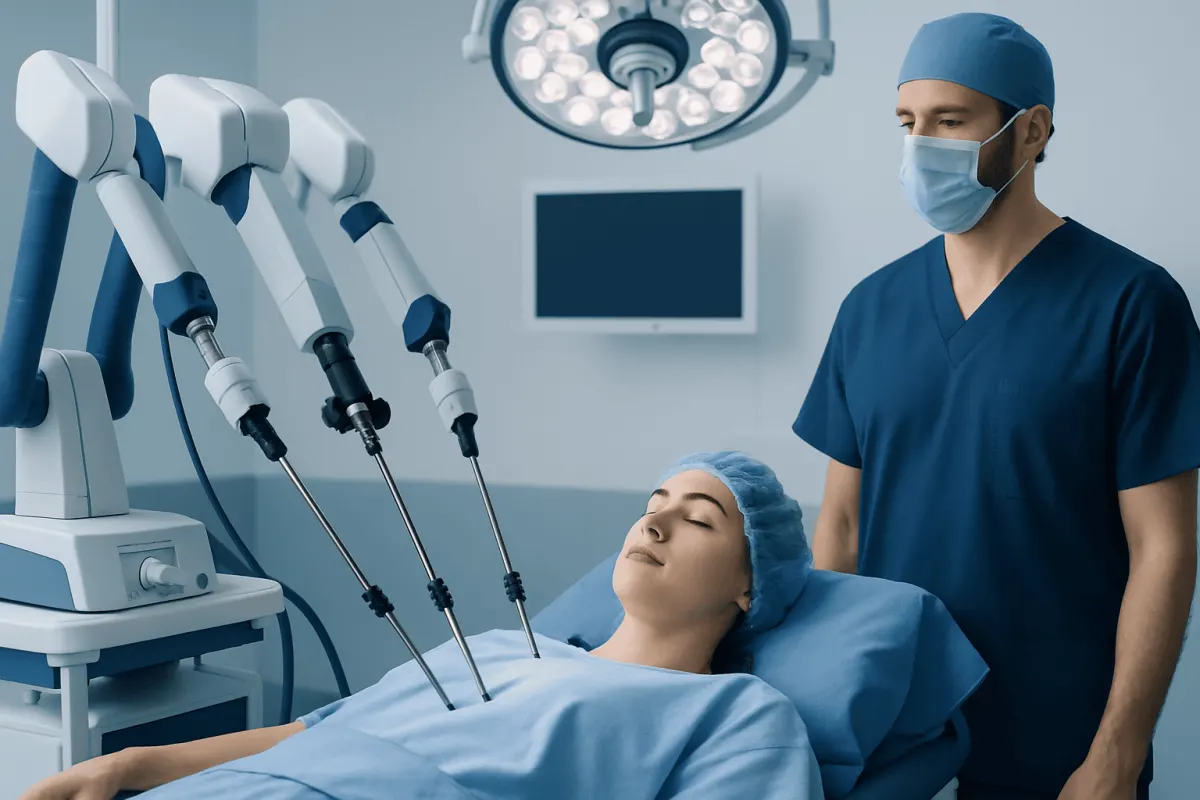
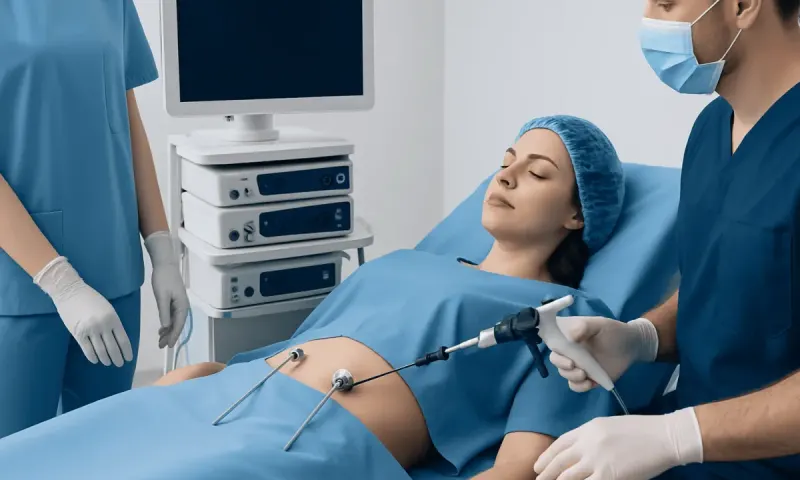
Surgery for endometriosis is usually performed by laparoscopy, using small incisions to diagnose, remove or destroy endometriosis tissue and address related cysts or adhesions. It may improve pain and fertility for selected people, but it does not guarantee permanent symptom relief because endometriosis can recur.
Overview: What Is Surgery for Endometriosis?
Surgery for endometriosis is a treatment used to identify and remove, cut away or destroy tissue that resembles the lining of the uterus but grows outside it. This tissue can cause inflammation, scarring, adhesions and ovarian cysts called endometriomas. Surgery is most often carried out through laparoscopy, also known as keyhole surgery, rather than a large abdominal incision.
The procedure may be used to confirm the diagnosis when symptoms and imaging results are unclear, but its main role is often treatment. During the same operation, the surgeon can assess the location and extent of disease, release organs that have become stuck together by adhesions, remove endometriosis lesions and treat ovarian endometriomas when this is appropriate.
Endometriosis affects people differently. Some have little or no pain, while others experience severe period pain, pain during sex, bowel or bladder symptoms, fatigue, or difficulty becoming pregnant. A personalised discussion with a gynecologist is important because surgery is only one part of care for endometriosis, alongside pain management, hormonal treatment, fertility planning and ongoing follow-up.
Who May Be a Candidate for Surgery?
Doctors may discuss surgery when pelvic pain, painful periods or pain during intercourse continues to affect daily life despite suitable non-surgical treatment. Hormonal medicines can help many people by suppressing disease activity, but they may not be appropriate, effective or acceptable for everyone. Surgery may also be considered if imaging suggests an endometrioma, extensive adhesions or deep endometriosis affecting the bowel, bladder, ureters or other pelvic structures.
Fertility goals are an important part of decision-making. Surgery can sometimes improve the chances of natural conception, particularly when endometriosis distorts pelvic anatomy. However, it is not automatically the best first step for every person with infertility. Ovarian surgery, especially repeated surgery for endometriomas, can reduce ovarian reserve, so the likely benefits should be carefully weighed against fertility plans and alternatives such as IVF treatment.
A clinician will consider symptoms, previous treatments, scan findings, age, fertility priorities, medical history and the suspected location of disease. People with possible deep endometriosis may benefit from assessment by a multidisciplinary team that includes gynecologic surgeons and, where needed, colorectal surgeons, urologists, radiologists and fertility specialists.
How the Procedure Works: Step by Step
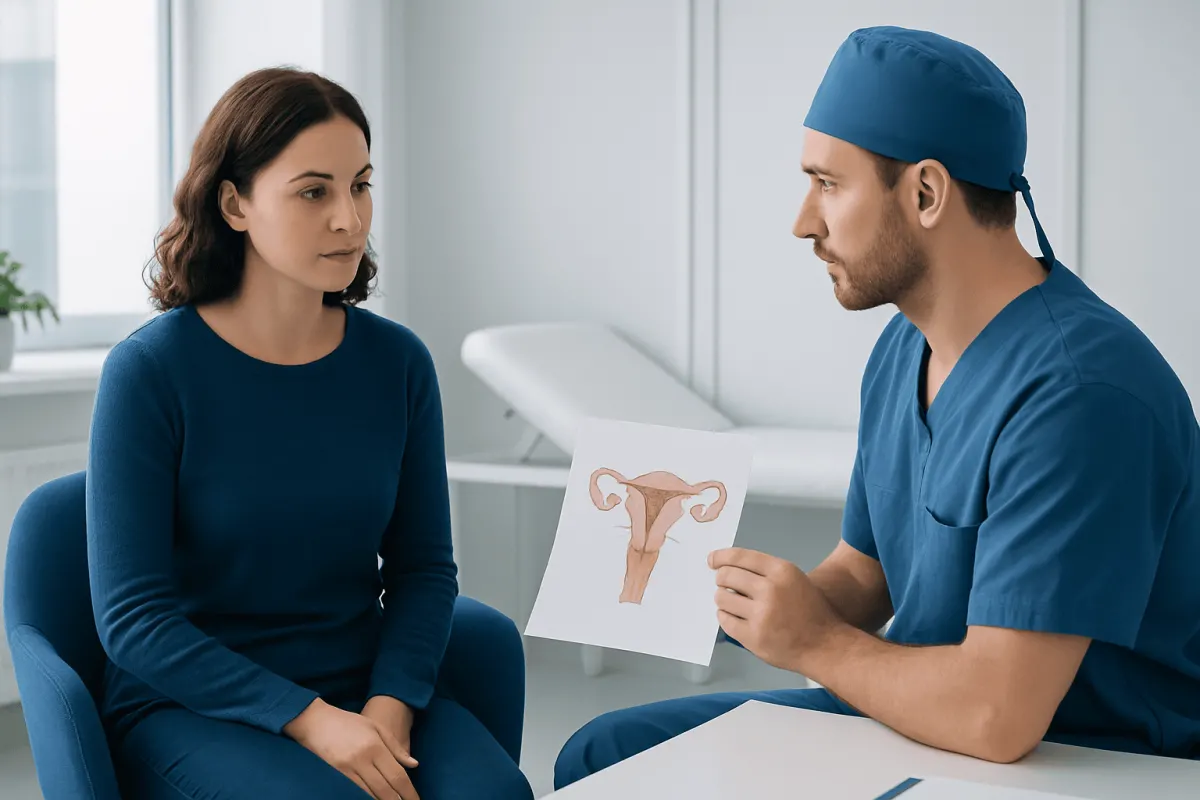
Before surgery, the patient usually has a preoperative review that may include blood tests, pregnancy testing where relevant, medication advice and anaesthetic assessment. Ultrasound or magnetic resonance imaging may help map endometriomas or deep disease, although scans cannot identify every lesion. The surgical team explains the planned procedure, possible additional steps and the possibility that findings may differ from expectations.
Laparoscopic surgery is performed under general anaesthesia. The surgeon makes a small incision, commonly near the navel, and gently inflates the abdomen with gas to create working space. A thin camera called a laparoscope is inserted, and additional small openings may be made for surgical instruments. The camera allows the team to inspect the pelvis, including the uterus, ovaries, fallopian tubes, bladder, bowel surfaces and surrounding tissue.
Visible endometriosis may be removed by excision, in which lesions are cut out, or treated with ablation, in which energy is used to destroy tissue. Adhesions can be divided to restore normal movement of pelvic organs. Endometriomas may be managed by removing the cyst wall or using other techniques selected to balance symptom control with preservation of ovarian tissue. Tissue may be sent to a laboratory for examination.
Complex disease may require a more extensive operation, especially when lesions involve the bowel, bladder or ureters. Rarely, a larger abdominal incision, called laparotomy, is necessary for safety or because of extensive disease. A hysterectomy may be considered only in selected situations, usually for people who do not wish to preserve the uterus and have persistent symptoms; it is not a guaranteed cure because endometriosis can exist outside the uterus.
Benefits and Expected Results
The main goals of endometriosis surgery are to reduce pain, improve daily function, remove problematic cysts or adhesions, clarify the diagnosis and support fertility when relevant. Many people notice improvement in pain after effective surgery, particularly when endometriosis lesions and adhesions have been comprehensively treated. The degree and duration of relief vary from person to person.
Surgery can also provide valuable information about the extent and type of disease. This may guide later treatment, including hormonal therapy to reduce the chance of symptoms returning. If pregnancy is not being attempted immediately, clinicians often discuss postoperative hormonal treatment, provided there are no medical reasons to avoid it.
For fertility, results depend on several factors, including age, ovarian reserve, fallopian tube function, sperm factors, the extent of endometriosis and how long infertility has been present. Surgery can be helpful in carefully selected cases, but it is not a guarantee of pregnancy. A fertility specialist can help compare surgery, trying naturally for a defined period and assisted reproductive options.
Endometriosis is a long-term condition, and recurrence is possible even after technically successful surgery. New lesions may develop, previously microscopic disease may become active, or pain may have more than one cause. Continued care and realistic expectations are therefore important parts of surgical planning.
Recovery Timeline and Aftercare
After uncomplicated laparoscopic surgery, many patients go home the same day or after an overnight stay. It is common to have temporary abdominal soreness, fatigue, mild vaginal bleeding or spotting, and shoulder-tip discomfort from the gas used during laparoscopy. These symptoms generally improve over the first several days.
Light movement, short walks, fluids and regular meals as tolerated can support recovery. The surgical team provides individual instructions about wound care, bathing, driving, returning to work, exercise and sexual activity. Recovery after a straightforward laparoscopy may take around one to two weeks for desk-based activities, while heavy physical work and more extensive surgery can require several weeks or longer.
Pain relief should be used exactly as advised by the treating team. Constipation can occur after anaesthesia, pain medicines or pelvic surgery, so patients may be advised to drink fluids, include fibre in meals and use a bowel medicine if prescribed. Follow-up is typically arranged to review pathology findings, discuss symptom changes and make a longer-term management plan.
Recovery is not only physical. Long-standing pelvic pain and fertility concerns can affect emotional wellbeing, relationships and work. It may help to discuss emotional support, pelvic floor physiotherapy, pain management or counseling with a healthcare professional when needed.
Risks and Important Considerations
All operations carry some risks, although serious complications are uncommon. Possible risks include bleeding, infection, blood clots, reactions to anaesthesia, wound problems and the need for an unexpected larger incision. Laparoscopy also carries a small risk of injury to the bowel, bladder, ureters, blood vessels or nerves. The likelihood depends partly on the location and severity of disease and on previous abdominal surgery.
In surgery for deep endometriosis, treatment near the bowel, bladder or ureters may require specialist involvement and can carry additional procedure-specific risks. These may include temporary or ongoing changes in bowel or bladder function. The surgical team should explain anticipated risks in the context of the individual’s imaging, symptoms and planned operation.
Ovarian surgery deserves particular discussion for people hoping to conceive. Removing an endometrioma may relieve symptoms or improve access to the ovary, but any procedure on ovarian tissue can affect egg reserve. Surgeons aim to preserve healthy ovarian tissue, and fertility testing or fertility preservation counseling may be appropriate in some circumstances.
Not all pelvic pain is caused solely by endometriosis. Even when lesions are removed, some people continue to have symptoms due to pelvic floor muscle tension, irritable bowel syndrome, bladder pain syndrome, nerve-related pain or other conditions. A broader pain-management plan can be helpful if symptoms persist.
When to Seek Medical Care
A person should arrange a gynecologic assessment for persistent or worsening pelvic pain, very painful periods, pain during sex, painful bowel movements or urination around menstruation, heavy or irregular bleeding, or difficulty becoming pregnant. These symptoms do not always mean endometriosis, but early evaluation can help identify the cause and discuss appropriate options.
After surgery, the treating team should be contacted promptly for fever, worsening rather than improving pain, heavy vaginal bleeding, persistent vomiting, increasing redness or discharge from an incision, difficulty passing urine, severe abdominal swelling, shortness of breath or pain and swelling in one leg. Emergency care is appropriate for severe symptoms or any concern that feels urgent.
People considering an operation should feel able to ask about the surgeon’s experience with endometriosis, the likely type of disease, the goals of surgery, alternatives, fertility implications, expected recovery and follow-up care. Acıbadem Health Point’s multidisciplinary specialists and JCI-accredited hospitals assess and treat endometriosis for international patients, including through endometriosis treatment planning tailored to clinical needs.
Frequently asked questions
01Is surgery the only way to diagnose endometriosis?
No. A clinician can often make a working diagnosis based on symptoms, examination and imaging, especially ultrasound or magnetic resonance imaging. Laparoscopy may be used when confirmation is needed or when surgery is being considered to treat symptoms, cysts, adhesions or suspected deep disease.
02What is the difference between excision and ablation for endometriosis?
Excision involves cutting out endometriosis tissue, while ablation uses an energy source to destroy tissue at or near the surface. The best approach depends on the lesion’s depth and location, the surgeon’s assessment and the individual treatment goals.
03How long does recovery take after endometriosis surgery?
Recovery after a simple laparoscopic procedure often takes days to a few weeks, with fatigue and abdominal discomfort gradually improving. More extensive surgery, particularly involving the bowel, bladder or a larger incision, may require a longer recovery period.
04Can endometriosis return after surgery?
Yes. Surgery can remove or treat visible disease and improve symptoms, but it cannot ensure that endometriosis will never return. Follow-up care and, for some people, hormonal treatment after surgery may help manage the risk of recurrence.
05Does endometriosis surgery improve fertility?
It may improve fertility for some people, especially when endometriosis or adhesions interfere with pelvic anatomy. However, results vary, and surgery is not the right choice for every person trying to conceive because ovarian surgery can affect ovarian reserve.
06Will a hysterectomy cure endometriosis?
A hysterectomy may help selected people with uterine symptoms who do not plan future pregnancy, but it is not a guaranteed cure for endometriosis. Endometriosis tissue may be located outside the uterus, and symptoms can persist or recur depending on the underlying disease and other pain factors.
This article is for general information only and is not a substitute for professional medical advice. Please consult a qualified doctor about your individual situation.
Persistent digestive symptoms? Get evaluated in Turkey
JCI-accredited · board-certified surgeons · reply within 24h
Add us as a Preferred Source to see more of our trusted health content across Google Search, AI Overviews and Discover.