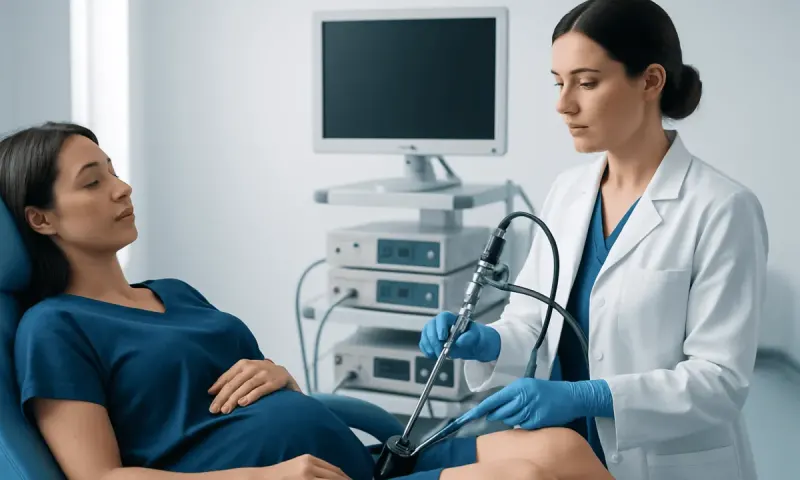
Pelvic Floor Therapy: What Happens in Treatment?
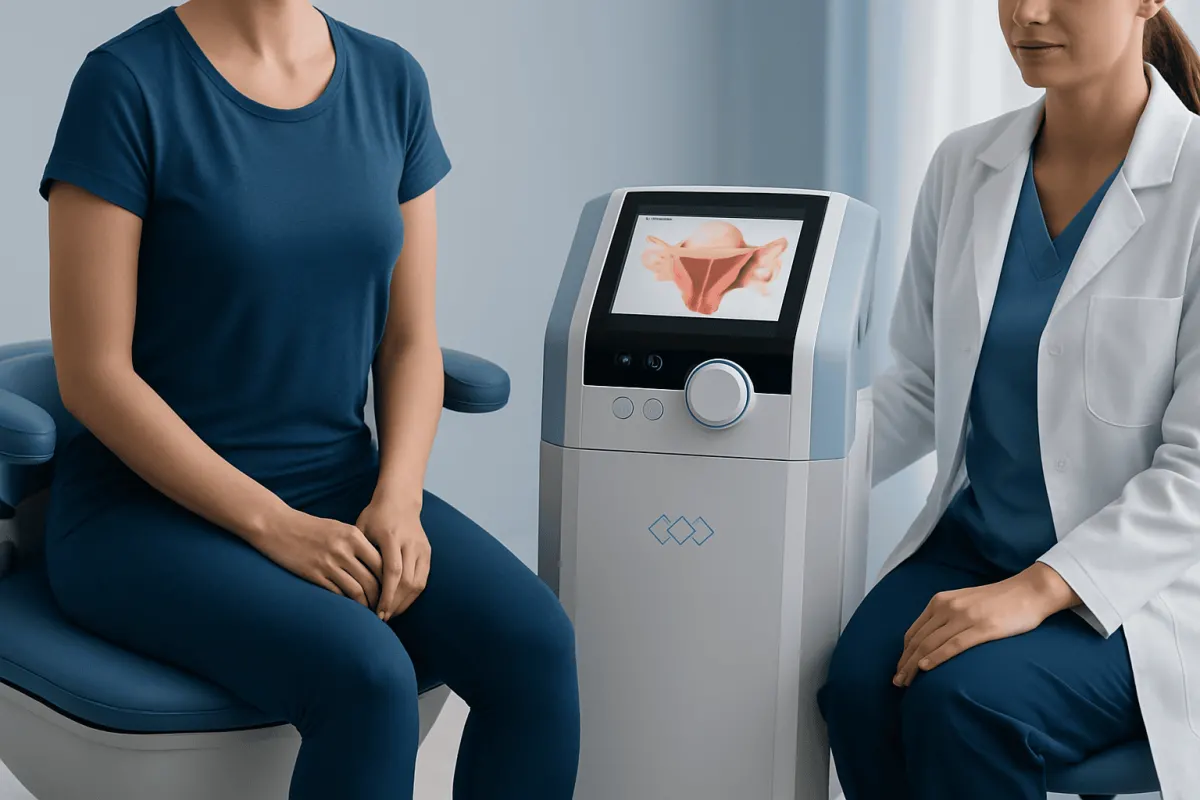
Pelvic floor therapy is a form of physical rehabilitation for muscles, nerves and connective tissues that support the bladder, bowel and reproductive organs. It is individualized and may help people improve muscle strength, relaxation, coordination and confidence in daily activities.
Overview: What Is Pelvic Floor Therapy?
Pelvic floor therapy, also called pelvic floor physical therapy or pelvic rehabilitation, is a specialized form of care that helps a person improve how the muscles at the base of the pelvis function. These muscles support the bladder, bowel and reproductive organs. They also contribute to bladder and bowel control, sexual function, posture and pressure management during everyday movements.
The goal is not always to make the muscles stronger. Some people have pelvic floor muscles that are weak or poorly coordinated, while others have muscles that stay tense and do not relax normally. A trained pelvic health physiotherapist evaluates the individual pattern and develops a plan that may focus on strengthening, relaxation, coordination, mobility, habits or a combination of these approaches.
Pelvic floor symptoms can affect women, men and children, although assessment and treatment are adapted to age, anatomy, health history and personal goals. Therapy is usually conservative, meaning it does not involve surgery, and it can be part of a wider plan that includes care from urology, gynecology, colorectal surgery, gastroenterology, pain medicine or other specialties.
How the Pelvic Floor Works and Why Symptoms Develop
The pelvic floor is a layered group of muscles and connective tissues that stretches between the pubic bone and tailbone. It works with the diaphragm, abdominal wall, hips and spine. During normal function, these structures respond to changes in pressure when a person coughs, lifts, exercises, urinates or has a bowel movement.
Problems may develop when the muscles lose strength, remain contracted for too long, are injured, do not coordinate with breathing and abdominal muscles, or become sensitive after pain or surgery. Symptoms may also be influenced by constipation, chronic coughing, menopause-related tissue changes, pregnancy, childbirth, prostate treatment, neurological conditions, stress and previous pelvic trauma.
Pelvic floor dysfunction is a broad term rather than one single diagnosis. For example, a person with leakage during running may need support and timing strategies, while a person with pelvic pain or difficult bowel movements may need techniques that promote muscle relaxation. A careful evaluation is important because the same symptom can have more than one possible cause.
Related conditions may require separate medical assessment, including urinary incontinence. Pelvic floor therapy can be helpful in many cases, but it does not replace investigation of symptoms that may be caused by infection, organ prolapse, stones, inflammation or other conditions.
Who May Benefit From Pelvic Floor Therapy?

Pelvic floor therapy may be considered when symptoms suggest that pelvic muscles or their coordination are contributing to daily difficulties. A referral can come from a primary care clinician, gynecologist, urologist, colorectal specialist, obstetrician, surgeon or other healthcare professional. In some settings, people may also self-refer directly to a qualified pelvic health physiotherapist.
Common reasons for assessment include urine leakage with coughing, exercise or urgency; frequent urination; difficulty starting or fully emptying the bladder; constipation or straining; fecal leakage; pelvic heaviness; pain in the pelvis, lower abdomen, tailbone or during sex; and recovery needs after pregnancy, childbirth, pelvic surgery or prostate treatment.
It may also support people preparing for or recovering from treatment for pelvic conditions. For instance, guidance about muscle training and healthy bladder habits can complement care for prostate cancer when appropriate. However, the therapist and medical team should tailor the plan to the person’s diagnosis, treatment stage and safety needs.
Not everyone needs the same exercises. People with severe pain, an active infection, unexplained bleeding, a recent injury or a complex neurological condition may need medical evaluation or modifications before beginning therapy. The therapist can explain what is appropriate and obtain consent at every stage.
What Happens During Pelvic Floor Therapy?
The first visit commonly begins with a detailed conversation. The therapist may ask about bladder and bowel habits, pain, pregnancy and childbirth history, operations, medicines, exercise, work demands and personal goals. A bladder or bowel diary may be useful because it can show patterns in fluid intake, urgency, leakage, bowel movements and symptoms.
Assessment may include observation of posture, breathing, abdominal movement, hip and lower-back mobility, and how the body manages pressure during movement. With clear explanation and the person’s permission, the therapist may offer an external and, when clinically useful, internal pelvic examination. This can help assess muscle tone, tenderness, strength, endurance and ability to relax. Internal examination is optional; the person can decline, pause or stop it at any time.
Sessions may include education about pelvic anatomy and habits, diaphragmatic breathing, relaxation training, targeted muscle contractions, stretching, mobility work, manual techniques, biofeedback or electrical stimulation in selected cases. Biofeedback uses sensors to provide information about muscle activity; it is intended to help learning and is not required for every treatment plan.
The therapist usually provides a home program with simple, specific activities. Follow-up visits review response, refine techniques and gradually connect the training to practical goals, such as returning to exercise, reducing urgency, improving bowel emptying or becoming more comfortable with daily movement.
Benefits, Results and Recovery Timeline
Potential benefits of pelvic floor therapy include fewer leakage episodes, better control of urgency, less straining, improved bowel habits, reduced muscle-related pelvic pain and greater confidence with work, travel, exercise or intimacy. Results vary because symptoms may be affected by several factors, including hormones, nerve function, tissue healing, medical conditions and lifestyle demands.
Some people notice changes in body awareness or symptom patterns within a few visits. Meaningful improvement in strength, coordination or endurance often takes several weeks to months of consistent practice. For pain-related problems, progress may be gradual and may involve learning to reduce guarding and improve movement rather than pushing through discomfort.
There is usually no conventional recovery period after a therapy session. A person can commonly return to usual activities, although temporary muscle soreness, fatigue or increased awareness of symptoms can occur after an assessment or new exercises. The therapist may advise adjusting activity temporarily if symptoms flare.
Pelvic floor therapy is generally low risk when delivered by a qualified clinician and matched to the individual’s needs. Possible short-term effects include discomfort during an examination, emotional sensitivity when discussing intimate symptoms, or symptom aggravation if exercises are too intense or unsuitable. Open communication allows the plan to be changed promptly.
Self-Care Between Visits
Home practice is often an important part of therapy, but the most effective program is the one prescribed after assessment. Doing repeated Kegel exercises without guidance may not help and can worsen discomfort when the pelvic floor is already overactive. It is best to focus on correct technique, regularity and comfort rather than intensity alone.
Helpful habits may include avoiding constipation, using a footstool or comfortable position for bowel movements, drinking fluids according to personal health needs, maintaining regular physical activity and learning how to breathe out during effort. Addressing chronic coughing, heavy straining and repetitive high-pressure activities may also reduce stress on the pelvic floor.
People with bladder urgency are often advised not to reduce fluids excessively, as concentrated urine may irritate the bladder in some individuals. Instead, they should discuss a balanced fluid plan and possible dietary triggers with a clinician. Changes in caffeine, alcohol, carbonated drinks or certain foods should be individualized rather than overly restrictive.
Keeping a brief symptom record can help show what improves or worsens symptoms. It may include activity, pain level, urgency, leakage, bowel habits and home exercises. This information can help the therapist make practical adjustments at follow-up appointments.
When to Seek Medical Care
A person should arrange a medical review for persistent urinary leakage, bladder urgency, bowel changes, pelvic pressure, pain during sex, constipation with straining, or symptoms that interfere with quality of life. These concerns are common and treatable, and discussing them early can help identify the most suitable options.
Prompt medical care is important for blood in the urine or stool, unexplained vaginal bleeding, fever with pelvic or urinary symptoms, severe or worsening pelvic pain, inability to urinate, new loss of bowel control, numbness in the groin area, or new leg weakness. These symptoms can have causes that need assessment beyond physical therapy.
Pregnant and postpartum patients should seek individualized guidance, particularly after a complicated delivery, significant tears, a cesarean birth or concerning symptoms. Following pelvic surgery or cancer treatment, the timing and type of exercises should be agreed with the treating team.
Acıbadem Health Point’s multidisciplinary specialists and JCI-accredited hospitals can assess pelvic floor symptoms and coordinate rehabilitation with relevant gynecology, urology, colorectal and surgical care for Myomectomy Recovery for International Patients: The Usual Travel Timeline" class="ahp-ilk">international patients. A qualified clinician can help determine whether pelvic floor therapy is appropriate and what other evaluation may be needed.
Frequently asked questions
01Is pelvic floor therapy the same as doing Kegel exercises?
No. Kegel exercises are one type of pelvic muscle contraction, while pelvic floor therapy is an individualized assessment and treatment program. Some people need strengthening, but others need help relaxing muscles, improving coordination, managing pain or changing bladder and bowel habits.
02Does pelvic floor therapy involve an internal examination?
An internal examination may be offered when it is clinically useful for assessing pelvic muscle function, but it is not mandatory. The therapist should explain why it is suggested, obtain consent and respect the person’s decision to decline, pause or stop at any time.
03How long does pelvic floor therapy take to work?
Timelines vary according to the symptoms, underlying cause, treatment goals and home practice. Some people notice early changes within a few visits, while strength, coordination and longer-lasting symptom improvement often develop over weeks to months.
04Can pelvic floor therapy help men?
Yes. Men may benefit for urinary leakage, urgency, pelvic pain, constipation-related pelvic muscle problems or rehabilitation after prostate treatment. The assessment and treatment plan are adapted to the individual’s anatomy, diagnosis and goals.
05Can pelvic floor therapy help after childbirth?
It can help address bladder leakage, pelvic heaviness, pain, abdominal pressure management and return to activity after pregnancy and childbirth. The timing and approach should be personalized, especially after a complicated birth, significant perineal injury or cesarean delivery.
06Is pelvic floor therapy painful?
It should not require a person to tolerate significant pain. Some areas may be tender, and new movements can cause temporary soreness, but the therapist should work within the person’s comfort level and adapt the plan if symptoms increase.
This article is for general information only and is not a substitute for professional medical advice. Please consult a qualified doctor about your individual situation.
Persistent digestive symptoms? Get evaluated in Turkey
JCI-accredited · board-certified surgeons · reply within 24h
Add us as a Preferred Source to see more of our trusted health content across Google Search, AI Overviews and Discover.