Unibrow Laser Hair Removal: What to Expect
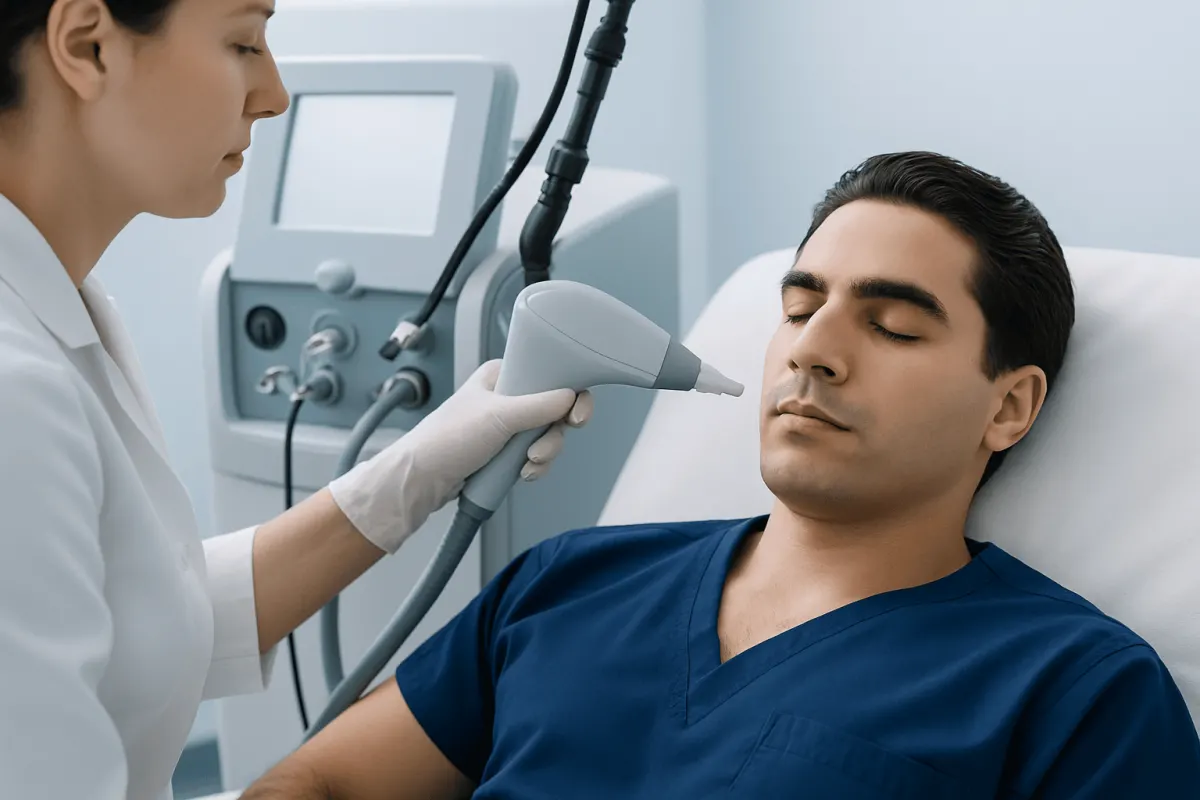
Unibrow laser hair removal is a non-surgical treatment that uses focused light to reduce hair growth between the eyebrows. It is usually safe when performed by a qualified professional, but several sessions, careful eye protection and realistic expectations are important.
Overview: unibrow laser hair removal
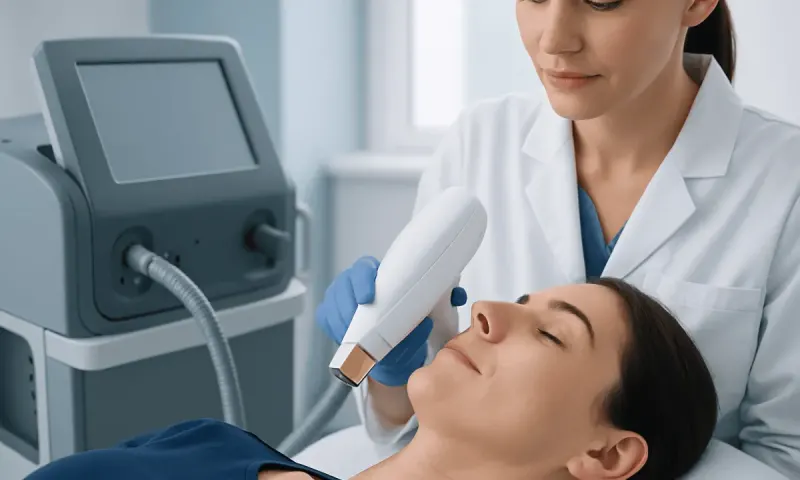
Unibrow laser hair removal is a procedure that reduces unwanted hair growing in the space between the eyebrows. A trained clinician directs pulses of laser light at the pigment in the hair shaft and follicle. The resulting heat damages selected follicles and can slow or prevent future growth, while the surrounding skin is protected as much as possible.
It is a non-surgical option for people who regularly tweeze, thread, wax or shave the area. Laser treatment is generally described as long-term hair reduction rather than permanent hair removal: some follicles may recover over time, and occasional maintenance treatment can be needed. A consultation helps determine whether the hair pattern, skin type and medical history are suitable for treatment.
Because the treatment area is close to the eyes, it should be performed only by an appropriately trained medical or aesthetic professional using protective eyewear designed for the specific laser system. Home laser or intense pulsed light devices should not be used near the eyebrows unless their manufacturer specifically permits this and a clinician has advised that use.
Does laser hair removal work for unibrows?
Yes. Laser hair removal can work well for a unibrow when the hairs have enough pigment for the laser to identify and target. Dark, coarse hair commonly responds more predictably than fine, blond, gray, red or white hair, which contains less melanin. Modern laser systems can be selected for a range of skin tones, but the best approach depends on the contrast between the skin and hair as well as the individual’s risk of pigment changes.
Treatment is commonly performed in a carefully defined zone between the brows. The clinician should agree on the desired natural eyebrow shape before the first session, as laser treatment can reduce hair long term. The goal is usually to clear the central bridge area without unintentionally changing the main eyebrow line.
For some people, temporary methods such as threading, tweezing or waxing remain preferable when they want complete flexibility over eyebrow shape. Electrolysis may be discussed for light-colored or very fine hairs, although it treats follicles individually and can take longer. Surgical approaches are not usually needed for a unibrow; so-called unibrow removal surgery is not a standard first-line solution for ordinary hair growth between the eyebrows.
Planning the procedure and what to expect

At the first appointment, the clinician reviews skin tone, hair color and thickness, recent sun exposure, medications, skin conditions and any history of scarring or pigment changes. They may perform a small test spot to assess the skin response. People should mention retinoids, medicines that increase sensitivity to light, recent tanning, pregnancy or breastfeeding, and any history of cold sores or skin infections affecting the face.
Before treatment, the area is usually cleansed and the hairs may be trimmed or shaved according to the clinician’s instructions. Waxing, threading, epilating and plucking are generally avoided for several weeks beforehand because the laser needs hair pigment within the follicle. Sun tanning and self-tanning products should also be avoided before treatment, as they can make accurate laser settings more difficult.
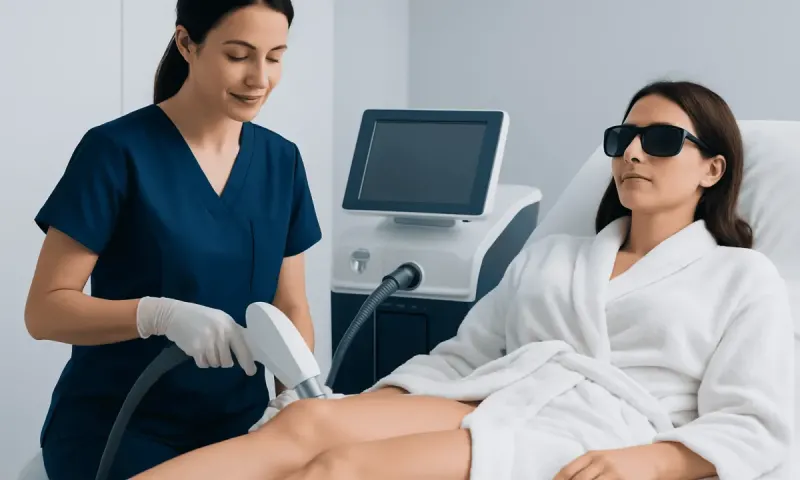
During the procedure, both the patient and clinician wear appropriate eye protection. A cooling device, cool air or gel may be used to improve comfort. Each laser pulse may feel like brief warmth or a light snap against the skin. Treatment of the small space between the eyebrows is often quick, but appointment duration also includes preparation, marking the treatment area and safety checks.
- Do not use depilatory creams or bleach on the treatment area unless the clinician approves them.
- Arrive with clean skin free of makeup, sunscreen or fragranced products when instructed.
- Bring a list of medicines, supplements and recent skincare treatments to the consultation.
What I wish I knew before laser hair removal?
A useful point to know before laser hair removal is that it is a process, not a one-time treatment. Hair grows in cycles, and laser energy is most effective when a follicle is actively growing. Sessions are therefore spaced apart so additional follicles can be treated as they enter a responsive phase. The exact number and timing of sessions depend on the individual and the device used.
It is also important to understand that online unibrow laser hair removal before and after photographs may not predict an individual outcome. Lighting, hair trimming, treatment settings, skin tone and the number of sessions can all affect what is visible in photographs. A qualified clinician can give more individualized expectations after examining the area, but no provider can promise complete or lifelong clearance.
Questions about unibrow laser hair removal cost or unibrow laser hair removal price should be discussed directly with the clinic. Fees can vary based on the setting, technology, practitioner expertise, treatment plan and whether a test patch or follow-up sessions are included. Online discussion threads, including searches for unibrow laser hair removal Reddit experiences, can offer personal perspectives but are not a substitute for individualized medical and safety advice.
What to expect after 3 sessions of laser hair removal?
After three sessions, many people notice slower regrowth, fewer hairs and patches where the hair appears finer. However, the degree of reduction differs substantially between individuals. It is common for some hair to remain because not every follicle is in the active growth phase during each appointment, and facial hair can be influenced by hormonal factors.
Hairs may appear to grow for one to three weeks after a session, but some are shedding from treated follicles rather than returning normally. They should not be plucked. Gentle cleansing and, if necessary, careful shaving or trimming between appointments are usually preferred, subject to the clinician’s advice.
The clinician may adjust settings or alter the treatment plan based on the skin response and visible regrowth. Further sessions are often needed to obtain the best practical reduction. If there is little response after several properly performed treatments, the clinician may reassess the diagnosis, laser type, hair characteristics, treatment interval or alternative methods such as electrolysis.
How long does it take to heal after laser hair removal?
Most people do not need downtime after unibrow laser hair removal. Mild redness, warmth, tenderness or small bumps around hair follicles can occur immediately afterward and often settle within several hours to two days. Some people, particularly those with sensitive skin, may have symptoms for a few days.
For the first day or two, the treated skin should be handled gently. A cool compress may improve comfort, and the clinician may recommend a simple fragrance-free moisturizer. Hot baths, saunas, steam rooms, strenuous exercise and irritating skincare products are commonly avoided for a short period because heat and friction can worsen redness.
Sun protection is especially important after facial laser treatment. The skin should be protected from direct sun exposure, and a broad-spectrum sunscreen may be advised once the skin is intact and the clinician confirms it is suitable. Blistering, increasing pain, marked swelling, crusting, or light or dark skin changes should be reported promptly to the treating clinic or a doctor.
Safety, aftercare and when to seek medical care
Although laser hair removal is widely used, it can cause side effects. Temporary redness and swelling are most common. Less common risks include burns, blisters, infection, acne-like breakouts, scarring and changes in skin pigmentation. Risk can be reduced by choosing an experienced professional, accurately disclosing medical history, avoiding tanning and following aftercare instructions.
Medical care should be sought promptly for severe or worsening pain, blistering, pus, spreading redness, fever, facial swelling that affects the eyes, or any change in vision. A doctor should also assess persistent pigment changes, scarring or an unexpected skin reaction. People with a new, changing or unusual skin lesion between the eyebrows should have it examined before cosmetic treatment rather than having laser applied over it.
Acıbadem Health Point’s multidisciplinary specialists and JCI-accredited hospitals can assess and treat skin concerns for international patients, including providing guidance on appropriate cosmetic dermatology options. The safest treatment plan is one tailored to the person’s skin, hair characteristics and health history.
Frequently asked questions
01Is unibrow laser hair removal permanent?
Laser treatment can provide long-term reduction in hair growth, but it does not guarantee that all hair will be permanently removed. Some follicles may recover and new growth can occur, especially when hormones influence facial hair. Maintenance sessions may be helpful for some people.
02Can laser hair removal be performed between the eyebrows safely?
It can be performed safely by a trained professional who uses a suitable device, correct settings and specialized protective eyewear. The area is close to the eyes, so careful treatment boundaries are essential. Consumer devices should not be used close to the eyes unless explicitly approved for that use and recommended by a clinician.
03Does unibrow laser hair removal hurt?
People often describe the sensation as brief warmth or a light snapping feeling. Cooling measures can improve comfort during treatment. Sensitivity varies with the individual, the device and the treatment settings.
04Can I tweeze my unibrow between laser sessions?
Tweezing, waxing and threading are usually avoided between sessions because they remove the hair from the follicle that the laser needs to target. Trimming or shaving may be permitted, but the treating clinician should provide individualized instructions. Following the planned aftercare helps make treatment more effective and safer.
05Who may not be a suitable candidate for laser treatment?
Suitability depends on skin tone, hair color, recent tanning, medications, active skin conditions and other health factors. Very light, gray, red or white hair may respond poorly. A clinician should assess pregnancy or breastfeeding, photosensitizing medicines and any history of abnormal scarring or pigment changes before treatment.
06What should I do if I have redness after laser hair removal?
Mild redness and warmth usually settle on their own within a short period. Use a cool compress if advised, avoid heat and irritating products, and protect the area from sun exposure. Contact the treating clinic or a doctor if symptoms become severe, persist, or are accompanied by blisters, discharge or increasing pain.
This article is for general information only and is not a substitute for professional medical advice. Please consult a qualified doctor about your individual situation.
Hair transplant in Turkey — costs, graft counts & a free assessment
JCI-accredited · board-certified surgeons · reply within 24h
Add us as a Preferred Source to see more of our trusted health content across Google Search, AI Overviews and Discover.