Do At-Home Laser Hair Removal Devices Work?
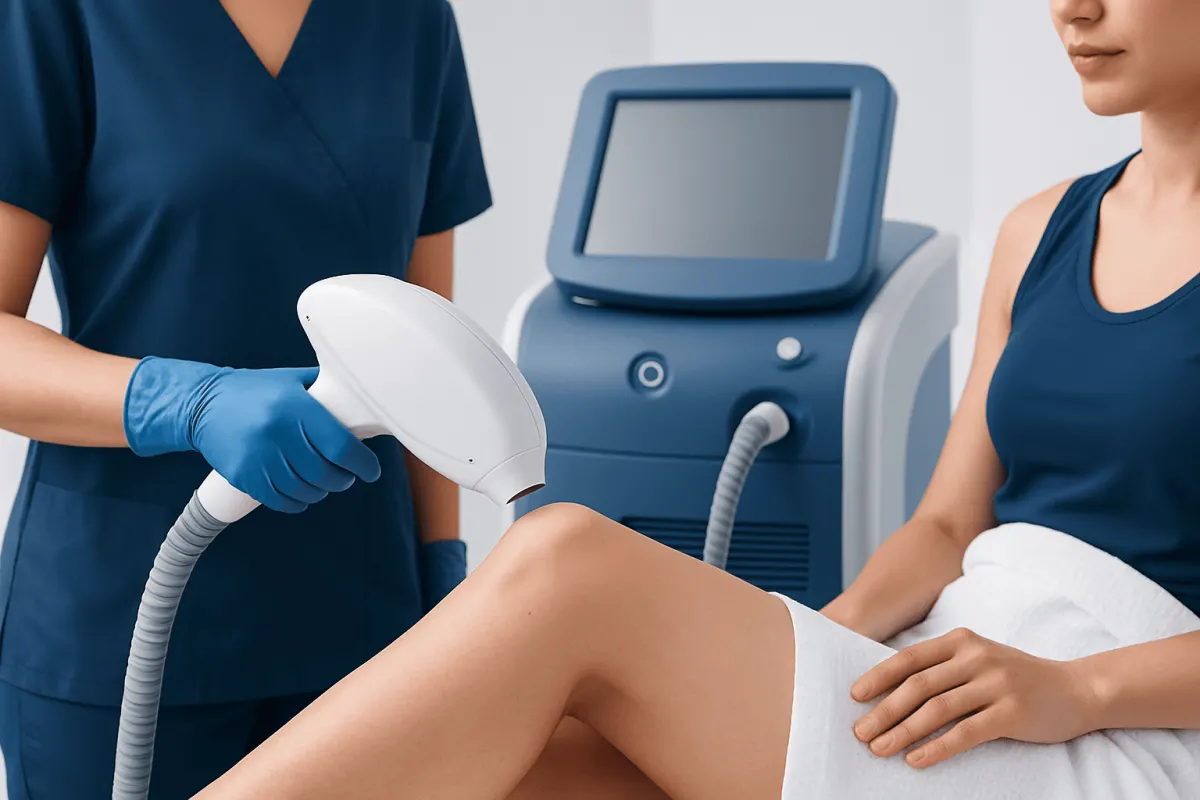
Do Laser Hair Removal: What Patients Need to Know" class="ahp-ilk">at home laser hair removal work? For some people, home-use light-based devices can gradually reduce visible hair growth when used consistently and correctly, but they do not remove every hair permanently. Results depend strongly on hair color, skin tone, the body area treated, and the device’s safety guidance.
Do At Home Laser Hair Removal Work?
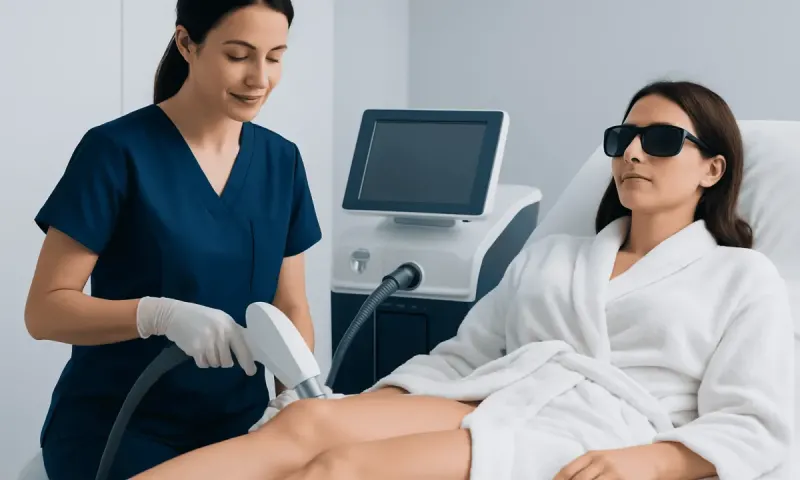
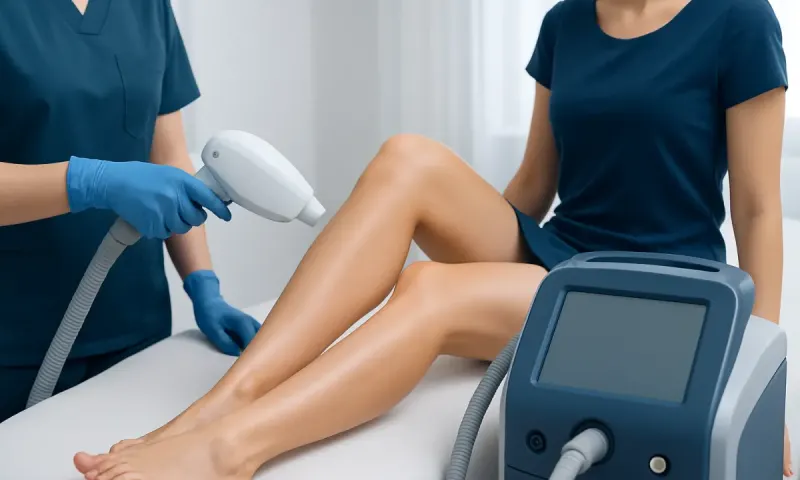
At-home laser hair removal can work for selected people, but the term can be misleading. Most devices sold for home use use intense pulsed light (IPL), which delivers broad-spectrum light rather than the concentrated laser energy used in a medical setting. Both approaches aim to heat pigment in the hair and disrupt the hair follicle during its active growth phase.
Home devices are designed with lower energy levels for safety. This means they may produce gradual, long-term hair reduction rather than complete or permanent hair removal. Regular sessions are usually needed at first, followed by occasional maintenance treatments as some follicles resume producing hair.
Online discussions, including searches such as “do at home laser hair removal work Reddit,” often describe widely different experiences. This is expected: the effectiveness of a device depends on whether it is suitable for the person’s skin tone and hair color, whether it is used consistently, and whether the treatment area responds well. Product instructions and safety warnings should always take priority over personal anecdotes.
Who Is Most Likely to Benefit?
Light-based hair reduction depends on contrast between the pigment in the hair and the pigment in the surrounding skin. In general, dark, coarse hair is more likely to respond because it absorbs more light energy. Light blonde, red, grey, white, or very fine hair usually responds poorly because it contains too little pigment for the treatment to target reliably.
Many older IPL devices are intended for lighter skin tones with dark hair. Using an unsuitable device on dark skin can allow energy to be absorbed by the skin rather than mainly by the hair, increasing the risk of burns or lasting light or dark marks. Therefore, the answer to “does at home laser hair removal work on dark skin?” is device-specific: only a device explicitly cleared and designed for the individual’s skin tone should be considered.
The face, underarms, legs, bikini line, and some other body areas may respond differently. Facial hair may be influenced by hormones and can be more persistent. For people with unwanted facial hair related to conditions such as polycystic ovary syndrome (PCOS), medical evaluation can help address the underlying cause alongside cosmetic hair-management choices.
How Long Does It Take to See Results From At-Home Laser Hair Removal?

Most people do not see an immediate change after one session. Hair grows in cycles, and light-based devices work best when hairs are in an active growth stage. Because only a portion of hairs are in that stage at any one time, treatments are repeated at intervals specified by the manufacturer.
With appropriate, regular use, some people notice slower regrowth, finer texture, or fewer hairs after several sessions. More noticeable reduction often takes a number of weeks or months. The exact timeline varies with the device, treatment schedule, body area, hair density, and individual biology.
At-home devices should not be expected to work as quickly as clinic-based treatment. When people ask whether at-home laser hair removal works as well as professional treatment, the practical answer is usually no: professional lasers can use higher, individualized energy settings and are operated by trained clinicians. However, a home device may be a reasonable option for eligible users seeking gradual reduction and willing to follow a consistent routine.
Does At-Home Laser Hair Removal Work for the Face, Bikini Area, and Brazilian Area?
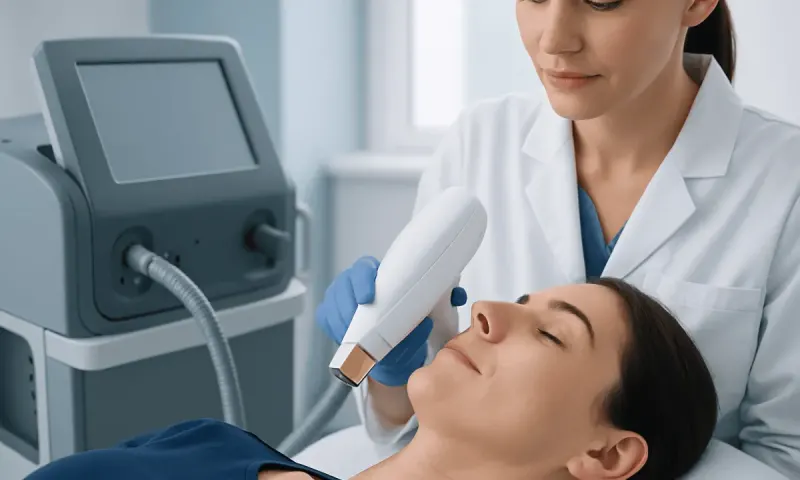
At-home treatment may reduce hair on the face or bikini line if the device is approved for those areas and the person’s skin and hair characteristics are appropriate. It should never be used close to the eyes, on the eyebrows, or on areas that the manufacturer lists as unsuitable. Facial skin can be sensitive, so a patch test and careful adherence to instructions are especially important.
For the question “does at home laser hair removal work on bikini area?”, the answer can be yes for the outer bikini line when the product labeling allows it. The bikini region often has coarse, pigmented hair that can respond well. However, skin in this region may be more sensitive, and treatment should not be used on mucosal or genital tissues.
Similarly, “does at home laser hair removal work for Brazilian” requires a cautious answer. Some products permit use on selected external pubic areas, while others do not. Internal genital areas, the anus, and other mucosal surfaces should not be treated with a home IPL or laser device. Checking the exact device instructions is essential, and professional laser hair removal may be safer for areas that are difficult to treat independently.
What Are the Downsides of At-Home Laser Hair Removal?
The main limitations are slower results, variable effectiveness, and the need for repeated use. A low-powered device can be convenient, but it may not deliver sufficient energy to substantially reduce dense or hormonally driven hair. It also cannot reliably treat hair that lacks pigment, such as grey or very light hair.
Possible side effects include temporary redness, warmth, tenderness, swelling around hair follicles, or itching. Incorrect use can lead to blisters, burns, scabbing, or changes in skin color. These risks are higher with darker skin tones when an inappropriate device is used, after sun exposure or tanning, and when settings are too strong.
Some medicines and skin-care products can make skin more sensitive to light. People using photosensitizing medicines, those with active skin infections, open wounds, recent sunburn, a history of abnormal scarring, or certain skin conditions should seek medical advice before treatment. Tattoos, dark moles, and pigmented birthmarks should not be flashed because they can absorb excessive energy.
Eye protection also matters. The device should never be activated toward the eyes, and users should follow all manufacturer guidance on protective eyewear. A clinician or dermatologist can advise whether a person’s skin concerns may be better managed through dermatology care before starting home treatment.
What Is the Healthiest Hair Removal Method?
There is no single healthiest hair removal method for every person. The best option is one that suits the person’s skin, hair type, medical history, treatment area, comfort, and goals while causing the least irritation. Trimming is generally the lowest-risk way to shorten hair because it does not pull hair from the follicle or expose skin to chemicals or heat.
Shaving is also safe for many people when done gently with a clean razor and suitable lubrication, although it can cause cuts, razor bumps, or ingrown hairs. Depilatory creams can be useful for some but may irritate sensitive skin, so a small patch test is important. Waxing and threading remove hair from the root but can trigger redness, folliculitis, or ingrown hairs.
For longer-term reduction, professional laser treatment can be appropriate for eligible patients, while electrolysis is an option that can treat a wider range of hair colors. A dermatologist can help select the safest approach for recurring ingrown hairs, pigment changes, acne-prone skin, or unwanted hair linked with possible hormonal changes.
Safe Use, Self-Care, and When to Seek Medical Care
Before using an at-home device, read the full instructions, confirm that it is suitable for the user’s skin tone and intended body area, and carry out a patch test as directed. Skin is usually prepared by shaving rather than waxing or plucking, since the follicle needs to contain hair pigment. Avoid treating recently tanned or sunburned skin, and follow guidance about sun protection before and after treatment.
Stop treatment and seek medical care for severe pain, blistering, burns, spreading redness, signs of infection, or skin-color changes that do not settle. Medical advice is also appropriate if sudden or rapidly increasing facial or body hair occurs, particularly when accompanied by irregular periods, acne, scalp hair thinning, voice changes, or unexplained weight changes.
Acıbadem Health Point’s multidisciplinary specialists and JCI-accredited hospitals can assess skin concerns, unwanted hair growth, and suitable treatment options for international patients. A qualified clinician can help distinguish a cosmetic concern from a possible dermatologic or hormonal condition and recommend a safe, individualized plan.
Frequently asked questions
01Do at-home laser hair removal work permanently?
At-home devices may provide long-term hair reduction, but they do not guarantee permanent removal of all hair. Some hair follicles can recover over time or new hair can develop due to hormonal changes. Maintenance sessions are commonly needed.
02Is at-home laser hair removal actually laser treatment?
Many devices described as home laser hair removal use IPL rather than a true laser. IPL and laser technology both use light to target pigment in hair, but they deliver energy differently. Home devices are generally lower powered than professional equipment.
03Can at-home laser hair removal be used on dark skin?
It may be possible only with a device that specifically states it is safe for the person’s skin tone. Darker skin can absorb more light energy, which raises the risk of burns and pigment changes with unsuitable devices. A dermatologist can provide individualized guidance when there is any uncertainty.
04How did Kim Kardashian get rid of her baby hairs?
Public reports and social-media discussions about a celebrity’s cosmetic treatments may be incomplete or inaccurate, so they should not be used as medical guidance. Baby hairs can be managed with styling, trimming, shaving, waxing, threading, laser treatment, or electrolysis, depending on the area and personal goals. Laser or electrolysis near the hairline should be planned carefully because results can be long-lasting.
05Does home IPL hurt?
People often describe a brief warm, snapping sensation, although comfort varies by body area, device setting, and individual sensitivity. Treatment should not cause intense or persistent pain. If pain is significant, the device should be stopped and the skin checked for irritation or injury.
06Can at-home laser hair removal make hair grow back thicker?
Hair shaving does not make hair grow back thicker, and IPL does not usually cause thicker regrowth. Rarely, light-based treatment can be associated with increased hair growth in or near the treated area, particularly on the face or neck and in people with certain skin or hormonal characteristics. A clinician should assess unexpected increased growth.
This article is for general information only and is not a substitute for professional medical advice. Please consult a qualified doctor about your individual situation.
Hair transplant in Turkey — costs, graft counts & a free assessment
JCI-accredited · board-certified surgeons · reply within 24h
Add us as a Preferred Source to see more of our trusted health content across Google Search, AI Overviews and Discover.