Teardrop Breast Implants: Shape, Surgery, and Recovery
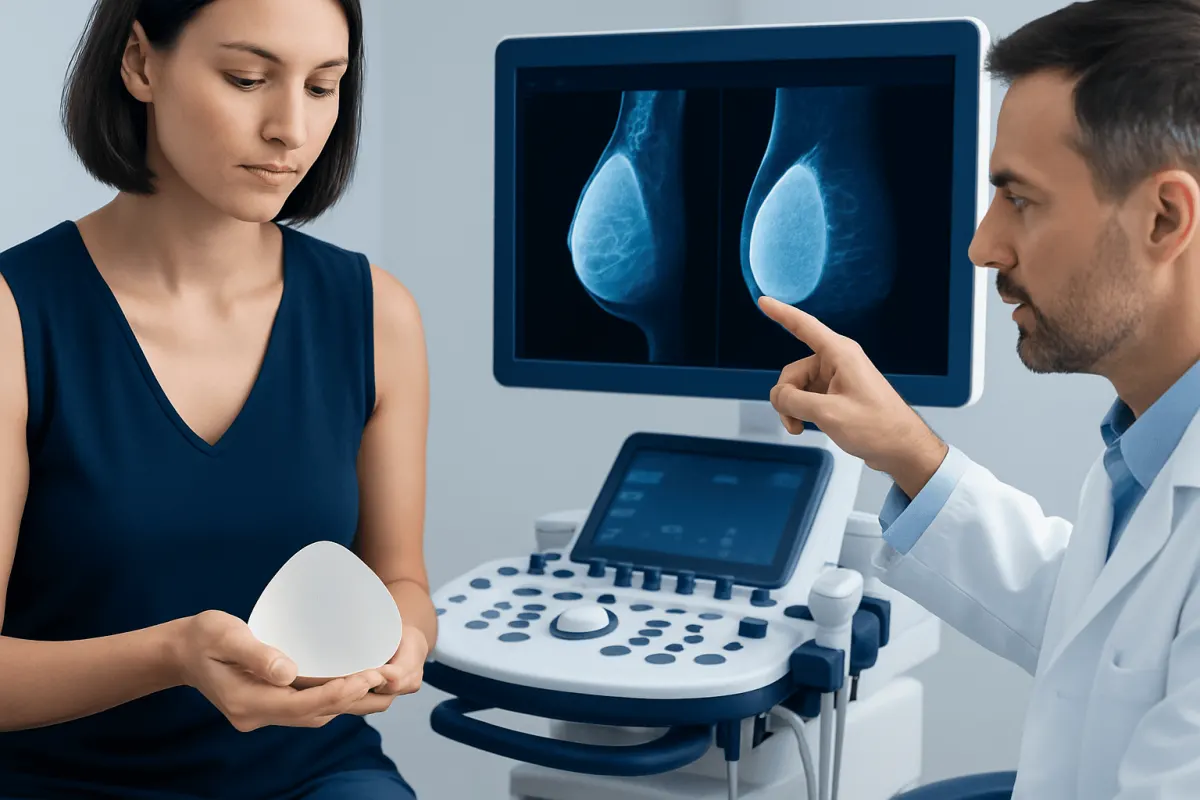
Teardrop breast implants are shaped, silicone gel-filled implants designed to provide more fullness in the lower breast and a gradual slope toward the upper breast. They may suit some people seeking a specific breast contour, but the decision should include a careful discussion of implant rotation, surface type, recovery and long-term follow-up.
Overview: What Are Teardrop Breast Implants?
Teardrop breast implants are silicone implants with an anatomical shape: they are narrower and less full at the top, with greater projection and volume toward the lower part of the breast. This design is intended to resemble the gradual slope of a natural breast in an upright position. They are used in cosmetic breast augmentation and, in selected cases, in breast reconstruction.
The implant shape is only one part of the final result. A person’s existing breast tissue, chest-wall shape, skin quality, implant size, implant placement and healing response all affect the outcome. A qualified plastic surgeon can help determine whether a teardrop implant, a round implant, or another approach is most appropriate for the individual’s goals and anatomy.
Most teardrop implants are made with cohesive silicone gel, which helps them retain their form. Unlike a round implant, however, an anatomical implant must remain correctly oriented in its pocket. If it rotates, the breast contour may look uneven or distorted, which is an important consideration before surgery.
How Teardrop Implants Work and Who May Be a Candidate
The lower-pole fullness of a teardrop implant can help create a breast shape with a softer upper slope and more volume below the nipple. Some people prefer this appearance because they want less upper-breast fullness. Others may obtain a similarly natural-looking result with a round implant placed appropriately, so implant shape should not be selected based on photographs alone.
A candidate is generally an adult in good overall health who is at a stable weight, does not smoke or is willing to stop before and after surgery, and has realistic expectations. Teardrop implants may be considered for people with limited natural breast tissue, selected breast asymmetry, certain chest-wall features, or reconstructive needs. They may not be ideal when significant breast drooping is present, as a breast lift may be needed to reposition the nipple and breast tissue.
During consultation, the surgeon reviews medical history, medications, previous breast surgery, family history and personal goals. They will also assess breast measurements, skin elasticity, nipple position and tissue coverage. It is helpful for patients to discuss how pregnancy, weight changes and aging could alter the breast appearance over time.
- Implant placement may be above the chest muscle, below it, or in a dual-plane position.
- Incisions may be placed in the breast crease, around the areola, or occasionally in another location depending on the surgical plan.
- Surface options and availability differ by country; the potential benefits and risks of smooth and textured surfaces should be discussed carefully.
Teardrop Breast Implant Procedure: Step by Step
Breast augmentation with teardrop implants is usually performed under general anesthesia. Before surgery, the surgeon marks the planned incision and implant position while the patient is standing. The operation is individualized to support balanced breast proportions and to minimize the chance of implant malposition or rotation.
After anesthesia, the surgeon makes the planned incision and creates a pocket either behind the breast tissue, partly beneath the chest muscle, or beneath the muscle. The implant is inserted with careful attention to its orientation. Temporary sizing devices may be used in some cases to help select the most suitable implant volume and shape during surgery.
The surgeon then checks symmetry, closes the incisions in layers and applies dressings or a supportive surgical bra. The procedure is often completed as day surgery, although the exact plan depends on the patient’s health, the type of operation and local clinical practice. Someone should be available to accompany the patient home and assist during the first night.
What Is the Recovery Like for Teardrop Implants?
Recovery after teardrop breast implant surgery is broadly similar to recovery after other types of breast augmentation. In the first several days, swelling, bruising, pressure, tightness and discomfort are expected. The chest may feel firm or high initially, especially when implants are placed partly or fully beneath the chest muscle.
Patients are usually encouraged to walk gently soon after surgery to support circulation, while avoiding lifting, pushing, pulling and strenuous activity. The surgeon may recommend a supportive bra, specific sleeping positions and wound-care instructions. Pain relief should be used only as directed by the surgical team, and smoking or nicotine exposure should be avoided because it can impair healing.
Many people can return to light daily activities and desk-based work within about one to two weeks if their surgeon agrees. More vigorous exercise, upper-body training and heavy lifting commonly need to wait several weeks. Swelling can take months to settle fully, and the breasts gradually soften and assume their more stable position as tissues heal.
What Are the Downsides of Teardrop Implants?
The main potential advantage of teardrop breast implants is their shaped lower-pole fullness and gradual upper contour. The main trade-off is rotation: if an anatomical implant turns within the breast pocket, its asymmetric shape can become visible. Mild rotation may not always be noticeable, but more significant rotation can require surgery to reposition or replace the implant.
Some shaped implants have used textured surfaces to help reduce movement within the pocket. Textured breast implants have been associated with a rare type of lymphoma called breast implant-associated anaplastic large cell lymphoma, or BIA-ALCL. The level of risk varies by implant surface and manufacturer, and implant availability and regulatory guidance differ between countries. This should be discussed in detail before choosing an implant.
Other possible complications are shared with all breast implants. These include infection, bleeding, fluid collection, changes in nipple or breast sensation, capsular contracture, implant rupture, asymmetry, scarring and the need for revision surgery. Breast implants are not considered lifetime devices; a person may need imaging, monitoring or further surgery at some point, even if the initial result is satisfactory.
Do Teardrop Breasts Look Good?
Whether teardrop breast implants look good is subjective and depends on the person’s body proportions, breast tissue, goals and expectations. In an upright position, their shape may create a subtle upper slope with more lower-breast fullness, an appearance that some people consider natural. A well-planned round implant can also look natural, particularly when implant size and placement are suited to the individual.
Teardrop implants do not guarantee a better cosmetic result. If the implant rotates, the breast shape may appear uneven, and the implant may maintain its formed contour when lying down while natural breast tissue tends to spread. Looking at before-and-after images from the surgeon’s own patients, discussing realistic outcomes and considering both implant shapes can support an informed choice.
What's the Worst Day After Breast Augmentation?
For many patients, the first one to three days after breast augmentation are the most uncomfortable. During this period, anesthesia effects are fading and swelling, muscle tightness and pressure are often most noticeable. People having implants placed beneath the chest muscle may feel more discomfort with arm movement or when getting in and out of bed.
Recovery varies considerably, and pain should become more manageable rather than progressively worse. Following the prescribed pain-management plan, resting, taking short walks and asking for help with routine tasks can make the early days easier. New severe pain, rapidly increasing swelling or a marked difference between the breasts should be reported to the surgical team.
When to Seek Medical Care
Patients should contact their surgeon promptly for worsening redness, warmth, drainage from an incision, fever, persistent vomiting, rapidly increasing swelling, severe or worsening pain, or a sudden change in breast shape. A new breast swelling, fluid buildup, lump or persistent pain occurring months or years after implant surgery also deserves medical assessment. Chest pain, shortness of breath, fainting or symptoms of a severe allergic reaction require urgent emergency care.
Routine follow-up remains important even when recovery is uncomplicated. The surgeon can advise on scar care, activity progression and recommended monitoring for silicone implants. Acıbadem Health Point’s multidisciplinary specialists and JCI-accredited hospitals diagnose and treat breast implant concerns for Myomectomy Recovery for International Patients: The Usual Travel Timeline" class="ahp-ilk">international patients.
Frequently asked questions
01What is the difference between teardrop and round breast implants?
Teardrop implants have more volume in the lower portion and a tapered upper portion, while round implants have equal fullness throughout their shape. Round implants may provide more upper-pole fullness, but they can also look natural when appropriately selected and placed.
02Can teardrop breast implants rotate?
Yes. Because teardrop implants have a defined top and bottom, rotation can alter the breast contour and create visible asymmetry. Careful pocket creation and the selected implant surface may help reduce this risk, but cannot eliminate it completely.
03Are textured teardrop implants safe?
Textured implants have been linked to a rare lymphoma known as BIA-ALCL, with risk differing by surface type and manufacturer. A plastic surgeon should explain current regulatory guidance, available implant options and symptoms that should be assessed after surgery.
04Can a person breastfeed after teardrop implant surgery?
Many people can breastfeed after breast augmentation, but it cannot be guaranteed. Breastfeeding ability may be affected by the incision location, surgical technique, pre-existing breast anatomy and any changes in sensation or glandular tissue.
05How long do teardrop breast implants last?
Teardrop implants do not have a fixed expiry date, but they are not lifetime devices. They may remain in place for many years, although rupture, capsular contracture, cosmetic changes or personal preference can lead to removal or replacement.
06Do silicone breast implants need regular imaging?
Follow-up recommendations depend on the implant type, symptoms, local guidance and the surgeon’s advice. For silicone gel-filled implants, the U.S. Food and Drug Administration recommends ultrasound or MRI screening for rupture beginning five to six years after surgery and then every two to three years.
This article is for general information only and is not a substitute for professional medical advice. Please consult a qualified doctor about your individual situation.
Explore treatments in Turkey — costs, top hospitals & a free quote
JCI-accredited · board-certified surgeons · reply within 24h
Add us as a Preferred Source to see more of our trusted health content across Google Search, AI Overviews and Discover.