Breast Implants and Lift Prices: Cost Factors
Breast implants and lift prices cannot be meaningfully compared through a single figure because a combined procedure is individualized. The total plan may include the surgeon’s work, implant selection, anesthesia, operating facility, preoperative assessment, garments, follow-up care, and the possibility of future implant-related surgery.
Understanding Breast Implants and Lift Prices
Breast implants and lift prices vary substantially because breast augmentation with mastopexy is not one standard operation. The surgical plan is tailored to the degree of sagging, breast size and shape, skin elasticity, implant choice, incision approach, anesthesia needs, and whether any asymmetry or prior surgery must be addressed.
Patients benefit from viewing cost as part of overall treatment planning rather than as a stand-alone decision. A lower initial estimate may not include every element of care, while a more comprehensive estimate may include preoperative testing, surgical garments, follow-up appointments, medications, or implant documentation. Cosmetic breast surgery is commonly paid for by the patient, although coverage rules differ if surgery is being considered for reconstructive reasons.
During a consultation, it is reasonable to ask for a written explanation of what the estimate includes, what may be billed separately, whether revision care has separate terms, and what follow-up is planned. The surgical team should also discuss the longer-term reality that implants may require monitoring, replacement, removal, or additional surgery during a person’s lifetime.
What a Breast Lift With Implants Does
A breast lift, also called mastopexy, reshapes and raises the breast by removing excess skin, repositioning the nipple and areola when needed, and reshaping the breast tissue. Implants can add or restore volume, particularly fullness in the upper part of the breast. When performed together, the operation is often called augmentation mastopexy.
The combined procedure may be considered after pregnancy, breastfeeding, weight changes, aging, or naturally limited breast volume. It can improve breast position and contour, but it cannot stop future changes related to aging, gravity, weight fluctuation, pregnancy, or changes in skin quality.
Implants may be filled with saline or silicone gel, and they differ in shape, surface, profile, and size. The surgeon explains which options are appropriate based on anatomy and goals. Patients considering surgery can review the principles of breast augmentation alongside the reshaping goals of a breast lift before deciding whether a combined operation is suitable.
Who May Be a Candidate
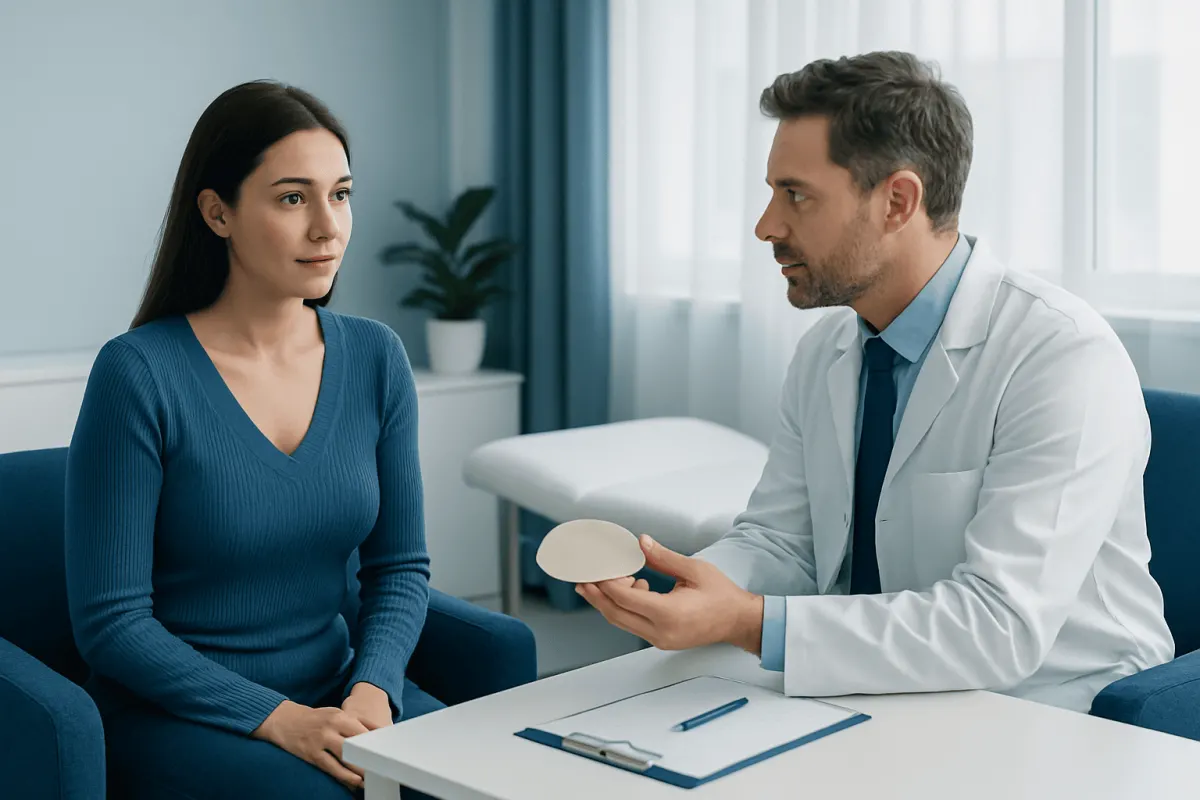
Suitable candidates are generally adults in good overall health who understand the expected benefits, trade-offs, scars, recovery process, and possible need for future surgery. A consultation should explore the patient’s reasons for surgery, desired change, medical history, medications, allergies, past breast procedures, family history of breast cancer, and current breast screening needs.
A lift may be especially relevant when the nipple sits low on the breast, points downward, or falls below the breast crease. Implants alone can improve volume but do not reliably correct significant drooping. Conversely, a lift alone can improve position and shape but does not provide the same increase in volume as an implant.
Smoking and nicotine exposure can impair wound healing and increase complications. Patients are usually asked to stop nicotine products well before surgery and throughout healing, based on their surgeon’s instructions. People planning pregnancy, substantial weight loss, or breast-feeding in the near future may wish to discuss timing, since these changes can affect the surgical result.
Realistic expectations are important. Breast asymmetry is common, and surgery can improve rather than guarantee symmetry. A surgeon may use examination, photographs, measurements, and sometimes imaging or screening evaluation to create an individualized plan.
How the Procedure Is Planned and Performed
Before surgery, the surgeon discusses breast measurements, implant options, incision patterns, scar placement, and whether the operation is best performed in one stage or, less commonly, in separate stages. The plan should balance desired volume with the ability of the breast skin and tissue to support the implant safely. Excessive tension on healing tissues can increase risks.
The procedure is usually performed under general anesthesia. The surgeon makes the agreed incisions, which may be around the areola, vertically down the lower breast, and sometimes along the breast crease depending on the degree of lift needed. Breast tissue is reshaped, the nipple-areola complex is repositioned while maintaining its blood supply where possible, and excess skin is removed.
The implant is then placed in a pocket, commonly under or partly under the chest muscle or above it in selected cases. The incisions are closed, dressings and a supportive bra are applied, and drains may be used in some situations. Surgical details vary, so patients should ask why a particular incision, implant position, or implant type is recommended.
People seeking a detailed discussion of technique, recovery, and personalized suitability may consider a consultation for breast augmentation and lift surgery.
Recovery Timeline, Benefits, and Limitations
Most patients return home on the day of surgery or after a short period of observation, depending on the operation and their health needs. Early recovery commonly includes swelling, bruising, tightness, tiredness, and discomfort that can be managed according to the surgeon’s plan. Support garments, wound-care instructions, and scheduled follow-up visits are important parts of recovery.
Light activity is usually encouraged as advised, but lifting, strenuous exercise, upper-body workouts, and activities that raise the heart rate are restricted initially. Many people need time away from work or regular responsibilities, particularly if their work involves physical activity. The surgeon provides individualized guidance on driving, sleeping position, bathing, exercise, and return to work.
Breasts often appear high, firm, or swollen at first. Swelling generally improves over several weeks, while the implants settle and scars mature over months. Final shape cannot be judged immediately after surgery. Protecting scars from sun exposure and following aftercare instructions can support healing.
Potential benefits include improved breast position, restored volume, a more balanced silhouette, and better fit in some clothing. However, surgery leaves scars, sensation can change, breastfeeding may be affected, and results may change over time. An open discussion of both benefits and limitations supports informed consent.
Risks and Long-Term Implant Considerations
All operations carry risks, including bleeding, infection, fluid collection, delayed wound healing, anesthesia-related problems, scarring, asymmetry, and the need for revision surgery. Risks specific to breast lift with implants include changes in nipple or breast sensation, problems with nipple blood supply, implant malposition, visible or palpable implant edges, rippling, capsular contracture, and changes in breast-feeding ability.
Breast implants are medical devices rather than lifetime products. Over time, an implant may rupture, leak, shift, or develop a firm scar capsule around it. Silicone implant rupture can be difficult to detect without imaging, so patients should follow the surveillance recommendations provided by their surgeon and the implant manufacturer.
A rare condition called breast implant-associated anaplastic large cell lymphoma has been associated primarily with certain textured implants. Other uncommon implant-associated malignancies have also been reported. These conditions are not breast cancer, but new persistent swelling, a fluid collection, a lump, pain, or a change in breast shape should be assessed promptly by a clinician.
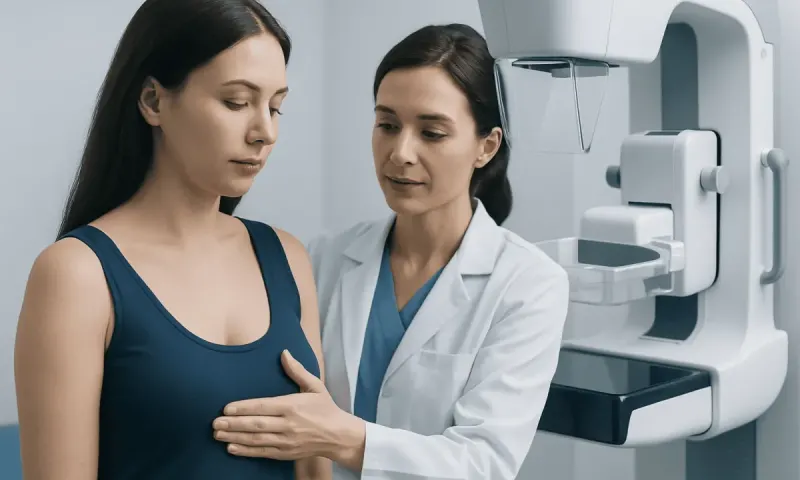
Routine breast health screening should continue based on age, personal risk, and local recommendations. Patients should tell imaging staff that they have implants, because additional views or techniques may be needed during mammography.
Planning Safely and When to Seek Medical Care
A safe decision begins with a consultation with a qualified plastic surgeon who can assess anatomy, medical suitability, and expectations. Patients can ask about the surgeon’s training, the accredited surgical setting, implant brand and warranty information, the expected scar pattern, emergency contact arrangements, follow-up schedule, and how complications or revisions are managed. They should avoid making a decision based on price alone.
Before surgery, it is helpful to maintain a stable weight when possible, disclose all medicines and supplements, follow instructions about smoking cessation, and arrange support at home. After surgery, patients should attend follow-up visits and use only the medications, dressings, and activity plan recommended by their clinical team.
Urgent medical advice is appropriate for chest pain, shortness of breath, fainting, heavy bleeding, rapidly worsening swelling on one side, severe pain not controlled by prescribed treatment, fever, spreading redness, pus-like drainage, or a wound that opens. A new breast lump, delayed swelling, persistent fluid around an implant, or a noticeable change in breast shape also requires medical assessment.
Acıbadem Health Point’s multidisciplinary specialists and JCI-accredited hospitals assess and treat patients seeking breast surgery, including Myomectomy Recovery for International Patients: The Usual Travel Timeline" class="ahp-ilk">international patients, with care plans tailored to clinical needs and informed preferences.
Frequently asked questions
01What is included in breast implants and lift prices?
The total may include surgeon fees, anesthesia, operating-room or hospital charges, implants, preoperative assessment, postoperative garments, medications, and follow-up visits. What is included varies by provider and location. Patients should request an itemized written estimate and ask about possible separate costs.
02Is a breast lift with implants the same as breast augmentation?
No. Breast augmentation primarily adds volume with implants, while a breast lift reshapes the breast and raises the nipple position by removing excess skin. A combined operation addresses both volume and drooping when clinically appropriate.
03How long does recovery take after a breast lift with implants?
Initial recovery commonly takes several weeks, although the timeline differs among individuals and procedures. Swelling and changes in breast position can continue for months. The surgeon will provide specific guidance on work, exercise, lifting, and follow-up.
04Will breast lift scars disappear?
Scars are permanent, but they usually fade and soften over time. Their appearance depends on incision type, skin characteristics, wound healing, sun exposure, and individual scar tendency. A surgeon can explain the expected scar pattern before surgery.
05Do breast implants need to be replaced after a certain number of years?
There is no automatic replacement date for every implant. However, implants are not lifetime devices and some people need further surgery because of rupture, capsular contracture, cosmetic changes, or personal preference. Ongoing follow-up and appropriate imaging are important.
06Can a person breast-feed after a breast lift with implants?
Some people can breast-feed after surgery, but breast-feeding ability may be reduced or affected. The impact depends on the surgical technique, incision, tissue changes, and individual factors. Anyone planning future pregnancy or breast-feeding should discuss this before surgery.
This article is for general information only and is not a substitute for professional medical advice. Please consult a qualified doctor about your individual situation.
Explore treatments in Turkey — costs, top hospitals & a free quote
JCI-accredited · board-certified surgeons · reply within 24h
Add us as a Preferred Source to see more of our trusted health content across Google Search, AI Overviews and Discover.