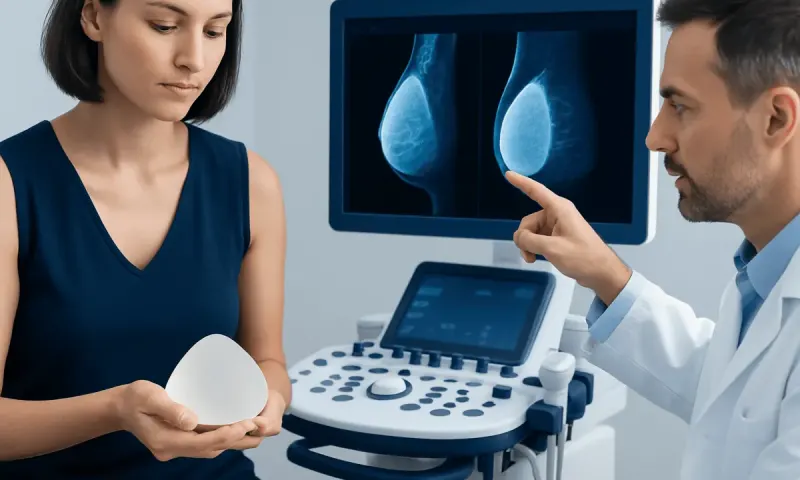
Vaginal Narrowing Surgery: Recovery and Expectations
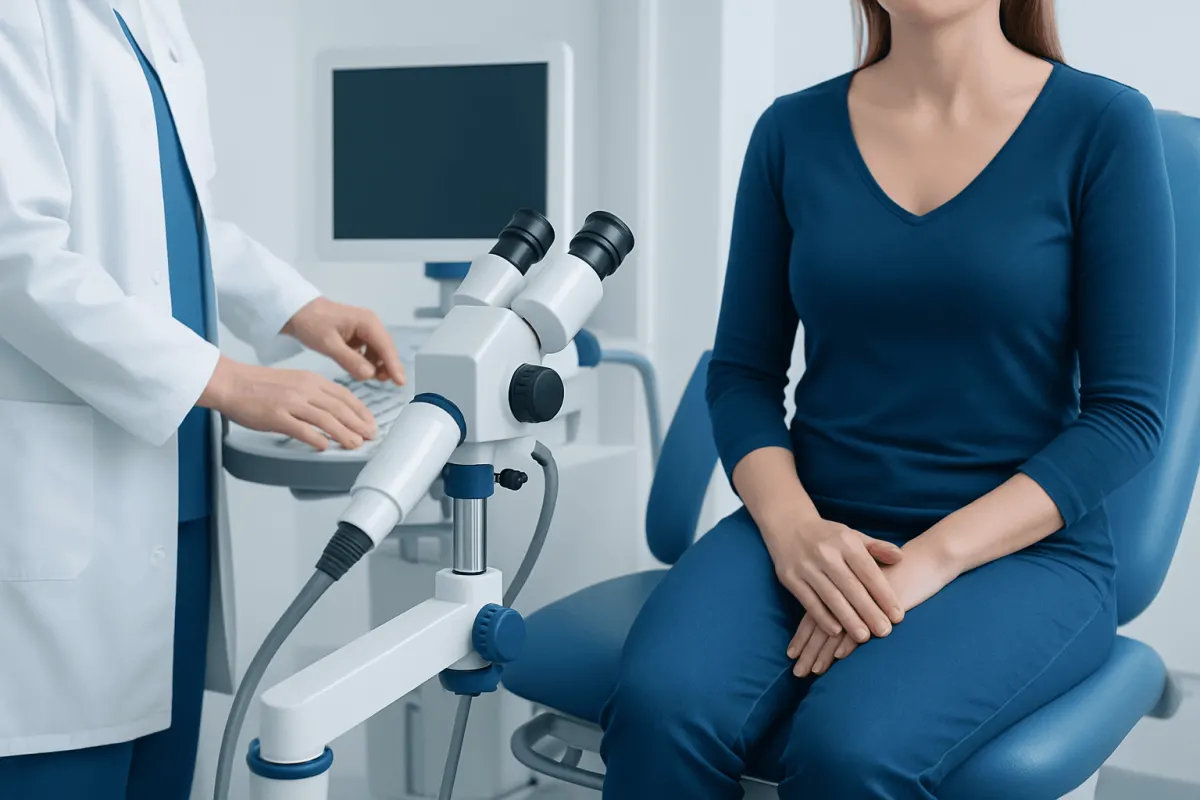
Vaginal narrowing surgery is a procedure that reshapes and supports stretched vaginal and perineal tissues, usually after a careful gynecological assessment. It may help selected patients with a feeling of vaginal looseness or tissue changes after childbirth, but outcomes, recovery, and suitability vary between individuals.
What Is Vaginal Narrowing Surgery?
Vaginal narrowing surgery is an operation designed to reduce the width of the vaginal canal or opening by repairing and supporting selected vaginal and perineal tissues. Recovery typically involves several weeks of reduced activity and avoiding vaginal intercourse or insertion until the surgeon confirms that healing is adequate.
The term is often used for procedures called vaginoplasty and perineoplasty. Depending on the person’s anatomy and goals, a surgeon may repair stretched support tissue along the back wall of the vagina, reshape the vaginal opening, or repair the area of tissue between the vagina and anus, known as the perineum. Vaginoplasty can also describe other reconstructive or gender-affirming operations, so it is important for the surgeon and patient to agree on the exact procedure being discussed.
Some people seek surgery after vaginal childbirth, age-related tissue changes, injury, or previous surgery. However, “vaginal laxity” is a subjective concern rather than a single medical diagnosis. A specialist should first consider pelvic floor function, vaginal dryness, pelvic organ prolapse, urinary symptoms, pain, and emotional or relationship factors that may contribute to symptoms.
Who May Consider Vaginal Narrowing Surgery?
A person may consider vaginal narrowing surgery when they have persistent concerns about a widened vaginal opening, a feeling of reduced support, or changes following childbirth that have not improved with appropriate conservative care. Candidates should be in generally good health, understand the expected recovery, and have realistic goals. Surgery is a personal decision and should never be presented as necessary to meet a cosmetic ideal.
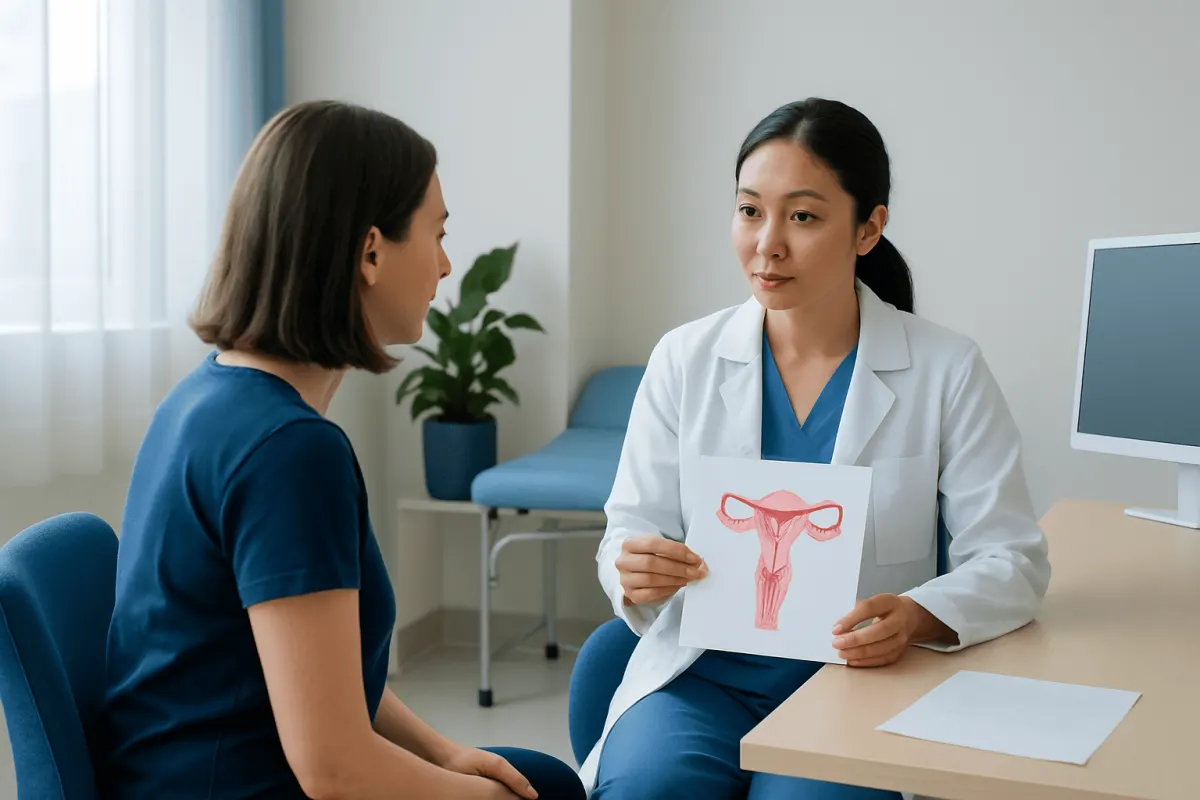
A gynecologist or urogynecologist will usually take a medical history and perform a pelvic examination. This assessment can identify conditions that may need a different approach, such as pelvic organ prolapse, urinary incontinence, painful pelvic floor muscle spasm, infection, or menopausal genitourinary symptoms. Unexplained vaginal bleeding, active infection, pregnancy, or poorly controlled medical conditions generally require assessment or treatment before elective surgery is considered.
Future pregnancy plans are also relevant. A later vaginal birth can stretch repaired tissues and may affect the durability of the result. For this reason, some patients prefer to postpone elective narrowing surgery until they have completed childbearing, although the right timing should be discussed individually with a qualified clinician.
How the Procedure Works: Step by Step
Vaginal narrowing surgery is commonly performed in an operating room under general or regional anesthesia. The exact technique depends on the area being treated and whether there is a coexisting condition, such as a posterior vaginal wall defect or a perineal injury from childbirth. Many procedures are completed as day surgery, while more extensive pelvic floor repairs may require a longer period of observation.
During the procedure, the surgeon accesses the vaginal tissues and may remove a limited amount of excess vaginal lining. Underlying connective tissue and, in some techniques, supportive muscle layers are carefully brought together to improve support and narrow the area being repaired. The vaginal lining is then closed with dissolvable sutures. If needed, the vaginal opening and perineum may be reshaped at the same time.
- Before surgery, the care team reviews medications, allergies, medical conditions, and instructions about eating and drinking before anesthesia.
- On the day of surgery, the surgeon confirms the planned treatment and examines the area under anesthesia if appropriate.
- After repair, the patient is monitored in recovery for comfort, bleeding, nausea, and safe mobility before discharge or admission.
- Written aftercare instructions explain wound care, activity limits, pain management, and when to return for review.
Patients should ask which tissues will be repaired, whether another pelvic floor procedure is planned, and what the surgeon considers a realistic outcome. A clear discussion before surgery supports informed consent and helps avoid misunderstandings about what the operation can and cannot change.
Recovery Timeline and Aftercare
Recovery varies with the technique used, the extent of repair, and the person’s overall health. In the first days, swelling, bruising, light spotting, and discomfort are common and usually improve gradually. Many patients can walk gently soon after surgery and return to desk-based work within one to two weeks, but work involving lifting, prolonged standing, or physical exertion may require more time away.
For approximately six weeks, or longer if advised by the surgeon, patients are usually asked to avoid strenuous exercise, heavy lifting, cycling, swimming or soaking in water, and anything inserted into the vagina, including sexual intercourse and tampons. Avoiding constipation is also helpful because straining can place pressure on healing pelvic tissues. Hydration, dietary fibre, gentle movement, and any medicines recommended by the care team can support more comfortable recovery.
Follow-up appointments allow the surgeon to assess healing and advise when normal activities can safely resume. Swelling may take several weeks to settle, and the tissues can continue to soften and mature over several months. It is best to wait for clinical clearance rather than relying only on a calendar date before resuming sex or intensive exercise.
Expected Results, Benefits and Risks
For appropriately selected patients, vaginal narrowing surgery may improve the feeling of support around the vaginal opening or address anatomical changes after childbirth or injury. Some people report improved comfort or confidence. Results are individual, however, and surgery cannot reliably predict sexual pleasure, desire, arousal, relationship satisfaction, or body image, all of which can be influenced by physical, psychological, hormonal, and interpersonal factors.
As with any operation, there are possible risks. These include bleeding, infection, blood collection under the tissue, wound separation, anesthesia-related complications, scarring, altered sensation, excessive narrowing, pain with intercourse, and the need for revision surgery. Less commonly, there may be injury to nearby structures or complications related to reduced mobility after surgery. A surgeon should explain the risks that are most relevant to the planned technique and the individual’s medical history.
Careful patient selection, experienced surgical care, and following recovery instructions can reduce avoidable risks but cannot remove them completely. New or worsening pain, difficulty passing urine, heavy bleeding, fever, foul-smelling discharge, or increasing swelling after surgery should be reported promptly to the surgical team. Sudden chest pain, shortness of breath, or a painful swollen leg requires urgent medical attention.
Alternatives and Supporting Pelvic Health
Surgery is not the only option for vaginal or pelvic floor concerns. Pelvic floor physiotherapy may help improve muscle coordination, strength, support, and awareness, particularly after childbirth. A specialist may also recommend treatment for vaginal dryness, menopausal symptoms, constipation, urinary leakage, pelvic organ prolapse, or pelvic pain when these are contributing to discomfort or changes in sexual function.
Lubricants or vaginal moisturizers may support comfort for people with dryness, while clinician-prescribed local hormonal treatment may be suitable for some people with menopausal tissue changes. Counseling or sex therapy can also be valuable when concerns about intimacy, pain, body image, or communication are affecting wellbeing. These approaches may be used alone or alongside medical treatment, depending on the underlying concern.
Energy-based procedures marketed as non-surgical vaginal tightening are not considered equivalent to surgical repair. Evidence for many of these uses remains limited, and safety concerns have been raised regarding possible burns, scarring, and pain. Anyone considering a device-based treatment should discuss its intended use, evidence, risks, and alternatives with a qualified gynecological professional.
When to Seek Medical Care
A medical assessment is advisable for a vaginal bulge or pressure sensation, pain during sex, ongoing urinary leakage, difficulty emptying the bladder or bowel, recurrent infections, bleeding after sex, or any bleeding after menopause. These symptoms may have causes that need medical treatment and should not be assumed to be due to vaginal looseness alone.
People considering vaginal narrowing surgery can benefit from consultation with a gynecologist, urogynecologist, or pelvic floor specialist who can discuss diagnosis, conservative options, surgery, and recovery in a balanced way. Acıbadem Health Point’s multidisciplinary specialists and JCI-accredited hospitals assess and treat pelvic floor and vaginal health concerns for Myomectomy Recovery for International Patients: The Usual Travel Timeline" class="ahp-ilk">international patients.
Frequently asked questions
01Is vaginal narrowing surgery the same as vaginoplasty?
Vaginal narrowing surgery may be called vaginoplasty, especially when the goal is to repair and narrow vaginal support tissues. However, the term vaginoplasty can also refer to other reconstructive and gender-affirming procedures, so patients should ask their surgeon to describe the exact planned operation.
02Can vaginal narrowing surgery improve sexual sensation?
Some patients may experience improved comfort, confidence, or a changed sensation after healing, but results are not predictable. Sexual function is influenced by many factors, including pelvic floor health, vaginal dryness, hormones, pain, emotional wellbeing, and relationship factors.
03How long does recovery from vaginal narrowing surgery take?
Initial discomfort and swelling often improve over the first few weeks, while full tissue healing may take several months. Most surgeons advise avoiding intercourse, tampons, heavy lifting, and strenuous activity for around six weeks or until a follow-up examination confirms healing.
04Can pregnancy affect the results of vaginal narrowing surgery?
Yes. A future vaginal pregnancy and delivery can stretch repaired vaginal and perineal tissues and may change the surgical result. People planning more pregnancies should discuss timing, delivery considerations, and alternatives with their gynecologist before surgery.
05Is vaginal narrowing surgery a treatment for urinary incontinence or prolapse?
Not necessarily. Urinary leakage and pelvic organ prolapse may require different assessment and treatment, although a surgeon may sometimes address more than one pelvic floor condition during a planned repair. A pelvic examination helps identify the most appropriate treatment for the symptoms present.
06Are non-surgical vaginal tightening treatments effective?
Pelvic floor physiotherapy can be useful for selected concerns and is often considered before surgery. Energy-based treatments marketed for vaginal tightening have limited evidence for many uses and are not a direct substitute for surgical repair, so a clinician should explain their potential risks and benefits.
This article is for general information only and is not a substitute for professional medical advice. Please consult a qualified doctor about your individual situation.
Explore treatments in Turkey — costs, top hospitals & a free quote
JCI-accredited · board-certified surgeons · reply within 24h
Add us as a Preferred Source to see more of our trusted health content across Google Search, AI Overviews and Discover.