Why Is One Breast Bigger Than the Other?

It is common for one breast to be slightly bigger, higher, or shaped differently than the other. Breast asymmetry is usually a normal variation, but a new, rapidly changing, painful, or otherwise unusual difference should be assessed by a healthcare professional.
Overview: is one breast supposed to be bigger than the other one?
Yes. For many people, one breast is naturally a little larger, fuller, higher, or differently shaped than the other. This is called breast asymmetry. It often begins during puberty as breast tissue develops, and it may remain stable throughout adult life. In most cases, mild asymmetry is a normal feature of the body rather than a health problem.
When someone asks, “why is one breast bigger than the other one?”, the answer is often normal differences in breast development, hormone response, and body anatomy. However, a difference that is new, becoming more noticeable, or accompanied by a lump, skin change, nipple change, discharge, or pain deserves medical attention. A clinician can examine the breasts and decide whether imaging or further tests are needed.
Breasts contain fatty tissue, glandular tissue, connective tissue, blood vessels, and lymphatic tissue. The amount and distribution of these tissues can vary from side to side. Chest wall shape, posture, muscle development, and previous injury or surgery can also affect how symmetrical the breasts appear.
Why is one breast larger than the other one?
Natural developmental variation is the most common reason one breast is larger than the other. During puberty, breast growth does not always occur at the same rate on both sides. One breast may begin developing first or may respond more strongly to hormones. The other breast may catch up over time, although a small difference commonly remains.
Hormonal fluctuations can temporarily change breast volume and tenderness. Many people notice that breast fullness changes before or during a menstrual period. Pregnancy, perimenopause, menopause, hormonal contraception, and hormone therapy may also affect breast tissue. These changes do not always happen equally on both sides.
Changes in body weight may alter breast size because breasts contain fatty tissue. Differences can also become more visible with aging as skin elasticity and breast support tissues change. Less commonly, one-sided enlargement can be related to a benign breast condition, inflammation, an injury, or, rarely, cancer. The key distinction is whether the difference is longstanding and stable or new and progressive.
Which breast is bigger, left or right?

There is no single “correct” side that should be larger. Either breast can be bigger, and the degree of difference varies greatly between individuals. Some people notice that the left breast is slightly larger, while others have a larger right breast. A person’s dominant hand, posture, chest wall shape, and natural tissue distribution may contribute to how the difference looks, but these factors do not reliably predict which side will be larger.
The more useful question is whether the size difference has always been present or has changed. A stable difference that has been noticeable since puberty is generally less concerning than a breast that has recently become larger, harder, swollen, or differently shaped. Comparing current appearance with what is usual for the individual can be helpful.
Breast self-awareness is encouraged: people should know what is normal for their own breasts and seek advice if they notice a persistent change. This is different from repeatedly checking for reassurance; a regular awareness of appearance and feel is usually enough.
Why is one of my breasts getting bigger than the other?
If one breast is getting bigger than the other, temporary hormone-related changes are a possible explanation, particularly around menstruation, pregnancy, or breastfeeding. A blocked milk duct or breast inflammation can also cause one breast to feel fuller or swollen. In these situations, there may be tenderness, warmth, redness, or changes in milk flow.
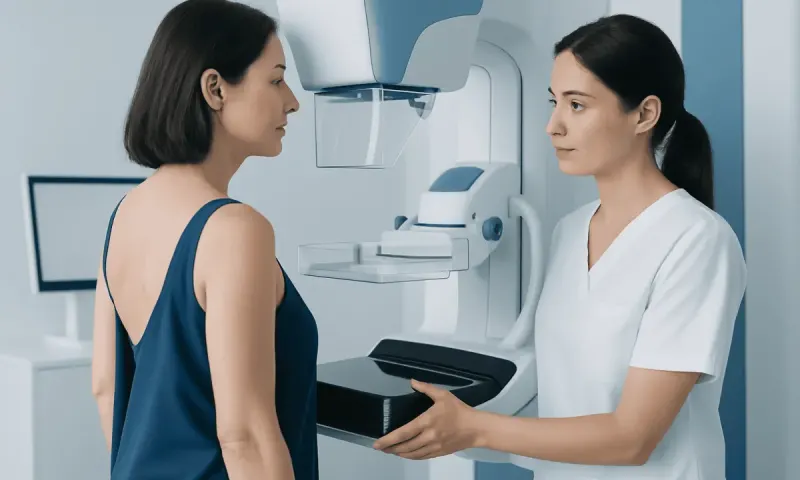
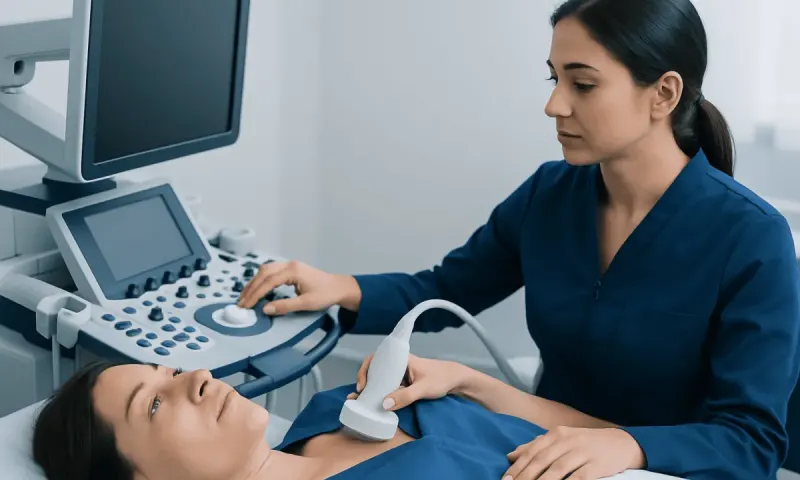
Other possible causes include benign lumps such as cysts or fibroadenomas, fluid collection after an injury or procedure, and local infection. These conditions are often treatable, but an examination is important because symptoms can overlap. A breast clinic may use a physical examination and, when appropriate, ultrasound, mammography, or other imaging to clarify the cause.
Although uncommon, a persistent unexplained change in one breast can be a sign of breast cancer, including inflammatory breast cancer. Warning signs can include rapidly increasing size, swelling, skin thickening or dimpling, redness that does not settle, a new inverted nipple, a firm lump, or enlarged lymph nodes near the armpit or collarbone. These symptoms do not confirm cancer, but they should be assessed promptly. More information about breast health concerns is available through breast cancer care.
Why is my one breast bigger than the other one while breastfeeding?
It is very common to notice that one breast is bigger than the other one while breastfeeding. Breasts may produce different amounts of milk, and a baby may prefer one side because of latch, milk flow, positioning, or comfort. If the baby feeds more often or more effectively from one breast, that breast may become fuller and may gradually produce more milk.
Breast size can also vary during the day depending on when each side was last emptied. Offering both breasts regularly, alternating the starting side, and checking that the baby is latching well may help balance feeding. However, equal breast size is not necessary for successful breastfeeding, and the amount of milk made is not always reflected by breast size.
Contact a midwife, lactation consultant, or doctor if one breast becomes very painful, red, hot, or swollen; if there is fever or flu-like illness; or if a firm area does not improve after feeding or expressing milk. These symptoms may suggest mastitis or another condition needing care. If the difference continues after breastfeeding ends, it can be discussed at a routine medical appointment.
How to fix if one breast is bigger than the other?
Most people do not need to fix mild breast asymmetry. A well-fitted supportive bra, a bra with removable inserts, or custom padding can make clothing fit more comfortably and improve symmetry in appearance. Choosing clothing styles that feel comfortable and confidence-building may also be helpful. If the difference is related to menstrual changes, tracking the cycle can show whether it is temporary.
If asymmetry is caused by a medical condition, treatment focuses on the underlying cause. For example, infection may need medical treatment, a troublesome cyst may be assessed or drained, and a suspicious lump requires investigation. It is not advisable to use unproven creams, supplements, massage techniques, or devices claiming to permanently enlarge one breast; these products may be ineffective or unsafe.
If one breast is bigger than the other one, can plastic surgery help? In selected cases, yes. After a specialist assessment, options may include breast reduction on the larger side, augmentation on the smaller side, reshaping procedures, or a combination. Surgery is a personal decision and should be considered only after discussing expected results, scars, recovery, risks, and future pregnancy or breastfeeding plans. Breast aesthetic surgery may be considered when asymmetry is significant and causes physical discomfort or emotional distress.
Acıbadem Health Point’s multidisciplinary specialists and JCI-accredited hospitals can assess breast concerns and discuss appropriate medical or surgical options for Myomectomy Recovery for International Patients: The Usual Travel Timeline" class="ahp-ilk">international patients.
When should I be worried about one breast bigger than the other?
A long-standing, mild difference without other symptoms is usually not a reason for concern. Medical advice is important, however, when the size difference is new, clearly increasing, or associated with other changes. A clinician can assess the situation sensitively and arrange appropriate testing if needed.
Seek prompt medical care for a new breast lump; one-sided swelling that persists; redness, warmth, fever, or severe pain; skin dimpling, thickening, or an orange-peel appearance; a nipple that becomes newly inverted; bloody or spontaneous nipple discharge; or a persistent rash or sore around the nipple. Also seek advice for a new lump or swelling in the armpit or near the collarbone.
People should attend recommended breast screening appointments for their age and personal risk profile. Screening is designed for people without symptoms; anyone with a new breast change should contact a doctor rather than wait for their next routine screening. Earlier assessment often provides reassurance and, when treatment is needed, helps guide timely care.
Frequently asked questions
01When should I be worried about one breast bigger than the other?
A slight difference that has been present for years is usually normal. Arrange medical assessment if the difference is new or worsening, or if there is a lump, skin or nipple change, discharge, persistent pain, redness, warmth, or swelling in the armpit.
02Which breast is bigger, left or right?
Either breast can be larger. There is no normal or expected side to be bigger, and the important factor is whether the difference is stable or has recently changed.
03How to fix if one breast is bigger than the other?
Mild asymmetry often needs no treatment and can be managed with a well-fitted bra or removable padding. If a medical cause is found, treatment addresses that cause; surgery may be an option for significant, stable asymmetry after specialist consultation.
04Why is one of my breasts getting bigger than the other?
Hormone changes, pregnancy, breastfeeding, weight changes, benign lumps, infection, or inflammation can cause one breast to enlarge. A new or progressive change should be examined to identify the cause and exclude less common serious conditions.
05Why is my one breast bigger than the other one while breastfeeding?
One breast may make more milk or be used more often because a baby prefers that side or feeds more effectively from it. Alternating sides and ensuring a good latch may help, but uneven size is common and does not necessarily affect milk supply.
06Can breast asymmetry be a sign of cancer?
Most breast asymmetry is not caused by cancer, especially when it has been stable since puberty. However, a new one-sided enlargement or shape change, particularly with a lump, skin changes, nipple changes, or swollen lymph nodes, should be assessed promptly.
This article is for general information only and is not a substitute for professional medical advice. Please consult a qualified doctor about your individual situation.
Joint and spine care in Turkey — expert assessment & treatment
JCI-accredited · board-certified surgeons · reply within 24h
Add us as a Preferred Source to see more of our trusted health content across Google Search, AI Overviews and Discover.