Stage 3 Bowel Cancer: Diagnosis, Outlook and Treatment
Stage 3 bowel cancer means the cancer has spread beyond the bowel wall or into nearby lymph nodes, but not to distant organs. It is commonly treated with the aim of cure, usually through surgery combined with chemotherapy and, for some rectal cancers, radiotherapy.
Overview: what stage 3 bowel cancer means
Stage 3 bowel cancer is cancer of the colon or rectum that has spread into nearby lymph nodes and may have grown through the bowel wall or into surrounding tissues. Importantly, it has not spread to distant organs such as the liver, lungs or bones; that would be stage 4 disease. Bowel cancer may also be called colorectal cancer.
Although a stage 3 diagnosis is serious, it is often treated with curative intent. Most people have a combination of treatments rather than one treatment alone. The exact approach depends on whether the cancer began in the colon or rectum, how far it has grown locally, how many lymph nodes are involved, the tumour’s molecular features and the person’s overall health.
Stage 3 is divided into subgroups, often described as stage 3A, 3B and 3C. These reflect differences in tumour depth and lymph-node involvement. The subgroup can help clinicians discuss prognosis and recommend treatment, but it cannot predict an individual person’s outcome on its own.
How stage 3 bowel cancer is diagnosed and staged
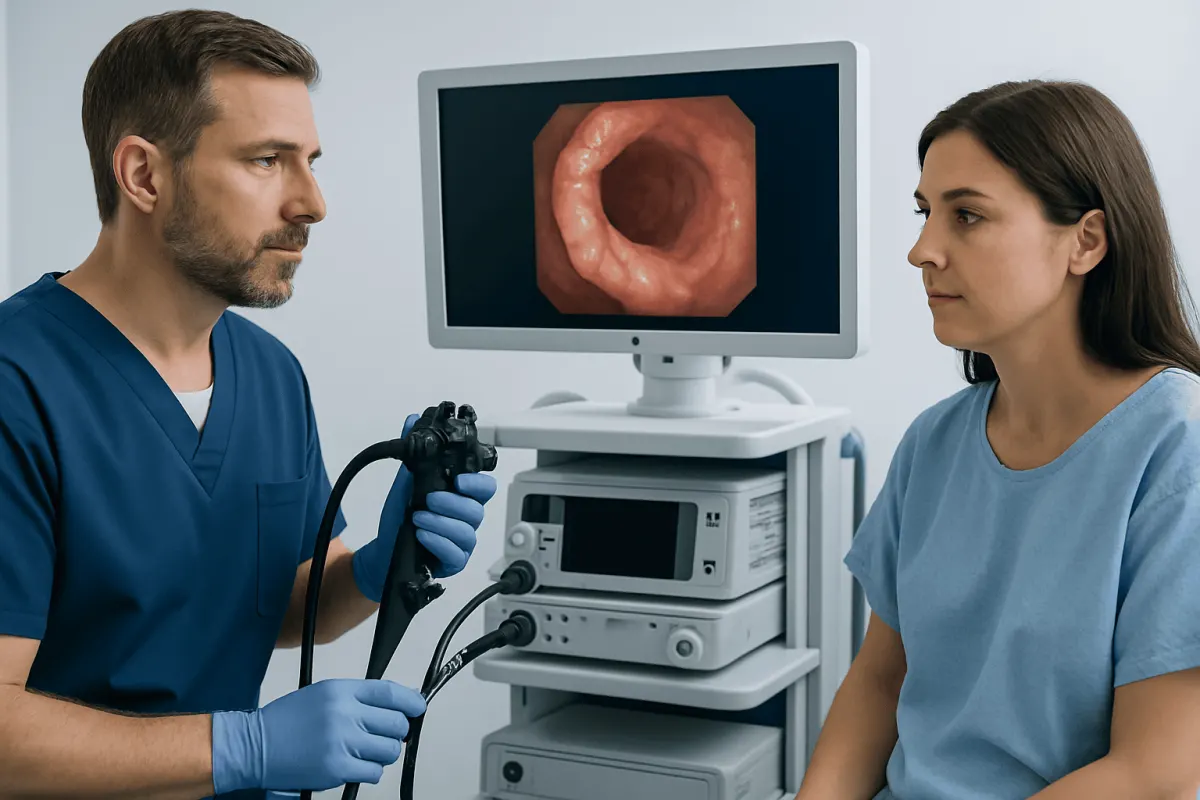
Diagnosis commonly begins after symptoms, a screening test or an abnormal stool test leads to a colonoscopy. During colonoscopy, a specialist examines the lining of the large bowel and takes a biopsy from any suspicious area. A pathologist examines the tissue to confirm the cancer type.
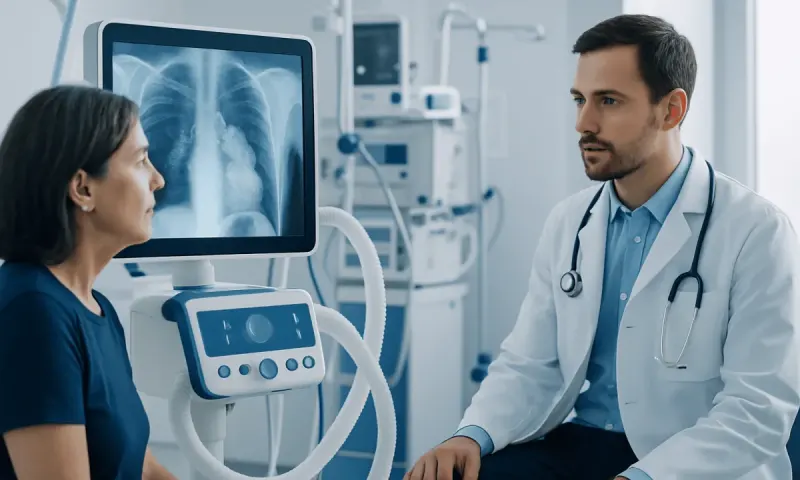
Once cancer is confirmed, imaging tests are used to determine its stage. These may include a CT scan of the chest, abdomen and pelvis. For rectal cancer, pelvic MRI is particularly important because it shows how close the tumour is to nearby structures and helps plan treatment. Blood tests, including carcinoembryonic antigen (CEA), may provide a useful baseline for later follow-up.
The pathology report from surgery provides the most detailed staging information. It describes how deeply the cancer has grown, whether lymph nodes contain cancer cells, whether removal margins are clear and whether features associated with recurrence risk are present. Tumours may also be tested for mismatch repair deficiency or microsatellite instability and other genetic changes that could affect treatment decisions or prompt assessment for inherited cancer syndromes.
For a broader explanation of the condition and how it is assessed, patients may find bowel cancer information helpful alongside discussions with their oncology team.
Symptoms and effects of the cancer
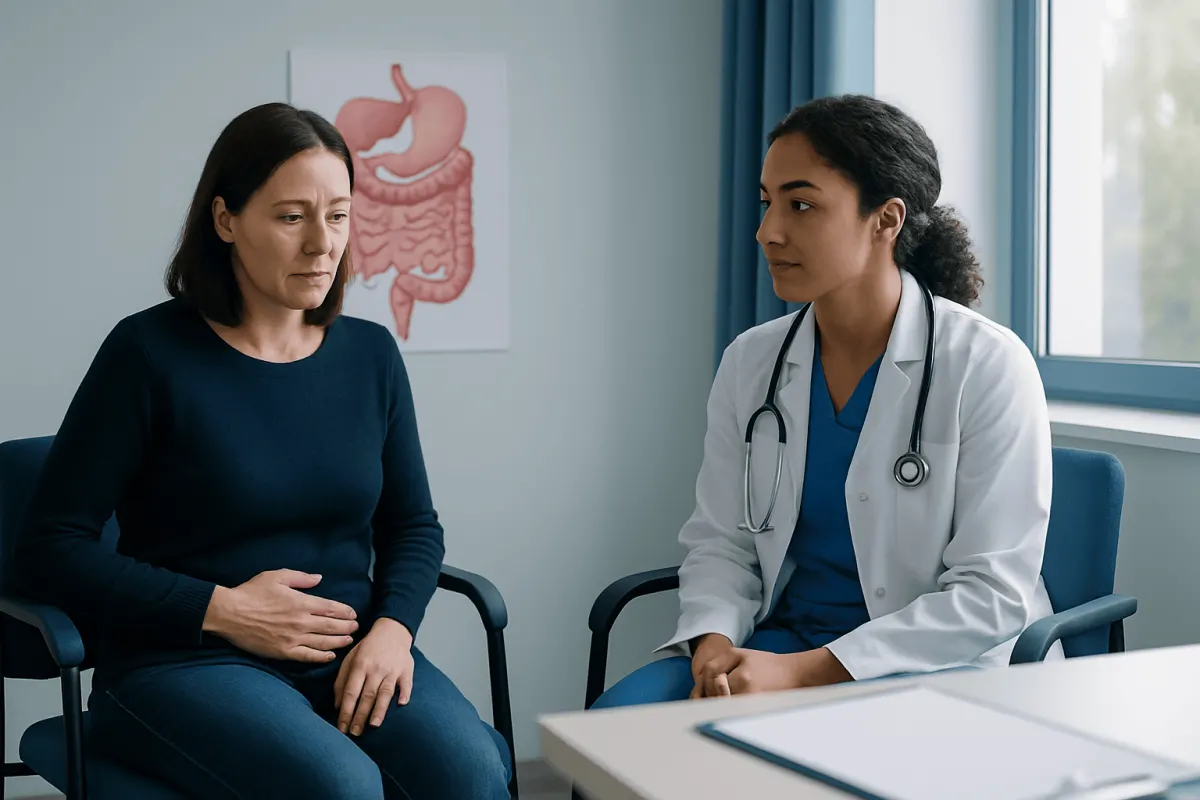
Stage 3 bowel cancer can cause symptoms, but some people are diagnosed through screening before they notice major changes. Symptoms vary with the tumour’s location. Cancers on the right side of the colon may cause tiredness or iron-deficiency anaemia due to slow blood loss, while cancers on the left side may be more likely to alter bowel habits or narrow the bowel.
Possible symptoms include blood in or on the stool, a persistent change in bowel habits, abdominal discomfort, unexplained weight loss, fatigue, a feeling that the bowel does not empty fully, or symptoms of anaemia such as breathlessness on exertion. Rectal cancer may cause rectal bleeding, urgency, mucus, pain or a sensation of pressure in the pelvis.
These symptoms are common and do not automatically mean cancer. Conditions such as haemorrhoids, inflammatory bowel disease, infections and irritable bowel syndrome can cause similar concerns. However, persistent symptoms should be assessed rather than self-diagnosed, especially when there is visible blood, worsening fatigue or an unexplained change in bowel function.
Modern treatment approaches for stage 3 disease
Treatment is planned by a multidisciplinary team that may include colorectal surgeons, medical oncologists, radiation oncologists, radiologists, pathologists, specialist nurses and dietitians. The team considers cancer stage, tumour location, imaging findings, pathology results, medical fitness and the person’s priorities. This coordinated planning is particularly important because colon and rectal cancers are often treated differently.
For stage 3 colon cancer, surgery is usually the first main treatment. The surgeon removes the section of bowel containing the tumour, along with nearby lymph nodes, and reconnects the remaining bowel when appropriate. Some people need a temporary or permanent stoma, depending on the operation and individual circumstances. Surgical techniques may include open, laparoscopic or robotic approaches, selected according to the clinical situation and surgical expertise.
After colon cancer surgery, chemotherapy is commonly recommended to treat possible microscopic cancer cells that cannot be seen on scans. This is called adjuvant chemotherapy and is intended to reduce the risk of cancer returning. Common regimens use fluoropyrimidine-based treatment, sometimes combined with oxaliplatin. The duration and combination are individualized according to recurrence risk, expected benefit, treatment tolerance and possible side effects, including nerve symptoms from oxaliplatin.
For stage 3 rectal cancer, chemotherapy and radiotherapy may be given before surgery, often as part of total neoadjuvant therapy. Providing treatment before surgery can shrink the tumour, improve local control and help preserve bowel function in selected cases. Some patients receive chemotherapy first, while others receive chemoradiotherapy first; the sequence depends on MRI findings and the treatment plan. Surgery is then performed when needed, with careful attention to removing the rectal tumour and surrounding tissue safely. Patients can discuss appropriate colorectal cancer treatment options with a specialist team.
Outlook, follow-up and life after treatment
The outlook for stage 3 bowel cancer varies widely. It is influenced by the number of involved lymph nodes, the extent of local tumour growth, whether the cancer was fully removed, tumour biology, response to preoperative treatment when used, general health and completion of recommended therapy. Statistics may describe outcomes in large groups, but they cannot determine what will happen for one individual.
After treatment, regular follow-up is important. It may include clinical reviews, CEA blood testing where appropriate, CT imaging at planned intervals and surveillance colonoscopy. The schedule varies by local guidance and individual recurrence risk. Follow-up also provides an opportunity to discuss bowel changes, stoma care, neuropathy, fatigue, sexual health, fertility concerns, nutrition and emotional wellbeing.
Recovery can take time. Bowel habits may be different after surgery, particularly after rectal cancer treatment, and some people experience urgency, frequency or difficulty controlling stools. A colorectal nurse, physiotherapist, dietitian and rehabilitation team can help manage these effects. Promptly reporting new or persistent symptoms is useful, but many symptoms after treatment have non-cancer causes and can often be addressed.
Acıbadem Health Point’s multidisciplinary specialists and JCI-accredited hospitals evaluate and treat bowel cancer for international patients, with care plans developed around the individual diagnosis and needs.
Supporting health during and after treatment
There is no guaranteed lifestyle method to prevent recurrence, and people should not blame themselves for developing bowel cancer. However, supportive habits can improve general wellbeing and help the body recover. A dietitian can offer practical advice if appetite, weight or bowel function changes during treatment.
When medically appropriate, regular physical activity can support strength, mood, sleep and recovery. A balanced eating pattern that includes vegetables, fruit, pulses, whole grains and suitable protein sources is generally encouraged, with adjustments for a stoma, diarrhoea, constipation or bowel narrowing. Adequate fluids are also important, particularly if bowel output is increased.
Stopping smoking and limiting alcohol can support overall health. People should tell their clinical team about vitamins, herbal products and supplements before using them, as some can interact with cancer treatments or affect surgery. Emotional support from family, support groups, counsellors or psycho-oncology professionals can be equally valuable during diagnosis and recovery.
- Attend planned treatment and follow-up appointments.
- Ask the care team which symptoms need urgent attention.
- Discuss work, travel, fertility, sexuality and stoma concerns openly.
- Seek dietary advice rather than following restrictive diets without guidance.
When to seek medical care
Anyone with rectal bleeding, black or very dark stools, a persistent change in bowel habits, unexplained iron-deficiency anaemia, ongoing abdominal pain, unexplained weight loss or new fatigue should arrange a medical assessment. These symptoms do not necessarily indicate bowel cancer, but early evaluation can identify the cause and allow treatment to begin promptly if needed.
People already being treated for stage 3 bowel cancer should contact their treatment team promptly for fever during chemotherapy, severe or persistent diarrhoea or vomiting, inability to drink fluids, signs of dehydration, increasing abdominal swelling or pain, or symptoms of infection. Sudden severe abdominal pain, heavy bleeding, chest pain, severe breathing difficulty or fainting require urgent medical attention.
It is also important to raise concerns that may feel less urgent, such as worsening numbness or tingling, distress, sleep problems, changes in sexual function or difficulties with a stoma. Supportive care is part of cancer treatment, and addressing these issues early can improve comfort and quality of life.
Frequently asked questions
01Is stage 3 bowel cancer curable?
Stage 3 bowel cancer is often treated with the aim of cure because it has not spread to distant organs. Treatment usually combines surgery with chemotherapy, and some rectal cancers also require radiotherapy or chemotherapy before surgery. Individual outcomes depend on several clinical and biological factors.
02What is the difference between stage 3 colon cancer and stage 3 rectal cancer?
Both involve cancer that has reached nearby lymph nodes without distant spread. Colon cancer is commonly treated with surgery followed by chemotherapy, while rectal cancer often needs detailed MRI planning and may receive chemotherapy and radiotherapy before surgery. The location affects the operation, possible bowel effects and treatment sequence.
03Does stage 3 bowel cancer always require chemotherapy?
Chemotherapy is commonly recommended for stage 3 bowel cancer because it can reduce the risk of recurrence after surgery. However, the exact regimen, timing and duration depend on pathology results, overall health, potential side effects and personal preferences. The oncology team explains the likely benefits and risks for the individual situation.
04How long does treatment for stage 3 bowel cancer take?
The overall timeline varies according to whether the cancer is in the colon or rectum and whether treatment is given before surgery. Surgery recovery, chemotherapy cycles, radiotherapy and follow-up are all scheduled individually. The treating team can provide the most accurate timeline once staging and treatment planning are complete.
05Can bowel cancer return after stage 3 treatment?
Yes, recurrence remains possible after treatment, which is why adjuvant therapy and follow-up are important. Recurrence risk differs between individuals and cannot be estimated from stage alone. Scheduled reviews, imaging, blood tests and colonoscopy help the team monitor recovery and identify concerns early.
06What questions should a person ask after a stage 3 bowel cancer diagnosis?
Useful questions include the exact stage and tumour location, whether the cancer has specific molecular features, the treatment goal and the expected benefits and side effects of each option. People may also ask about stoma likelihood, nutrition, fertility, work, recovery time and the follow-up plan. Bringing a family member or writing questions down can make appointments easier to navigate.
This article is for general information only and is not a substitute for professional medical advice. Please consult a qualified doctor about your individual situation.
Persistent digestive symptoms? Get evaluated in Turkey
JCI-accredited · board-certified surgeons · reply within 24h
Add us as a Preferred Source to see more of our trusted health content across Google Search, AI Overviews and Discover.