Spinal Cancer Signs and Symptoms, Diagnosis and Outlook
Spinal cancer signs and symptoms can include persistent or worsening back pain, pain that travels into the arms or legs, numbness, weakness, balance difficulties, and changes in bladder or bowel control. These symptoms have many possible causes, but new neurological symptoms or severe back pain should be assessed promptly to protect spinal cord function.
Overview: recognizing spinal cancer signs and symptoms
Spinal cancer signs and symptoms may develop when a tumor affects the bones of the spine, spinal cord, nerve roots, or the tissues surrounding them. The most common concern is persistent back or neck pain that does not improve as expected, particularly when it becomes more severe at night, occurs at rest, or is accompanied by neurological changes such as weakness, numbness, or difficulty walking.
“Spinal cancer” is often used broadly to describe tumors involving the spine. Some begin in spinal tissues, but these primary tumors are uncommon. More often, cancer that began elsewhere in the body spreads to the vertebrae. Not every spinal tumor is cancerous: benign tumors can also press on nerves or destabilize the spine and may still need specialist assessment.
Back pain is extremely common and is usually caused by muscle strain, age-related changes, or other non-cancerous conditions. The purpose of evaluating warning signs is not to assume cancer, but to identify spinal cord or nerve compression early, when treatment can help preserve function.
What are the symptoms of spine cancer?
Symptoms depend on where a tumor is located, how quickly it grows, and whether it affects bone, nerves, or the spinal cord. Pain may be centered in the neck, middle back, or lower back. It can be constant, gradually progressive, and may spread into an arm, chest, buttock, or leg if a nerve root is involved.
Possible symptoms of spine cancer or another spinal tumor include:
- Back or neck pain that persists, progresses, or wakes a person from sleep
- Pain that radiates into an arm or leg, sometimes described as burning, shooting, or electric
- Numbness, tingling, reduced sensation, or a band-like feeling around the chest or abdomen
- Weakness in an arm or leg, heaviness, clumsiness, or trouble with fine hand movements
- Difficulty walking, poor balance, falls, or changes in coordination
- Reduced ability to tolerate activity because of pain or weakness
- Loss of bladder or bowel control, difficulty passing urine, or numbness around the groin or buttocks
General symptoms such as unexplained weight loss, fatigue, fever, or loss of appetite can occur with some cancers but are not specific to spinal disease. People with a current or previous Prostate Cancer Diagnosis: Tests and Next Steps" class="ahp-ilk">cancer diagnosis should tell their clinician about any new, persistent back pain or neurological symptom.
Why is spinal tumor pain worse at night?

Spinal tumor pain may feel worse at night because lying down and remaining still can change pressure within the spine and make a painful area more noticeable. During the day, movement, work, and other activities can also distract from discomfort, whereas nighttime quiet can make persistent pain feel more prominent.
In some cases, a tumor can cause inflammation, affect the bone, or place pressure on sensitive structures. Pain may therefore continue even when the person is resting, unlike many mechanical back problems that improve with a change in position or reduced activity. However, night pain alone does not mean a person has cancer; arthritis, disc conditions, injuries, infection, and sleep position can also contribute.
Night pain deserves medical attention when it is new, worsening, persistent for several weeks, or occurs with neurological symptoms, a history of cancer, fever, or unexplained weight loss. A clinician can assess the overall pattern and decide whether imaging is appropriate.
Causes, tumor types, and risk factors
Spinal tumors are described by where they arise. Tumors may be located within the vertebral bones, outside the spinal cord but within its protective covering, or within the spinal cord itself. Tumors in the vertebrae are frequently metastatic, meaning they have spread from a cancer that started in another organ. Primary spinal tumors are less common and can be benign or malignant.
Examples of tumors that can involve the spine include metastases, meningiomas, nerve sheath tumors such as schwannomas, ependymomas, hemangioblastomas, chordomas, and bone tumors. Their behavior, treatment needs, and outlook vary widely. A diagnosis should therefore be based on imaging and, when needed, a tissue sample rather than symptoms alone.
Known cancer elsewhere in the body is an important risk factor for metastatic spinal disease. Certain inherited conditions can raise the likelihood of particular nervous-system tumors, although these are uncommon. Many people diagnosed with a spinal tumor have no clear preventable cause, and there is no reliable self-check that can determine whether back pain is due to a tumor.
Diagnosis and assessing spinal cord compression
Assessment usually begins with a medical history and neurological examination. The clinician may ask about pain timing, prior cancer, changes in walking, sensation, strength, and bladder or bowel function. They will assess reflexes, muscle strength, balance, coordination, and areas of altered sensation.
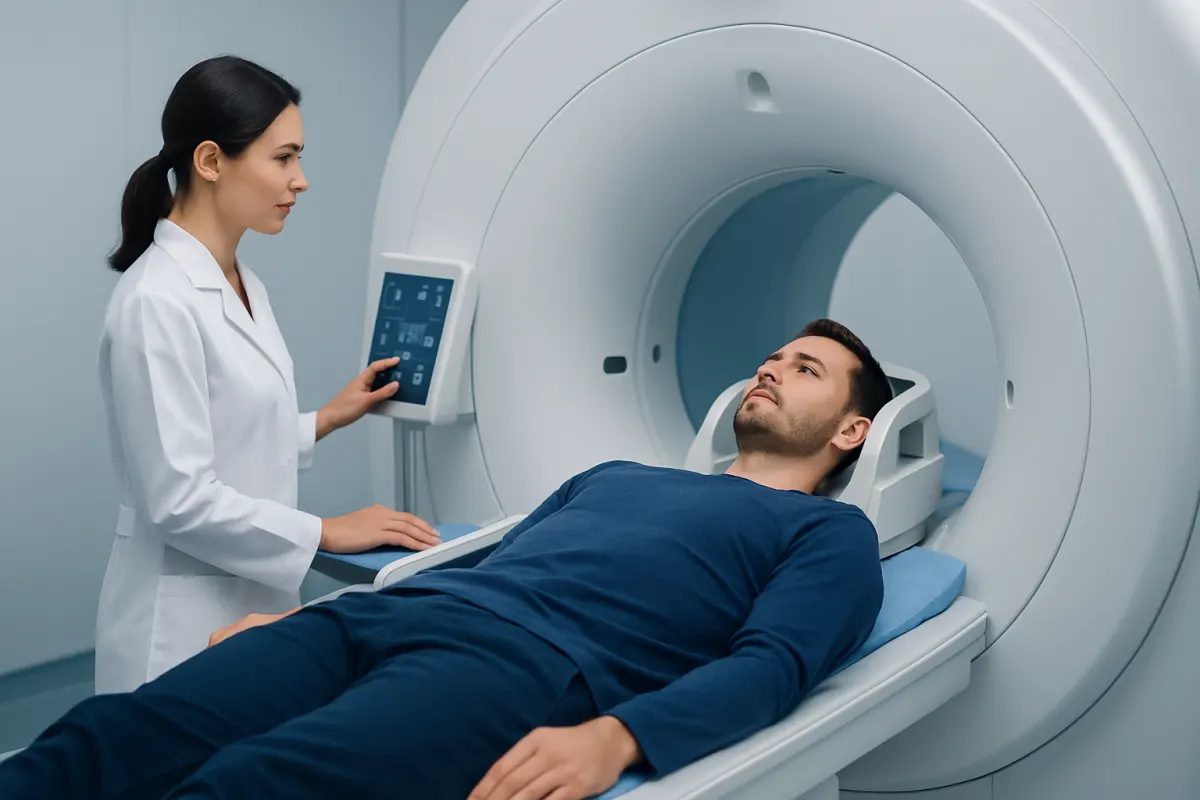
MRI is commonly the most informative imaging test because it shows the spinal cord, nerves, soft tissues, and vertebrae in detail. CT scans may help evaluate bone involvement and guide surgical planning. Depending on the clinical situation, doctors may also use X-rays, a bone scan, PET imaging, or blood tests to look for another source of cancer or assess overall health.
If imaging identifies a tumor, a biopsy may be needed to establish its exact type. This is especially important when treatment choices depend on the pathology. When spinal cord compression is suspected, evaluation and treatment are often expedited because ongoing pressure can lead to lasting neurological impairment. Related symptoms can also occur with spinal cord compression, which requires urgent assessment.
Modern treatment approaches and recovery
Treatment is individualized according to the tumor type, location, size, rate of growth, spinal stability, symptoms, and a person’s overall health. Small benign tumors that are not causing symptoms may be monitored with periodic examinations and imaging. Others require active treatment to relieve pressure on the spinal cord or nerves, manage pain, preserve stability, and control tumor growth.
Surgery may remove all or part of a tumor, obtain tissue for diagnosis, decompress the spinal cord, or stabilize the spine. It is often combined with other approaches when appropriate. Spine surgery may involve minimally invasive or open techniques depending on the anatomy and the treatment goal. Radiation therapy can be used after surgery, as the main treatment for selected tumors, or to control metastatic disease; advanced planning techniques can help focus treatment on the target while limiting exposure to nearby tissues.
Systemic treatments such as chemotherapy, targeted therapy, immunotherapy, hormone therapy, or bone-strengthening medicines may be considered when a tumor has spread from another cancer. Pain management, physiotherapy, occupational therapy, and rehabilitation are also important parts of care. Treatment plans are generally developed by a multidisciplinary team that may include spine surgeons, neurosurgeons, oncologists, radiation oncologists, radiologists, and rehabilitation specialists.
How long does it take to recover from spinal tumor surgery? Recovery varies considerably. Some people are mobile within days, while recovery from more extensive tumor removal or spinal reconstruction can take weeks to months. Nerve and spinal cord symptoms may improve gradually and can take longer than wound healing; rehabilitation, the need for additional cancer treatment, and the person’s health before surgery all influence the timeline.
Outlook, follow-up, and when to seek medical care
Outlook depends on whether the tumor is benign or malignant, whether it began in the spine or spread from another site, its location, and the degree of spinal cord or nerve involvement at diagnosis. For many benign tumors, successful treatment or careful monitoring allows people to maintain a good quality of life. Follow-up imaging and neurological review may be recommended because some tumors can recur or change over time.
What is the life expectancy for a benign tumor on the spine? A benign spinal tumor does not automatically shorten life expectancy. Many benign tumors grow slowly and can be observed or treated effectively, but their location may still affect function if they compress the spinal cord or nerves. A specialist can provide a more meaningful outlook after reviewing the tumor type, imaging findings, symptoms, and treatment response.
When to seek medical care: A medical review is appropriate for persistent or worsening back or neck pain, pain at rest or overnight, or pain with unexplained weight loss, fever, or a history of cancer. Urgent medical assessment is needed for new or rapidly worsening weakness, difficulty walking, numbness in the groin or saddle area, loss of coordination, or new bladder or bowel problems. These symptoms can indicate significant nerve or spinal cord compression and should not be managed with home care alone.
Acıbadem Health Point’s multidisciplinary specialists and JCI-accredited hospitals assess and treat spinal tumors for international patients, with care plans based on tumor type, neurological findings, and individual treatment goals.
Frequently asked questions
01Can spinal cancer symptoms come and go?
Symptoms can fluctuate, especially pain or tingling related to changing body position and activity. However, a pattern of persistent, progressive, or recurrent symptoms should be assessed, particularly if weakness, altered walking, or bladder and bowel changes occur. Improvement on some days does not rule out a spinal condition.
02Is back pain usually a sign of spinal cancer?
No. Most back pain is not caused by cancer and is more commonly related to muscle strain, joint changes, disc problems, or posture. Back pain should be evaluated when it persists, worsens, occurs at rest or at night, or is associated with neurological symptoms or a prior cancer diagnosis.
03Can an MRI detect a spinal tumor?
MRI is one of the main tests used to identify and characterize suspected spinal tumors. It can show the spinal cord, nerve roots, soft tissues, and vertebral bones in detail. A biopsy may still be required to determine the exact tumor type.
04Are all spinal tumors cancerous?
No. Spinal tumors can be benign, malignant, or metastatic. Even a benign tumor may need treatment if it presses on the spinal cord or nerves, causes pain, or affects spinal stability.
05Can spinal tumor symptoms improve after treatment?
Pain and neurological symptoms may improve when pressure on the spinal cord or nerves is relieved and the tumor is controlled. The degree of recovery depends on the tumor type, location, duration of nerve compression, and the treatment used. Rehabilitation can support strength, mobility, and independence after treatment.
06What symptoms require emergency care?
Emergency assessment is important for sudden or rapidly worsening limb weakness, inability to walk safely, new loss of bladder or bowel control, urinary retention, or numbness around the groin and buttocks. These symptoms may indicate spinal cord or cauda equina compression and require urgent evaluation.
This article is for general information only and is not a substitute for professional medical advice. Please consult a qualified doctor about your individual situation.
Persistent digestive symptoms? Get evaluated in Turkey
JCI-accredited · board-certified surgeons · reply within 24h
Add us as a Preferred Source to see more of our trusted health content across Google Search, AI Overviews and Discover.