Cancer Rash: Signs, Diagnosis, Outlook and Treatment
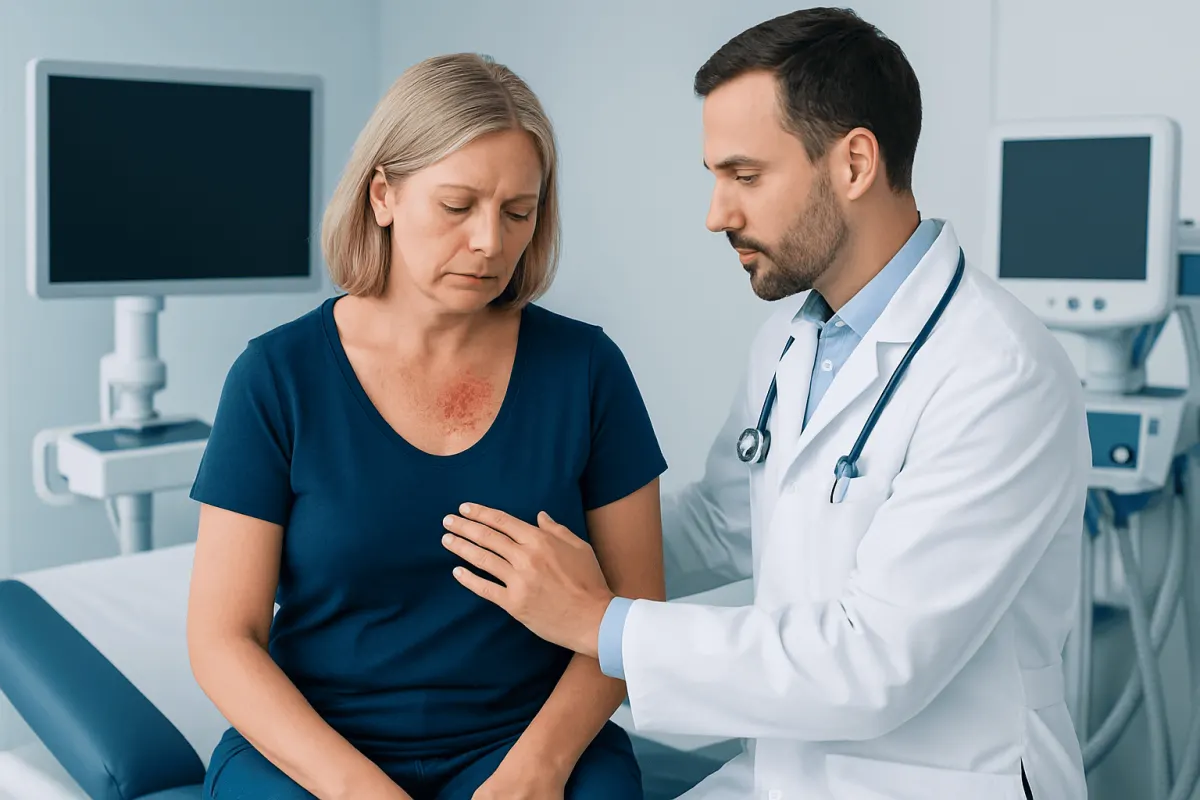
A cancer rash is not one specific diagnosis: it may describe a suspicious skin change caused by skin cancer, a rash linked to an internal cancer, or a reaction to cancer treatment. Most rashes are not cancer, but a new, persistent, changing, bleeding, or unexplained rash should be assessed by a qualified clinician.
Cancer Rash: What It Can Mean
The phrase cancer rash is commonly used for several different skin concerns. It may refer to a visible change caused by a skin cancer, a rash that occurs as a sign of an internal cancer, cancer that has spread to the skin, or a rash caused by chemotherapy, immunotherapy, targeted therapy, radiation, or other medicines. These situations look and are managed differently.
Most rashes are not cancer. Common explanations include dermatitis, psoriasis, fungal infections, viral illness, heat, contact allergy, insect bites, and medication reactions. Still, a rash that does not improve, repeatedly returns in the same place, or develops concerning features deserves medical review rather than prolonged self-treatment.
A clinician will consider the rash’s appearance, how long it has been present, where it occurs, symptoms such as itch or pain, personal and family history, medicines, sun exposure, and any wider health changes. Early assessment can clarify the cause and help guide appropriate care.
How a Cancer-Related Rash May Look
Skin cancer does not always look like a classic rash. Basal cell carcinoma may appear as a pearly or translucent bump, a sore that heals and returns, or a pink patch. Squamous cell carcinoma may look like a persistent rough, scaly, crusted, red area or a growing tender lump. Melanoma often appears as a changing pigmented spot, although some melanomas are pink, red, or skin-colored rather than dark.
Changes that warrant attention include a patch that persists for several weeks, a lesion that bleeds with little trauma, an area that crusts or ulcerates, an enlarging bump, or a mole that changes in asymmetry, border, color, diameter, or evolution. A lesion may itch or hurt, but many skin cancers cause no discomfort at first.
Some internal cancers can rarely be associated with skin findings. Examples include persistent unexplained itching, certain widespread eruptions, or firm skin nodules. These signs are nonspecific and do not diagnose cancer on their own. A rash should be evaluated in context, with attention to accompanying symptoms and examination findings.
What Cancer Starts With a Rash?

No single cancer reliably “starts with a rash.” The cancers most likely to first become noticeable through a skin change are skin cancers, including basal cell carcinoma, squamous cell carcinoma, and melanoma. A persistent or changing lesion is more clinically meaningful than a brief, generalized rash that comes and goes.
Rarely, cutaneous T-cell lymphoma can begin with dry, scaly, itchy patches that resemble eczema or psoriasis and may persist for a long time. Some blood cancers and solid tumors can also cause skin manifestations, but these are uncommon and usually require specialist assessment to distinguish them from far more common benign conditions.
A rash accompanied by persistent swollen lymph nodes, unexplained weight loss, recurrent fever, drenching night sweats, severe fatigue, or a new lump should be discussed with a doctor. These symptoms have many possible causes, but their combination or persistence can help determine whether additional testing is appropriate. Information on skin cancer can also help patients understand common warning signs.
Diagnosis: How Doctors Assess a Suspicious Rash
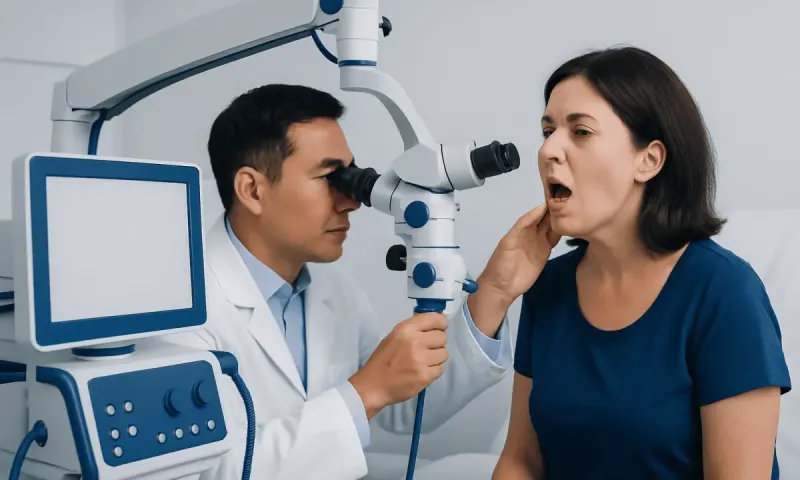
Diagnosis begins with a medical history and close inspection of the skin. A dermatologist may use dermoscopy, a handheld magnifying device with light, to examine pigment patterns and surface structures that are not easily visible to the naked eye. Photographs or measurements may be used to monitor a lesion over time when immediate biopsy is not required.
If cancer is suspected, a skin biopsy is usually needed. During this minor procedure, the clinician removes all or part of the affected area under local anesthetic and sends the sample to a pathology laboratory. The pathology result identifies whether cancer is present and, if so, its type and other features that affect treatment planning.
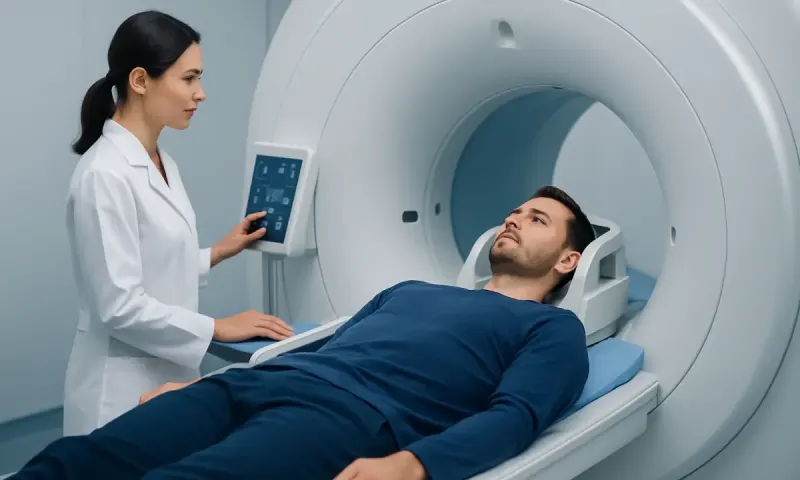
Further tests are not necessary for every skin cancer. Imaging scans, lymph node assessment, blood tests, or referral to an oncology team may be considered for larger, high-risk, recurrent, or advanced cancers, or when symptoms suggest another underlying condition. The diagnostic plan should be individualized rather than based on rash appearance alone.
What Are the Treatment Options for a Skin Cancer Rash?
Treatment for a skin cancer that appears rash-like depends on the confirmed diagnosis. For many early basal cell and squamous cell cancers, surgery to remove the lesion is the main treatment. The removed tissue is examined to confirm the cancer has been adequately treated. The method selected depends on the site, size, subtype, borders, and whether the cancer has returned after prior treatment.
Other options may include curettage and electrodessication for selected superficial lesions, cryotherapy in carefully chosen circumstances, photodynamic therapy, or prescription topical medicines for certain superficial cancers or precancerous changes. Radiation therapy may be considered when surgery is unsuitable or for particular higher-risk situations. These approaches are not interchangeable, and they are not appropriate for every lesion.
Advanced skin cancers may be treated with systemic medicines such as immunotherapy or targeted therapy, sometimes alongside surgery or radiation. A multidisciplinary discussion can be valuable when disease is extensive, recurrent, located in a complex area, or associated with a significant risk of spread. Skin cancer treatment is planned according to pathology results and each person’s needs.
If a rash is instead caused by cancer treatment, the oncology team may recommend moisturizers, topical treatments, antihistamines, infection assessment, sun protection, or changes in supportive care. Patients should not stop anti-cancer medicines without speaking to their treating team, unless they are told to seek urgent emergency care for a severe reaction.
What Is the Newest Treatment for Skin Cancer?
There is no single newest treatment that suits every type of skin cancer. In recent years, immunotherapy has become an important option for certain advanced melanomas, squamous cell carcinomas, and basal cell carcinomas. These medicines help the immune system recognize and attack cancer cells, but they can also cause immune-related side effects and require close monitoring by an experienced oncology team.
Targeted therapies are another modern approach for tumors with specific genetic or molecular features. They may be used in selected patients, particularly when cancer cannot be removed surgically or has spread. Research continues into new medicines, combinations of treatments, and ways to tailor care more precisely to the individual tumor.
For early skin cancer, the most effective “modern” treatment is often not a new drug but accurate diagnosis and a carefully chosen local procedure. Cure rates, side effects, cosmetic results, and follow-up needs vary by cancer type and location. A specialist can explain which options are evidence-based for the particular diagnosis rather than assuming newer treatment is always better.
What Is the New Procedure Instead of Mohs Surgery?
There is no universal new procedure that replaces Mohs micrographic surgery. Mohs surgery remains an established option for selected skin cancers, particularly those on cosmetically or functionally important areas such as the face, and for cancers with poorly defined edges, recurrence, or higher-risk features. It removes tissue in stages while examining the margins during the procedure.
Depending on the cancer, alternatives may include standard surgical excision with pathology margin assessment, radiation therapy, topical therapy, photodynamic therapy, curettage and electrodessication, or systemic treatment. These methods have different strengths and limitations. For example, a non-surgical approach may be reasonable for some superficial lesions but may not provide the same margin control as surgery.
Newer imaging and noninvasive assessment tools are being studied and used in selected specialist settings to support diagnosis and treatment planning. However, they do not eliminate the need for biopsy or proven treatment when cancer is suspected. The best procedure is determined by the pathology report, lesion site, tumor risk, medical history, and the patient’s preferences.
When to Seek Medical Care
A person should arrange a medical appointment for a new skin change that lasts longer than a few weeks, grows, changes color or shape, bleeds, forms a crust, becomes ulcerated, or does not heal. Review is also advisable for a rash that does not respond to reasonable treatment, repeatedly returns, or is associated with a new lump or enlarged lymph nodes.
Urgent medical assessment is appropriate for a rapidly spreading rash with fever, blistering or peeling skin, swelling of the face or mouth, trouble breathing, severe pain, or signs of infection such as increasing redness, warmth, pus, or systemic illness. These features can occur with serious non-cancer conditions and should not be ignored.
Regular sun protection, avoiding tanning devices, and checking the skin for new or changing lesions can support skin health. People with a prior skin cancer, a weakened immune system, substantial sun exposure, or a strong family history may benefit from individualized dermatology follow-up. Acıbadem Health Point’s multidisciplinary specialists and JCI-accredited hospitals provide diagnostic and treatment services for international patients with suspected or confirmed skin cancer.
Frequently asked questions
01Can cancer cause a rash all over the body?
Cancer can occasionally be associated with widespread itching or skin eruptions, but this is uncommon. Generalized rashes are much more often caused by allergy, infection, medicines, inflammatory skin conditions, or environmental exposure. A widespread rash that persists or occurs with other unexplained symptoms should be assessed by a clinician.
02Is an itchy rash a sign of cancer?
Itching alone is not usually a sign of cancer. Dry skin, eczema, allergies, insect bites, and many other common conditions are more likely explanations. Persistent, unexplained itch, especially with a changing skin lesion or other ongoing symptoms, merits medical advice.
03Can skin cancer look like eczema?
Yes, some skin cancers, particularly superficial basal cell carcinoma or squamous cell carcinoma in situ, can resemble an eczema-like scaly patch. A patch that remains in one area and does not improve with appropriate treatment should be examined. A biopsy may be needed to confirm the diagnosis.
04How is a cancer rash diagnosed?
A clinician assesses the skin change, medical history, medicines, and related symptoms. Dermoscopy may help examine suspicious areas, but a biopsy is usually required to confirm or rule out skin cancer. Additional tests depend on the biopsy findings and the person’s overall clinical situation.
05Can a cancer treatment cause a rash?
Yes. Chemotherapy, immunotherapy, targeted therapy, radiation, and supportive medicines can all cause skin reactions in some people. Patients should report a new or worsening rash to their oncology team, because treatment-related rashes range from mild to potentially serious and need individualized advice.
06Should a rash be treated before seeing a dermatologist?
Basic skin care, such as gentle cleansing and avoiding known irritants, may be reasonable for a mild new rash. However, persistent, changing, bleeding, painful, or non-healing areas should not be repeatedly self-treated without assessment. Topical treatments can sometimes alter a lesion’s appearance and delay diagnosis.
This article is for general information only and is not a substitute for professional medical advice. Please consult a qualified doctor about your individual situation.
Persistent digestive symptoms? Get evaluated in Turkey
JCI-accredited · board-certified surgeons · reply within 24h
Add us as a Preferred Source to see more of our trusted health content across Google Search, AI Overviews and Discover.