Early Signs and Symptoms of Tongue Cancer: Diagnosis, Outlook, and Modern Treatment Approaches
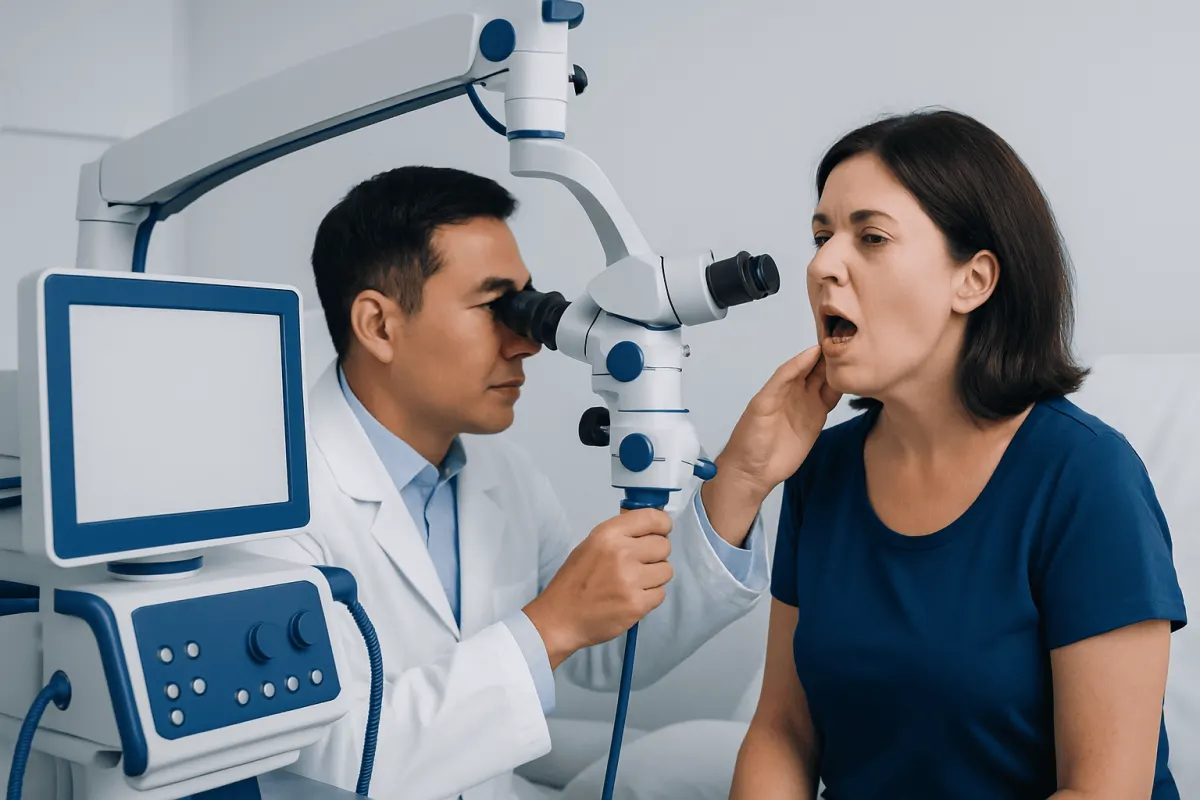
Early signs and symptoms of tongue cancer can include a sore, lump, thickened area, red or white patch, numbness, or pain that does not improve within two weeks. Many mouth changes are not cancer, but persistent or unexplained symptoms deserve timely assessment by a dentist, doctor, or oral and head and neck specialist.
Overview: What Are the Early Signs and Symptoms of Tongue Cancer?
Early signs and symptoms of tongue cancer may include a sore or ulcer that does not heal, a new lump or thickened area, persistent tongue pain, or a red or white patch in the mouth. Some people notice bleeding, numbness, pain on swallowing, or a feeling that something is caught in the throat. These symptoms are often caused by conditions other than cancer, such as injury, infection, or irritation, but they should not be ignored when they persist.
Tongue cancer is a type of oral or oropharyngeal cancer, depending on where it begins. Cancers on the front two-thirds of the tongue are generally classified as oral cavity cancers. Cancers at the base of the tongue, near the throat, are usually classified as oropharyngeal cancers. The location can affect symptoms, testing, treatment planning, and outlook.
Early assessment matters because changes in the mouth may be easier to treat before cancer has spread. A clinician can examine the tongue, mouth, throat, and neck and decide whether a biopsy or other tests are needed. A symptom lasting more than two weeks, particularly without a clear cause, warrants an appointment.
Symptoms That May Develop as Tongue Cancer Progresses
Symptoms vary according to the tumor’s size and location. Cancer on the side or upper surface of the tongue may be visible or felt as a persistent ulcer, firm spot, or mass. Cancer at the base of the tongue can be less easy to see and may first cause throat discomfort, trouble swallowing, a change in voice, or ear pain on one side without an ear infection.
Other possible symptoms include ongoing bad breath, loose teeth without an obvious dental explanation, jaw stiffness, difficulty moving the tongue, unexplained weight loss, or a neck lump caused by enlarged lymph nodes. A neck lump that persists should be evaluated even when mouth symptoms are mild or absent.
Symptoms alone cannot diagnose tongue cancer. For example, mouth ulcers are common and may result from biting the tongue, dental appliances, stress, nutritional deficiencies, or viral illnesses. The key concern is persistence, progression, or a change that does not match an obvious temporary cause.
Causes and Risk Factors

Most tongue cancers are squamous cell carcinomas, meaning they begin in the thin, flat cells that line the mouth and throat. Cancer develops when changes in these cells allow them to grow and divide abnormally. In many cases, there is no single identifiable cause.
Tobacco use, including smoking and smokeless tobacco, is an important risk factor. Heavy alcohol use also raises risk, and combined tobacco and alcohol exposure is particularly harmful. Human papillomavirus, especially HPV-16, is linked to many cancers of the oropharynx, including some cancers of the tongue base.
Additional factors may include older age, prior head and neck cancer, poor oral health, chronic irritation from poorly fitting dental appliances, a weakened immune system, and diets low in fruits and vegetables. Risk factors do not mean a person will develop cancer, and tongue cancer can occur in people without known risks.
- Smoking, vaping nicotine products, and use of chewing tobacco
- Frequent or heavy alcohol consumption
- HPV infection, particularly for cancers at the tongue base
- A previous oral, throat, or head and neck cancer
- A persistent mouth lesion that has not been assessed
How Tongue Cancer Is Diagnosed
A diagnosis starts with a medical and dental history and a careful examination of the mouth, tongue, throat, and neck. The clinician may use a light and small mirror or flexible camera to view areas farther back in the throat. They will also ask about how long symptoms have been present, tobacco and alcohol exposure, swallowing changes, and unintended weight loss.
If an area appears suspicious, a biopsy is needed to confirm whether cancer is present. During a biopsy, a small tissue sample is removed and examined by a pathologist. A biopsy is the only reliable way to diagnose cancer; scans and visual examination cannot confirm it on their own.
If cancer is found, imaging such as CT, MRI, PET-CT, ultrasound, or chest imaging may help determine the tumor’s size and whether nearby lymph nodes or distant organs are involved. This process is called staging. HPV testing may be performed for tumors in the oropharynx because HPV status can inform prognosis and treatment discussions.
Is Tongue Cancer Curable?
Yes, tongue cancer can often be curable, particularly when it is diagnosed at an early stage and treated completely. The likelihood of cure depends on factors including the cancer’s location, size, stage, spread to lymph nodes or distant sites, tumor biology, HPV status for oropharyngeal disease, overall health, and response to treatment.
Early-stage tumors are commonly treated with surgery or radiotherapy, and many people can be treated with curative intent. More advanced cancers may require combined treatment, such as surgery followed by radiotherapy with or without chemotherapy, or chemoradiotherapy as the main treatment. Even when disease is advanced, treatment can be used to control cancer, relieve symptoms, and support quality of life.
Follow-up is important after treatment because it helps identify recurrence, manage treatment effects, and support recovery of speech, swallowing, nutrition, and oral health. Individual outlook is best discussed with the cancer care team after staging is complete.
Modern Treatment Approaches and Supportive Care
Treatment is planned by a multidisciplinary team that may include head and neck surgeons, radiation oncologists, medical oncologists, dentists, speech and language therapists, dietitians, nurses, and rehabilitation specialists. The plan is individualized to remove or control the cancer while preserving speech, swallowing, appearance, and daily function whenever possible.
Surgery may remove the tumor and, when appropriate, lymph nodes in the neck. Reconstructive procedures may be considered when a larger portion of the tongue or nearby tissue needs to be removed. Cancer Treatment: How It Works, Results and What to Expect" class="ahp-ilk">Head and neck cancer treatment can also include radiotherapy, which uses carefully planned high-energy radiation to target cancer cells.
Chemotherapy may be given with radiotherapy to strengthen its effect in selected cases, or it may be used for recurrent or metastatic disease. Immunotherapy may be an option for some people with recurrent or metastatic head and neck cancer. Supportive care, including pain control, nutrition support, dental care, swallowing therapy, and speech rehabilitation, is an essential part of treatment from diagnosis onward.
Acıbadem Health Point’s multidisciplinary specialists and JCI-accredited hospitals diagnose and treat tongue and other head and neck cancers for international patients, with care plans guided by tumor characteristics and individual needs.
What Is the Survival Rate for Stage 4 Tongue Cancer?
There is no single survival rate that accurately describes every person with Stage 4 tongue cancer. Stage 4 includes several different situations: a larger local tumor, spread to multiple or larger lymph nodes, involvement of nearby structures, or spread to distant organs. Outcomes differ substantially between these groups and also depend on whether the cancer began in the oral tongue or tongue base.
Population survival figures are estimates based on groups of people treated in previous years. They cannot predict an individual outcome because treatment options, supportive care, tumor testing, and personal health factors vary. HPV-associated cancers of the tongue base may have a different outlook from HPV-negative disease, but HPV status is only one part of the overall picture.
A cancer specialist can provide the most meaningful prognosis after reviewing scans, biopsy findings, stage, treatment options, and treatment response. Asking about the goal of treatment, expected benefits, possible effects, and supportive-care services can help patients and families make informed decisions.
How Long Can Oral Cancer Go Undetected? When to Seek Medical Care
Oral cancer can go undetected for months because early changes may be painless, small, hidden at the tongue base, or mistaken for a routine mouth ulcer. There is no fixed time period: some lesions change quickly, while others remain subtle. Regular dental visits can help identify concerning areas, but people should also report persistent symptoms between checkups.
Medical or dental assessment is recommended for any mouth sore, patch, lump, pain, numbness, or swallowing difficulty that lasts longer than two weeks. Prompt evaluation is especially important for unexplained bleeding, a growing neck lump, persistent hoarseness, worsening pain, trouble opening the mouth, or unintentional weight loss.
People with difficulty breathing, inability to swallow saliva, severe bleeding, or rapidly increasing swelling should seek urgent medical care. For non-urgent but persistent symptoms, a dentist, primary care doctor, ear, nose and throat specialist, or oral and maxillofacial specialist can arrange the appropriate assessment and referral.
Risk can be reduced by avoiding tobacco, limiting alcohol, attending dental checkups, protecting oral health, and discussing HPV vaccination with a qualified clinician when appropriate. These measures do not replace evaluation of a persistent mouth change.
Frequently asked questions
01What are the early signs and symptoms of tongue cancer?
Early signs can include a mouth sore that does not heal, a lump or thickened area on the tongue, persistent pain, bleeding, numbness, or a red or white patch. Some people develop pain when swallowing or a neck lump. These symptoms can have non-cancer causes, but a change lasting more than two weeks should be checked.
02Is tongue cancer curable?
Tongue cancer is often curable when found early and treated appropriately. The chance of cure depends on the stage, tumor location, whether lymph nodes or distant organs are involved, and a person’s overall health. A specialist team can explain the likely treatment goal after diagnostic testing is complete.
03What is the survival rate for Stage 4 tongue cancer?
Stage 4 tongue cancer includes several different disease patterns, so one survival figure cannot describe every person’s outlook. Prognosis depends on where the cancer started, the extent of spread, HPV status for some tongue-base cancers, treatment options, and response to therapy. The treating oncology team can provide individualized context based on the full staging assessment.
04How long can oral cancer go undetected?
Oral cancer may go unnoticed for months because early lesions can be painless or resemble common mouth problems. Cancers at the base of the tongue can be especially difficult to see without a clinical examination. Any unexplained oral symptom lasting more than two weeks should be assessed.
05Does tongue cancer hurt in the early stages?
Tongue cancer can be painless at first, so the absence of pain does not rule it out. When pain occurs, it may feel like a persistent sore spot, burning sensation, or discomfort during eating and swallowing. Ongoing pain or tenderness should be assessed, particularly when accompanied by a visible change.
06Can a dentist detect tongue cancer?
Dentists may detect suspicious changes during routine oral examinations, including ulcers, patches, lumps, and areas of abnormal tissue. If a concern is identified, they may refer the person to an oral specialist or ear, nose and throat specialist for further testing. A biopsy is needed to confirm a diagnosis of cancer.
This article is for general information only and is not a substitute for professional medical advice. Please consult a qualified doctor about your individual situation.
Persistent digestive symptoms? Get evaluated in Turkey
JCI-accredited · board-certified surgeons · reply within 24h
Add us as a Preferred Source to see more of our trusted health content across Google Search, AI Overviews and Discover.