Schizophrenia Eyes: Understanding Gaze and Eye Changes
“Schizophrenia eyes” is an informal phrase, not a medical diagnosis or a reliable way to identify schizophrenia. Some people with schizophrenia may have changes in eye contact, gaze, blinking, or visual symptoms, but these are nonspecific and may also reflect stress, medications, sleep loss, or an eye condition.
What Does “Schizophrenia Eyes” Mean?
“Schizophrenia eyes” is a phrase sometimes used online to describe a person’s eye contact, facial expression, gaze, pupil size, or eye movements. It is not a medical term, and there is no single eye appearance that proves a person has schizophrenia. Schizophrenia is diagnosed through a careful clinical assessment of experiences, symptoms, daily functioning, medical history, and other possible explanations—not by looking at someone’s eyes.
Some people living with schizophrenia may seem to avoid eye contact, stare for longer than usual, blink differently, or appear distracted. These observations can arise from many factors, including anxiety, fatigue, sensory overload, medication effects, depression, autism, substance use, cultural communication styles, or simply an individual’s natural manner. They should never be used to judge, label, or diagnose someone.
Research does show that, on average, some people with schizophrenia have measurable differences in how the brain processes visual information or controls certain eye movements. These findings are mainly used in research and do not provide a stand-alone diagnostic test. A person’s experiences and wellbeing are far more important than assumptions based on appearance.
Eye-Related Changes That May Occur
Eye contact can feel difficult during periods of distress, suspiciousness, social anxiety, hallucinations, or disorganized thinking. A person may look away because they feel overwhelmed, are concentrating on internal experiences, or find direct gaze uncomfortable. Others may make more prolonged eye contact than expected. Neither pattern is specific to schizophrenia.
Researchers have studied smooth-pursuit eye movements, which are the slow movements used to follow a moving object, and rapid eye movements called saccades. Some people with schizophrenia show differences in these tasks, reflecting changes in attention and brain networks involved in visual processing. However, these tests are not routinely used to diagnose the condition because results overlap with those of people without schizophrenia and people with other health conditions.
Visual experiences may also be reported. These can include light sensitivity, trouble concentrating visually, or blurred vision. Visual hallucinations can occur, but hearing voices is more commonly reported in schizophrenia. New visual hallucinations, particularly in an older adult or alongside headache, fever, confusion, weakness, or major vision change, may suggest another medical or neurological cause and should be assessed promptly.
- Reduced or unusual eye contact may reflect discomfort or concentration, not a diagnosis.
- Blurred vision and dry eyes may be related to medicines, general health, or an eye problem.
- Double vision, eye pain, redness, or loss of vision are not typical signs to dismiss as part of a mental health condition.
Why Eye Symptoms Need a Wider Assessment
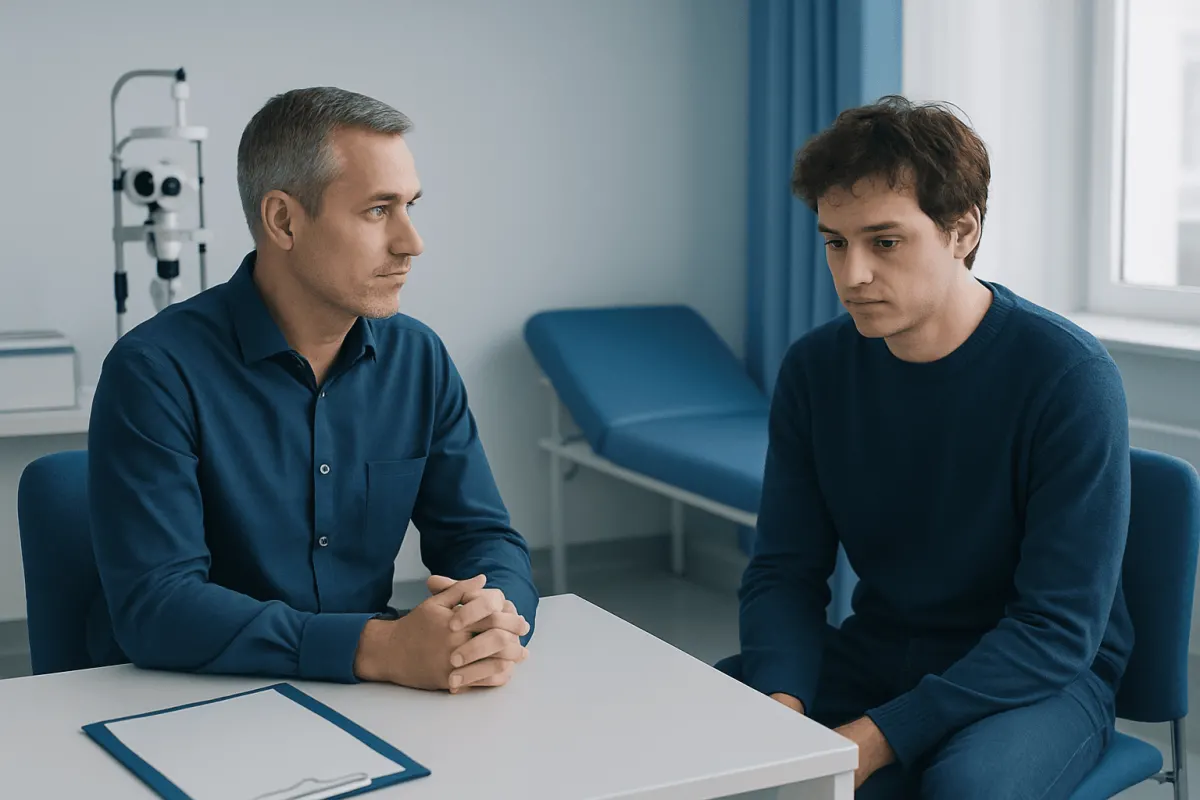
Eyes and vision can be affected by many common conditions. Eye Disease: Burning, Gritty Eyes, and Treatment Options" class="ahp-ilk">Dry eye disease, refractive errors, migraine, diabetes, thyroid disease, infections, glaucoma, cataracts, and neurological disorders can all cause visual symptoms. Alcohol, recreational drugs, stimulant use, withdrawal states, and poor sleep can also affect pupil size, eye movements, alertness, and visual perception.
For this reason, a new eye symptom should be considered on its own merits. It is important not to assume that every concern is caused by schizophrenia, and equally important not to stop prescribed psychiatric medication without speaking to a clinician. A primary care doctor, psychiatrist, optometrist, or ophthalmologist can help decide whether symptoms may be related to medication, an eye condition, another medical issue, or a combination of factors.
Schizophrenia is a long-term mental health condition that can involve psychosis, such as delusions or hallucinations, as well as changes in motivation, thinking, emotions, and everyday functioning. Its symptoms and course differ from person to person. Early, compassionate assessment supports access to appropriate care and reduces the risk that treatable physical health problems are overlooked.
Medication Effects on the Eyes and Eye Movements
Antipsychotic medicines are an important part of treatment for many people with schizophrenia. Like all medicines, they can cause side effects, although not everyone experiences them and the type of effect differs between medicines. Dry eyes, blurred near vision, and sensitivity to light can occur with some treatments, sometimes because of effects on tear production or focusing ability.
Less commonly, medicines that affect dopamine signaling can cause involuntary muscle movements. An acute dystonic reaction may cause forceful, uncomfortable eye deviation, often upward, called an oculogyric crisis. This is a medical issue that needs prompt clinical advice, especially if it is new, painful, frightening, or accompanied by neck stiffness, trouble swallowing, or breathing difficulty. Tardive dyskinesia, a later-onset movement disorder, can occasionally involve repetitive blinking or facial movements.
A person who notices new eye or vision symptoms should record when they began, whether they follow a medication change, and what makes them better or worse. They should contact their prescribing clinician rather than changing or stopping medication independently. The clinician may review the medicine, assess for other causes, and arrange an eye examination if appropriate.
Medication decisions should balance symptom control, side effects, physical health, and personal preferences. Schizophrenia care commonly includes ongoing review so that treatment can be adjusted safely when needed.
How Clinicians Evaluate Schizophrenia and Eye Concerns
There is no blood test, brain scan, or eye examination that alone confirms schizophrenia. Mental health professionals diagnose it through detailed conversations about symptoms, their duration, their impact on daily life, medical and family history, medications, substance use, and safety. They may also seek information from family members or other trusted people, with the person’s permission where possible.
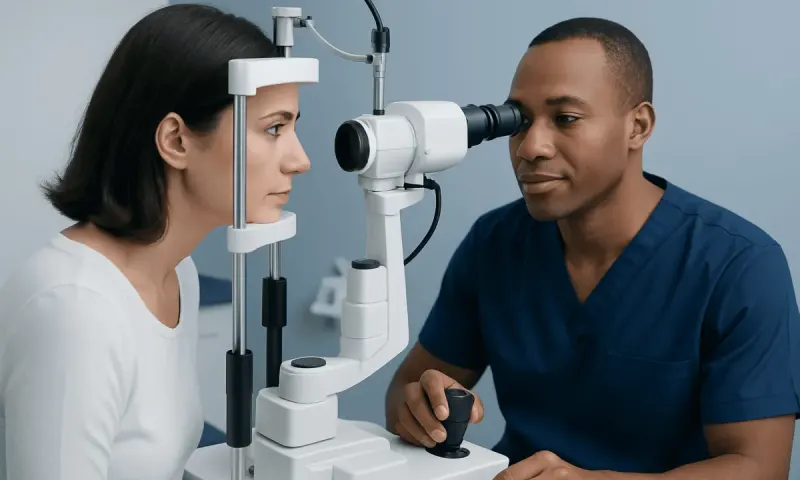
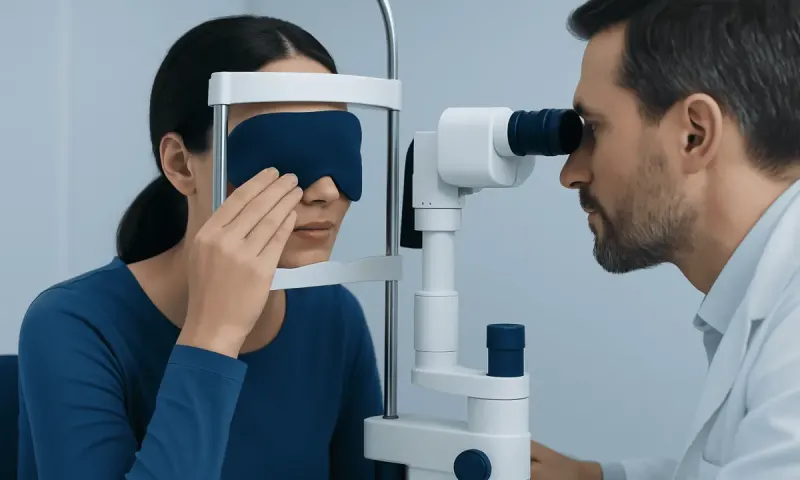
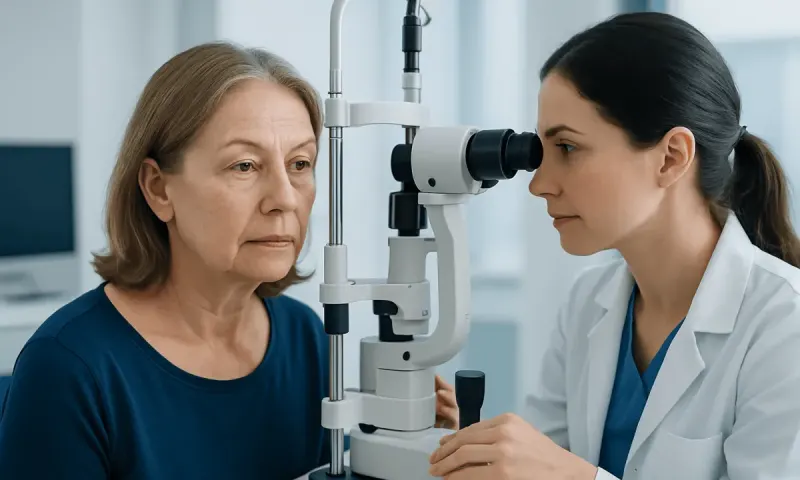
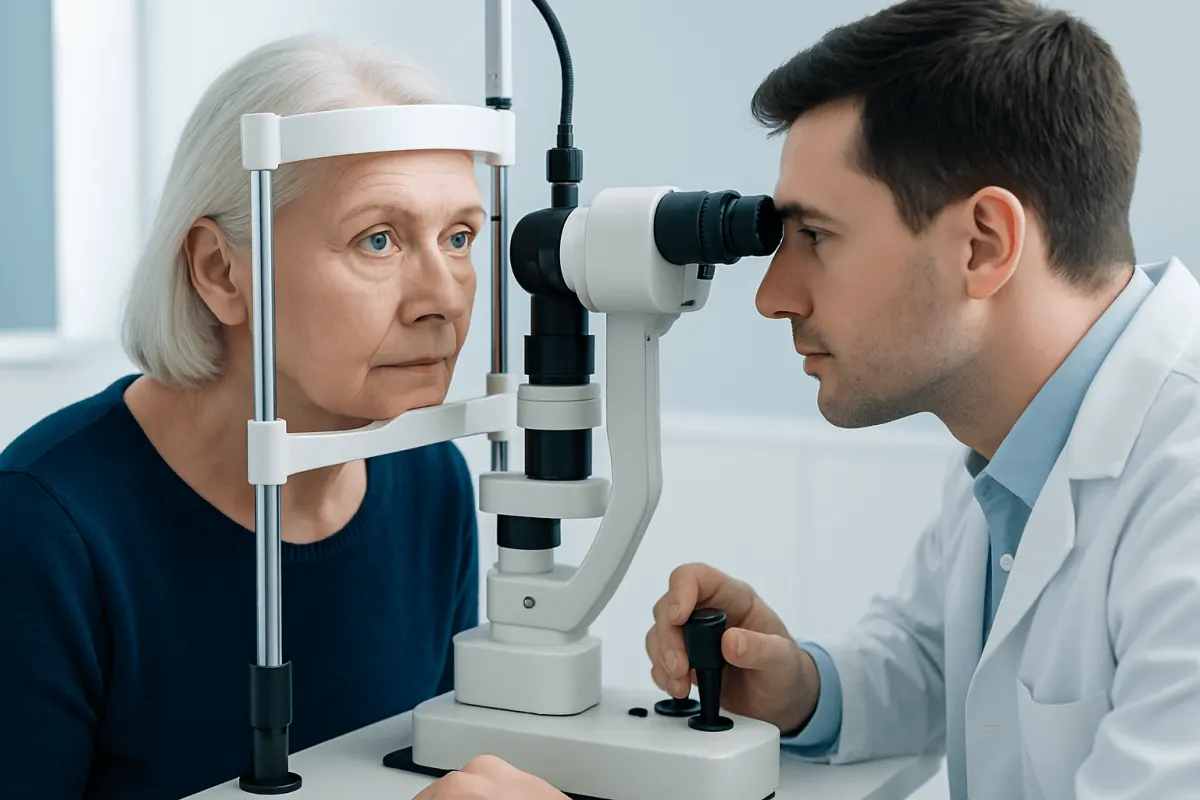
If eye or vision symptoms are present, the assessment may include checking visual acuity, eye movements, pupils, eye surface health, and neurological signs. Depending on the concern, a clinician may recommend an optometry or ophthalmology examination, medication review, blood tests, or other investigations. This approach helps identify problems that may be treatable and unrelated to mental health.
It can be helpful to prepare for an appointment by bringing a list of medicines and supplements, details of symptom timing, and any relevant medical records. A family member, friend, or advocate may also provide support. Clear communication about unusual movements, visual changes, hallucinations, sleep, substance use, and medication adherence helps clinicians provide safer, more individualized care.
Supportive Self-Care and Eye Health
Self-care cannot replace professional treatment for schizophrenia, but stable routines can support both mental and physical wellbeing. Regular sleep, balanced meals, hydration, gentle physical activity, and avoiding recreational drugs may reduce factors that can worsen distress, concentration problems, or visual discomfort. Reducing alcohol intake can also support medication safety and general health.
For dry or strained eyes, practical measures may include taking breaks from close screen work, using good lighting, blinking consciously during screen use, and discussing suitable lubricating eye drops with a pharmacist or eye professional. People who wear contact lenses should follow hygiene guidance and seek advice if their eyes become painful, red, or persistently irritated.
Routine physical healthcare matters because people with serious mental health conditions can also develop common eye and general health problems. Attending scheduled medication reviews, primary care appointments, and recommended eye checks provides an opportunity to discuss changes early. Trusted family or carers can assist with appointments and symptom monitoring when this is welcome.
At Acıbadem Health Point, multidisciplinary specialists in JCI-accredited hospitals can assess mental health and physical symptoms together for international patients, coordinating psychiatric and eye-care input where clinically appropriate.
When to Seek Medical Care
A person should arrange a non-urgent medical review for ongoing blurred vision, dry or irritated eyes, frequent headaches with visual strain, new difficulty focusing, repeated blinking or facial movements, or a noticeable change after starting or changing a medicine. The prescribing clinician should be contacted promptly if a possible medication side effect is suspected. They can advise on next steps without compromising treatment continuity.
Urgent medical assessment is needed for sudden loss of vision, a curtain-like shadow across vision, severe eye pain, a red painful eye with nausea, sudden double vision, a new severely unequal pupil size, or an eye injury. Sudden confusion, weakness, speech difficulty, severe headache, fever, or seizure-like activity alongside visual symptoms also requires urgent emergency evaluation.
Urgent help is also important if someone with schizophrenia feels unable to stay safe, has thoughts of self-harm or suicide, is unable to care for basic needs, or has escalating psychosis that creates immediate risk. Local emergency services, a crisis line, or an emergency department can provide immediate support. A calm, nonjudgmental approach from relatives or friends can make it easier for the person to accept help.
Frequently asked questions
01Can you tell if someone has schizophrenia by their eyes?
No. Eye contact, gaze, pupil size, or facial expression cannot diagnose schizophrenia. Diagnosis requires a comprehensive assessment by a qualified mental health professional, including symptoms, history, functioning, and possible medical causes.
02Do people with schizophrenia avoid eye contact?
Some people may avoid eye contact, while others may maintain it for longer than expected. This can relate to anxiety, concentration, social communication differences, medication effects, or personal preference, and it is not a reliable sign of schizophrenia.
03Can schizophrenia cause visual hallucinations?
Visual hallucinations can occur, although hearing voices is more commonly reported in schizophrenia. New visual hallucinations should be discussed with a clinician, especially if they begin suddenly or occur with confusion, fever, headache, substance use, or vision loss.
04Can antipsychotic medication affect vision?
Some antipsychotic medicines can contribute to dry eyes, blurred vision, or light sensitivity. Rarely, they can cause involuntary eye movements or sustained upward eye deviation. New symptoms should be reported to the prescribing clinician, and medication should not be stopped without medical advice.
05What is an oculogyric crisis?
An oculogyric crisis is a sustained, involuntary deviation of the eyes, often upward, caused by abnormal muscle contractions. It can occur as an uncommon reaction to medicines that affect dopamine and needs prompt medical assessment, particularly when it is painful or accompanied by other muscle symptoms.
06When should eye symptoms be treated as an emergency?
Sudden vision loss, severe eye pain, a painful red eye, new double vision, eye injury, or visual symptoms with weakness, confusion, severe headache, or speech changes should be assessed urgently. These symptoms may have causes that need immediate treatment and should not be attributed to a mental health condition alone.
This article is for general information only and is not a substitute for professional medical advice. Please consult a qualified doctor about your individual situation.
Explore treatments in Turkey — costs, top hospitals & a free quote
JCI-accredited · board-certified surgeons · reply within 24h
Add us as a Preferred Source to see more of our trusted health content across Google Search, AI Overviews and Discover.