Thyroid Eye Disease: Symptoms, Causes and Treatment

Key Takeaways
- Thyroid eye disease is an autoimmune condition that inflames the tissues around the eyes.
- It may cause bulging eyes, dryness, redness, swelling, double vision, or pressure behind the eyes.
- Smoking can make the condition more likely and more severe.
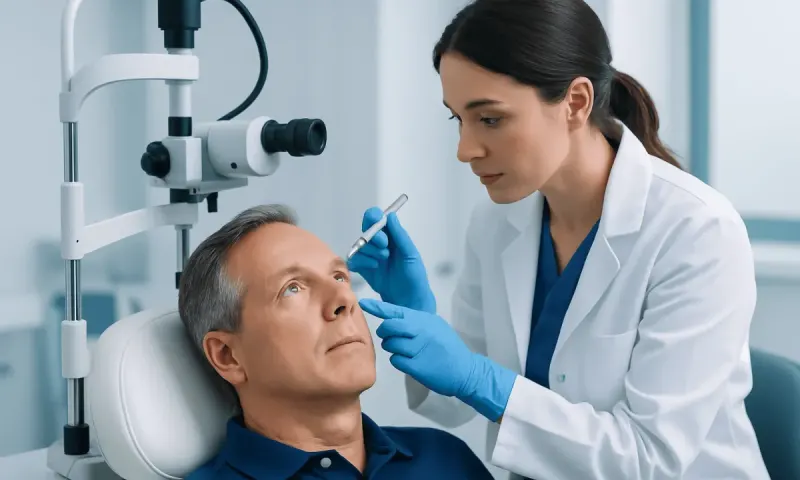
- Diagnosis often involves an eye exam, thyroid testing, and sometimes imaging studies.
- Treatment ranges from lubrication and thyroid control to medicines, radiation, or surgery in selected cases.
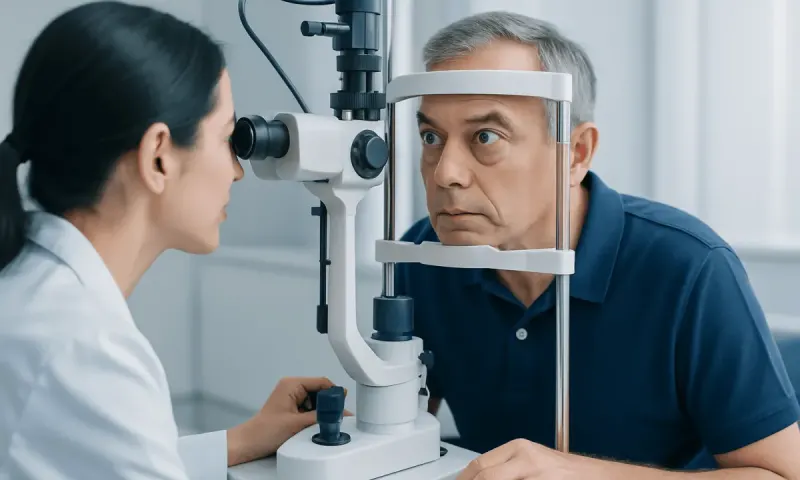
Thyroid eye disease is an autoimmune condition that affects the tissues around the eyes, often in people with thyroid problems but sometimes in those whose thyroid tests are normal. It can cause eye discomfort, swelling, and changes in appearance or vision, and early evaluation helps protect eye health and daily comfort.
When to See a Doctor
An eye or thyroid specialist should be contacted if the eyes are becoming more prominent, red, painful, or difficult to close. A new feeling of pressure behind the eyes, increasing swelling, or persistent double vision also deserves prompt assessment, even if thyroid tests are already known to be abnormal.
Urgent medical attention is needed if vision becomes reduced, colors seem dull, eye pain is severe, or the eye cannot move normally. These can be signs that the optic nerve or the eye surface is under stress and should not be watched at home without evaluation.
For patients who are planning Eye Treatment Abroad: Which Option Fits Your Symptoms and Schedule?" class="ahp-ilk">treatment abroad, a timely specialist review can help match the right level of care to the right stage of the disease. Acibadem Health Point’s multidisciplinary specialists and JCI-accredited hospitals diagnose and treat thyroid eye disease for international patients, with coordinated attention to both thyroid and eye health.
Frequently asked questions
01Is thyroid eye disease the same as Graves' disease?
No. Thyroid eye disease is often related to Graves' disease, but they are not the same condition. Graves' disease affects the thyroid gland, while thyroid eye disease affects the tissues around the eyes.
02Can thyroid eye disease happen if thyroid tests are normal?
Yes, it can. Some people develop eye symptoms before thyroid disease is diagnosed, and others may have normal thyroid levels when the eye problems are first noticed. That is one reason a full evaluation is important.
03Does thyroid eye disease always cause bulging eyes?
No, not always. Some people mainly have dryness, redness, swelling, or double vision without obvious protrusion. The severity and combination of symptoms can vary a great deal.
04Can this condition improve on its own?
Some mild cases become less active over time, but the course is unpredictable. Even if the inflammation settles, eye changes may remain, which is why specialist follow-up is recommended.
05Why is smoking such an important issue?
Smoking is one of the clearest factors linked to worse thyroid eye disease. Quitting tobacco can help reduce the risk of progression and supports healing and overall eye comfort.
06What kind of doctor usually treats thyroid eye disease?
Care is often shared between an endocrinologist and an eye specialist, usually an ophthalmologist with experience in orbital disease. In more complex cases, surgeons and other specialists may join the plan.
This article is for general information only and is not a substitute for professional medical advice. Please consult a qualified doctor about your individual situation.
Explore treatments in Turkey — costs, top hospitals & a free quote
JCI-accredited · board-certified surgeons · reply within 24h
Add us as a Preferred Source to see more of our trusted health content across Google Search, AI Overviews and Discover.