How Can You Get Bags Under Your Eyes Away?
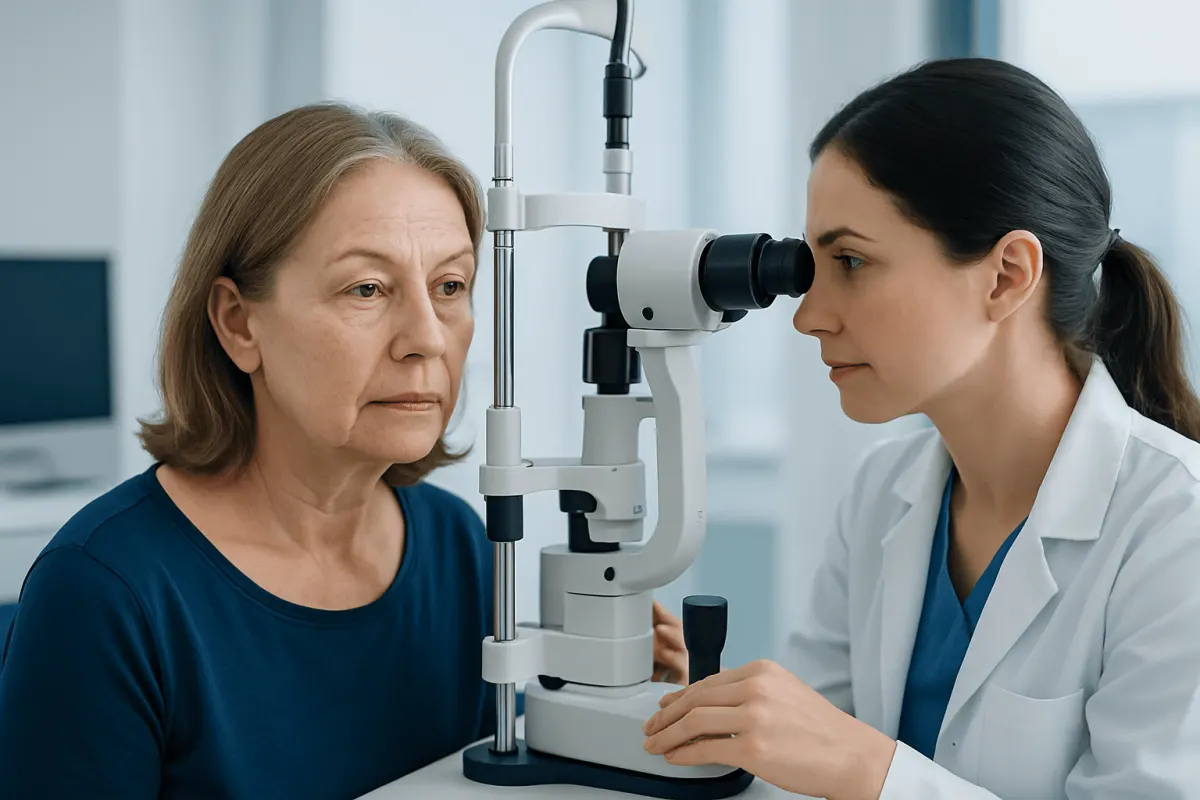
To get Under Eyes: Causes and Treatment Options" class="ahp-ilk">bags under eyes away, temporary puffiness often improves with a cool compress, adequate sleep, allergy control and reducing excess salt and alcohol. Persistent under-eye bags can be related to natural aging and facial anatomy, and a clinician can help identify appropriate treatment options.
How to Get Bags Under Eyes Away
For people asking how to get bags under eyes away, the most useful first steps are a cool compress, regular sleep, gentle allergy management when relevant, and limiting excess salt and alcohol—especially before bedtime. These measures can lessen fluid-related puffiness, but they cannot fully remove under-eye bags caused by aging, inherited anatomy, or a shift in the fat and tissues around the eyes.
Under-eye bags are a common cosmetic concern. They usually describe mild swelling or fullness below the lower eyelids, often most visible after waking. Dark circles may occur at the same time, but they are not the same: dark circles involve changes in skin color, blood vessels, shadowing, or pigmentation, while bags refer mainly to contour and swelling.
Most eye bags are harmless. Still, a new or rapidly worsening change deserves attention, particularly if it affects one eye, is painful or red, or occurs with changes in vision. A health professional can check whether an eye, skin, allergy, thyroid, kidney, or other health issue could be contributing.
Why Under-Eye Bags Develop
The lower eyelid contains skin, muscle, connective tissue and small pads of fat. With age, the skin and supporting tissues can become thinner and less firm. Fat that normally supports the eye may shift forward, creating a fuller contour beneath the eyes. This age-related process is common and does not necessarily reflect poor health or lifestyle habits.
Fluid retention can make this fullness more noticeable. It may be worse in the morning, after salty foods or alcohol, during hot weather, around hormonal changes, or after crying. Sleeping flat can also allow fluid to collect around the eyelids overnight.
Other contributors include family traits, nasal allergies, eczema or skin irritation, smoking, frequent eye rubbing, dehydration, and insufficient or disrupted sleep. Darker skin tone below the eyes can additionally result from pigmentation, visible vessels, facial shadows, or hollowing near the tear trough. Understanding the main contributor is important when choosing a treatment.
- Temporary swelling: often varies from day to day and may respond to lifestyle measures.
- Structural bags: tend to remain present and are more closely linked with aging or genetics.
- Dark circles: may need a different approach from puffiness or lower-eyelid fullness.
What Is the Fastest Way to Get Rid of Bags Under Your Eyes?

The fastest way to make bags under eyes go away fast is usually to reduce short-term fluid swelling. A clean, cool compress placed gently over closed eyes for several minutes may constrict superficial blood vessels and lessen puffiness temporarily. A chilled eye mask or cool washcloth is generally safer than placing ice directly on the delicate eyelid skin.
After waking, sitting upright, drinking water if dehydration is possible, and avoiding rubbing the eyes can also help. Some people find that sleeping with an extra pillow or elevating the head of the bed slightly reduces morning swelling. If seasonal allergies cause itching, tearing, congestion, or recurrent puffiness, discussing suitable allergy treatment with a pharmacist or clinician may be helpful.
Topical products containing caffeine may temporarily reduce the appearance of puffiness in some people, but results are limited and short-lived. Products should be used only as directed, kept out of the eyes, and stopped if they sting, cause redness, or worsen eczema. There is no home remedy that reliably and permanently removes structural lower-eyelid bags in a few hours.
What Is the Biggest Cause of Eye Bags?
The biggest cause of persistent eye bags is usually the natural aging process combined with inherited facial anatomy. Over time, the tissues that support the lower eyelid may relax and fat can become more visible beneath the eye. Someone may develop this change even with healthy sleep, diet, and skincare habits.
For bags that fluctuate, fluid retention is often the leading practical trigger. It can explain why swelling is greater after a short night of sleep, a salty evening meal, alcohol, allergy symptoms, or sleeping flat. Reducing these triggers may improve the appearance, but it will not necessarily change the underlying shape of the lower eyelid.
Because many factors can overlap, it is helpful to notice the pattern. Swelling that is mainly present on waking and eases through the day suggests fluid retention. Bags that remain similar throughout the day and gradually become more pronounced over years are more likely to be structural. A clinician can help distinguish these patterns when the change is bothersome or uncertain.
Can Eye Bags Be Reversed?
Some eye bags can improve or appear less noticeable when their cause is temporary fluid retention, allergies, lack of sleep, or irritation. Consistent sleep, a balanced diet with moderate salt intake, smoking cessation, sun protection, and management of allergies may support healthier-looking skin and reduce day-to-day puffiness.
However, eye bags due mainly to age-related tissue changes or genetic facial structure cannot usually be fully reversed with creams or lifestyle changes alone. Non-surgical approaches may improve skin texture, pigmentation, or mild swelling, but they do not remove protruding fat. A qualified dermatologist, ophthalmologist, or plastic surgeon can discuss individualized options when appearance is a significant concern.
Depending on the underlying issue, professional options may include skin-focused treatments, injectable approaches for nearby hollows in carefully selected patients, or lower-eyelid surgery. Eyelid surgery (blepharoplasty) may be considered for persistent structural bags, but it is a medical procedure with potential risks and requires a thorough in-person assessment. Decisions should be based on anatomy, eye health, expectations, and the clinician’s expertise.
What Vitamin Are You Lacking if You Have Bags Under Your Eyes?
There is no specific vitamin deficiency that reliably causes under-eye bags. In many cases, bags are related to normal aging, genetics, fluid retention, allergies, or sleep patterns rather than a nutrient shortage. Taking vitamins solely to treat eye bags is unlikely to provide a lasting solution unless a true deficiency has been diagnosed.
Iron deficiency anemia can sometimes contribute to tiredness, paler skin, and a more noticeable dark or shadowed appearance around the eyes. It does not directly cause the typical swelling of eye bags. Vitamin B12 or folate deficiency may also cause anemia in some people, but these conditions should be confirmed with medical evaluation and blood tests before treatment.
A varied diet that includes protein, fruits, vegetables, whole grains, and iron-containing foods supports overall skin and health. Anyone with ongoing fatigue, shortness of breath, dizziness, paleness, heavy menstrual bleeding, restrictive eating, or unexplained changes in appearance should speak with a doctor rather than starting high-dose supplements independently.
Practical Ways to Reduce Puffiness and Dark Circles
People searching for how to get bags under eyes to go away naturally can begin with simple, low-risk changes. Aim for regular, restorative sleep; treat nasal allergy symptoms appropriately; avoid smoking; and use broad-spectrum sunscreen around the face, with a product suitable for the eye area. Gentle cleansing and avoiding frequent rubbing can help protect thin eyelid skin.
To reduce fluid-related puffiness, consider moderating salty processed foods and alcohol, particularly in the evening. Staying adequately hydrated during the day can support general wellbeing, although drinking extra water does not directly eliminate structural eye bags. If a new cosmetic product causes burning, scaling, or swelling, stop using it and seek advice if symptoms persist.
For how to get dark circles under eyes away, the best approach depends on the cause. Better sleep may help when fatigue is a contributor, while sunscreen and dermatologist-guided skincare may help pigmentation. When dark circles are caused by shadows from hollowness or prominent bags, topical products may have limited effect. Avoid placing hemorrhoid creams or other non-eye products near the eyes, as they can irritate sensitive skin and may be unsafe.
When to Seek Medical Care
Medical care is advisable for sudden, severe, or one-sided eyelid swelling; eye pain; marked redness or warmth; fever; injury; a rash; discharge; or blurred, double, or reduced vision. These symptoms are not typical of ordinary cosmetic eye bags and may indicate an infection, inflammation, injury, or another condition that needs timely assessment.
It is also sensible to arrange a routine appointment for persistent swelling accompanied by ankle swelling, shortness of breath, significant fatigue, unexplained weight changes, or other new symptoms. A clinician may review medications, allergies, sleep, skin health, and relevant medical conditions before recommending tests or treatment.
Acıbadem Health Point’s multidisciplinary specialists and JCI-accredited hospitals can assess persistent under-eye concerns and discuss suitable treatment options for international patients. For cosmetic structural bags, an experienced specialist can explain whether observation, non-surgical care, or a procedure is appropriate and what realistic results and recovery may involve.
Frequently asked questions
01How long does it take for eye bags to go away?
Morning puffiness from fluid retention may improve within hours, especially after getting upright, using a cool compress, and avoiding eye rubbing. Bags related to aging, genetics, or shifted lower-eyelid fat usually do not disappear on their own and tend to be persistent.
02Does sleeping more get rid of bags under the eyes?
Adequate, regular sleep can reduce puffiness and make dark circles related to fatigue less noticeable. It may not remove eye bags that are mainly caused by inherited anatomy or age-related changes in the lower eyelid.
03Can dehydration cause under-eye bags?
Dehydration can make the skin look less healthy and may make dark circles or shadows appear more noticeable. However, under-eye bags are more often linked to fluid retention, aging, allergies, and facial structure than dehydration alone.
04Do cold spoons help with eye bags?
A cool spoon may provide a brief cold-compress effect and temporarily reduce mild puffiness. It should be clean, only comfortably cool rather than extremely cold, and used gently without pressing on the eye.
05Why are my eye bags worse in the morning?
Fluid can settle in the tissues around the eyes while a person is lying down overnight. Morning bags may be more pronounced after salty food, alcohol, allergy symptoms, poor sleep, or sleeping flat.
06Can allergies cause bags under the eyes?
Yes. Allergies can lead to itching, rubbing, nasal congestion, and swelling around the eyes, which may worsen puffiness and dark circles. A clinician or pharmacist can advise on safe allergy management, particularly when symptoms are recurring.
This article is for general information only and is not a substitute for professional medical advice. Please consult a qualified doctor about your individual situation.
Explore treatments in Turkey — costs, top hospitals & a free quote
JCI-accredited · board-certified surgeons · reply within 24h
Add us as a Preferred Source to see more of our trusted health content across Google Search, AI Overviews and Discover.