Hot Compress for Puffy Eyes: When to Use It
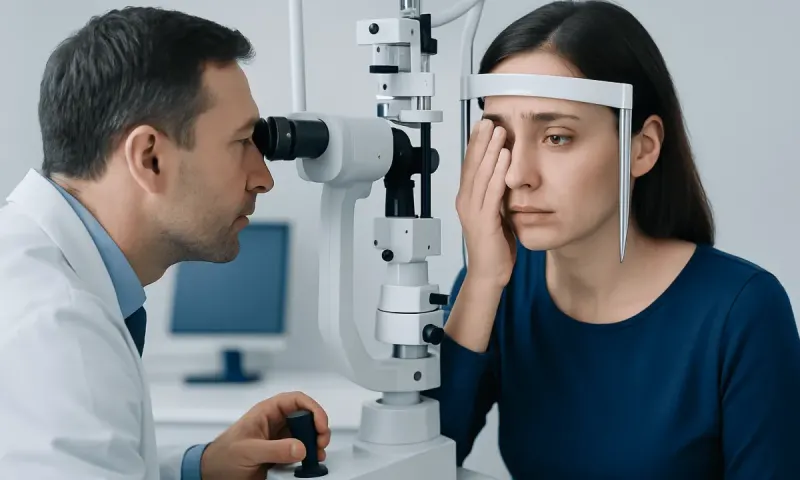
A hot compress for puffy eyes is not a universal remedy. Cool compresses are generally more suitable for temporary under-eye swelling, while a gently warm compress can be useful when puffiness is linked to a stye, blocked eyelid oil glands, or certain dry-eye symptoms.
The evidence-based answer: hot or cold for puffy eyes?
A hot compress for puffy eyes is usually not the first choice when the concern is mild morning swelling, tired-looking under-eyes, crying-related puffiness, or fluid retention. In these situations, a cool compress is generally more helpful because cooling can temporarily constrict small surface blood vessels and may reduce the appearance of swelling. It can also feel soothing for itchy eyes caused by allergies.
A warm compress has a different purpose. Gentle heat can soften thickened oils in the eyelid glands and encourage drainage from a blocked gland. For this reason, clinicians commonly recommend warm compresses for a stye, chalazion, or meibomian gland dysfunction, a common contributor to evaporative dry eye. These conditions can make an eyelid look locally swollen or puffy, but they are not the same as ordinary under-eye puffiness.
The key is to match the compress to the likely cause. A person does not need to diagnose every episode of eye puffiness at home, but recognizing whether swelling is diffuse and temporary, or instead focused in one tender eyelid area, can guide safe self-care. If there is uncertainty, pain, marked redness, discharge, or a change in vision, professional advice is preferable to repeated home treatment.
Why eyes become puffy
Puffy eyes are common because the skin and soft tissues around the eyes are delicate. Fluid can collect in these tissues overnight, particularly after lying flat for several hours. Temporary swelling may be more noticeable after poor sleep, crying, alcohol use, a salty meal, dehydration, or prolonged screen use that contributes to eye irritation and rubbing.
Allergies are another frequent cause. Allergic eye symptoms often include itching, watering, redness, sneezing, or nasal congestion. Rubbing the eyes can worsen swelling because it irritates the skin and releases inflammatory substances. A cool compress and avoiding rubbing are often more appropriate than heat when itchiness is the main symptom.
Some causes are centered in the eyelid rather than below the eye. A stye is a tender, red bump caused by inflammation or infection around an eyelash follicle or eyelid gland. A chalazion is usually a firmer, less painful lump caused by blockage of an oil gland. Meibomian gland dysfunction may cause crusting, fluctuating vision, burning, and dry-eye discomfort. Warm compresses may be useful in these situations because they support normal oil flow from the eyelid glands.
Longer-term under-eye fullness can also reflect normal aging, inherited facial anatomy, skin changes, or protrusion of fat pads around the lower eyelids. Compresses may provide short-lived relief from fluid-related swelling, but they do not change these structural causes. A clinician can help distinguish cosmetic concerns from treatable eye or eyelid conditions.
How to use a compress safely

For simple puffiness, a cool compress can be made by dampening a clean, soft cloth with cool water, wringing it out, and placing it gently over closed eyes. A chilled gel mask may also be used if it has a clean cover and does not feel uncomfortably cold. The aim is gentle cooling, not extreme cold. Ice, frozen packs, and very cold objects should not be placed directly on the thin eyelid skin.
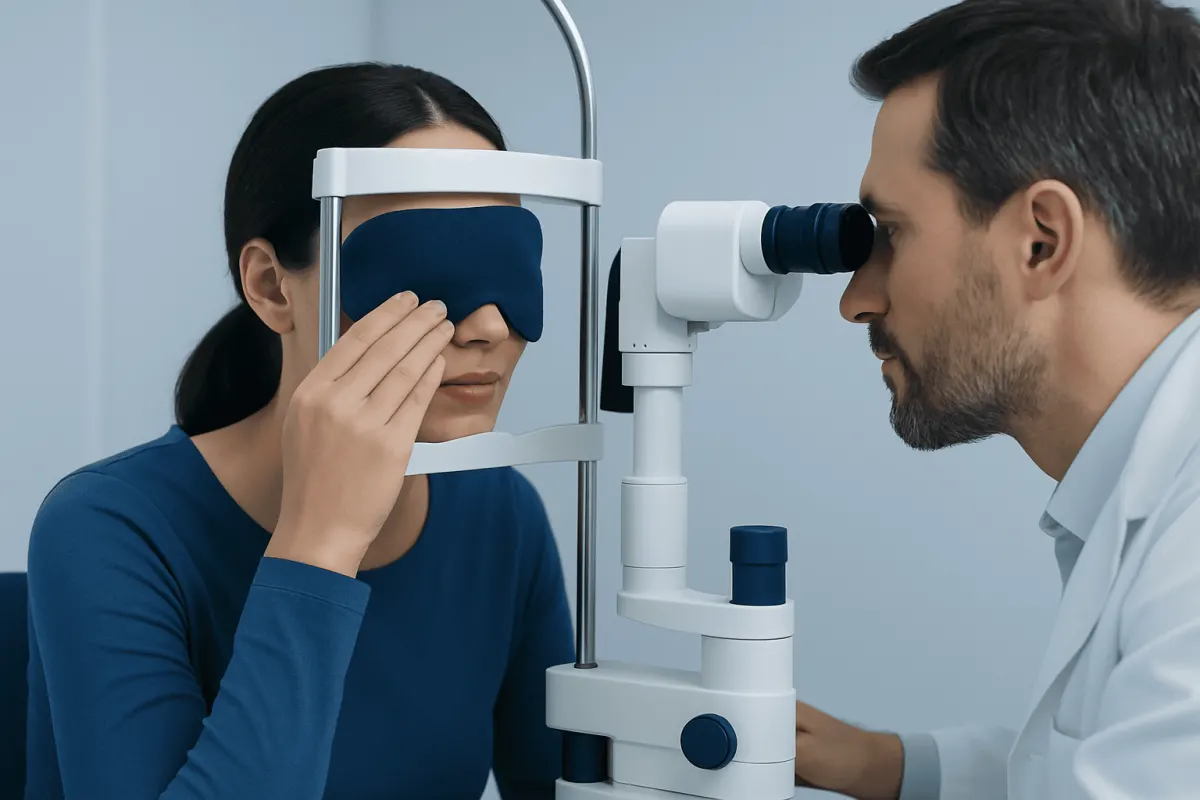
For a suspected stye, chalazion, or eyelid-gland blockage, use a clean washcloth moistened with comfortably warm water. Test the temperature on the inside of the wrist first; it should feel soothing, not hot. Hold it over the closed eyelid for several minutes, reheating the cloth as needed to maintain gentle warmth. The cloth should be freshly cleaned each time, especially if there is crusting or discharge.
Hands should be washed before and after touching the eye area. Contact lenses should be removed before using a compress, and eye makeup should be avoided when an eyelid is inflamed. A person should not squeeze, puncture, or attempt to drain a stye or eyelid lump, as this can increase irritation or spread infection.
- Use a separate clean cloth for each eye if one eye is irritated or infected.
- Stop if the compress causes burning, increased pain, or worsening redness.
- Do not share towels, eye makeup, or washcloths when an eye infection is possible.
- Seek clinical advice if symptoms do not improve or return repeatedly.
When warmth may help—and when it may not
Warmth is most useful when it is directed at an eyelid problem involving thickened oil or a blocked gland. The eyelids contain meibomian glands that release an oily layer into tears. When these oils become thick or the gland openings are blocked, tears may evaporate too quickly and the eyelids can become irritated. Regular warm compresses, sometimes combined with clinician-recommended eyelid hygiene, can be part of management.
For a stye, warmth may support natural drainage and comfort over time. However, it is not an instant cure and should not replace an eye examination when swelling is severe, spreading, or persistent. Antibiotic drops or ointment are not always needed for a stye; a doctor determines whether medication or another treatment is appropriate based on the examination.
Heat is less suitable for generalized puffy under-eyes after sleep, allergy-related itching, or mild irritation. In these cases, warmth can sometimes make redness feel more noticeable because it increases local blood flow. A cool compress, allergy management where appropriate, gentle skin care, and avoiding eye rubbing are often more useful steps.
Heat should also be avoided if the skin feels burned, there has been recent eye-area surgery unless the surgical team has advised it, or there is an unexplained injury. People with reduced sensation in the face, children, and anyone unable to judge temperature safely should take particular care to prevent accidental burns.
Practical ways to reduce everyday eye puffiness
When puffy eyes are mild and occasional, simple habits may reduce recurrence. Sleeping with the head slightly elevated can limit overnight fluid pooling for some people. Consistent sleep, adequate hydration, and limiting very salty foods or alcohol close to bedtime may also help when fluid retention is a contributor. These measures are not cures, but they can make morning puffiness less prominent.
For allergy-related symptoms, reducing exposure to known triggers and avoiding rubbing may be beneficial. A pharmacist or doctor can advise whether allergy eye drops or other treatments are suitable. It is important not to use redness-relieving eye drops frequently without guidance, since some can cause rebound redness or are unsuitable for certain eye conditions.
Gentle care of the eyelid area matters. Remove makeup carefully, avoid fragranced products that irritate the eyes, and replace eye cosmetics regularly. If a person has recurring crusting at the lash line, dry-eye symptoms, or repeated eyelid lumps, an ophthalmologist can assess eyelid gland health and recommend a tailored routine.
Cosmetic products marketed for under-eye bags may temporarily hydrate skin or create a cooling sensation, but their effects on true fluid retention or structural under-eye bags are limited. Any product that stings, causes rash, or gets into the eyes should be rinsed away with clean water and discontinued.
When to seek medical care
Medical care should be sought promptly for eye swelling accompanied by vision changes, severe pain, pain with eye movement, sensitivity to light, fever, significant redness, injury, or swelling that spreads around the face. These features can point to conditions that need timely assessment and should not be managed with compresses alone.
A person should also arrange an eye examination for a lump or swollen eyelid that does not improve, keeps returning, bleeds, affects the eyelashes, or lasts for several weeks. Persistent swelling on one side deserves particular attention, even when it is not painful. An ophthalmologist can determine whether the problem is a stye, chalazion, allergy, dry eye, skin condition, or another cause.
Babies and young children with a swollen, red, or painful eye should be assessed by a healthcare professional, particularly if they seem unwell or cannot open the eye normally. People who wear contact lenses should be cautious with red or painful eyes, as contact lens-related infections can become serious without appropriate treatment.
Acıbadem Health Point’s multidisciplinary specialists and JCI-accredited hospitals can assess persistent eyelid swelling and related eye conditions for international patients. An eye specialist can provide an examination and explain which treatment approach is appropriate for the individual cause.
A sensible approach to compresses
Compresses are best viewed as a comfort measure rather than a cure-all. Cool compresses are generally the practical option for temporary puffiness, especially in the morning or after allergies and crying. Warm compresses have a more specific role in eyelid gland blockage, styes, chalazia, and some dry-eye conditions.
Using the right temperature, a clean cloth, and gentle pressure protects the sensitive eye area. If symptoms improve, a person can continue the recommended approach while monitoring for recurrence. If they do not improve, or if warning signs appear, medical assessment is the safest next step.
Eye symptoms can overlap, and a swollen eyelid does not always have an obvious cause. A qualified clinician can assess the eye surface, eyelid glands, vision, and surrounding tissues to ensure that treatment is both effective and appropriate.
Frequently asked questions
01Is a hot compress good for puffy eyes in the morning?
For typical morning under-eye puffiness, a cool compress is usually a better option than a hot one. Cooling may temporarily reduce fluid-related swelling and soothe the area. A warm compress is more appropriate when an eyelid gland problem, stye, or chalazion is suspected.
02Can a warm compress make eye puffiness worse?
It can make some forms of puffiness or redness appear more noticeable because warmth increases local blood flow. This is why it is not usually the first choice for allergy-related or general under-eye swelling. The compress should always be comfortably warm, never hot.
03How long should a warm compress be used for a stye?
A gently warm, clean compress is often used for several minutes at a time and repeated during the day. The exact routine may vary depending on the condition and the clinician’s advice. A person should not squeeze or try to pop a stye.
04What is the fastest way to reduce puffy eyes?
For temporary puffiness, a cool compress, avoiding eye rubbing, and allowing time for swelling to settle are often helpful. Sleeping well, staying hydrated, and reducing triggers such as allergies or high-salt meals may help prevent recurrence. Fast relief is less likely when fullness is caused by aging or facial anatomy.
05Should a person use ice directly on puffy eyes?
No. Ice or frozen packs should not be applied directly to the eyelids because the skin is thin and can be injured by extreme cold. A clean cloth cooled with water or a covered cool gel mask is a safer choice.
06When is puffy eye swelling an emergency?
Urgent assessment is needed if swelling occurs with vision loss or changes, severe pain, fever, injury, pain when moving the eye, or significant redness around the eye. These symptoms may indicate a problem that requires prompt medical treatment. Contact lens wearers with a painful red eye should also seek timely care.
This article is for general information only and is not a substitute for professional medical advice. Please consult a qualified doctor about your individual situation.
Explore treatments in Turkey — costs, top hospitals & a free quote
JCI-accredited · board-certified surgeons · reply within 24h
Add us as a Preferred Source to see more of our trusted health content across Google Search, AI Overviews and Discover.