Eye Drops: Uses, Types and Side Effects

Key Takeaways
- Eye drops are used for many concerns, including dryness, allergies, infection, inflammation, and glaucoma.
- Different formulations serve different purposes, so the right drop depends on the diagnosis.
- Proper handwashing, drop placement, and timing between medications can improve results.
- Some eye drops contain preservatives or active medicines that may irritate sensitive eyes.
- Persistent pain, vision changes, or worsening redness should be checked by an eye doctor.
Eye drops are a common way to deliver treatment directly to the eye surface or inside the eye. Understanding the different types, correct technique, and safety precautions can help patients use them more effectively and comfortably.
Overview
Eye drops are small liquid medicines or lubricating solutions designed to treat problems on the eye’s surface or to deliver medication inside the eye. They may be used to soothe dryness, calm allergy symptoms, fight infection, reduce inflammation, or lower pressure in glaucoma. Because the eye is delicate and highly responsive, even a few drops can make a meaningful difference when they are matched to the correct condition.
For many people, eye drops become part of a short-term treatment plan after irritation, an eye procedure, or an infection. For others, they are a long-term tool used daily to protect vision, as in glaucoma or chronic dry eye. The key is not simply owning the drops, but understanding what they are for, how to use them correctly, and when to seek professional guidance.
International patients often begin with a question that sounds simple but is important: which kind of drop is needed, and how urgently? A careful eye examination helps distinguish between temporary irritation that may improve with supportive care and conditions that need prescription treatment or follow-up. That distinction is especially important when travel, climate changes, or long flights have already put extra strain on the eyes.
Symptoms Eye Drops May Help With
Eye drops are chosen according to symptoms and the underlying cause. Dry, gritty, or burning eyes may respond to lubricating drops, while itching and swelling from seasonal allergies often improve with antihistamine or mast-cell stabilizing drops. Redness, discharge, light sensitivity, blurred vision, or discomfort after an eye procedure may point toward a different type of treatment entirely.
Some symptoms can overlap, which is why self-diagnosis can be misleading. For example, a red eye may be caused by allergy, dryness, a scratched cornea, conjunctivitis, contact lens irritation, or something more serious such as uveitis or acute glaucoma. The appearance of the eye alone does not always reveal the cause.
- Dryness, burning, or a foreign-body feeling
- Itching and tearing linked to allergies
- Redness from irritation or inflammation
- Discomfort after surgery or procedures
- Raised eye pressure conditions such as glaucoma
Any sudden vision change, strong pain, or light sensitivity deserves prompt medical attention rather than repeated use of over-the-counter products. Eye drops are helpful, but they should not delay evaluation when symptoms suggest a more serious eye problem.
Causes & Risk Factors

There is no single reason people need eye drops. Some use them because the tear film is unstable and the eyes dry out more easily in air-conditioned rooms, during long screen use, or on airplanes. Others need them because of allergies, contact lens wear, environmental smoke, or recovery from eye surgery.
Prescribed eye drops may also be part of treatment for medical conditions such as glaucoma, uveitis, corneal inflammation, or infections caused by bacteria or viruses. In these situations, the drop is not simply easing discomfort; it is helping control a disease process and protect the eye from damage.
Several factors can increase the chance of needing eye drops or becoming sensitive to them:
- Age-related dry eye or reduced tear production
- Contact lens use
- Frequent screen exposure with reduced blinking
- Allergic rhinitis or seasonal allergies
- Recent eye surgery or procedures
- Autoimmune conditions that affect moisture production
- Long-distance travel, dry cabin air, or dusty environments
Some drops also contain preservatives, which can irritate people who use them often or have very sensitive eyes. In those cases, preservative-free formulations may be recommended by an eye care professional.
Diagnosis
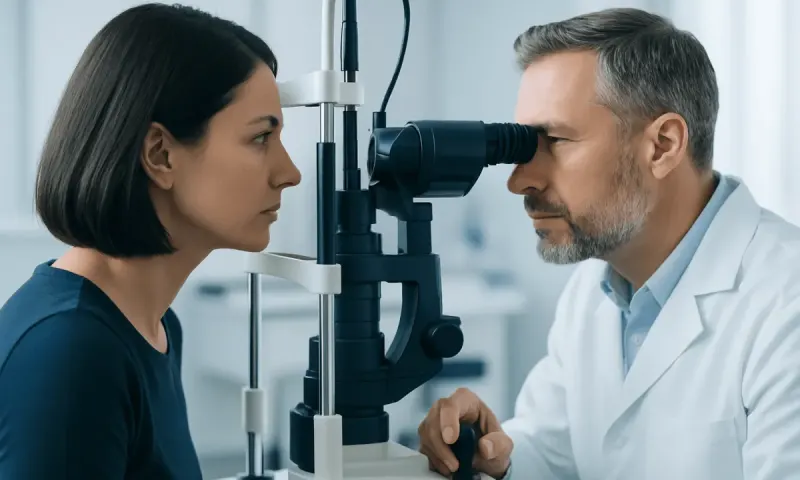
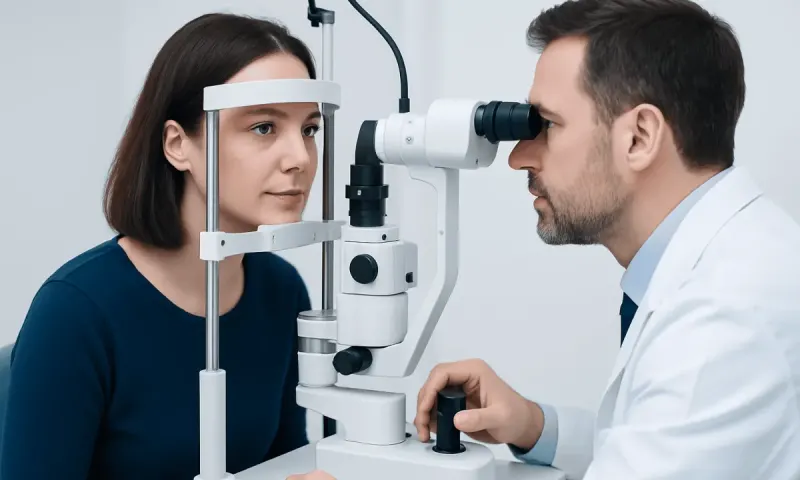
Before recommending eye drops, an eye doctor usually asks about the exact symptoms, timing, contact lens use, recent illness, medications, and any injury or surgery. This history matters because the same complaint—such as redness—can come from several different causes, each needing a different approach.
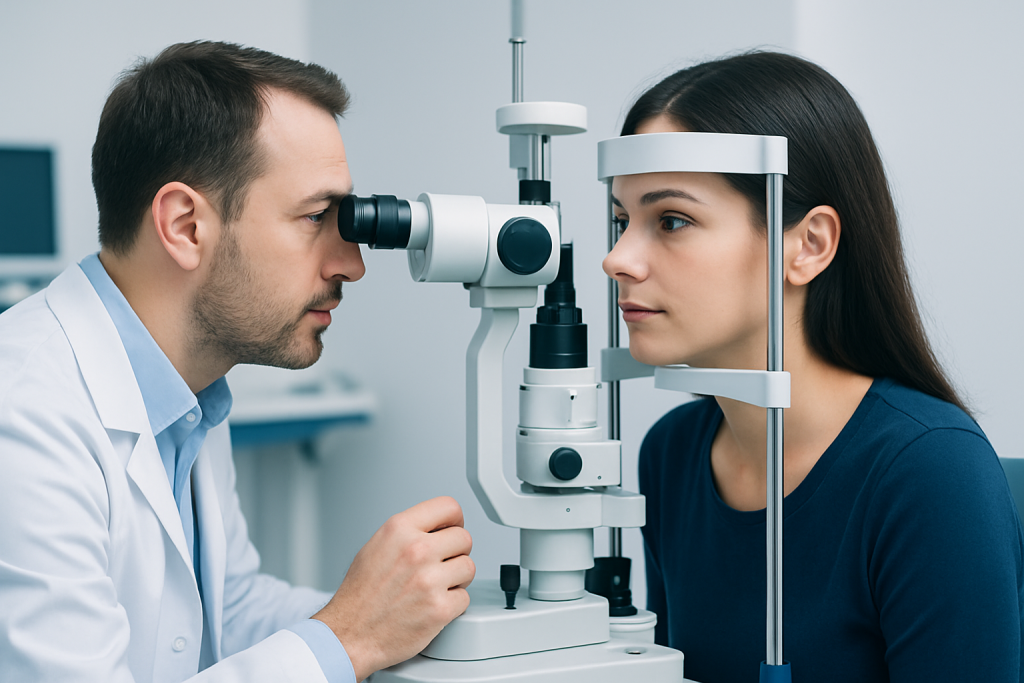
A focused eye examination may include checking vision, examining the eyelids and eye surface, looking for discharge or scratches, and measuring eye pressure when glaucoma or pressure-related disease is suspected. If needed, the doctor may use special dyes or magnification to evaluate the cornea and tear film more closely.
For international patients, diagnosis may happen in stages if care begins abroad and follow-up continues at home. Clear records of the prescribed drops, the exact diagnosis, and any response to treatment can help another clinician safely continue care. When possible, bringing the original medication boxes or a written treatment plan can reduce confusion about names that vary across countries.
Treatment Options
Eye drops come in several main categories, and each one has a different role. Lubricating drops, often called artificial tears, are commonly used for dryness and irritation. Allergy eye drops can reduce itching and swelling. Antibiotic drops may be prescribed for certain bacterial infections, while anti-inflammatory drops are used after surgery or for specific inflammatory eye diseases.
Some treatments are designed to lower pressure inside the eye, which is essential in glaucoma care. Others may widen the pupil for an examination, numb the eye for a short procedure, or support healing after surgery. The right choice depends on the cause, not just on how the eye feels.
Safe use matters as much as the medication itself. Patients are usually advised to wash their hands, avoid touching the bottle tip to the eye, and wait a few minutes between different drops unless told otherwise. If more than one medication is being used, spacing them apart can help each drop work properly and reduce washout.
- Use only the type of drop recommended for the condition
- Do not share eye drops with others
- Check whether drops should be refrigerated or protected from light
- Remove contact lenses if advised, especially for medicated drops
- Ask whether preservative-free options are better for frequent use
Side effects are usually mild but can include brief stinging, blurred vision for a short time, dryness, or irritation. If the eye becomes more painful, more swollen, or the vision worsens after starting a drop, the prescribing clinician should be contacted promptly.
Prevention & Self-care
Not every eye problem can be prevented, but habits can reduce irritation and support treatment. Good hand hygiene, avoiding rubbing the eyes, and replacing contact lenses as directed all lower the risk of contamination or surface irritation. People who spend long hours on screens may also benefit from purposeful blinking and regular breaks.
For dry eyes, simple environmental adjustments can help: using a humidifier, avoiding direct fan or vent airflow, and taking breaks from prolonged near work. Sunglasses may reduce wind and light sensitivity outdoors, while allergy sufferers may do better by reducing exposure to known triggers and washing the face after being outside on high-pollen days.
Travel can make eye symptoms more noticeable. On long flights or in dry climates, keeping prescribed drops in carry-on luggage, following storage instructions, and having a written medication list can make care easier. Patients recovering from eye surgery abroad may also want a clear follow-up plan before leaving the country, including warning signs that should prompt a local review.
Self-care should remain supportive, not substituting for medical care when symptoms are persistent or unusual. Over-the-counter drops are not all interchangeable, and using the wrong product for a red or painful eye can delay proper treatment.
When to See a Doctor
Medical review is important when eye symptoms do not settle, return quickly, or interfere with vision or daily life. A clinician should assess the eye if there is significant pain, thick discharge, light sensitivity, a foreign-body sensation after injury, or redness that is one-sided and persistent.
Emergency or same-day care is especially important if there is sudden blurred vision, a curtain-like shadow, flashes of light, severe headache with eye pain, nausea with a red eye, or a chemical exposure. These symptoms can signal conditions that need urgent treatment rather than routine drops bought without evaluation.
Patients who already use prescription eye drops should also seek advice if they miss several doses, have trouble applying the medication, suspect an allergic reaction, or are planning travel that could interrupt treatment. In a coordinated setting, multidisciplinary specialists and JCI-accredited hospitals such as Acibadem Health Point can diagnose and treat eye conditions for international patients while helping plan practical follow-up care.
Frequently asked questions
01Are over-the-counter eye drops safe for everyone?
Not always. Lubricating drops are generally well tolerated, but some products may not be appropriate for contact lens wearers, people with certain eye diseases, or anyone with a painful red eye. It is best to match the product to the symptom and seek medical advice if the eye problem is more than mild dryness or irritation.
02How can someone put eye drops in correctly?
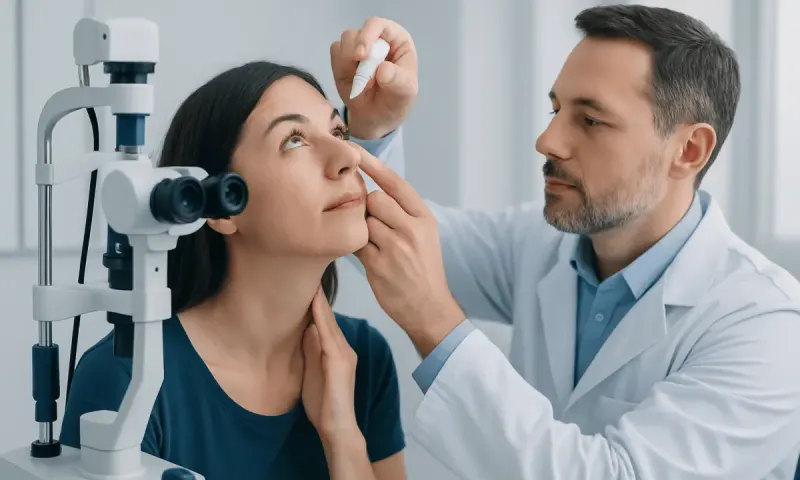
Handwashing first is important, followed by tilting the head back, gently pulling down the lower lid, and placing one drop into the pocket that forms. The bottle tip should not touch the eye, eyelashes, or skin. Afterward, the eye can be gently closed for a moment without squeezing hard.
03Why do eye drops sometimes blur vision briefly?
A short period of blurred vision is common after many drops because the liquid coats the eye surface. This usually passes quickly. If the blur is strong, lasts a long time, or comes with pain or worsening redness, the clinician should be informed.
04Can multiple eye drops be used on the same day?
Yes, but they are not always applied at the same time. Different medicines may need a few minutes between them so the first drop is not washed out. A doctor or pharmacist can help arrange the schedule safely.
05Do eye drops expire after opening?
Many do, and the date may be different from the unopened expiry date printed on the box. This is especially important for preservative-free products or drops used after surgery. Patients should follow the label instructions and replace drops that look changed in color or appearance.
06When should eye drops be avoided?
They should be avoided or used only with guidance when the eye is very painful, the vision has changed suddenly, there has been an injury or chemical exposure, or the person is unsure what is causing the redness. In those situations, a proper eye examination is the safer first step.
This article is for general information only and is not a substitute for professional medical advice. Please consult a qualified doctor about your individual situation.
Explore treatments in Turkey — costs, top hospitals & a free quote
JCI-accredited · board-certified surgeons · reply within 24h
Add us as a Preferred Source to see more of our trusted health content across Google Search, AI Overviews and Discover.