Scalp Eczema Treatment: Choosing the Right Care
The best eczema treatment for scalp depends on the cause of the rash, its severity and hair-care needs. Gentle cleansing and avoiding irritants can help mild symptoms, while persistent itching, redness or scaling may need a clinician-guided treatment plan.
What is the best eczema treatment for scalp?
The best eczema treatment for scalp is usually a personalized plan rather than one universal shampoo, oil or cream. It begins with identifying what is causing the itchy, inflamed or flaky scalp. For mild symptoms, switching to gentle fragrance-free hair products, washing appropriately and avoiding known triggers may be enough. More persistent symptoms may require medicated shampoos or prescription anti-inflammatory treatments selected by a dermatologist.
“Scalp eczema” is a broad everyday term. It may describe seborrheic dermatitis, atopic dermatitis, allergic or irritant contact dermatitis, or another condition with a similar appearance. The best eczema treatment for head symptoms therefore depends on whether there is oily yellow scale, dry sensitive skin, exposure to a new product, infection or another skin disease.
Hair can make treatment application difficult, but it should not prevent effective care. Scalp-specific lotions, foams, solutions, oils or medicated shampoos are often easier to apply than thick creams. A clinician can help choose a preparation that reaches the scalp while fitting a person’s hair type, washing routine and symptoms.
Recognizing scalp eczema and look-alike conditions
Scalp eczema commonly causes itching, redness, dryness, flaking, tenderness or a tight feeling. Some people notice fine white flakes, while others develop thicker, greasy yellow scale. Scratching can break the skin and may lead to crusting, soreness or temporary hair shedding. Eczema itself does not usually permanently damage hair follicles, but ongoing inflammation or a different underlying disorder should be evaluated.
Seborrheic dermatitis is a frequent cause of eczema-like scaling on the scalp and may also affect the eyebrows, sides of the nose, ears or chest. It is linked to an inflammatory reaction involving natural skin oils and a common yeast that lives on the skin. Atopic dermatitis may cause a very dry, itchy scalp alongside eczema elsewhere on the body.
Several conditions can look similar. Psoriasis often produces more sharply defined, thicker scale that may extend beyond the hairline. Fungal scalp infection can cause patchy hair loss, broken hairs or tender swollen areas and needs prompt medical treatment. Product-related contact dermatitis may begin after using a new dye, fragrance, shampoo, styling product or hair treatment. A dermatologist can distinguish these possibilities; related skin conditions are discussed in eczema information.
Why scalp eczema develops and what can trigger flares

Scalp eczema is not caused by poor hygiene, and it is not contagious. It reflects inflammation in the skin barrier and immune response. A tendency toward eczema can run in families, while seborrheic dermatitis may become more noticeable when scalp oil and the skin’s normal microorganisms interact with an individual’s inflammatory sensitivity.
Flares are often influenced by more than one factor. Cold or dry weather, stress, sweating, friction from hats or helmets, and inadequate sleep may worsen symptoms for some people. Infrequent washing can allow scale and oil to build up in seborrheic dermatitis, while overly frequent washing with harsh products can worsen dryness and irritation in other forms of eczema.
Hair products are an important and sometimes overlooked trigger. Fragrances, essential oils, preservatives, hair dyes, bleaching agents, relaxers and styling sprays can irritate the scalp or cause an allergic reaction. Keeping a brief record of products used before a flare can help a clinician identify patterns. Patch testing may be recommended when allergic contact dermatitis is suspected.
- Consider whether symptoms began after introducing a new product or hair treatment.
- Notice whether flakes are dry and diffuse or thick, greasy and attached to the scalp.
- Record associated symptoms, such as rash on the face, ears, neck or other body areas.
How a clinician chooses treatment
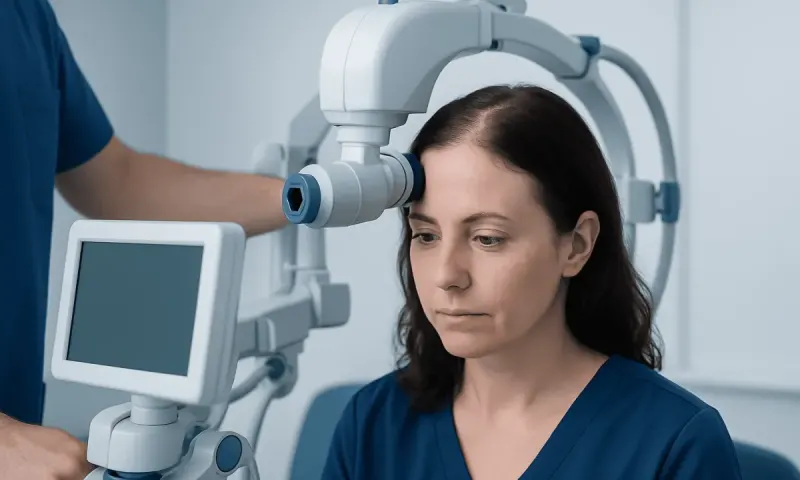
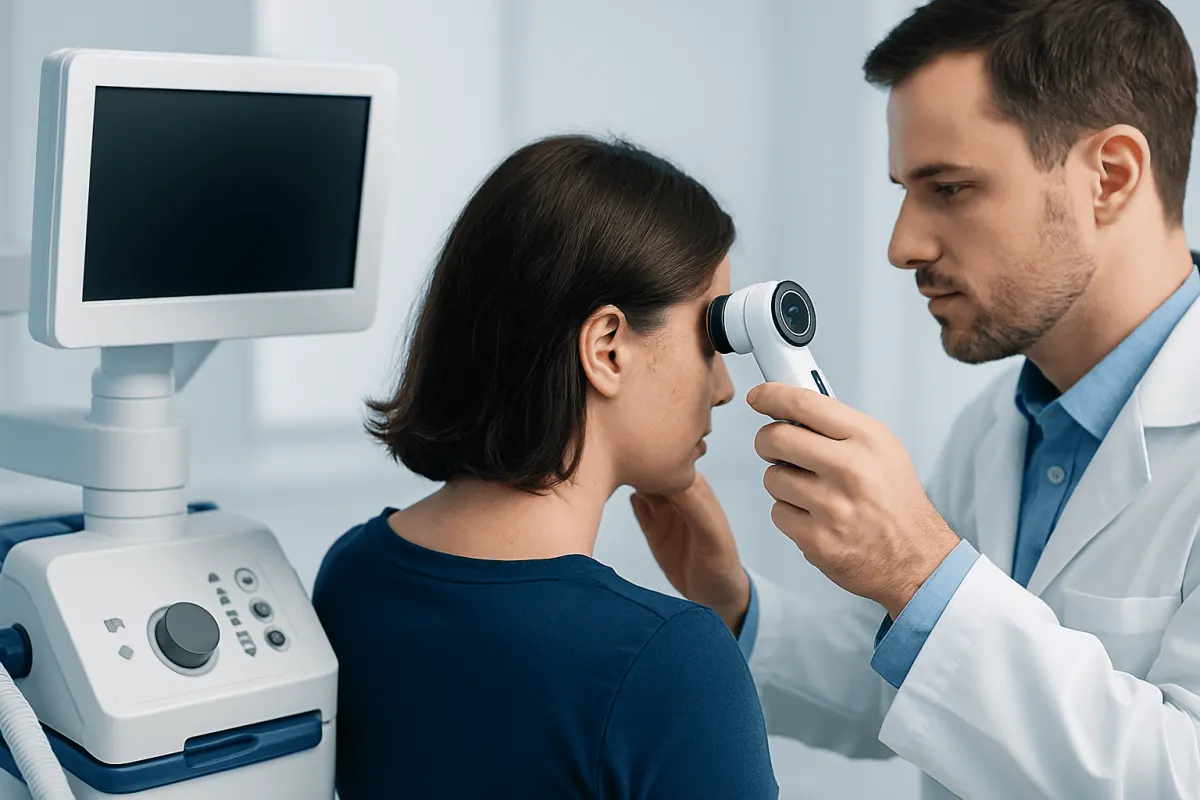
A healthcare professional will usually ask about symptoms, timing, personal or family history of eczema or psoriasis, hair-care practices and medicines. They examine the scalp, hair and nearby skin. In many cases, this is enough to make a diagnosis. If findings are unclear, testing may include a skin scraping for fungal infection, bacterial testing of crusted skin, or patch testing for suspected allergy.
The treatment choice is based on the diagnosis, severity and the patient’s response to previous care. For seborrheic dermatitis, a medicated shampoo that targets scale and yeast may be advised. These products are generally used as directed, with enough contact time on the scalp before rinsing. A clinician may recommend alternating them with a mild non-medicated shampoo to reduce dryness.
For noticeable inflammation and itching, topical anti-inflammatory medicines may be prescribed in a solution, foam, lotion or other scalp-friendly form. These are often used for a limited period during a flare, then reduced or stopped according to medical advice. Longer or repeated use without guidance can cause side effects, particularly with stronger products. Non-steroid anti-inflammatory medicines may be suitable for selected people and locations.
If a fungal or bacterial infection is present, it requires the appropriate medical treatment rather than eczema products alone. For difficult, recurrent or widespread eczema, dermatologists may discuss further treatment options after reviewing the diagnosis, health history and likely risks and benefits.
Hair and scalp care that supports treatment
The best eczema treatment for hair is one that treats the skin underneath without unnecessarily damaging the hair shaft or aggravating the scalp. People should part the hair in sections and apply prescribed scalp medicine directly to affected skin, rather than applying large amounts over the hair. Following the product instructions is important, especially for medicated shampoos and leave-on treatments.
A gentle, fragrance-free shampoo and conditioner may help reduce irritation between medicated washes. Warm rather than hot water, light fingertip massage instead of scratching, and careful rinsing can protect the scalp barrier. Conditioner can usually be applied mainly to the hair lengths if it tends to leave the scalp oily or causes buildup.
During an active flare, it may help to pause products that sting, have strong fragrance, or contain multiple styling ingredients. Avoid picking scale or using abrasive brushes, as this can injure the skin. Hair dye, chemical straightening, bleaching and tight hairstyles may need to be delayed until the scalp is settled. If a person suspects a particular product, they should stop using it and discuss the reaction with a clinician rather than repeatedly testing it on already inflamed skin.
Natural oils and home remedies are not automatically gentle or safe. Some essential oils and botanical products can cause contact dermatitis. A bland moisturizer or emollient may help dry skin around the hairline, but products should be chosen carefully to avoid worsening scaling or irritation on the scalp itself.
A practical plan for preventing flare-ups
Prevention focuses on maintaining a consistent, low-irritation routine after symptoms improve. The most suitable washing schedule varies: people with seborrheic dermatitis may benefit from regular scalp cleansing, whereas those with very dry atopic eczema may need to avoid harsh or excessive washing. A dermatologist can recommend a maintenance plan that matches the diagnosis.
It can be useful to introduce only one new hair product at a time and choose options labeled fragrance-free rather than simply “unscented,” which may still contain fragrance-masking ingredients. Reading ingredient lists may be particularly important for people who have previously reacted to hair dye, fragrance or preservatives. Patch testing by a specialist can identify allergens and guide future product choices.
Managing stress, sleeping adequately and protecting the scalp from extremes of cold, dry air or sun can support overall skin comfort, although these steps do not replace prescribed treatment. A flare plan can be helpful: patients may ask their clinician which products to use at the first sign of itching or scale, how long to use them, and when to book a review.
When to seek medical care
Medical advice is appropriate when scalp symptoms are new, severe, recurrent or not improving after a few weeks of gentle care. Assessment is especially useful before starting potent medicated products, as conditions that resemble eczema can need different treatment. A clinician can also help if symptoms are disrupting sleep, confidence, work or daily activities.
Prompt assessment is recommended for painful swelling, spreading redness, warmth, pus, fever, thick crusting, bleeding, patchy hair loss, broken hairs or swollen lymph nodes. These signs can suggest infection or another scalp condition that needs timely treatment. Children with suspected fungal scalp infection should be assessed promptly because treatment usually requires prescription medicine.
People who develop swelling of the face or eyelids, hives, breathing difficulty or widespread rash after a hair product should seek urgent medical care. For ongoing or complex scalp eczema, Acıbadem Health Point’s multidisciplinary specialists and JCI-accredited hospitals can assess and treat international patients. The aim is to establish the cause and create a safe, practical treatment plan.
Frequently asked questions
01What shampoo is best for scalp eczema?
The most suitable shampoo depends on the cause of symptoms. A clinician may recommend a medicated shampoo for seborrheic dermatitis, while a mild fragrance-free shampoo may be more appropriate for dry or product-sensitive scalp eczema. It is best to avoid repeatedly changing products without a clear plan, as this can further irritate the scalp.
02Can scalp eczema cause hair loss?
Scratching and inflammation can cause temporary shedding, and scale can make hair seem thinner. Scalp eczema does not usually cause permanent hair loss when it is correctly treated. Patchy hair loss, broken hairs or painful scalp swelling should be assessed because they may indicate a different condition, including fungal infection.
03Should hair be washed every day with scalp eczema?
There is no single washing schedule for everyone. Some people with seborrheic dermatitis benefit from regular washing to reduce oil and scale, while daily washing may worsen dryness in others. A dermatologist can recommend the frequency and products that fit the specific diagnosis.
04Can coconut oil or essential oils treat scalp eczema?
These products are not proven treatments for scalp eczema, and they may worsen symptoms for some people. Essential oils and fragranced botanical products can trigger irritation or allergic contact dermatitis. It is safer to use clinician-recommended treatments and simple, fragrance-free products.
05How long does scalp eczema take to improve?
Mild symptoms may improve within days to weeks once triggers are avoided and the right treatment is started. Some forms, particularly seborrheic dermatitis and atopic eczema, can recur and may need ongoing maintenance care. If symptoms do not improve or return quickly, medical review can help confirm the diagnosis and adjust the plan.
06Is scalp eczema contagious?
No. Eczema and seborrheic dermatitis are not contagious and cannot be passed through touching, sharing brushes or being near another person. However, some scalp infections can look similar, which is one reason persistent symptoms should be evaluated.
This article is for general information only and is not a substitute for professional medical advice. Please consult a qualified doctor about your individual situation.
Hair transplant in Turkey — costs, graft counts & a free assessment
JCI-accredited · board-certified surgeons · reply within 24h
Add us as a Preferred Source to see more of our trusted health content across Google Search, AI Overviews and Discover.