Keeping Hair Healthy Through Scalp Care and Gentle Habits

You notice more hair in the shower drain than usual, or your ends keep snapping off no matter what you buy. Where do you start? For most people, healthy hair comes down to three things: protecting the hair shaft, caring for the scalp, and supporting growth with balanced nutrition and healthy habits.
Many everyday hair concerns are harmless. But sudden shedding, patchy hair loss, scalp inflammation, or thinning that comes alongside other symptoms should be looked at by a doctor.
How to Keep Hair Healthy: the Short Answer
For most people, none of this is complicated: wash your scalp often enough to keep it clean, use products that suit your hair type, go easy on heat and harsh chemical processing, skip tight hairstyles, and eat a balanced diet with enough protein and key nutrients. These steps help protect the hair shaft from damage while supporting normal growth from the hair follicle.
Many common hair concerns, such as mild dryness, seasonal shedding, or breakage from styling, are harmless and improve with routine changes. Still, certain warning signs deserve medical attention, especially sudden or heavy shedding, bald patches, scalp redness or pain, visible scarring, or hair changes that occur with fatigue, weight change, menstrual changes, or other health symptoms.
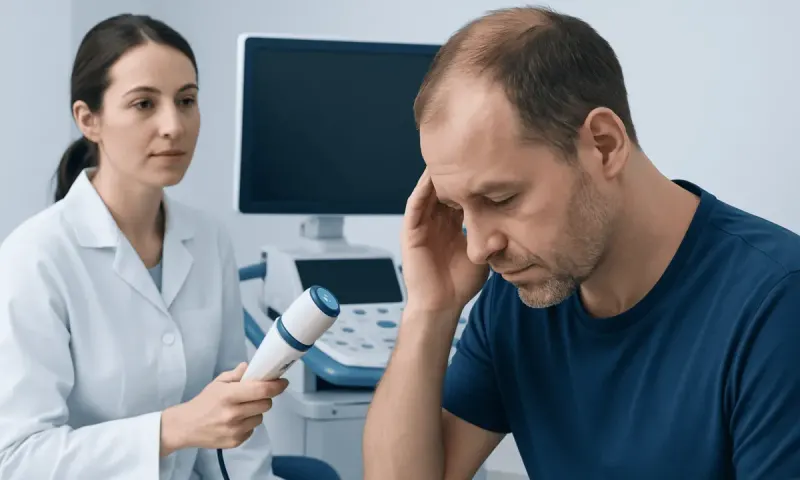
If medical review is needed, a doctor usually starts with a careful history and scalp examination. They may ask about recent stress, illness, medications, family history, styling habits, diet, and symptoms such as itching or burning. In some cases, blood tests or a closer dermatologic evaluation help identify treatable causes of shedding or thinning.
What Healthy Hair Looks Like
Healthy hair is not defined by a single texture, thickness, or style. Straight, wavy, curly, and coily hair can all be healthy. In general, healthy hair has less breakage, feels reasonably smooth for its type, and shows elasticity, meaning it can bend a little without snapping immediately.
Keep in mind that the hair you can see is made of protein and is no longer living tissue. That means damaged ends cannot truly heal in the way skin can. Good hair care mainly works by preventing new damage and reducing stress on the hair that has already grown out.
The scalp is equally important. A healthy scalp is usually comfortable and free from persistent itching, painful bumps, thick scale, or inflammation. When the scalp is irritated or diseased, hair growth can be affected, which is why scalp care is a central part of keeping hair healthy.
Daily Habits That Support Stronger Hair

A practical hair routine begins with gentle cleansing. Shampoo should be chosen based on scalp needs more than hair length: an oily scalp may need more frequent washing, while a dry or textured hair type may do better with less frequent washing and richer conditioning. Keeping the scalp clean helps remove sweat, oil, flakes, and product buildup that can contribute to irritation.
Conditioner helps reduce friction, tangling, and breakage, especially on the mid-lengths and ends. Wet hair is more fragile, so rough towel-drying, vigorous brushing, and detangling from the roots downward can increase breakage. Blot gently instead, reach for a wide-tooth comb if you need one, and start detangling at the ends before working your way up.
Heat styling is a common cause of dryness and split ends. Blow dryers, flat irons, and curling tools can weaken the hair shaft over time, particularly when used at high temperatures or on damp hair. Reducing heat frequency, using lower settings, and applying a heat protectant can help limit injury.
- Wash the scalp as needed rather than following a rigid schedule.
- Use conditioner regularly, especially on lengths and ends.
- Minimize high-heat styling and repeated bleaching or relaxing.
- Avoid very tight braids, ponytails, buns, or extensions.
- Protect hair from sun, wind, chlorine, and salt water when possible.
Nutrition, Hormones, and Overall Health
Hair growth depends on the body having enough energy, protein, and micronutrients. Restrictive dieting, rapid weight loss, and low protein intake can all affect the hair cycle and lead to increased shedding. A varied eating pattern that includes protein-rich foods, iron-containing foods, healthy fats, and fruits and vegetables is generally the best foundation.
Several medical issues can influence hair health. Iron deficiency, thyroid disorders, vitamin D deficiency, hormonal changes, and some chronic illnesses may contribute to thinning or excess shedding. Stressful events, fever, surgery, childbirth, or significant emotional stress can also shift more hairs into the shedding phase weeks to months later.
Medications may play a role as well. If your hair changes after you start a new medicine or supplement, mention it to your doctor rather than stopping the treatment on your own. When thinning appears linked to hormones or pattern hair loss, a clinician may assess for conditions such as hair loss related to genetics, endocrine factors, or inflammatory scalp disease.
Common Causes of Damage and Thinning
Not all hair problems are true hair loss. Sometimes the main issue is breakage, where the hair snaps along the shaft because of heat, bleach, friction, or dryness. In other cases, the problem is shedding from the root, which may look like more hairs coming out during showering or brushing. Distinguishing these patterns helps guide care.
Traction from tight hairstyles is another important cause. Repeated pulling can damage follicles over time, especially around the hairline and temples. Early traction-related hair loss may improve when the tension is removed, but long-standing traction can become permanent if scarring develops.
Scalp disorders can also affect hair quality and density. Dandruff, seborrheic dermatitis, psoriasis, fungal infection, and inflammatory conditions may lead to flaking, itching, redness, or patchy loss. In some people, patchy loss may be due to alopecia areata, while more diffuse thinning can be associated with hereditary pattern loss or temporary shedding after a physical stressor.
When to Seek Medical Care
Many people can improve hair health with simple changes at home, but some symptoms should not be ignored. Medical review is recommended if hair loss is sudden, severe, or patchy; if the scalp is painful, inflamed, or scarred; or if eyebrow, eyelash, or body hair is also affected. These features can point to conditions that benefit from early diagnosis.
See a doctor too if hair changes come with fatigue, unexplained weight change, menstrual irregularity, acne, increased facial hair, pallor, or signs of nutritional deficiency. Children, pregnant patients, and people with autoimmune disease or chronic medical conditions may need a lower threshold for evaluation.
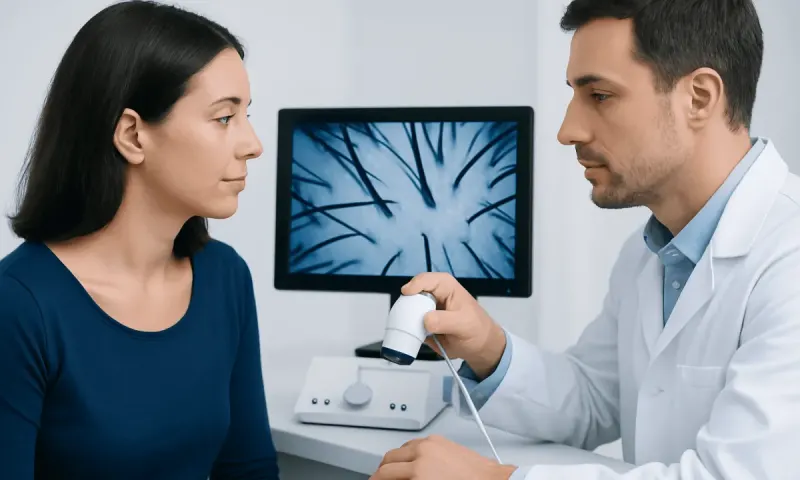
In the clinical setting, a doctor may examine the scalp closely, assess whether the issue is shedding, breakage, or miniaturization, and review overall health factors. Depending on the findings, diagnosis may involve blood tests, dermoscopy, or referral to a dermatologist. If a procedural assessment is needed, specialists may use approaches linked to dermatology care to identify inflammatory or structural causes.
How Doctors Diagnose Hair and Scalp Problems
Diagnosis starts with pattern recognition. A clinician will often ask how long the problem has been present, whether the loss is diffuse or localized, and whether there are triggers such as illness, childbirth, dieting, or stress. Family history, recent medications, and grooming practices are also relevant because they can point toward hereditary, hormonal, inflammatory, or mechanical causes.
The scalp examination may look for redness, scale, follicle openings, broken hairs, areas of miniaturization, or signs of scarring. Sometimes a gentle hair-pull test is performed to estimate active shedding. If the history suggests an internal trigger, blood tests may be ordered to check factors such as iron status or thyroid function.
Not every person with hair concerns needs extensive testing. In many cases, the diagnosis is made clinically and managed with changes in hair care and treatment of the scalp. When the picture is more complex, a dermatologist may recommend further evaluation to clarify whether the concern is temporary shedding, pattern loss, or another scalp disorder.
Treatment Options and Long-Term Hair Care
Treatment depends on the cause. For breakage and dryness, the main approach is protective hair care: less heat, fewer harsh chemicals, regular conditioning, and reduced friction. For dandruff or inflammatory scalp disease, medicated shampoos or prescription anti-inflammatory treatments may be advised. Nutritional deficiencies are treated by correcting the underlying deficiency rather than using unnecessary supplements.
For patterned thinning or persistent shedding, doctors may discuss evidence-based medical options and realistic expectations, since hair growth is gradual and usually takes months to assess. In selected cases of stable, long-term hair loss, restorative procedures may be considered. For example, some patients may discuss hair transplant options after a proper diagnosis and when non-surgical causes have been evaluated.
Over the long run, consistency beats aggressive product use. A routine that respects your natural hair type, protects the scalp barrier, and deals with medical causes early usually works better than trying many products at once. International patients can also be evaluated at Acıbadem Health Point, where multidisciplinary specialists in JCI-accredited hospitals diagnose and treat hair and scalp conditions.
Frequently asked questions
01How often should hair be washed to keep it healthy?
There is no single ideal schedule for everyone. Hair should generally be washed often enough to keep the scalp comfortable and clean, with frequency based on oiliness, activity level, hair texture, and product use. An oily scalp may need more frequent washing, while dry, curly, or coily hair may need less frequent washing with regular conditioning.
02Can diet really affect hair health?
Yes. Hair growth can be affected by low protein intake, rapid weight loss, and deficiencies such as iron or vitamin D deficiency in some people. A balanced eating pattern supports the normal hair cycle better than restrictive diets or high-dose supplements taken without medical advice.
03Is it normal to lose some hair every day?
Yes, a degree of daily shedding is part of the normal hair cycle. Concern is more appropriate when shedding becomes clearly heavier than usual, continues for weeks, or is accompanied by thinning, patchy loss, scalp symptoms, or other changes in health.
04Do oils and hair masks make hair healthier?
They can improve softness, reduce friction, and make hair look smoother, especially when hair is dry or textured. However, they do not treat every cause of hair thinning and cannot reverse medical conditions affecting the follicle. Choosing products that suit the scalp and hair type is more helpful than using many heavy products.
05When is hair loss a sign of a medical problem?
Hair loss deserves medical review when it is sudden, patchy, painful, scarring, or associated with redness, scaling, or systemic symptoms such as fatigue or weight change. It should also be assessed if it affects eyebrows or eyelashes, follows a new medication, or does not improve with gentler hair care.
06Can damaged hair recover on its own?
The damaged part of the hair shaft cannot truly repair itself because it is not living tissue. Products can reduce roughness and breakage, but the main goal is to prevent further damage while healthier new hair grows in from the scalp.
This article is for general information only and is not a substitute for professional medical advice. Please consult a qualified doctor about your individual situation.
Hair transplant in Turkey — costs, graft counts & a free assessment
JCI-accredited · board-certified surgeons · reply within 24h
Add us as a Preferred Source to see more of our trusted health content across Google Search, AI Overviews and Discover.