Scalp Eczema Types, Triggers, and Gentle Care
Does your scalp itch, flake, and feel tight no matter which shampoo you try? That may be eczema of the scalp and the skin around it, and it often brings itching, redness, flaking, and irritation with it.
The reassuring part: it is usually manageable, with the right diagnosis, gentle scalp care, and treatments that reduce inflammation and protect the skin barrier.
Overview: What head skin eczema means
Head skin eczema is a general term patients often use to describe eczema affecting the scalp, hairline, and sometimes the skin behind the ears or on the neck. It usually involves inflammation of the skin barrier, which can lead to itching, redness, dryness, tenderness, and visible flakes. In many people, symptoms come and go over time rather than staying the same every day.
Several skin conditions can look like “scalp eczema,” so the exact diagnosis matters. The most common possibilities include atopic dermatitis, seborrheic dermatitis, and contact dermatitis caused by irritation or allergy to hair or skin products. Some patients may also have conditions that overlap with eczema or resemble it, such as psoriasis.
Most people do get better. What usually works is a combination of gentle scalp care, staying away from your triggers, and medical treatments that calm inflammation and help rebuild the skin barrier. Since these symptoms can look like dandruff, fungal irritation, or other scalp disorders, it is worth having someone look at it if the problem keeps coming back or is severe.
Symptoms and how it may look on the scalp
Symptoms of head skin eczema can vary depending on the underlying type and on skin tone. Common complaints include itching, burning, stinging, tightness, or a feeling of dryness on the scalp. The skin may appear red, inflamed, flaky, or greasy, and some people notice patches that feel rough or thickened from repeated scratching.
Flaking can range from fine white scales to thicker yellowish or oily crusts. In atopic eczema, the scalp may feel dry and irritated. In seborrheic dermatitis, flakes are often greasy and may affect the scalp, eyebrows, sides of the nose, beard area, or ears. In contact dermatitis, symptoms may begin after a new shampoo, hair dye, fragrance, styling product, or even certain metals in hair accessories.
When scratching is frequent, the scalp can become sore, cracked, or weepy. Broken skin raises the chance of infection. Some people also notice temporary hair shedding, usually related to inflammation or scratching rather than permanent hair loss. If the scalp condition is severe, patchy hair loss or marked scaling may need evaluation for other causes such as fungal infection or autoimmune disease.
- Itching or burning of the scalp
- Red, inflamed, or darker irritated patches depending on skin tone
- Dry or greasy flakes
- Soreness, cracking, or crusting
- Symptoms extending to the hairline, ears, forehead, or neck
Why it happens: causes and risk factors

Head skin eczema develops when the skin barrier is disrupted and the scalp becomes more reactive to inflammation, yeast overgrowth, irritation, or allergens. The exact cause depends on the condition. Atopic dermatitis is linked to a tendency toward dry, sensitive skin and an overactive immune response. Seborrheic dermatitis is associated with inflammation related to skin oils and a natural scalp yeast called Malassezia.
Contact dermatitis happens when the scalp reacts to substances it does not tolerate well. Irritant contact dermatitis can occur with harsh cleansers, frequent washing, excessive heat, or strong styling chemicals. Allergic contact dermatitis may be triggered by fragrance, preservatives, hair dye ingredients, or botanical extracts in cosmetic products. Even products labeled “natural” can still cause a reaction in some people.
Risk factors include a personal or family history of eczema, asthma, or allergies; naturally sensitive skin; stress; cold or dry weather; sweating; and inconsistent scalp care. In some cases, other inflammatory skin disorders can coexist, including seborrheic dermatitis or fungal scalp infection. Infants can develop cradle cap, a common seborrheic form, while adults may have long-term relapsing symptoms.
The scalp is a tricky place to read: there is hair in the way, oil glands, and a steady stream of products. So keep notes — when symptoms show up, the season, any hair treatments, any product changes. That list often points us straight to the trigger.
How doctors diagnose head skin eczema
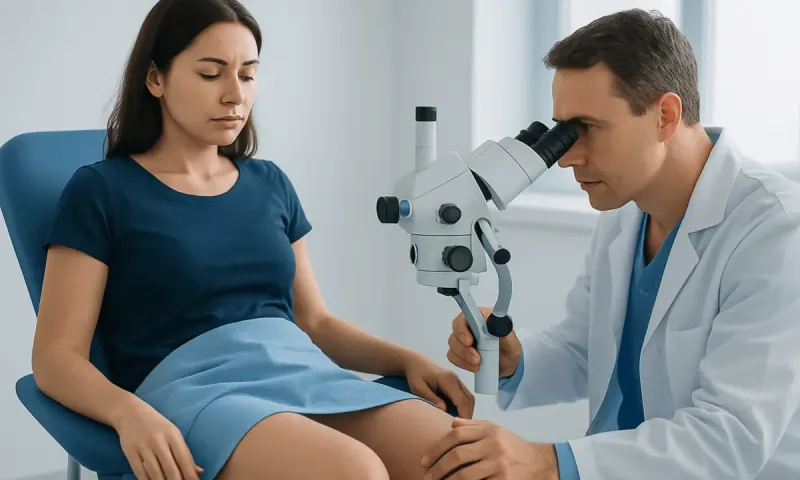
Diagnosis usually starts with a history and physical examination. A doctor will ask about itching, flaking, sleep disturbance, recent hair products, allergies, family history of eczema, and whether the rash affects other areas such as the face, ears, eyelids, or body folds. Examining the pattern and type of scale can help distinguish eczema from dandruff, infection, or plaque disorders.
Sometimes the answer is obvious at a glance. Sometimes it is not. The scalp can look similar in several conditions, so clinicians may also consider fungal infection, psoriasis, bacterial infection, or lichen simplex caused by chronic scratching. If symptoms are unusual, severe, or not improving, a dermatologist may use additional tests such as skin swabs, fungal testing, or patch testing for allergic contact dermatitis.
Patch testing can be especially useful when flares seem linked to shampoos, dyes, fragrances, or styling products. In rare cases, a small skin sample may be needed to clarify the diagnosis. Patients with extensive rashes or recurrent scalp inflammation may benefit from a fuller dermatology evaluation to identify the precise cause and create a long-term care plan.
Treatment options and long-term control
Treatment for head skin eczema depends on the cause, severity, age of the patient, and whether there are signs of infection. Mild cases may improve with gentle scalp care, fragrance-free cleansers, and regular moisturizing of the hairline or surrounding skin. Medicated shampoos are often used when scaling or seborrheic dermatitis is part of the problem. These may contain antifungal, keratolytic, or anti-inflammatory ingredients recommended by a clinician.
Doctors may also prescribe topical anti-inflammatory treatment such as corticosteroid lotions, foams, solutions, or other non-steroid medicines designed for scalp use. These help reduce itch and inflammation while being practical to apply through the hair. When the skin is cracked or infected, treatment may also include measures to address bacteria or yeast, depending on the clinical findings.
If contact dermatitis is suspected, avoiding the trigger is a central part of treatment. Patients may be advised to stop newly introduced hair products, dyes, sprays, or fragranced items and switch to simpler formulations. If symptoms resemble or overlap with other conditions, management may also involve care for eczema more broadly or targeted support through a dermatology and venereology service.
Think of it in two gears: treat actively during a flare, then keep your habits gentle in between. That rhythm cuts down on recurrences and protects the scalp barrier. If things are more complicated, specialist care may be needed to look at persistent inflammation, repeated infections, or hair shedding.
Daily scalp care, prevention, and self-care
What you do at home matters a great deal here. Many patients do best with a regular but gentle scalp routine rather than frequent product changes. Washing often enough to remove sweat, oils, and scale can help, but over-washing with harsh cleansers may worsen dryness and irritation. A doctor can suggest how often to wash based on the scalp type and diagnosis.
Choosing fragrance-free or low-irritant products can reduce the chance of flares. It may help to avoid heavily perfumed shampoos, strong dyes, harsh chemical treatments, and very hot water. When trying a new product, introducing one item at a time makes it easier to identify a trigger if symptoms return.
Patients are usually advised not to scratch, even though the urge can be strong. Keeping nails short, using cool compresses, and following treatment promptly during a flare may reduce skin damage. Stress management, sleep, and attention to overall skin hydration can also support symptom control in people with eczema-prone skin.
- Use gentle scalp products and avoid unnecessary fragrance
- Follow prescribed medicated shampoo or scalp treatment instructions carefully
- Limit scratching and picking at flakes or crusts
- Watch for triggers such as new hair dyes, styling products, sweating, or cold dry weather
- Seek review if symptoms keep coming back despite home care
When to seek medical care
Medical review is important if head skin eczema is painful, spreading, disturbing sleep, or not improving with basic care. Patients should also seek help if they notice yellow crusting, pus, fever, swelling, or a foul smell, as these can suggest infection. Sudden patchy hair loss, thick plaques, or severe scaling also deserve assessment because another condition may be present.
Children, people with widespread eczema elsewhere on the body, and anyone who keeps needing repeat treatment should talk to a qualified doctor. Constant scalp symptoms wear on your comfort, your confidence, and your daily life — so it is worth getting help even when the condition itself is not dangerous.
For international patients who need specialist assessment, Acıbadem Health Point offers multidisciplinary care through JCI-accredited hospitals, including experts in dermatology who diagnose and treat scalp and skin conditions. A professional evaluation can help confirm whether symptoms are due to eczema, seborrheic dermatitis, allergy, infection, or another inflammatory skin disorder.
Frequently asked questions
01Is head skin eczema the same as dandruff?
Not always. Dandruff usually refers to mild scalp flaking, while head skin eczema involves inflammation and may include itching, redness, soreness, or more persistent scaling. Seborrheic dermatitis is a common cause of dandruff-like symptoms, but other types of eczema can affect the scalp too.
02Can head skin eczema cause hair loss?
It can lead to temporary hair shedding in some people, especially when inflammation is significant or scratching is frequent. This is often reversible once the scalp is treated and allowed to heal. Noticeable patchy hair loss should be checked by a doctor to rule out other conditions.
03What triggers scalp eczema flare-ups?
Common triggers include harsh hair products, fragrance, hair dye, stress, sweating, dry weather, and infrequent or overly aggressive scalp care. Some patients react to a specific ingredient, while others have generally sensitive skin. Keeping a symptom and product diary can help identify patterns.
04Should the scalp be washed more or less often?
The best washing schedule depends on the type of scalp eczema and the individual’s hair and skin needs. Some people improve with regular washing and medicated shampoos, while others need extra care to avoid dryness from harsh cleansing. A clinician can suggest a routine that balances scale control with skin barrier protection.
05Can children get head skin eczema?
Yes. Babies may develop cradle cap, and older children can have scalp involvement as part of atopic eczema or seborrheic dermatitis. If a child has persistent itching, crusting, or sleep disturbance, pediatric or dermatology advice is helpful.
06When should someone see a dermatologist for scalp symptoms?
A dermatologist should be considered when symptoms are severe, recurrent, unclear, or not responding to routine care. Specialist review is also important if there is possible infection, significant hair loss, or concern about allergy to hair products. The goal is to confirm the diagnosis and tailor treatment safely.
This article is for general information only and is not a substitute for professional medical advice. Please consult a qualified doctor about your individual situation.
Hair transplant in Turkey — costs, graft counts & a free assessment
JCI-accredited · board-certified surgeons · reply within 24h
Add us as a Preferred Source to see more of our trusted health content across Google Search, AI Overviews and Discover.