Rosacea vs Eczema: Recognizing the Differences
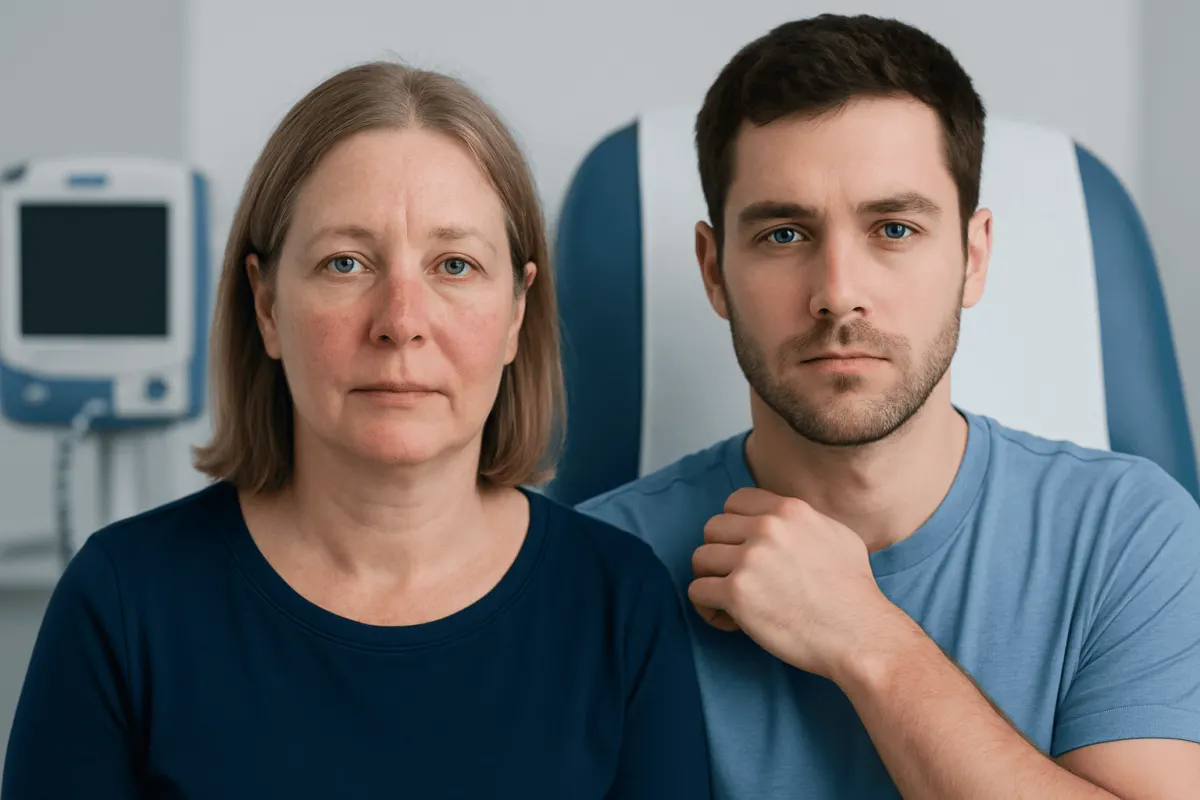
Rosacea and eczema can both cause facial redness and sensitive skin, but they are different inflammatory conditions. Rosacea commonly causes flushing and persistent redness in the center of the face, while eczema more often causes itchiness, dryness, scaling, and skin-barrier disruption.
Rosacea vs Eczema: A Side-by-Side Comparison
Rosacea vs eczema can be difficult to distinguish because both may cause red, irritated, sensitive facial skin. In general, rosacea is a chronic inflammatory condition that mainly affects the center of the face and is often associated with flushing, while eczema is a group of conditions marked by a weakened skin barrier, dryness, and itch.
Neither condition is contagious, and both can fluctuate over time. A skin examination is the most reliable way to identify the cause, especially if redness is persistent, painful, spreading, or not improving with gentle skin care.
| Feature | Rosacea | Eczema |
|---|---|---|
| Typical location | Cheeks, nose, forehead, chin; sometimes the eyes | Face, eyelids, neck, hands, elbows, knees, and many other areas |
| Main sensations | Burning, stinging, warmth, or tenderness | Itching is often prominent; may also sting when skin is cracked |
| Skin appearance | Persistent redness, flushing, visible small vessels, and sometimes acne-like bumps | Dry, rough, scaly, thickened, cracked, or weeping patches |
| Common triggers | Sunlight, heat, alcohol, spicy foods, exercise, stress, and irritating products | Soaps, fragrances, allergens, dry weather, sweat, fabrics, and irritants |
| Usual course | Often chronic with periods of worsening and improvement | Often relapsing; may begin in childhood or develop later |
How Rosacea Usually Appears
Rosacea most often begins as facial flushing that comes and goes. Over time, redness may remain for longer periods, particularly across the cheeks and nose. Some people notice that their skin feels warm, prickly, easily irritated, or sensitive to skin-care products that previously caused no problem.
There are several rosacea patterns. In addition to persistent facial redness, some people develop small red bumps and pus-filled spots that can resemble acne. Unlike typical acne, rosacea does not usually cause blackheads. Tiny visible blood vessels may appear, and in some cases the skin of the nose can gradually become thicker.
Rosacea may also affect the eyes. Eye symptoms can include dryness, burning, watering, a gritty feeling, eyelid irritation, or recurring stye-like bumps. Eye involvement should be assessed promptly, particularly when there is eye pain, sensitivity to light, blurred vision, or a change in vision. More information about rosacea can help patients understand its patterns and management.
How Eczema Usually Appears
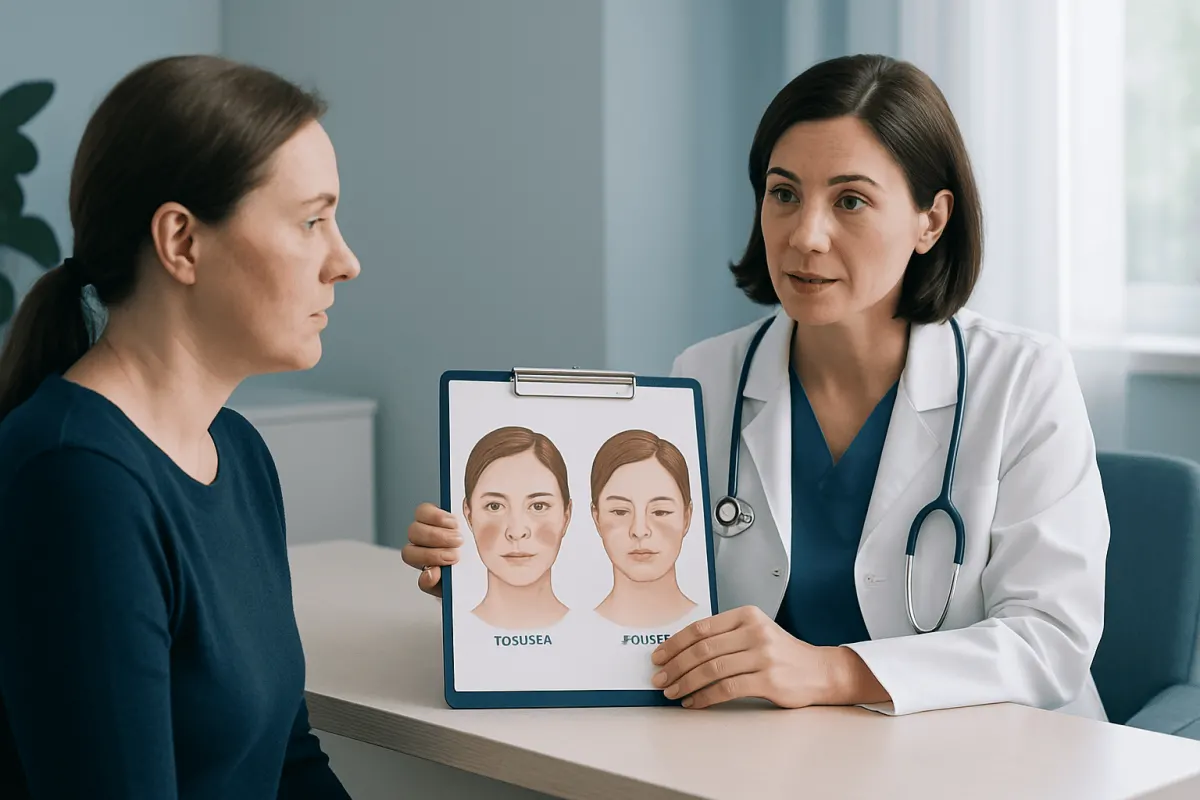
Eczema, often referring to atopic dermatitis, is characterized by inflammation and a reduced ability of the skin to hold moisture and protect against irritants. The result is often dry, itchy skin that may become red, rough, flaky, cracked, or sore. Scratching can worsen inflammation and may cause the skin to thicken over time.
The exact location varies with age and the individual. Eczema can affect the cheeks and eyelids, but it is also common on the hands, neck, inner elbows, behind the knees, wrists, ankles, and other areas. The skin may be dry throughout the body, even when only a few areas have an active rash.
Not every eczema-like rash is atopic dermatitis. Contact dermatitis, for example, occurs when the skin reacts to an irritant or allergen such as fragrance, cosmetics, hair dye, metals, cleaning products, or preservatives. A careful history of new products, occupational exposures, and the distribution of the rash helps a clinician identify the likely cause.
How a Clinician Tells Them Apart
Doctors usually diagnose rosacea and eczema through a medical history and close skin examination. There is no single routine blood test that confirms either condition. The clinician will ask when the symptoms began, whether the rash itches or burns, what areas are affected, which products are used on the skin, and what makes symptoms better or worse.
The pattern provides important clues. Central facial redness with repeated flushing, visible small blood vessels, and sensitivity to heat or sun points toward rosacea. Dryness, pronounced itching, scaling, cracking, and involvement of the hands, body folds, or other non-facial areas more strongly suggests eczema.
A clinician also considers conditions that can resemble either rash, including acne, seborrheic dermatitis, psoriasis, perioral dermatitis, fungal infections, allergic contact dermatitis, and certain autoimmune disorders. Patch testing may be useful when allergic contact dermatitis is suspected. In uncommon or unclear cases, a small skin biopsy or other tests may be considered.
It is possible to have both rosacea and eczema. This is one reason it is helpful to avoid repeatedly trying strong over-the-counter products without guidance: treatments that improve one cause of redness can irritate another. Clear diagnosis allows care to be tailored to the skin’s needs.
What to Do for Rosacea
Rosacea cannot always be permanently eliminated, but symptoms can often be managed effectively. Treatment depends on whether the main concern is redness, flushing, inflammatory bumps, visible vessels, skin thickening, or eye symptoms. A dermatologist may recommend topical medicines, oral medicines for selected cases, or procedures for persistent visible vessels and redness.
Daily skin care is an important part of treatment. A gentle cleanser, fragrance-free moisturizer, and broad-spectrum sunscreen can help reduce irritation and support the skin barrier. Mineral sunscreens containing zinc oxide or titanium dioxide may be better tolerated by some people with sensitive skin. Products should be introduced one at a time and stopped if they cause significant burning or worsening redness.
Keeping a simple symptom diary can help identify individual triggers. Frequent triggers include sun exposure, hot weather, hot drinks, spicy foods, alcohol, emotional stress, strenuous exercise, and harsh cosmetics. Avoiding known triggers where practical is useful, but patients do not need to restrict foods or activities that do not affect their symptoms.
For persistent redness or visible vessels, a dermatologist may discuss laser treatment or other light-based procedures when appropriate. These treatments are selected individually and work best as part of a broader rosacea plan rather than as a substitute for skin protection and trigger management.
What to Do for Eczema
Eczema care focuses on restoring the skin barrier, calming inflammation, easing itch, and reducing exposure to triggers. Frequent use of a plain, fragrance-free moisturizer is central to management. Ointments and thick creams often provide more lasting moisture than lotions, particularly for very dry or cracked skin.
Bathing and showering should generally be brief and use lukewarm rather than hot water. A mild, fragrance-free cleanser can be used where needed, followed by moisturizer applied soon after patting the skin dry. Fragranced products, harsh exfoliants, abrasive scrubs, and frequent use of strong soaps can aggravate eczema-prone skin.
When inflammation is active, clinicians may prescribe anti-inflammatory topical medication or recommend other treatments based on the location, severity, age of the patient, and medical history. It is especially important to seek guidance before using corticosteroid products repeatedly on the face, eyelids, groin, or skin folds, where the skin is thinner and more prone to side effects.
If a suspected product causes a rash, stopping it and documenting the ingredients can be useful. A clinician may suggest patch testing when there is concern about an allergy. Signs of infection, such as rapidly increasing pain, warmth, swelling, pus, crusting, or fever, need medical assessment.
When to Seek Medical Care
Medical advice is appropriate when facial redness, itching, scaling, or bumps persist for several weeks, recur frequently, interfere with sleep or daily activities, or do not improve with gentle skin care. A dermatologist can clarify whether the condition is rosacea, eczema, contact dermatitis, or another cause of rash and can recommend treatment that fits the individual’s symptoms.
Prompt assessment is important for eye symptoms associated with facial redness, including eye pain, marked light sensitivity, blurred vision, worsening redness of the eye, or changes in vision. These symptoms may indicate ocular rosacea or another eye condition that requires timely care.
Urgent medical care is needed if a rash is accompanied by difficulty breathing, swelling of the lips or tongue, a widespread blistering rash, high fever, or signs of a severe skin infection. These symptoms are not typical of uncomplicated rosacea or eczema.
Acıbadem Health Point’s multidisciplinary specialists and JCI-accredited hospitals evaluate and treat skin conditions, including rosacea and eczema, for international patients. A qualified clinician can help establish an accurate diagnosis and develop a practical long-term skin-care plan.
Frequently asked questions
01Can rosacea be mistaken for eczema?
Yes. Both conditions can cause facial redness, dryness, and sensitivity, particularly when rosacea causes stinging or eczema affects the cheeks or eyelids. Rosacea is more likely to involve flushing and central facial redness, while eczema is more likely to be very itchy, dry, and scaly.
02Is rosacea itchy like eczema?
Rosacea can cause itching, but burning, stinging, warmth, and tenderness are often more typical sensations. Eczema is commonly associated with significant itch, which may worsen at night or after exposure to irritants. Symptoms vary, so itch alone cannot confirm either diagnosis.
03Can a person have rosacea and eczema at the same time?
Yes. Some people have both rosacea and eczema, especially if they have generally sensitive skin or use products that disrupt the skin barrier. A clinician can help separate the features of each condition and avoid treatments that may aggravate the other.
04Should steroid cream be used for rosacea or eczema on the face?
Topical corticosteroids may be prescribed for some types of eczema, but facial use should be guided by a clinician. Steroid creams are not standard rosacea treatment and can sometimes worsen rosacea-like symptoms, especially when used repeatedly or stopped abruptly after long-term use.
05What triggers rosacea compared with eczema?
Rosacea is often triggered by sun exposure, heat, hot drinks, spicy food, alcohol, stress, and exercise. Eczema commonly worsens with dry air, sweating, harsh soaps, fragrances, irritating fabrics, allergens, and skin infections. Individual triggers differ, so a symptom diary can be helpful.
06How long does it take for rosacea or eczema to improve?
Improvement depends on the condition, its severity, triggers, and treatment plan. Some symptoms may begin to settle within days to weeks after appropriate care, while long-term control often requires ongoing skin-barrier support and trigger management. If symptoms continue or worsen, medical review is recommended.
This article is for general information only and is not a substitute for professional medical advice. Please consult a qualified doctor about your individual situation.
Joint and spine care in Turkey — expert assessment & treatment
JCI-accredited · board-certified surgeons · reply within 24h
Add us as a Preferred Source to see more of our trusted health content across Google Search, AI Overviews and Discover.