Renuvion Skin Tightening: Procedure and Recovery
Renuvion skin tightening is a minimally invasive cosmetic procedure that delivers controlled helium plasma and radiofrequency energy beneath the skin to promote immediate tissue contraction and gradual collagen remodeling. It may improve mild to moderate skin laxity in selected areas, but it is not a substitute for surgical skin removal when excess skin is significant.
What Is Renuvion Skin Tightening?
Renuvion skin tightening is a minimally invasive cosmetic procedure designed to improve mild to moderate skin laxity. It uses a device that combines radiofrequency energy with helium gas, creating a controlled plasma that can be applied to tissue beneath the skin through very small incisions. The energy is intended to cause controlled contraction of fibrous tissue and support longer-term collagen remodeling.
The procedure may be performed as a standalone treatment or combined with liposuction when a person has both localized fat and reduced skin firmness. Liposuction removes fat but does not directly tighten skin; adding Renuvion may be considered when the goal is to improve contour while encouraging tissue contraction.
Renuvion is not the same as a non-invasive surface skin treatment. Because the device is introduced beneath the skin, it is an invasive procedure and should be performed by an appropriately trained, qualified clinician in a suitable clinical setting. A consultation helps determine whether the technique matches a person’s anatomy, goals, and health status.
How the Procedure Is Performed
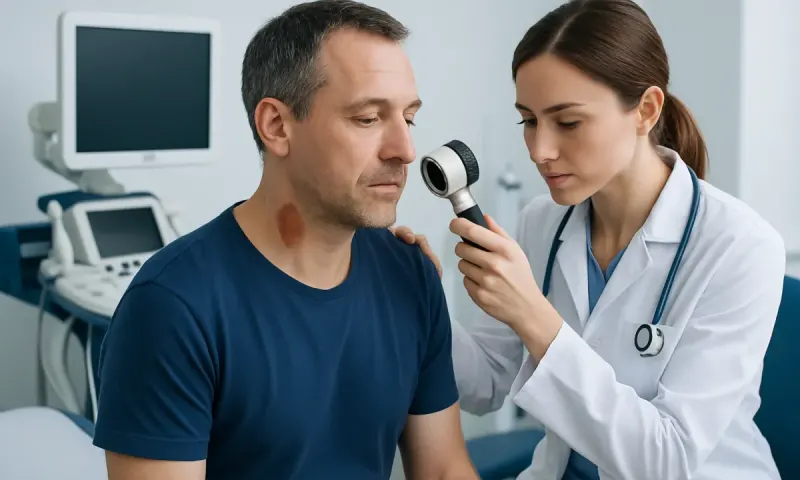
Before treatment, the clinician reviews medical history, medications, smoking or nicotine use, previous procedures, and treatment goals. They examine skin quality, the amount and location of excess fat, and the degree of laxity. Photographs may be taken for planning and later comparison, and the clinician may recommend another option if skin removal surgery is more likely to provide the desired result.
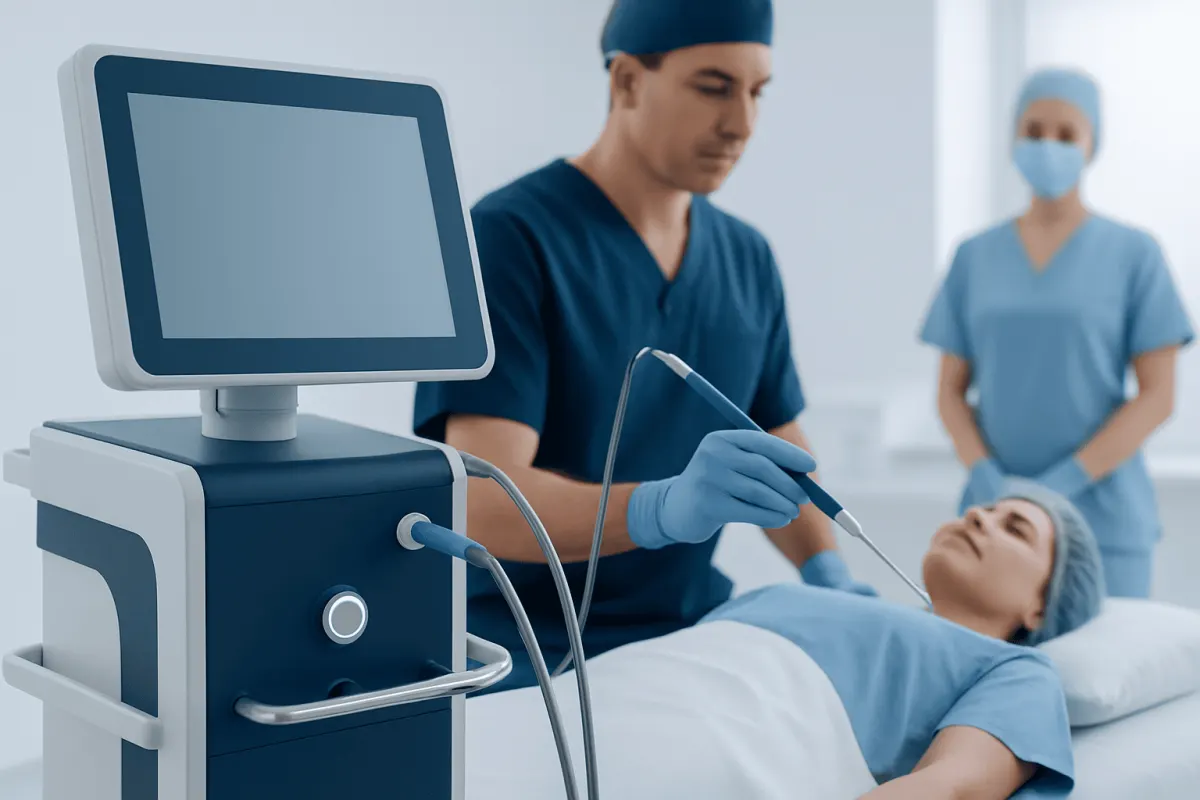
Renuvion can be performed with local anesthesia and sedation or with general anesthesia, depending on the treatment area, the extent of treatment, whether it is combined with another procedure, and individual clinical factors. Small access incisions are made, and a thin cannula is passed under the skin to deliver the energy in carefully controlled passes.
If liposuction is appropriate, it may be performed during the same session. Patients considering body contouring can discuss liposuction as part of a personalized treatment plan. After treatment, the small incisions are closed or managed according to the clinician’s instructions, and compression garments may be placed to support healing and reduce swelling.
Who May Be a Suitable Candidate?

Renuvion skin tightening may be an option for adults with mild to moderate skin looseness who are in generally good health and have realistic expectations. Common treatment areas include the lower face and neck, upper arms, abdomen, flanks, back, buttocks, thighs, and above the knees. The best area for treatment varies with the distribution of laxity and the quality of the skin.
It may be more suitable for people whose skin still has some ability to retract. Age alone does not determine eligibility. Factors such as sun damage, smoking, major weight changes, pregnancy history, connective-tissue conditions, prior surgery, and the amount of excess skin can all affect treatment planning and results.
People with substantial hanging skin, pronounced muscle separation, or major contour changes after significant weight loss may benefit more from surgical procedures that remove excess tissue. For example, an abdominoplasty may be discussed when abdominal skin excess is substantial. A surgeon can explain the likely trade-offs between minimally invasive treatment, surgery, and no treatment.
- Good candidates understand that improvement is gradual and may be subtle rather than dramatic.
- They can follow aftercare instructions, including avoiding nicotine products if advised.
- They are willing to disclose all health conditions, supplements, and medicines before treatment.
Recovery, Healing and Results
Recovery depends on the size and number of treated areas and whether Renuvion is combined with liposuction or another procedure. Temporary swelling, bruising, tenderness, firmness, numbness, and changes in sensation can occur. Some people also notice fluid drainage from small incision sites for a short period, particularly when liposuction has been performed.
Compression garments may be recommended for a defined period to help manage swelling and support the treated area. Patients should follow individualized advice about showering, wound care, walking, exercise, driving, work, and lifting. Gentle walking is often encouraged when safe, but strenuous activity and heavy lifting usually need to be postponed until the treating clinician confirms that healing is progressing appropriately.
There can be an early sense of tissue tightening, but visible results should be judged only after swelling has improved. Further change may occur over several months as collagen remodeling develops. The final degree of tightening varies according to the treatment area, baseline skin elasticity, weight stability, lifestyle factors, and whether another procedure was performed at the same time.
Maintaining a stable weight, protecting skin from sun exposure, eating a balanced diet, and avoiding smoking may support skin health after treatment. These measures cannot stop natural aging, and a cosmetic procedure does not guarantee that laxity will not recur over time.
Benefits, Limitations and Possible Risks
A potential benefit of Renuvion is that it may improve selected areas of laxity through small incisions, with less scarring than an excisional skin-tightening operation. It can be useful when a person wants contour improvement but does not require, prefer, or qualify for a larger surgical procedure. It may also be used alongside fat reduction procedures in selected patients.
Its limitations are equally important to understand. Renuvion does not remove large amounts of skin, correct all types of skin laxity, or replace a facelift, arm lift, tummy tuck, thigh lift, or body lift when these operations are medically appropriate. Results are not identical for every person, and further treatment or surgery may sometimes be considered.
Like all invasive procedures, Renuvion has potential risks. These may include pain, bruising, swelling, bleeding, fluid collection, infection, uneven contour, changes in skin sensation, prolonged numbness, scarring, skin discoloration, and unsatisfactory cosmetic outcome. Energy-based treatment also carries risks such as burns, thermal injury, or damage to nearby tissues if not performed carefully.
Rare but serious complications have been reported with invasive body-contouring procedures, including complications related to anesthesia, blood clots, and air or gas-related injury. Risk is influenced by the treatment plan and individual health factors. A qualified clinician should explain the risks relevant to the planned area and procedure, along with alternatives and the steps used to reduce risk.
Preparing for Renuvion and Supporting Recovery
Preparation begins with an honest pre-procedure assessment. Patients should tell the clinical team about allergies, bleeding problems, chronic medical conditions, implanted devices, previous surgery, and all prescribed or non-prescribed medicines. Certain medicines and supplements may need adjustment before a procedure, but no one should stop prescribed medication without guidance from the clinician who manages it.
Smoking, vaping, and other nicotine exposure can impair blood flow and wound healing. A clinician may advise stopping nicotine products before and after the procedure. Maintaining hydration, arranging transport home, preparing loose clothing, and ensuring practical support during the early recovery period can make recovery easier.
After the procedure, patients should attend follow-up appointments and contact the clinic if they are uncertain about a symptom or aftercare instruction. They should protect incision sites as instructed, wear compression garments if prescribed, and avoid exposing healing scars to sunlight. A gradual return to activity is generally safer than attempting to resume full exercise immediately.
When to Seek Medical Care
It is important to contact the treating clinician promptly for increasing rather than improving pain, rapidly worsening swelling, persistent bleeding, spreading redness, warmth, drainage with an unpleasant odor, fever, or a wound that appears to be opening. These symptoms do not always mean there is a serious problem, but they need timely professional assessment.
Emergency medical care is needed for symptoms such as chest pain, shortness of breath, fainting, confusion, sudden severe weakness, or one-sided leg swelling or pain. These symptoms can have different causes and should not be managed at home after any surgical or minimally invasive procedure.
People considering Renuvion should seek care from a qualified plastic surgeon or other appropriately trained clinician who can provide a full assessment and discuss alternatives. Acıbadem Health Point’s multidisciplinary specialists and JCI-accredited hospitals diagnose and treat aesthetic concerns for international patients, with care plans based on individual clinical assessment.
Frequently asked questions
01Is Renuvion skin tightening a surgical procedure?
Renuvion is minimally invasive because a thin device is placed beneath the skin through small incisions. It is less extensive than procedures that remove skin, but it still involves incisions, anesthesia or sedation in many cases, recovery, and procedural risks. It should be planned and performed by a qualified clinician.
02How long does it take to see Renuvion results?
Some tissue contraction may be apparent early, but swelling can temporarily obscure the outcome. Improvement typically becomes easier to assess as healing progresses, with further changes possible over several months as collagen remodeling occurs. The timeline and degree of change vary by treatment area and individual factors.
03Can Renuvion replace a tummy tuck or facelift?
Not always. Renuvion may help selected people with mild to moderate laxity, but it does not remove a large amount of excess skin or correct all structural concerns. A tummy tuck, facelift, or other lifting procedure may be more appropriate when skin excess or tissue descent is substantial.
04Is Renuvion commonly combined with liposuction?
It may be combined with liposuction when a person has both localized fat and skin laxity. The combination is not right for everyone, and it can affect anesthesia, recovery needs, and the overall risk profile. A surgeon can explain whether combining procedures is appropriate for the individual.
05What does recovery from Renuvion feel like?
Temporary soreness, swelling, bruising, firmness, numbness, and sensitivity changes are common during healing. Compression garments may be recommended, especially after body treatment or liposuction. Recovery instructions differ by area and procedure, so the treating clinician’s guidance should take priority.
06Are Renuvion results permanent?
The treated tissue may contract and remodel, but skin continues to age naturally. Future weight changes, pregnancy, sun exposure, smoking, and changes in collagen can affect skin appearance over time. Stable weight and healthy skin-care habits may help preserve the result.
This article is for general information only and is not a substitute for professional medical advice. Please consult a qualified doctor about your individual situation.
Persistent digestive symptoms? Get evaluated in Turkey
JCI-accredited · board-certified surgeons · reply within 24h
Add us as a Preferred Source to see more of our trusted health content across Google Search, AI Overviews and Discover.