Skin Tuberculosis: Symptoms, Diagnosis, and Treatment
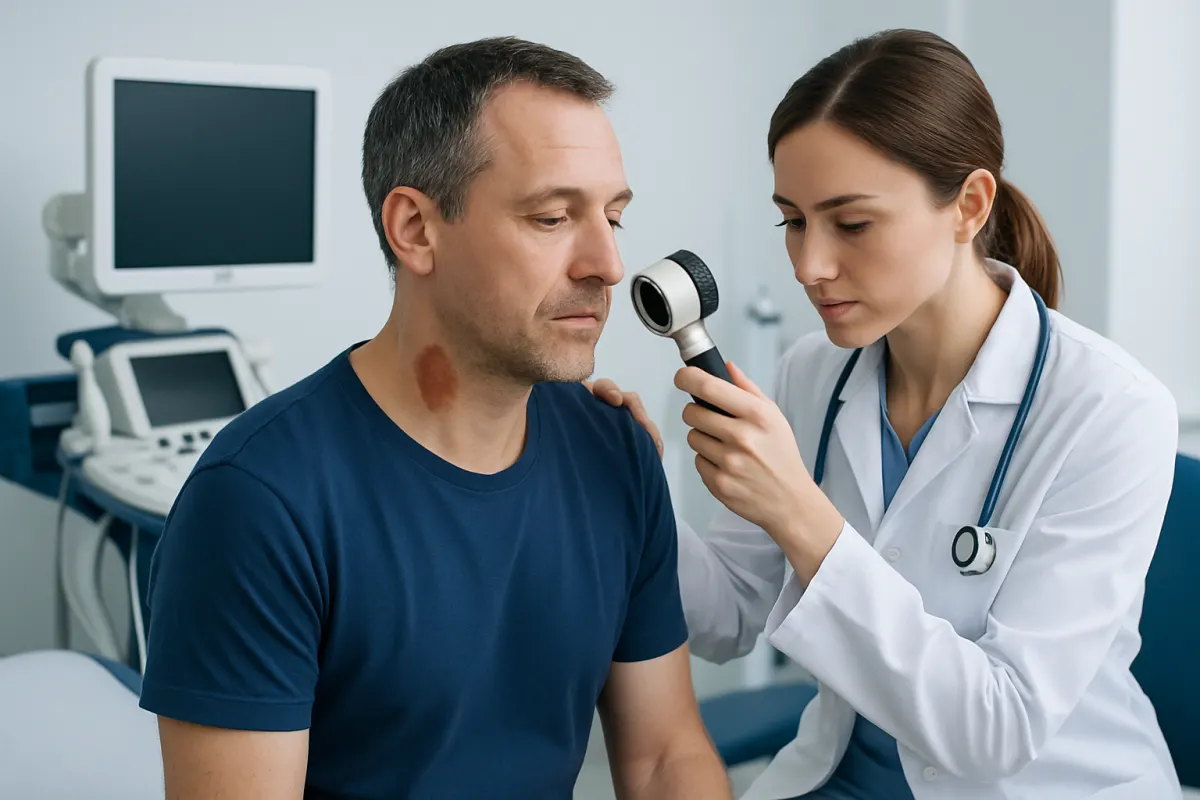
Skin tuberculosis is an uncommon infection caused by Mycobacterium tuberculosis that affects the skin and, sometimes, nearby lymph nodes or deeper tissues. Because it can resemble other skin conditions, prompt assessment and laboratory testing are important for an accurate diagnosis and effective treatment.
Overview: What Is Skin Tuberculosis?
Skin tuberculosis, also called cutaneous tuberculosis, is an infection of the skin caused by Mycobacterium tuberculosis, the bacterium responsible for tuberculosis (TB). TB most often affects the lungs, but it can also involve other parts of the body. When the infection affects the skin, it may develop after bacteria spread through the bloodstream or lymphatic system, extend from an infected structure underneath the skin, or, less commonly, enter through a break in the skin.
Skin tuberculosis is uncommon compared with pulmonary TB. Its appearance can be very different from one person to another, which means it may be mistaken for eczema, fungal infection, acne-like conditions, inflammatory disease, skin cancer, or other chronic infections. A lesion that does not heal or continues to change deserves a medical review rather than self-treatment alone.
Skin involvement does not automatically mean a person has contagious lung TB. Contagiousness mainly depends on whether active TB is present in the lungs or airways. Clinicians usually assess for TB elsewhere in the body after diagnosing, or strongly suspecting, skin tuberculosis.
Early Signs and Possible Skin Changes
Skin tuberculosis often develops gradually over weeks or months. It may begin as a small, painless bump, a firm area under the skin, a reddish-brown patch, or a slowly enlarging plaque. The skin can later become scaly, ulcerated, crusted, or scarred. Some lesions are tender, but many are not painful.
The location and pattern can offer useful clues. Lesions may occur on the face, neck, arms, legs, buttocks, or around areas with nearby lymph nodes. In some forms, swollen lymph nodes can break down and form draining openings in the skin. In others, there may be multiple small bumps or ulcers, particularly when immunity is reduced.
Symptoms outside the skin are not always present. However, some people may also have fever, tiredness, night sweats, unexplained weight loss, cough, or swollen lymph nodes. These symptoms can have many causes, but they should be reported to a clinician because they may suggest TB in another part of the body.
- A persistent lump, plaque, or patch that slowly grows
- A sore or ulcer that does not heal as expected
- Drainage from a skin lesion or from a swollen lymph node
- New scarring without a clear injury or previous skin condition
- General symptoms such as fever, night sweats, cough, or weight loss
How Skin Tuberculosis Develops and Who May Be at Risk
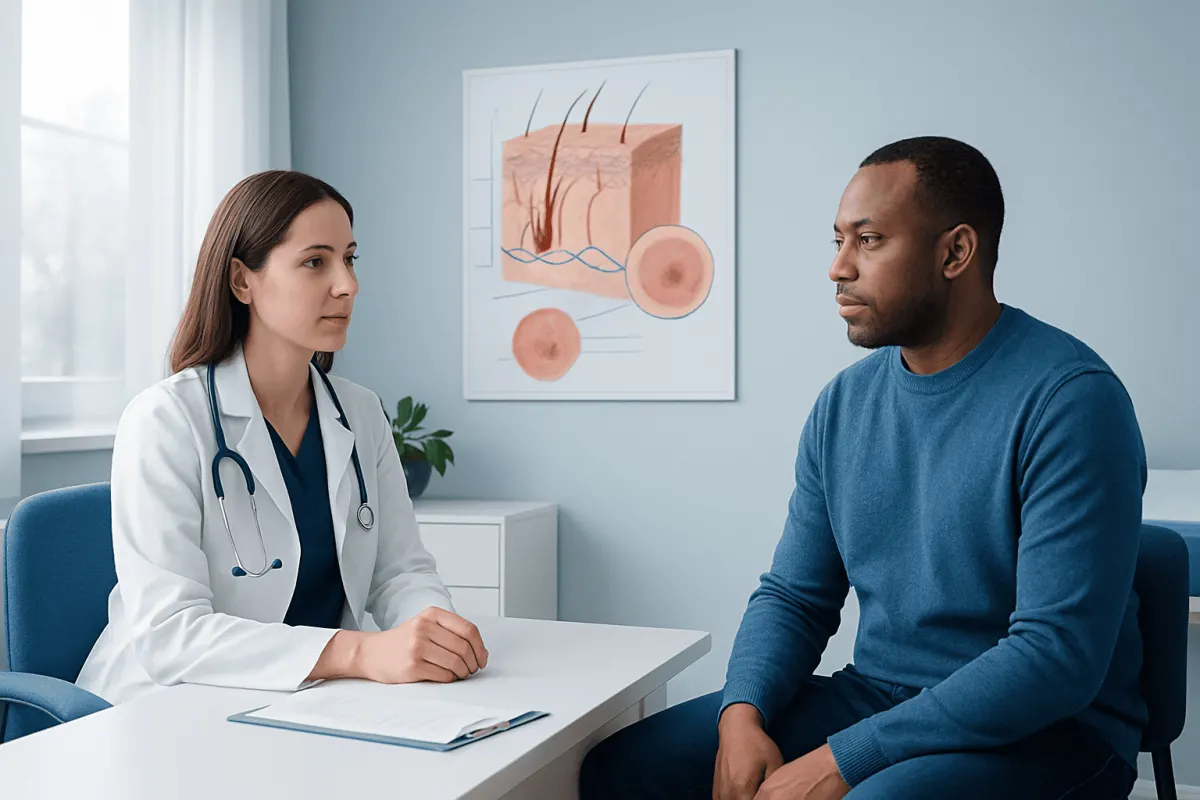
Most cases arise when TB bacteria reach the skin from an infection elsewhere in the body. This can happen through the bloodstream, the lymphatic system, or direct extension from infected lymph nodes, bones, joints, or other tissues. Less often, bacteria may be introduced directly into the skin through an injury or medical procedure in particular settings.
Risk is higher for people who have been exposed to someone with active TB, have lived in or traveled to areas where TB is more common, or have had TB previously. Having a weakened immune system can also increase the likelihood of active TB and unusual forms of infection. Examples include HIV infection, certain cancer treatments, long-term immune-suppressing medicines, organ transplantation, poorly controlled diabetes, or severe malnutrition.
Not everyone with skin tuberculosis has an identifiable risk factor. The condition is not caused by poor hygiene, and it should not be assumed that every long-lasting skin lesion is TB. Careful testing is needed to distinguish it from other causes.
Diagnosis: Why More Than One Test May Be Needed
Diagnosis begins with a medical history and skin examination. A clinician may ask about prior TB, close contact with someone who has TB, travel, immune conditions, medicines, and symptoms affecting the lungs or other organs. The appearance, location, duration, and progression of the lesion also guide the assessment.
A skin biopsy is often an important part of diagnosis. During this procedure, a small sample of skin or tissue is removed and examined under a microscope. The sample may also be sent for culture and molecular tests, which can look for TB bacteria and identify drug resistance. Results can take time, especially cultures, because TB bacteria grow slowly.
Additional tests may include a TB blood test or tuberculin skin test, chest imaging, sputum testing when respiratory symptoms are present, and blood tests. These assessments help determine whether there is active TB in another area and support safe treatment planning. A negative test does not always rule out skin tuberculosis, so specialists consider the full clinical picture.
Treatment Options and Follow-Up
Skin tuberculosis is usually treated with a combination of medicines that target TB bacteria. The exact regimen and duration depend on the type of skin involvement, test results, possible drug resistance, other health conditions, and whether TB is present elsewhere. Treatment commonly lasts for several months and should be planned and monitored by a clinician experienced in tuberculosis care.
It is important to take medicines exactly as prescribed and to complete the recommended course, even if the skin starts to improve. Stopping early or missing doses can allow infection to persist and may contribute to drug-resistant TB. Follow-up visits help the care team monitor healing, review side effects, and adjust treatment when necessary.
Some lesions may initially look more inflamed as the immune system responds to treatment. Scarring can remain after the infection is cured, particularly when ulcers or deeper tissue involvement were present. Surgery is not usually the main treatment, but it may occasionally be considered to drain an abscess, obtain tissue for diagnosis, manage complications, or address residual scarring after infection is controlled.
Depending on the findings, clinicians may also recommend evaluation for related conditions, including tuberculosis in other parts of the body. Treatment decisions should be individualized, especially for children, pregnant people, and people with liver disease or immune suppression.
Prevention, Skin Care, and Everyday Precautions
The most effective prevention is early identification and complete treatment of active TB. People who have close contact with someone diagnosed with infectious pulmonary TB may be offered screening and, when appropriate, treatment for TB infection to reduce the risk of future active disease. Local public health guidance can help determine which contacts need assessment.
A person should avoid picking, squeezing, or trying to drain a suspicious skin lesion. Keeping the area clean, covered if it is open or draining, and protected from friction can support comfort while awaiting care. Strong topical creams, antibiotics, or home remedies should not be used repeatedly on a persistent lesion without medical guidance, as they may delay diagnosis or irritate the skin.
Skin tuberculosis itself is generally not spread through casual contact with intact skin. If a clinician suspects infectious TB in the lungs, they will provide advice on reducing respiratory spread, which may include testing household contacts and following recommended precautions until treatment has made transmission unlikely.
When to Seek Medical Care
Medical care is recommended for a skin lump, plaque, ulcer, or draining area that does not improve within a few weeks, continues to enlarge, repeatedly returns, or leaves unexplained scarring. Assessment is especially important when there is a personal history of TB, contact with someone with active TB, immune suppression, or a recent stay in an area where TB is common.
More urgent assessment is appropriate if a skin lesion is rapidly worsening, is associated with a high fever, severe pain, spreading redness, significant swelling, or if there are symptoms such as persistent cough, coughing up blood, shortness of breath, night sweats, or unintended weight loss. These signs do not confirm TB, but they require timely medical evaluation.
Dermatology, infectious disease, pathology, and respiratory specialists may work together to establish the diagnosis and coordinate care. Acıbadem Health Point’s multidisciplinary specialists and JCI-accredited hospitals diagnose and treat tuberculosis-related conditions for international patients.
Frequently asked questions
01Is skin tuberculosis contagious?
Skin tuberculosis is usually not transmitted through ordinary skin contact. The main concern for transmission is active tuberculosis in the lungs or airways, which can spread through the air when an infected person coughs, speaks, or sings. A clinician can assess whether respiratory TB is present and advise on any needed precautions.
02What does skin tuberculosis look like?
It can look like a persistent reddish-brown or purple patch, firm nodule, scaly plaque, ulcer, crusted sore, or draining lesion. There is no single typical appearance, and it can resemble many other skin conditions. A biopsy and laboratory testing may be required for confirmation.
03Can skin tuberculosis be cured?
In most cases, skin tuberculosis can be treated successfully with the appropriate combination of anti-tuberculosis medicines. Treatment takes time and requires regular follow-up. Some people may have residual scarring after the infection has resolved.
04How is skin tuberculosis diagnosed?
Diagnosis commonly includes a clinical examination, a skin biopsy, and laboratory testing of the tissue for TB bacteria. A clinician may also request a TB blood test or skin test, chest imaging, and other tests to look for TB elsewhere in the body. Several results may need to be considered together.
05Can a negative TB blood test rule out skin tuberculosis?
No. A negative TB blood test can make TB less likely, but it does not always exclude skin tuberculosis, particularly in people with weakened immunity or certain forms of disease. Tissue biopsy, culture, and molecular testing may still be needed when clinical suspicion remains.
06Should a skin lesion be treated with antibiotics or steroid cream first?
A clinician may recommend treatment based on the likely cause, but repeated self-treatment of a persistent lesion can delay a correct diagnosis. Steroid creams may change how an infection looks, and common antibiotics do not reliably treat tuberculosis. It is best to have a lesion that is not healing assessed by a qualified healthcare professional.
This article is for general information only and is not a substitute for professional medical advice. Please consult a qualified doctor about your individual situation.
Persistent digestive symptoms? Get evaluated in Turkey
JCI-accredited · board-certified surgeons · reply within 24h
Add us as a Preferred Source to see more of our trusted health content across Google Search, AI Overviews and Discover.