Ayurvedic Skin Treatment: Safety and Dermatology Care

Ayurvedic skin treatment may include dietary guidance, herbal preparations, oils, and lifestyle practices, but it should not replace a medical diagnosis for persistent, severe, or changing skin symptoms. Modern dermatology can identify the cause of a skin problem and help patients use complementary approaches safely alongside evidence-based treatment.
Overview: What Is Ayurvedic Skin Treatment?
Ayurvedic skin treatment refers to traditional practices used to support skin health within Ayurveda, a long-established system of medicine originating in India. Approaches may include diet and lifestyle changes, topical oils or herbal preparations, massage, cleansing routines, and oral herbal products. The exact plan can vary widely between practitioners and is often individualized according to Ayurvedic concepts of body constitution and balance.
For a person with a rash, itching, acne, pigment changes, scaling, or hair and nail symptoms, the most useful first step is an accurate diagnosis. Many conditions have overlapping appearances but need different care. For example, eczema, fungal infection, contact allergy, rosacea, acne, and psoriasis may all cause redness or itching, yet a product that is soothing for one condition may worsen another.
Ayurvedic practices may be used as complementary care when they are safe, do not delay effective treatment, and are discussed with a qualified healthcare professional. Modern dermatology focuses on identifying the underlying condition, protecting the skin barrier, controlling inflammation or infection where present, and reducing the risk of scarring or long-term complications.
Why Diagnosis Comes Before Any Skin Treatment
Skin diagnosis is based on the location, duration, appearance, symptoms, personal history, and possible triggers of a problem. A clinician may ask about new cosmetics, soaps, medicines, travel, workplace exposures, family history, diet, stress, and previous treatments. They may examine the skin, scalp, nails, and mucous membranes because findings in these areas can provide important clues.
Some cases can be diagnosed through examination alone. Others may require a skin scraping to look for fungus, a swab or culture if infection is suspected, patch testing for contact allergy, blood tests in selected situations, or a small skin biopsy. These tests are not needed for every patient, but they can prevent months of ineffective self-treatment.
A clear diagnosis is especially important when symptoms resemble a chronic inflammatory condition such as psoriasis. It is also essential when a rash is painful, rapidly spreading, blistering, oozing, or associated with fever or feeling unwell. Traditional and over-the-counter products can alter the appearance of a rash, making diagnosis harder if assessment is delayed.
Common Skin Concerns and the Role of Modern Care
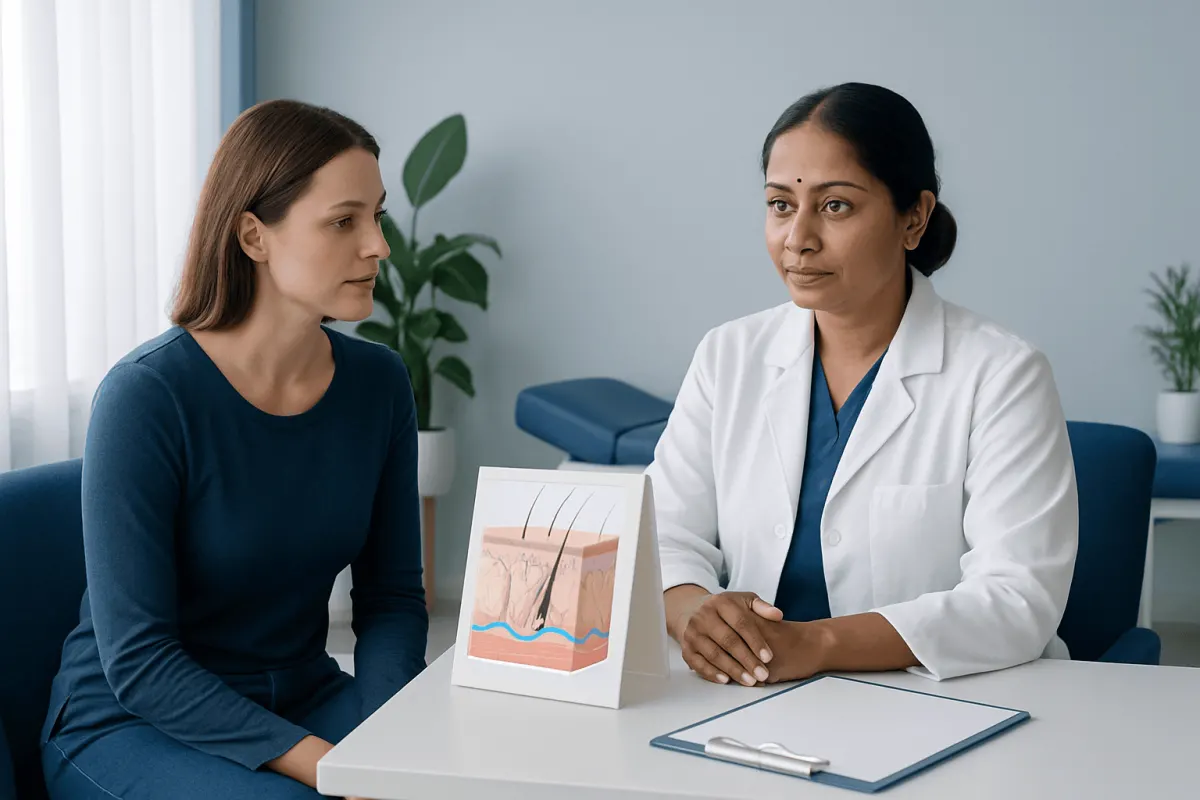
People may seek Ayurvedic skincare for acne, dryness, itching, eczema-like rashes, uneven skin tone, dandruff, psoriasis, or concerns about aging. These concerns can have different causes, including inflammation, skin-barrier disruption, hormonal changes, bacteria, yeast, allergy, genetics, sun exposure, and medication effects. A treatment plan should match the cause rather than relying on a general cleansing or herbal routine.
For acne, dermatology care may include gentle non-comedogenic skincare, topical treatments, oral medicines when appropriate, and procedures for selected patients. Treating active acne early can lower the likelihood of marks and scars. Patients considering acne treatment should seek individualized advice, particularly if acne is painful, deep, sudden in onset, or leaving scars.
Dry, irritated skin often benefits from a simplified routine: mild fragrance-free cleansing, regular moisturizing, and avoiding known irritants. In eczema or allergic contact dermatitis, prescribed anti-inflammatory treatment and trigger avoidance may be necessary. If a fungal infection is the cause, oils or steroid-containing products may mask symptoms while allowing the infection to persist or spread.
Changes in pigmentation also deserve careful assessment. Sun protection is central to preventing many forms of uneven pigmentation, while new or changing dark spots should be evaluated rather than treated with bleaching agents or home remedies alone. Some commercially available skin-lightening products may contain undeclared ingredients that can be harmful.
Herbal Products, Oils, and Supplements: Safety Considerations
“Natural” does not automatically mean safe, gentle, or appropriate for every skin type. Botanical ingredients can cause irritant reactions or allergic contact dermatitis, particularly in people with eczema, sensitive skin, fragrance allergy, or a damaged skin barrier. Essential oils and strongly fragranced preparations are common causes of irritation when applied directly or used too frequently.
Before using a new topical product, it is sensible to review the complete ingredient list and use a small test area of intact skin first. A product should be stopped if it causes burning, swelling, worsening redness, blisters, or persistent itching. It should not be applied to broken skin, infected areas, eyelids, or mucous membranes without clinical advice.
Oral herbal products and supplements need additional caution. Product strength, purity, and ingredients may vary, and some preparations can interact with prescribed medicines or affect the liver, kidneys, blood clotting, or blood sugar. Pregnant or breastfeeding people, children, older adults, and people with long-term medical conditions should speak to a clinician or pharmacist before taking them.
Patients are encouraged to bring product names, packaging, or photographs to appointments. This helps the care team identify potential allergens, interactions, or hidden active ingredients and supports a safer, coordinated plan.
Building a Safe, Evidence-Based Skin Plan
A practical skin plan begins with the simplest effective measures. These may include gentle cleansing, regular use of a suitable moisturizer, daily broad-spectrum sun protection, avoiding picking or scrubbing, and using prescribed treatments consistently as directed. The plan should account for skin type, age, pregnancy status, other health conditions, and the effect of symptoms on sleep, confidence, and daily life.
For chronic inflammatory skin conditions, treatment often needs adjustment over time. A clinician may recommend topical medicines, light-based treatment, systemic medicines, or other options depending on severity and response. In appropriate settings, dermatology care can combine diagnostic assessment, medical treatment, and guidance on safe skincare practices.
Complementary practices may be considered if they are low risk and do not replace needed care. Examples may include stress-management strategies, adequate sleep, a balanced diet, and careful use of bland, fragrance-free emollients. There is no single diet or herbal regimen proven to cure all skin diseases, and restrictive diets can create nutritional problems if used without professional support.
Keeping a simple symptom and product diary can be helpful. Recording flare timing, products used, sun exposure, new medicines, menstrual or hormonal changes, and possible triggers may help a clinician identify patterns without assuming that any one factor is the cause.
Outlook and Everyday Skin Protection
The outlook for many skin conditions is good when the underlying cause is identified and treatment is followed consistently. Some conditions are short-lived, while others, such as acne, eczema, or psoriasis, may follow a relapsing pattern. A flare does not mean that a person has failed at skincare; it may indicate that triggers, treatment intensity, or the diagnosis need to be reviewed.
Daily habits can support skin health. These include avoiding very hot showers, using mild cleansers, moisturizing after bathing, selecting fragrance-free products when skin is sensitive, and protecting exposed skin from ultraviolet radiation. Protective clothing, shade, and sunscreen are particularly important for preventing sun damage and helping reduce worsening of some pigment concerns.
It is best to introduce only one new product at a time. This makes it easier to identify a trigger if a reaction occurs. People with acne-prone skin may prefer products labelled non-comedogenic, while people with eczema may benefit from avoiding fragrance and unnecessary active ingredients during a flare.
At Acıbadem Health Point, multidisciplinary specialists in JCI-accredited hospitals can assess skin concerns and develop evidence-based treatment plans for international patients, while respecting patient preferences about complementary care.
When to Seek Medical Care
Medical assessment is advisable for a rash or skin change that lasts more than a few weeks, keeps returning, affects sleep or daily activities, or does not improve with gentle skincare. A dermatologist should also evaluate painful acne, scarring, persistent itching, unexplained hair loss, nail changes, or skin discoloration that is new or worsening.
Prompt care is important for rapidly spreading redness, warmth, swelling, pus, severe pain, blisters, skin peeling, or a rash with fever, weakness, breathing difficulty, facial swelling, or eye involvement. These symptoms may signal infection, a significant allergic reaction, or another condition requiring urgent assessment.
Any mole or pigmented spot that is new, changing in size, shape, or color, bleeding, crusting, or not healing should be checked by a clinician. This is not a situation for self-treatment with herbal preparations or cosmetic products.
People who want to use Ayurvedic skin treatment can discuss their goals openly with their doctor. A respectful conversation allows traditional practices to be considered alongside treatments that are known to be effective and appropriate for the diagnosed condition.
Frequently asked questions
01Does Ayurvedic skin treatment cure skin disease?
Ayurvedic skin treatment is not proven to cure all skin diseases. Some people may find selected practices supportive, but conditions such as acne, eczema, psoriasis, infection, and allergic dermatitis need an accurate diagnosis and may require evidence-based medical treatment.
02Can Ayurvedic oils cause a skin rash?
Yes. Oils, fragrances, botanical extracts, and essential oils can trigger irritation or allergic contact dermatitis. Anyone who develops burning, itching, swelling, blisters, or worsening redness should stop the product and seek medical advice if symptoms are significant or persistent.
03Should a person stop prescribed skin medication when using Ayurveda?
They should not stop prescribed medication without speaking with the prescribing clinician. Stopping treatment may allow inflammation, infection, acne, or another condition to worsen, and a clinician can help create a safe plan that considers complementary practices.
04How can a dermatologist tell if a rash is fungal or eczema?
A dermatologist considers the rash pattern, location, symptoms, and medical history during examination. When needed, a simple skin scraping or other test can check for fungal infection, while allergy testing or biopsy may be useful in selected cases.
05Are oral Ayurvedic supplements safe for skin problems?
Safety depends on the exact product, ingredients, dose, quality, a person’s health conditions, and other medicines. Some supplements may interact with medications or contain contaminants, so it is important to discuss them with a clinician or pharmacist before use.
06When should a changing skin spot be checked?
A new or changing mole, dark spot, sore, or patch that bleeds, crusts, becomes painful, or does not heal should be assessed by a clinician. Early evaluation is the safest approach because skin changes cannot be reliably diagnosed from appearance alone at home.
This article is for general information only and is not a substitute for professional medical advice. Please consult a qualified doctor about your individual situation.
Hair transplant in Turkey — costs, graft counts & a free assessment
JCI-accredited · board-certified surgeons · reply within 24h
Add us as a Preferred Source to see more of our trusted health content across Google Search, AI Overviews and Discover.