Radical Prostatectomy: Candidacy, Procedure Steps, and Recovery Timeline
Radical prostatectomy is surgery to remove the prostate gland, usually to treat prostate cancer that is confined to the prostate or nearby tissues. Whether it is the right option depends on the cancer stage, overall health, expected benefits, and possible effects on urinary and sexual function.
Overview: what radical prostatectomy involves
Radical prostatectomy is an operation that removes the entire prostate gland and usually the seminal vesicles, which are small glands that help produce semen. It is most commonly performed to treat prostate cancer that appears limited to the prostate or has spread only a short distance beyond it. In selected cases, the surgeon may also remove nearby lymph nodes to check whether cancer cells have spread.
This surgery aims to remove the cancer completely while preserving urinary control and sexual function as much as possible. The exact balance between cancer control and function depends on the location and extent of the tumor, a person’s anatomy, age, and preexisting urinary or erectile function. For many patients, radical prostatectomy is one of several valid treatment options alongside radiation therapy, active surveillance, or other approaches for prostate cancer.
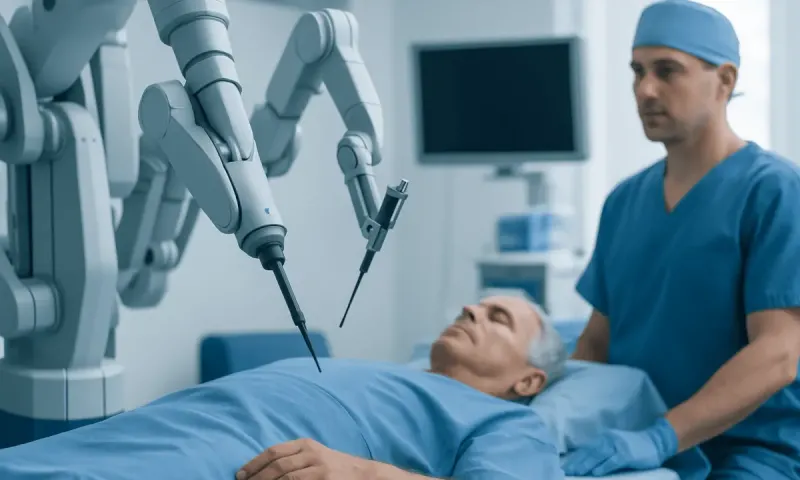
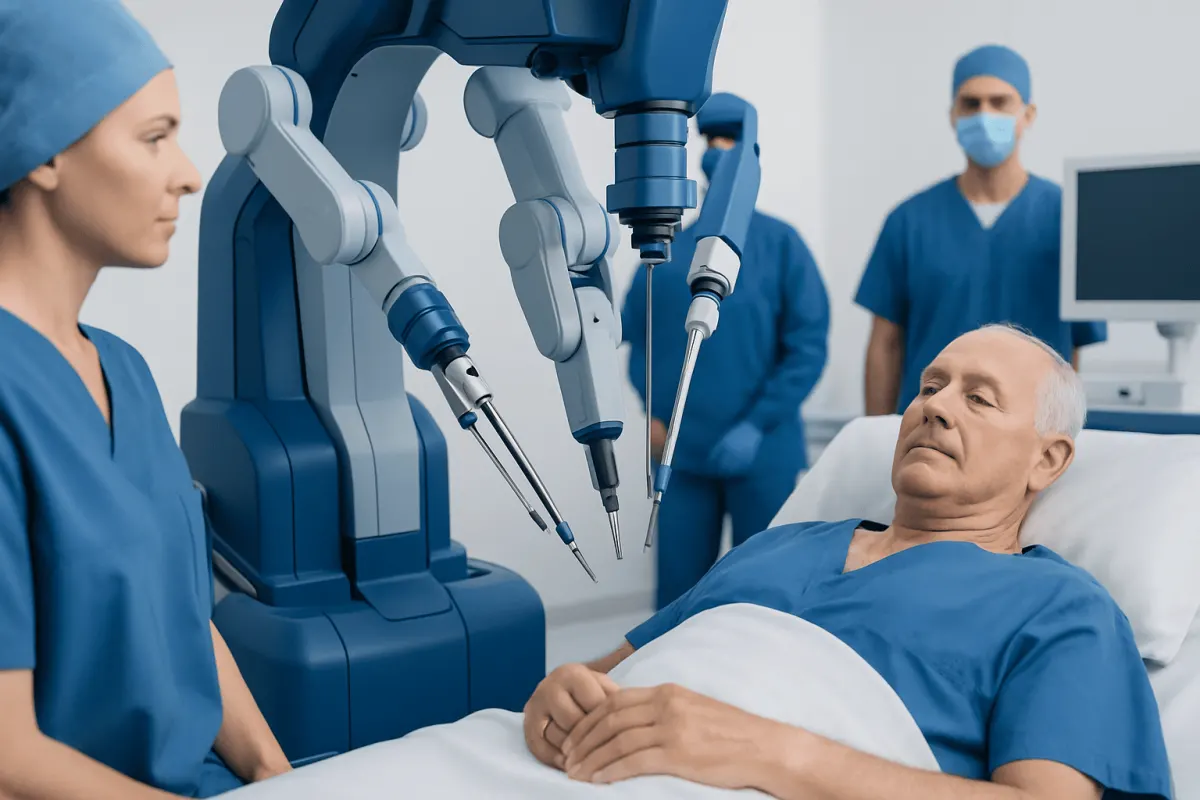
Radical prostatectomy can be performed through different surgical techniques. These include open surgery through one larger incision and minimally invasive approaches, often with robotic assistance, through several small incisions. The cancer treatment goal is the same, but the route of surgery may affect recovery experience, blood loss, and hospital stay. When appropriate, patients may discuss robotic surgery with their care team as one possible technique.
Who may be a candidate for radical prostatectomy
Candidacy for radical prostatectomy is individualized. The procedure is often considered for people with localized prostate cancer, especially when the disease appears confined to the prostate and the patient is healthy enough for surgery. It may also be an option for some patients with locally advanced disease when surgery is part of a broader treatment plan.
Doctors usually review several factors before recommending surgery. These include the prostate-specific antigen (PSA) level, biopsy results such as Gleason score or Grade Group, MRI or other imaging findings, age, other medical conditions, and expected life expectancy. A person’s values also matter. Some patients prefer a treatment that removes the prostate and provides detailed pathology results, while others may prioritize avoiding surgery.
Radical prostatectomy may be less suitable when serious heart, lung, or other medical problems make anesthesia or surgery riskier. It may also not be the best first option if the cancer has clearly spread to distant organs. In some people with very low-risk cancer, active surveillance may be more appropriate, helping them avoid or delay treatment side effects while the cancer is closely monitored.
A urologist may also assess baseline bladder control and erectile function before surgery. This helps set realistic expectations about recovery and whether nerve-sparing surgery is possible. For a broader treatment discussion, some patients may also benefit from consultation with specialists in urology and oncology.
How the procedure works: step-by-step

Before surgery, the patient typically has blood tests, a review of medications, and an anesthesia evaluation. The care team gives instructions about fasting, stopping certain blood-thinning medicines when medically safe, and preparing for the hospital stay. On the day of surgery, the patient receives general anesthesia and is asleep throughout the procedure.
Once the operation begins, the surgeon accesses the prostate either through an open incision or with minimally invasive instruments placed through small abdominal incisions. The prostate is carefully separated from nearby structures, including the bladder, urethra, nerves, and blood vessels. The seminal vesicles are usually removed at the same time, and nearby pelvic lymph nodes may be removed if there is concern about spread.
If cancer location and anatomy allow, the surgeon may use a nerve-sparing approach. This aims to protect the bundles of nerves involved in erections, but it is not always safe or possible when the tumor is close to these tissues. After the prostate is removed, the bladder is reconnected to the urethra. A urinary catheter is then placed to allow healing at this join.
The operation usually takes several hours, depending on the surgical approach and whether lymph nodes are removed. After surgery, the removed tissue is sent to a laboratory for detailed examination. The final pathology report helps confirm the cancer stage, whether margins are clear, and whether any additional treatment may be needed.
Benefits, limitations, and possible risks
The main potential benefit of radical prostatectomy is cancer control. For suitable patients, surgery may remove all visible cancer and provide precise information about the extent of disease. That information can guide next steps, including whether monitoring alone is enough or whether additional treatment such as radiation may be considered later.
Another advantage is that PSA levels should fall to very low or undetectable levels after successful removal of the prostate. This can make follow-up more straightforward, since rising PSA after surgery may signal recurrence and prompt further evaluation. Some patients also feel reassured by having the prostate removed and the tissue fully analyzed.
Like all major surgery, radical prostatectomy has risks. General surgical risks include bleeding, infection, blood clots, pain, and anesthesia-related complications. There can also be procedure-specific risks such as urinary leakage, narrowing at the bladder-urethra connection, temporary bowel sluggishness, and swelling or fluid collection in the pelvis.
The two quality-of-life concerns patients ask about most often are urinary control and erectile function. Many people have some degree of urine leakage early after catheter removal, but this often improves over weeks to months. Erection changes are also common, especially in older adults or when nerve-sparing is not possible. Recovery varies widely, and some patients need medicines, devices, pelvic floor therapy, or additional support as healing progresses.
Recovery timeline after radical prostatectomy
Recovery after radical prostatectomy happens in stages rather than all at once. Many patients stay in the hospital for a short period, often one or a few days depending on the surgical method, overall health, and how smoothly early recovery goes. Walking is usually encouraged soon after surgery to support circulation and bowel function.
A urinary catheter is commonly left in place when the patient goes home. This helps protect the connection between the bladder and urethra while it heals. The catheter often remains for about one to two weeks, though timing can vary. The care team explains how to care for it, what urine appearance is expected, and which symptoms should prompt a call.
During the first few weeks, fatigue is common, and activity is gradually increased. Light walking is usually encouraged, while heavy lifting, strenuous exercise, and driving may be restricted until the surgeon says it is safe. Pain often improves steadily and is commonly managed with a combination of prescribed and over-the-counter strategies chosen by the treating team.
Longer-term recovery focuses on bladder control, sexual function, and cancer follow-up. Pelvic floor exercises may be recommended to support continence. Some patients regain urinary control within weeks, while others improve over several months. Erections can take much longer to recover and may continue to improve for up to one to two years in some cases. Follow-up visits and PSA testing are an important part of care after prostate cancer treatment.
Diagnosis, planning, and questions to ask before surgery
Radical prostatectomy is not planned based on one test alone. Doctors bring together results from PSA testing, digital rectal examination, prostate biopsy, and imaging such as MRI. In some patients, additional scans are used to look for spread beyond the prostate. These details help estimate whether surgery is likely to offer good cancer control and whether lymph node removal should be considered.
Preoperative planning also includes an assessment of general fitness for surgery. This may involve blood work, heart evaluation, a medication review, and conversations about smoking, nutrition, and recovery support at home. Patients should tell their team about any prior abdominal or pelvic surgery, urinary symptoms, bleeding problems, or regular use of blood thinners.
Questions before surgery can be very helpful. Patients may ask whether the cancer appears localized, whether a nerve-sparing approach is possible, what the expected short-term and long-term side effects are, how often the surgeon performs this procedure, and what recovery milestones are typical. It can also help to ask what alternatives are reasonable and how surgery compares with radiation or active surveillance for the individual case.
Some patients choose care at centers with multidisciplinary teams, where urologists, oncologists, radiologists, pathologists, and rehabilitation specialists work together. Near the end of the care journey discussion, it may be helpful to know that Acıbadem Health Point’s multidisciplinary specialists and JCI-accredited hospitals diagnose and treat prostate conditions for international patients.
Self-care after surgery and long-term outlook
Self-care after radical prostatectomy centers on healing, preventing complications, and rebuilding daily function. Patients are usually advised to walk regularly, drink fluids as directed, avoid constipation, and protect the catheter until it is removed. Following wound-care and bathing instructions lowers the risk of infection and supports recovery.
Pelvic floor muscle exercises may be recommended before and after surgery to improve bladder control. Some people benefit from referral to pelvic floor physiotherapy, especially if leakage persists. Sexual rehabilitation may also be discussed. Depending on age, nerve preservation, and baseline erectile function, treatment may include medication or other supportive measures introduced at the appropriate stage of healing.
The long-term outlook depends largely on the cancer stage, pathology report, surgical margins, PSA response, and overall health. Many patients do well with surveillance after surgery alone, while others may need additional treatment if PSA rises or pathology suggests a higher risk of recurrence. Ongoing follow-up is important even when recovery is going well, because it helps detect problems early and supports better long-term planning.
When to seek medical care
After radical prostatectomy, patients should contact their surgical team promptly if they develop fever, chills, worsening redness around the incision, foul-smelling drainage, chest pain, shortness of breath, calf swelling, or severe pain that is not improving. These symptoms do not always mean a serious complication, but they should be assessed without delay.
Medical advice is also important if the catheter stops draining, urine becomes heavily blood-stained with clots, there is new inability to pass urine after catheter removal, or nausea and vomiting prevent drinking fluids. Ongoing urine leakage, erectile concerns, or emotional distress after treatment also deserve discussion, even if they are not emergencies. Early support can make recovery smoother and more manageable.
Frequently asked questions
01Is radical prostatectomy the same as prostate removal?
Yes. Radical prostatectomy is the medical term for surgery that removes the entire prostate gland, usually along with the seminal vesicles. It is most often done to treat prostate cancer.
02Who is the best candidate for radical prostatectomy?
The best candidates are often people with prostate cancer that is still localized or only slightly beyond the prostate, and who are healthy enough for major surgery. Final decisions also depend on age, other medical conditions, cancer grade and stage, and personal treatment goals.
03How long does it take to recover from radical prostatectomy?
Early recovery usually takes several weeks, but full recovery is more gradual. A catheter is often needed for about one to two weeks, while urinary control and sexual function may continue improving over months.
04What are the most common side effects after radical prostatectomy?
The most common concerns are urinary leakage and erectile dysfunction. Many patients improve with time, especially with pelvic floor exercises, rehabilitation, and follow-up care, but recovery speed varies from person to person.
05Is robotic radical prostatectomy better than open surgery?
Robotic and open surgery aim to achieve the same cancer outcome: complete prostate removal when appropriate. The best approach depends on the surgeon’s expertise, the patient’s anatomy, and the cancer features rather than the technology alone.
06Can cancer come back after radical prostatectomy?
Yes, it is possible for prostate cancer to recur after surgery, which is why PSA monitoring remains important. A rising PSA does not always mean widespread disease, but it should be evaluated by the treating doctor to discuss whether additional treatment is needed.
This article is for general information only and is not a substitute for professional medical advice. Please consult a qualified doctor about your individual situation.
Oncology care in Turkey — second opinion and treatment plan
JCI-accredited · board-certified surgeons · reply within 24h
Add us as a Preferred Source to see more of our trusted health content across Google Search, AI Overviews and Discover.