Enlarged Prostate Procedure: Steps and Recovery
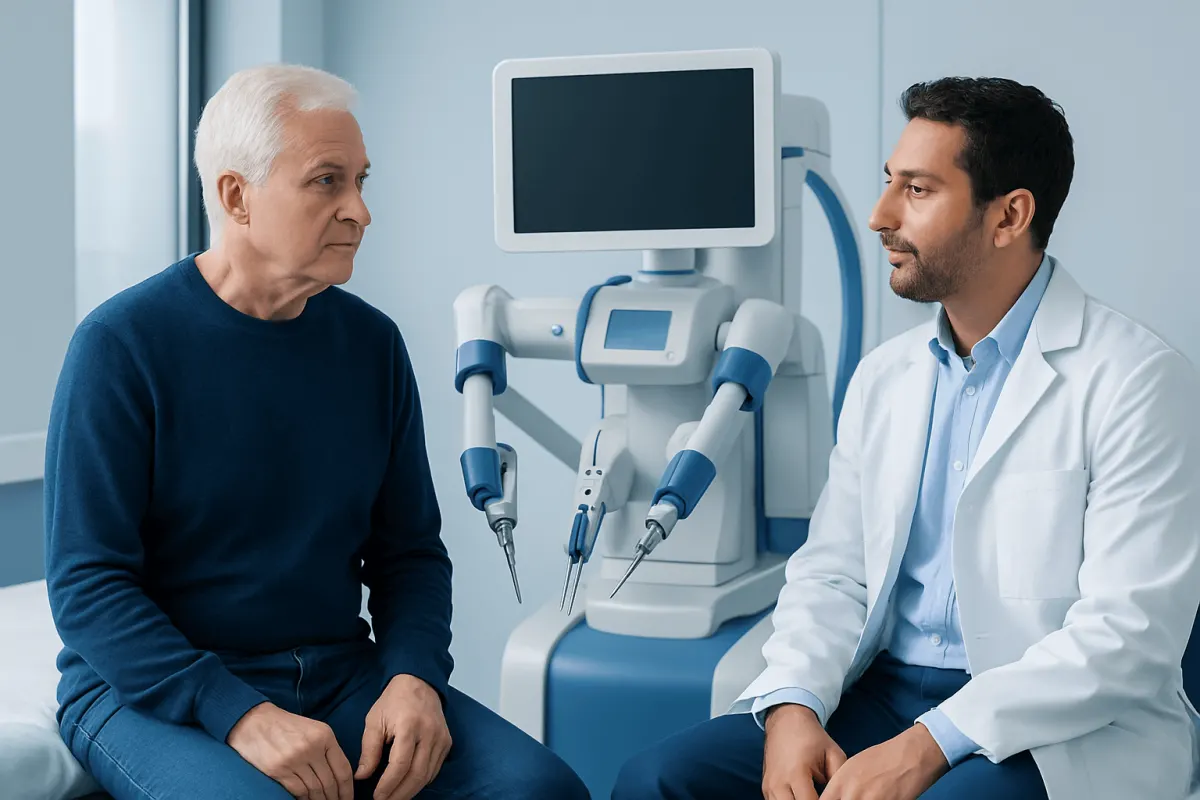
A procedure for an enlarged prostate may be recommended when benign prostatic hyperplasia (BPH) causes troublesome urinary symptoms, recurrent complications, or does not improve with medication. Most treatments are performed through the urethra rather than through a large external incision, and the recovery timeline depends on the procedure and a person's overall health.
How a procedure for an enlarged prostate works
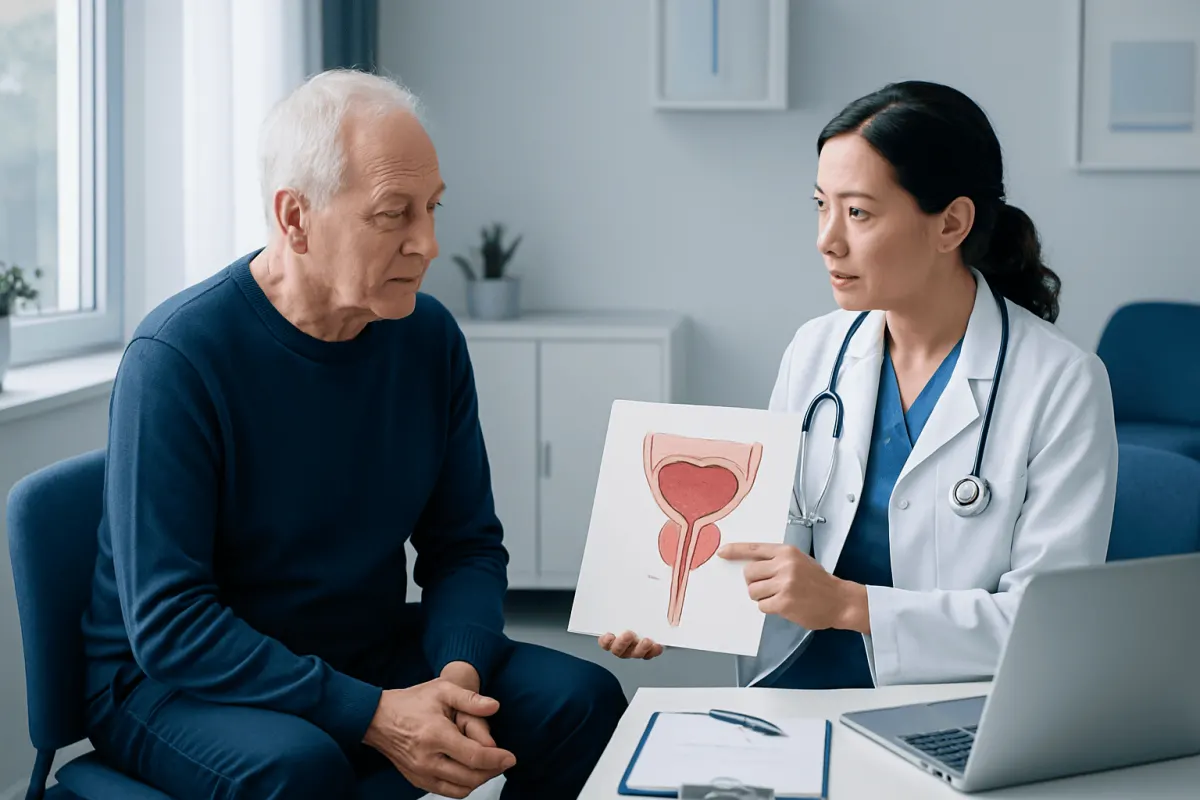
A procedure for an enlarged prostate treats urinary obstruction caused by benign prostatic hyperplasia (BPH). BPH is a non-cancerous increase in prostate tissue that can narrow the urethra, the tube that carries urine out of the bladder. Procedures do not usually remove the entire prostate. Instead, they remove, vaporise, destroy, or move aside the tissue that is blocking urine flow.
Treatment may be considered when symptoms remain bothersome despite lifestyle measures or medication, or when BPH causes complications such as repeated urinary retention, bladder stones, recurrent urinary infections, persistent bleeding, or kidney effects. A urologist first confirms that symptoms are related to BPH rather than another urinary condition. For broader information about the condition, see benign prostatic hyperplasia.
Available approaches include transurethral resection of the prostate (TURP), laser procedures such as holmium laser enucleation, water-vapour therapy, prostatic urethral lift, temporary implanted devices, and, for very large prostates, simple prostatectomy. The appropriate option is individual; no single procedure is best for every person.
Who may be a candidate for enlarged prostate surgery
A person may be a candidate for a procedure when urinary symptoms significantly affect sleep, work, travel, or daily comfort despite conservative care. Common symptoms include a weak stream, straining, delayed starting, frequent urination, urgency, waking at night to urinate, and the feeling that the bladder does not empty fully.
Doctors also consider procedures when BPH produces clear health concerns. These may include an episode of complete urinary retention requiring a catheter, recurrent infections or bladder stones, recurrent visible blood in the urine attributed to the prostate, or signs that longstanding obstruction is affecting bladder or kidney function.
Choice of treatment is based on prostate size and shape, urine-flow testing, the amount of urine left after voiding, sexual-function priorities, prior procedures, and other health conditions. Blood-thinning medicines, heart or lung disease, diabetes, neurological conditions, and anaesthesia risk all influence planning. Tests may include a rectal examination, urine testing, blood tests, ultrasound or other imaging, and sometimes cystoscopy to view the urethra and bladder.
Medication remains appropriate for many men, particularly when symptoms are mild to moderate. A procedure is not automatically needed simply because the prostate is enlarged; the decision is guided by symptoms, complications, and informed discussion with a urologist.
Procedure enlarged prostate: step-by-step
Preparation usually includes a review of medicines, allergies, medical history, urine tests, and anaesthesia assessment. The care team gives personalised instructions about eating, drinking, diabetes medicines, and blood thinners. It is important not to stop prescribed medicines without guidance from the clinician managing them.
For many procedures, the surgeon passes a slim instrument through the urethra while the patient is under general or spinal anaesthesia. There is no cut through the abdomen. With TURP, obstructing tissue is shaved away in small pieces. With laser enucleation, the enlarged inner portion of the prostate is separated from the surrounding capsule and then removed from the bladder. Other minimally invasive treatments may use heat, steam, implants, or a device to widen the channel.
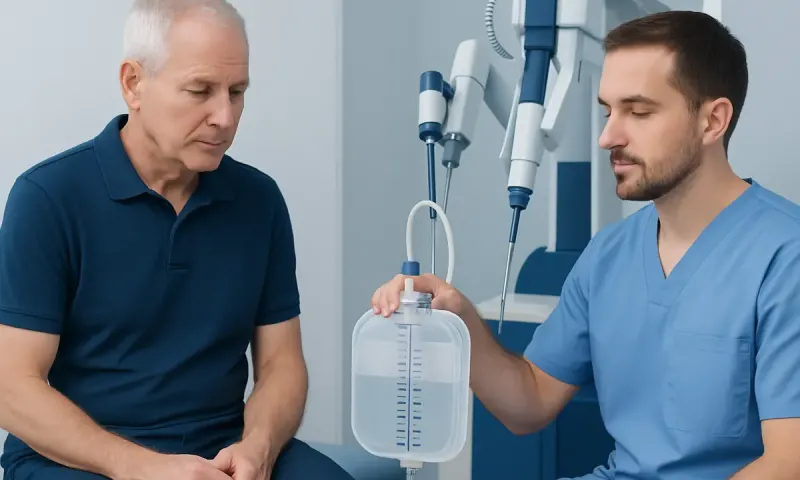
At the end of surgery, a urinary catheter is often placed to drain urine while swelling and minor bleeding settle. Continuous bladder irrigation may be used after TURP or laser surgery to prevent blood clots from blocking the catheter. Depending on the technique, prostate size, and recovery from anaesthesia, treatment may be performed as a day procedure or require a short hospital stay.
For suitable patients, prostate surgery planning involves discussing expected symptom relief, the likely catheter period, sexual side effects, alternatives, and the possibility of further treatment in the future.
Recovery timeline after enlarged prostate surgery
Recovery is gradual and varies by procedure. After some minimally invasive therapies, a person may return to light routine activities within a few days, although urinary urgency or burning may temporarily worsen before improving. After TURP or laser surgery, recovery often takes several weeks, with the urinary channel continuing to heal over the following months.
A catheter may stay in place for hours to a few days after many endoscopic procedures. Some people need it longer, particularly if the bladder has been overstretched by longstanding blockage or if swelling prevents comfortable urination immediately after catheter removal. The healthcare team will explain catheter care and arrange follow-up if a catheter is needed at home.
During the first days or weeks, it is common to notice mild burning when passing urine, more frequent urination, urgency, small amounts of blood in the urine, or tiny tissue particles. Drinking fluids as advised, avoiding constipation, and avoiding heavy lifting, vigorous exercise, cycling, and sexual activity until cleared can support healing. The specific restrictions depend on the technique.
Improved stream and bladder emptying may be noticed soon after tissue-removing procedures, but bladder symptoms such as urgency and night-time urination can take longer to settle. A bladder that has worked against obstruction for years may need time to readjust.
How long does it take to recover from enlarged prostate surgery?
Many men feel well enough for light daily activity within several days to two weeks, but full recovery commonly takes about four to six weeks after TURP or laser surgery. Procedures that use implants, steam, or other minimally invasive techniques may have a shorter physical recovery, although urinary symptoms can take several weeks or longer to improve fully.
Recovery is influenced by the type of procedure, prostate size, catheter use, pre-existing bladder function, age, and other health conditions. A person should follow the operating urologist’s specific advice, as returning to strenuous activity too early can increase bleeding or discomfort.
Follow-up is important because symptom improvement and medication needs are reviewed over time. If urinary flow worsens, a catheter is needed unexpectedly, or symptoms do not improve as anticipated, the urology team can check for infection, incomplete emptying, scar tissue, or another cause.
How long do men wear diapers after prostate surgery?
Most men do not need diapers after standard surgery for BPH. This differs from radical prostatectomy, an operation used for prostate cancer, where temporary stress urinary incontinence is more common because the surgery involves removing the whole prostate and working close to the urinary sphincter.
After a BPH procedure, some men may use a small pad or absorbent underwear temporarily because of urgency, dribbling, or minor leakage during the healing period. If this happens, it often improves over days to weeks as irritation and swelling settle. A catheter, rather than a diaper, is commonly used immediately after many operations.
New or persistent leakage should be discussed at follow-up. Pelvic floor exercises may be recommended in selected cases, and the clinician can assess for infection, bladder overactivity, or other treatable causes.
Is enlarged prostate surgery a major surgery?
Many enlarged prostate procedures are not considered major open surgery because they are performed through the urethra, often with a short hospital stay or as an outpatient procedure. TURP and laser surgery are still significant medical procedures: they require anaesthesia, careful preparation, a period of healing, and monitoring for bleeding, infection, or urinary problems.
A simple prostatectomy, which removes the obstructing inner part of a very large prostate through a robotic, laparoscopic, or open approach, is more extensive and generally involves a longer recovery. It may be appropriate when the prostate is very large or when an endoscopic technique is less suitable.
The urologist can explain the expected level of surgery in a particular case, including anaesthesia, hospital stay, catheter duration, activity restrictions, and expected time away from work. These details help a person prepare realistically and choose among suitable options.
How painful is BPH surgery and when to seek medical care
BPH surgery is usually not described as severely painful, especially because anaesthesia is used during the procedure and pain relief is available afterward. More commonly, men experience burning with urination, bladder spasms while a catheter is in place, pelvic discomfort, urgency, or discomfort at the tip of the penis for a short time. These symptoms should steadily improve rather than intensify.
Prompt medical advice is needed for inability to pass urine after catheter removal, fever or chills, severe or increasing pain, heavy bleeding or large clots, worsening weakness or dizziness, or urine that remains heavily blood-stained. These signs do not always mean a serious problem, but they need timely assessment.
Before a planned procedure, medical review is also important for blood in the urine, recurrent infections, unexplained weight loss, bone pain, or a rapidly changing urinary pattern. These symptoms can have causes other than BPH and should not be assumed to be due to an enlarged prostate.
Acıbadem Health Point’s multidisciplinary specialists and JCI-accredited hospitals assess and treat urinary conditions for international patients, with procedure choices tailored to clinical findings and individual priorities.
Frequently asked questions
01What is the best procedure for an enlarged prostate?
The best procedure depends on prostate size, the pattern of blockage, overall health, use of blood-thinning medication, and preferences about recovery and sexual side effects. TURP, laser surgery, steam treatment, and prostatic urethral lift are among the options. A urologist can recommend suitable choices after assessing the urinary tract and symptoms.
02Can an enlarged prostate grow back after surgery?
Procedures remove or reduce the tissue causing blockage, and symptom relief can be long-lasting. However, remaining prostate tissue can continue to grow over time, and a small number of men may need medication or another procedure in the future. The likelihood varies with the procedure and individual prostate characteristics.
03Does BPH surgery affect ejaculation?
Many tissue-removing procedures, including TURP and laser enucleation, commonly cause retrograde ejaculation. This means semen travels backward into the bladder during orgasm rather than leaving through the penis, and it is generally not harmful. Erectile function is often preserved, but individual risks should be discussed before treatment.
04Can BPH surgery cause erectile dysfunction?
Erectile dysfunction is possible but is less common than ejaculation changes after many BPH procedures. Risk varies with the procedure, pre-existing erections, age, diabetes, vascular health, and other factors. A urologist can explain the expected sexual effects of each treatment option.
05How soon can a person exercise after enlarged prostate surgery?
Gentle walking is often encouraged soon after treatment, as advised by the care team. Heavy lifting, strenuous exercise, cycling, and activities that strain the pelvic area are commonly avoided for several weeks after TURP or laser surgery. Timing differs by procedure, so the surgeon's instructions should take priority.
06Will urinary urgency disappear immediately after BPH surgery?
A stronger stream may improve quickly after an obstruction is relieved, but urgency and frequent urination can take weeks or months to settle. The bladder may remain sensitive after long-term obstruction or temporary irritation from the procedure. Persistent or worsening symptoms should be reviewed by the treating clinician.
This article is for general information only and is not a substitute for professional medical advice. Please consult a qualified doctor about your individual situation.
Explore treatments in Turkey — costs, top hospitals & a free quote
JCI-accredited · board-certified surgeons · reply within 24h
Add us as a Preferred Source to see more of our trusted health content across Google Search, AI Overviews and Discover.