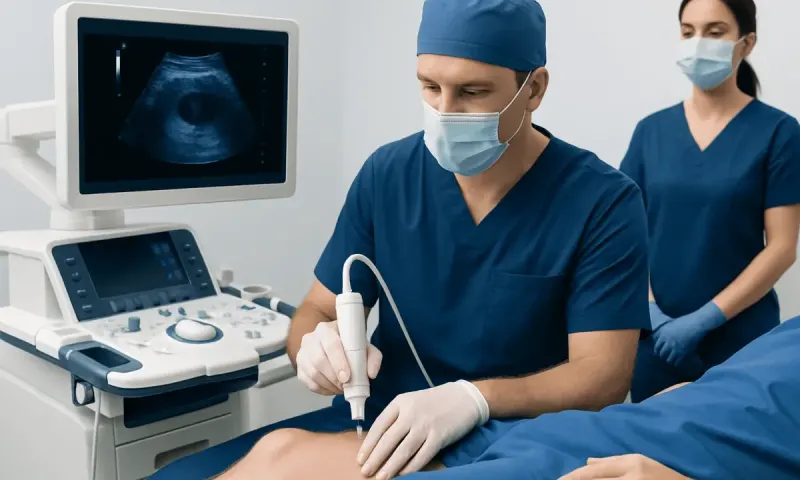
Bladder Control in Men: Treatment for Leakage
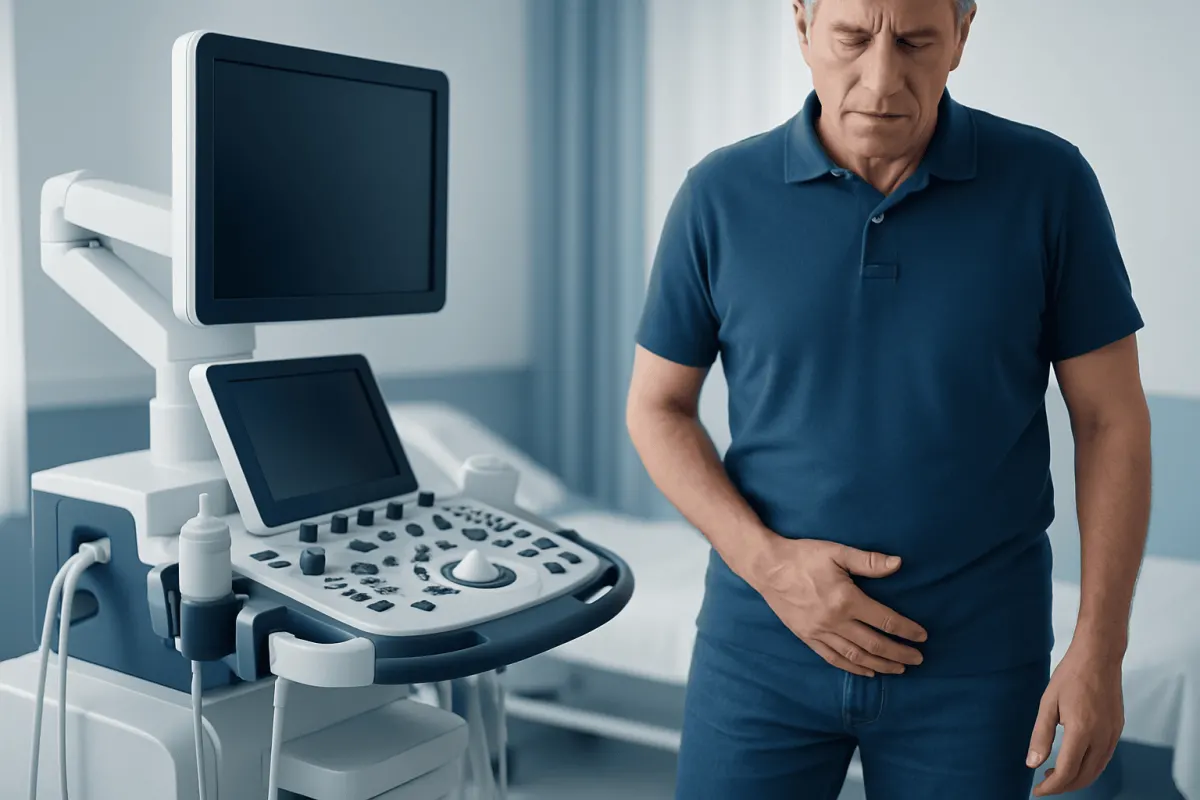
Bladder control in males may be affected by prostate surgery, an enlarged prostate, nerve conditions, urinary infections or changes in pelvic floor strength. Most men can improve leakage with an individualized plan that may include pelvic floor rehabilitation, lifestyle measures, medicines or a procedure for persistent stress incontinence.
Overview: what bladder control in males means
Bladder control in males refers to the ability to store urine comfortably and release it at an appropriate time. Leakage, also called urinary incontinence, occurs when urine escapes involuntarily. It can range from a few drops during coughing or exercise to more frequent leakage that affects daily activities, sleep, work and confidence.
For many men, leakage is temporary after prostate surgery because the urinary sphincter and pelvic floor need time to recover and adapt. Others develop symptoms because of prostate enlargement, overactive bladder, infection, constipation, neurological conditions, diabetes, medicines or prior pelvic surgery. The best approach depends on the type of leakage and its underlying cause.
Stress urinary incontinence is leakage with pressure on the bladder, such as when standing, lifting, laughing, coughing or exercising. Urge incontinence involves a sudden, difficult-to-delay need to urinate, sometimes followed by leakage. Some people have mixed symptoms, and a medical assessment helps distinguish these patterns.
Symptoms and how leakage can affect daily life
Symptoms may include dribbling after urination, damp underwear, leakage when changing position, a strong urge to pass urine, frequent urination, waking at night to urinate or needing pads for protection. Some men notice that leakage is most pronounced early in recovery after prostate removal and gradually lessens over time.
It is helpful to note when leakage happens, how much protection is needed, fluid intake, caffeine or alcohol use, bowel habits and any associated symptoms. A simple bladder diary kept for several days can give the clinician useful information and help show whether treatment is working.
Leakage can be emotionally challenging, but it is a medical symptom rather than a personal failing. Discreet pads, planned toilet access and appropriate skin care can help during evaluation and recovery, while treatment focuses on improving control and quality of life.
Causes and risk factors for male urinary incontinence

A common cause of bladder control problems in men is treatment involving the prostate. After radical prostatectomy, the operation used to remove the prostate for certain cancers, the natural urinary control mechanism may be temporarily weakened. Bladder control following prostate surgery depends on factors such as preoperative urinary function, age, pelvic floor strength, surgical details and the healing process.
An enlarged prostate can also contribute to urgency, frequent urination and incomplete emptying. In some cases, overflow leakage occurs when the bladder remains overly full and urine dribbles out. Benign prostatic hyperplasia is one possible explanation for lower urinary tract symptoms, although a clinician should confirm the cause.
Other contributors include urinary tract infection, bladder stones, constipation, obesity, smoking-related chronic cough, mobility difficulties and neurological disorders that affect bladder nerves. Some medicines, including diuretics and sedatives, may worsen frequency, urgency or functional difficulties in getting to the toilet. A full medication and health review is therefore important.
Assessment and choosing the right treatment plan
Assessment usually begins with a discussion of symptoms, medical history, prostate treatments, medicines and fluid habits. A clinician may perform a physical examination, ask for a bladder diary and test a urine sample to look for infection or blood. Measuring urine left in the bladder after urination can help identify incomplete emptying.
If symptoms are persistent, complex or being considered for surgery, further testing may be recommended. This can include uroflowmetry, cystoscopy to examine the urethra and bladder, or urodynamic testing to assess pressure, storage and emptying function. These tests can clarify whether leakage mainly relates to sphincter weakness, bladder overactivity, obstruction or a combination.
Management is tailored rather than one-size-fits-all. The care team considers the severity and type of incontinence, previous pelvic radiation or surgery, manual dexterity, cognitive function, health conditions and the person’s goals. This helps ensure that a proposed procedure is suitable and that non-surgical options have been appropriately considered.
Non-surgical ways to improve bladder control
Pelvic floor muscle training is often a first-line treatment for stress leakage and is especially useful for bladder control after prostate surgery. A pelvic health physiotherapist can teach correct muscle activation, create a progressive program and help avoid using the abdominal, buttock or thigh muscles instead. Improvement generally requires consistent practice over time.
Bladder training may help urgency and frequency by gradually increasing the time between toilet visits. Practical measures can include managing constipation, maintaining a healthy weight, reducing bladder irritants if they trigger symptoms, spacing fluids through the day and avoiding excessive fluid restriction. Restricting fluids too severely can concentrate urine and may irritate the bladder.
Medicines may be appropriate for some men with overactive bladder symptoms, provided they are safe in the context of urinary emptying and other health conditions. Pads, external collection devices and penile clamps may offer temporary symptom management for selected individuals, but devices should be used according to professional advice to avoid skin damage or restricted circulation.
Bladder control procedures for incontinence
When bothersome stress incontinence persists despite appropriate conservative treatment, surgery may be considered. The two main bladder control procedures for incontinence in men are a male sling and an artificial urinary sphincter. The choice depends on leakage severity, prior radiation, urethral health, bladder function and personal circumstances.
A male sling supports the urethra to improve resistance to leakage. It may be an option for carefully selected men with mild to moderate stress incontinence, particularly when there is no major urethral damage. Recovery commonly includes avoiding heavy lifting and strenuous activity for a period advised by the surgical team while tissues heal.
An artificial urinary sphincter uses an implanted cuff around the urethra, a control pump in the scrotum and a pressure-regulating component. The cuff is opened temporarily using the pump to allow urination and then closes again to support continence. It is often considered for moderate to severe stress incontinence, including some cases after prostate treatment. People considering artificial urinary sphincter surgery should understand how the device works and that future revision may be needed.
Less commonly, other approaches may be suitable in specific circumstances. Bulking injections generally have more limited durability in men, while adjustable devices may be considered by specialist teams. A urologist can explain expected benefits, limitations and potential complications of each option.
How long does it take to regain bladder control after surgery?
Recovery time varies according to the operation, the cause of leakage and individual healing. After procedures performed specifically for incontinence, initial recovery from the operation often takes several weeks, but the timeframe for evaluating continence improvement may be longer. Activity restrictions, wound care and follow-up schedules should always follow the surgeon’s instructions.
With an artificial urinary sphincter, the device is commonly left inactive while healing takes place and is activated later at a follow-up visit. Continence can then improve as the person learns to use the device. A sling does not require activation, but tissue healing and return to normal activity still take time.
Temporary urgency, discomfort, changes in urine stream or uncertainty about control can occur during recovery. Severe pain, fever, inability to urinate, significant bleeding, increasing swelling or signs of wound infection require prompt medical advice. The surgical team is the best source for individual recovery expectations.
How long after prostate surgery do you regain bladder control?
Bladder control after prostate surgery usually improves gradually rather than immediately. Many men see meaningful progress in the first weeks to months after catheter removal, particularly with guided pelvic floor exercises. However, recovery differs considerably between individuals, and some men continue improving for a year or longer.
Bladder control after prostate removal may be influenced by urinary function before surgery, age, other medical conditions, the need for radiation treatment and the extent of surgery. Using pads during recovery is common and does not indicate that long-term surgery for incontinence will necessarily be needed. Follow-up reviews can track progress and identify treatable issues such as infection, obstruction or urgency.
If bothersome stress leakage remains after an adequate period of recovery and rehabilitation, referral to a urologist with expertise in male incontinence can help. The team may reassess bladder and sphincter function before discussing a sling, artificial urinary sphincter or another appropriate option.
Is incontinence surgery worth it?
Incontinence surgery can be worthwhile for men whose leakage remains bothersome despite conservative treatment and whose assessment shows that a procedure is likely to address the cause. The decision is personal and should balance expected improvement in continence and daily life against recovery time, device use where relevant, possible complications and the possibility of further treatment in the future.
No procedure can promise complete dryness for every person. Potential risks depend on the operation but can include infection, bleeding, urinary retention, pain, worsening urgency, urethral injury, device erosion or mechanical failure. Prior pelvic radiation, scarring and certain health conditions may change the risks and expected outcomes.
A thorough discussion with a specialist allows men to compare continued non-surgical management with surgery in the context of their own priorities. Acıbadem Health Point’s multidisciplinary specialists and JCI-accredited hospitals evaluate and treat male urinary incontinence for international patients.
How long does it take to recover from bladder surgery for incontinence?
Recovery from bladder surgery for incontinence depends on the exact procedure. Hospital stay may be short for some operations, but internal healing takes longer than the initial recovery at home. The surgical team commonly advises temporary limits on heavy lifting, cycling, strenuous exercise and sexual activity, with the timing tailored to the procedure and the person’s healing.
Men should take prescribed medicines as directed, attend follow-up appointments, maintain bowel regularity and avoid straining. They should also ask when it is safe to return to driving, work and exercise. Recovery is not only about the incision; it also includes learning a safe routine for toileting, pelvic floor rehabilitation where advised and adapting to any implanted device.
Contact the surgical team promptly if there is fever, chills, worsening redness or discharge from a wound, uncontrolled pain, inability to pass urine, heavy bleeding, chest pain or shortness of breath. Early assessment can help prevent complications from becoming more serious.
When to seek medical care
Medical assessment is appropriate for any new, persistent or worsening urinary leakage, especially if it affects sleep, work, confidence or daily activities. A clinician can identify reversible causes and discuss effective treatment options. Men should not assume that urinary symptoms are an unavoidable part of ageing or recovery.
Urgent care is needed for inability to urinate, fever with urinary symptoms, severe lower abdominal pain, visible blood in the urine, new weakness or numbness in the legs, or loss of bowel control. These symptoms may indicate a condition that needs timely evaluation.
After prostate or continence surgery, planned follow-up is important even when recovery is going well. It provides an opportunity to review pad use, bladder symptoms, pelvic floor progress and any concerns about healing or sexual function.
Frequently asked questions
01What causes poor bladder control in males?
Common causes include prostate surgery, enlargement of the prostate, overactive bladder, urinary tract infection, constipation, medication effects and neurological conditions. The type of leakage helps guide testing and treatment. A clinician can determine whether symptoms are due to stress leakage, urgency, incomplete emptying or more than one cause.
02Can pelvic floor exercises help men after prostate surgery?
Yes. Pelvic floor muscle training can strengthen the muscles that support urinary control and is commonly recommended before and after prostate surgery. Correct technique matters, so assessment by a pelvic health physiotherapist can be helpful. Benefits usually build gradually with regular practice.
03Will bladder control return after prostate removal?
Many men regain substantial bladder control after prostate removal, but recovery is individual and often gradual over weeks to months. Some continue to improve for a year or longer. Persistent, bothersome leakage can be assessed for further rehabilitation, medication or surgical treatment.
04What is the difference between a male sling and an artificial urinary sphincter?
A male sling supports the urethra and may be suitable for selected men with mild to moderate stress incontinence. An artificial urinary sphincter is an implanted device that the person operates using a small pump to open the urethra for urination. Suitability depends on leakage severity, prior treatment, urethral health and the ability to use the device.
05Can men have urgency as well as stress leakage after prostate surgery?
Yes. Some men have mixed symptoms, including leakage with movement or coughing and sudden urgency to urinate. These symptoms may need different treatments, which is why a detailed evaluation is important before choosing an incontinence procedure.
06When should a man see a doctor about urinary leakage?
A doctor should assess new, persistent or worsening leakage, particularly when it affects everyday life or follows prostate treatment. Urgent assessment is needed for inability to pass urine, fever, severe pain, visible blood in urine or new neurological symptoms. Early review can identify reversible causes and support appropriate care.
This article is for general information only and is not a substitute for professional medical advice. Please consult a qualified doctor about your individual situation.
Persistent digestive symptoms? Get evaluated in Turkey
JCI-accredited · board-certified surgeons · reply within 24h
Add us as a Preferred Source to see more of our trusted health content across Google Search, AI Overviews and Discover.