Operation of Prostate: Candidacy, Steps and Recovery
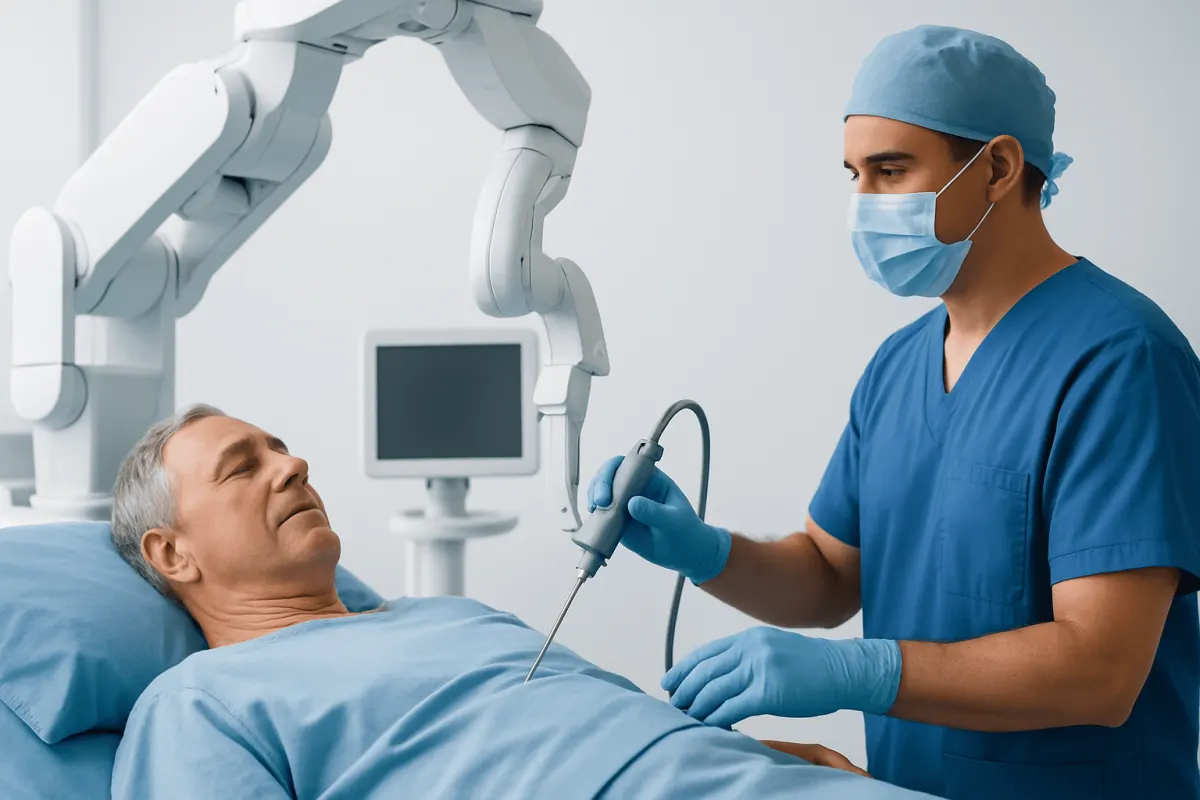
An operation of prostate may be recommended to treat urinary obstruction caused by an enlarged prostate or to remove the prostate for cancer treatment. The best procedure depends on the diagnosis, prostate size, symptoms, overall health and personal treatment goals.
Operation of prostate: an overview
An operation of prostate is a broad term for procedures that remove, destroy or widen prostate tissue to improve urine flow, or remove the whole prostate to treat cancer. The right operation depends first on why treatment is needed. Procedures for benign prostatic hyperplasia (BPH), also called prostate enlargement, aim to relieve blockage without removing the entire gland. Radical prostatectomy removes the prostate and is most often used for localized prostate cancer.
Not every urinary symptom requires surgery. Many men benefit from monitoring, lifestyle measures or medicines. Surgery may become appropriate when symptoms significantly affect daily life, urinary retention occurs, recurrent infections or bladder stones develop, kidney function is affected, bleeding recurs, or cancer treatment is indicated.
A urologist considers the person’s symptoms, examination findings, test results, prostate size, medicines, medical conditions and preferences. The consultation should also cover fertility, erections, continence and the practical support needed during recovery.
Who may be a candidate for prostate surgery?
For an enlarged prostate, surgery is often considered when medicines have not sufficiently relieved troublesome lower urinary tract symptoms. These can include a weak or interrupted stream, straining, incomplete emptying, urgency, frequent urination, waking at night to urinate and an inability to pass urine. A procedure may also be advised sooner if enlargement has caused complications such as repeated urinary retention, recurrent urinary tract infections, bladder stones or persistent bleeding.
For prostate cancer, a radical prostatectomy may be an option when the cancer appears confined to the prostate or when treatment is being considered as part of a broader cancer plan. Age alone does not determine candidacy. Overall fitness, other health conditions, estimated life expectancy, cancer characteristics and a patient’s values all matter.
Before an operation, clinicians may assess urine flow and residual urine in the bladder, perform blood and urine tests, review imaging when needed and discuss anesthesia readiness. Cancer assessment can include prostate-specific antigen testing, MRI, biopsy results and staging investigations. Men with urinary symptoms may also need assessment for other causes, including infection, bladder conditions or neurologic problems.
How an operation of prostate works
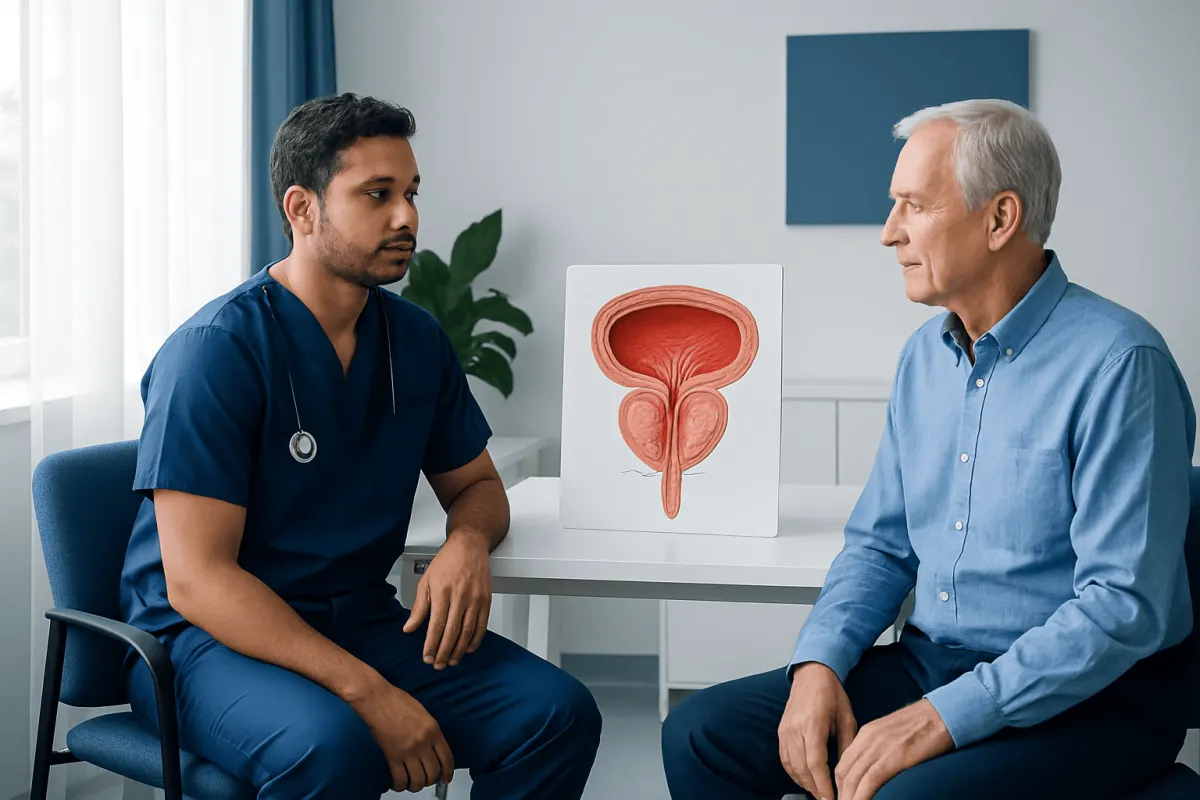
Procedures for BPH improve the channel through the prostate, allowing urine to leave the bladder more freely. Transurethral procedures are performed through the urethra, the tube that carries urine out of the body, so they do not require a large external incision. A surgeon may remove obstructing tissue, cut it to widen the passage, vaporize it, or use laser energy to enucleate and remove it.
Common approaches include transurethral resection of the prostate (TURP), laser procedures such as holmium laser enucleation, and selected minimally invasive treatments. The most suitable option depends on prostate anatomy and size, bleeding risk, use of blood-thinning medication, bladder function, available expertise and the person’s goals. Some techniques have a lower likelihood of affecting ejaculation than others, but no approach is free of potential sexual side effects.
Radical prostatectomy removes the prostate gland, usually along with the seminal vesicles, and reconnects the bladder to the urethra. It may be performed through open, laparoscopic or robot-assisted techniques. Nerve-sparing methods may be possible in some cancer cases to help preserve erectile function, but cancer control remains the priority. For individualized assessment and planning, patients can discuss prostatectomy treatment options with a urology team.
Step-by-step: what happens during the procedure
Preparation usually begins with preoperative testing and instructions about eating, drinking and medicines. People taking anticoagulants, diabetes medicines or certain supplements should receive specific guidance from their treating team rather than stopping medication independently. The procedure is performed under anesthesia, which may be general anesthesia or, for some transurethral operations, spinal anesthesia.
In a transurethral BPH operation, the surgeon passes a slender instrument through the urethra to reach the prostate. The obstructing tissue is resected, vaporized, incised or removed with a laser, depending on the technique. There is no incision on the abdomen. A urinary catheter is usually placed afterward to drain urine and, in some cases, to irrigate the bladder while bleeding settles.
In radical prostatectomy, the surgeon accesses the prostate through small abdominal incisions or, less commonly, a larger open incision. The gland is removed and the bladder neck is joined to the urethra. A catheter remains in place while this connection heals. Lymph nodes may be removed for assessment in selected cases. The precise steps and length of stay vary by procedure, health status and recovery progress.
Recovery timeline after prostate surgery
Recovery after an operation of prostate is individual, and the procedure type makes a major difference. After many transurethral procedures for BPH, patients may go home the same day or after a short hospital stay. Burning with urination, urgency, more frequent urination and small amounts of blood in the urine can occur during early healing. These symptoms typically improve gradually, although bladder irritation can take several weeks to settle.
After radical prostatectomy, a hospital stay may be brief, but recovery at home continues for several weeks. The urinary catheter commonly remains for around one to two weeks, depending on the surgeon’s protocol and healing. Light walking is encouraged early to support circulation and bowel function, while heavy lifting, strenuous exercise and sexual activity are usually postponed until the surgical team advises that it is safe.
Urinary control commonly improves over time after radical prostatectomy. Pelvic floor muscle training may be recommended before and after surgery. Erections may take months or longer to recover, particularly when nerve-sparing was not possible, and supportive treatments are available. Follow-up appointments monitor symptoms, healing and, after cancer surgery, PSA levels.
- First days: rest, short walks, catheter care if applicable, and prescribed pain control.
- First 2 weeks: gradual increase in daily activity; avoid straining and follow restrictions on lifting.
- Weeks 3 to 6: many people resume more routine activities, depending on the procedure and their clinician’s advice.
- Following months: continence, urinary comfort and sexual function may continue to improve.
Benefits and possible risks
The main expected benefit of surgery for BPH is improved urinary flow and relief from obstruction-related symptoms. It may also reduce the risk of further retention, infections, stones or kidney-related complications caused by severe blockage. For prostate cancer, radical prostatectomy aims to remove the cancerous prostate and provide detailed information about the disease from the surgical specimen.
All surgery has risks. General risks include bleeding, infection, blood clots, anesthesia reactions and injury to nearby structures, although teams take steps to reduce these risks. Transurethral procedures can lead to temporary urinary irritation, infection, narrowing of the urethra or bladder neck, the need for further treatment, and retrograde ejaculation, where semen enters the bladder rather than leaving through the penis.
After radical prostatectomy, urinary incontinence and erectile dysfunction are important potential side effects. Their likelihood and duration vary with factors such as baseline urinary and sexual function, age, cancer extent, surgical approach and whether nerves can be preserved. Rarely, there may be bowel or ureter injury, lymph fluid collection after node removal, or persistent narrowing at the surgical connection. A balanced discussion of expected benefits, alternatives and risks is central to informed decision-making.
When to seek medical care
Prompt medical assessment is important for an inability to urinate, fever or chills with urinary symptoms, severe lower abdominal pain, visible blood clots in urine, or new confusion or marked weakness in an older adult. These symptoms can have several causes and should not be self-treated as simple prostate enlargement.
After prostate surgery, patients should contact their surgical team urgently for fever, worsening pain not controlled by the prescribed plan, heavy bleeding or large clots, inability to drain urine through a catheter, increasing redness or discharge from an incision, shortness of breath, chest pain or one-sided leg swelling. The care team provides procedure-specific instructions before discharge.
Men should also arrange a non-urgent urology review for persistent changes in urinary flow, bothersome urgency, recurrent urinary infections, pelvic discomfort or erectile concerns. Acıbadem Health Point’s multidisciplinary specialists and JCI-accredited hospitals diagnose and treat prostate conditions for international patients, with care plans guided by individual clinical needs.
Frequently asked questions
01How many days should I rest after prostate surgery?
Most people need several days of relative rest after a transurethral prostate procedure and longer after radical prostatectomy. Gentle walking is usually encouraged soon after surgery, but heavy lifting, strenuous exercise and activities that cause straining are commonly restricted for several weeks. The surgeon’s instructions should guide the pace of recovery because procedures and individual health needs differ.
02How long do men wear diapers after prostate surgery?
After surgery for an enlarged prostate, absorbent pads may be needed briefly because urgency or small leaks can occur during healing. After radical prostatectomy, urinary leakage is more common at first, and men may use pads for weeks to months while pelvic floor control improves. The amount of leakage and recovery time vary considerably, and pelvic floor exercises may help when recommended by the care team.
03Is prostate surgery a big surgery?
It depends on the procedure. Transurethral operations for BPH are usually less invasive because they are performed through the urethra, although they still require anesthesia and recovery time. Radical prostatectomy is a major operation because the entire prostate is removed and the urinary tract is reconstructed, so it requires more extensive planning and follow-up.
04How painful is prostate surgery recovery?
Pain is usually manageable with a clinician-directed pain plan, but the type and intensity vary by operation. After transurethral surgery, burning with urination, urgency and bladder discomfort may be more noticeable than incision pain. After radical prostatectomy, abdominal or pelvic soreness is common initially and should gradually improve; worsening or severe pain should be reported to the surgical team.
05Will prostate surgery affect erections or ejaculation?
It can. Procedures for BPH commonly cause retrograde ejaculation, while their effect on erections varies by technique and individual factors. Radical prostatectomy can affect erections because nerves near the prostate may be stretched, injured or need to be removed for cancer control; recovery may take time, and treatment options can be discussed with the urologist.
06Can an enlarged prostate grow back after surgery?
Many procedures provide durable symptom relief, but remaining prostate tissue can enlarge over time and some men may need additional treatment later. The chance of recurrence depends on the procedure used, prostate characteristics and the underlying condition. Follow-up helps identify any return of urinary symptoms early.
This article is for general information only and is not a substitute for professional medical advice. Please consult a qualified doctor about your individual situation.
Oncology care in Turkey — second opinion and treatment plan
JCI-accredited · board-certified surgeons · reply within 24h
Add us as a Preferred Source to see more of our trusted health content across Google Search, AI Overviews and Discover.