Prostate Surgery: Candidacy, Steps and Recovery Timeline
Prostate surgery may be recommended to treat prostate cancer, severe urinary obstruction from an enlarged prostate, or selected other prostate conditions. The operation and recovery plan vary by procedure, but patients commonly need a short period of reduced activity, temporary urinary catheter use and follow-up for urinary and sexual health.
Overview: why prostate surgery is performed
Prostate surgery is an umbrella term for operations performed on the prostate gland, which sits below the bladder and surrounds part of the urethra. Surgery may remove prostate tissue that blocks urine flow, remove the entire prostate for cancer treatment, or address complications such as recurrent urinary retention, bladder stones or repeated infections. The appropriate approach depends on the underlying condition and the person’s priorities.
For benign prostatic hyperplasia (BPH), also called an enlarged prostate, surgery is usually intended to improve urinary flow and reduce troublesome symptoms. For localized prostate cancer, a radical prostatectomy removes the prostate and usually the seminal vesicles, with the goal of removing the cancer. These are different operations with different recovery patterns and potential effects on continence and sexual function.
Common procedures include transurethral resection of the prostate (TURP), laser procedures, simple prostatectomy for very large benign prostates, and radical prostatectomy performed through open, laparoscopic or robot-assisted techniques. A urologist can explain which option is suitable and whether non-surgical treatment remains reasonable.
Who may be a candidate for prostate surgery?
Candidacy starts with a clear diagnosis. People with BPH may be considered for surgery when medicines do not adequately control symptoms, when side effects from medicines are unacceptable, or when obstruction causes complications. These can include repeated inability to urinate, recurrent urinary tract infections, bladder stones, blood in the urine linked to prostate enlargement, bladder damage or kidney problems.
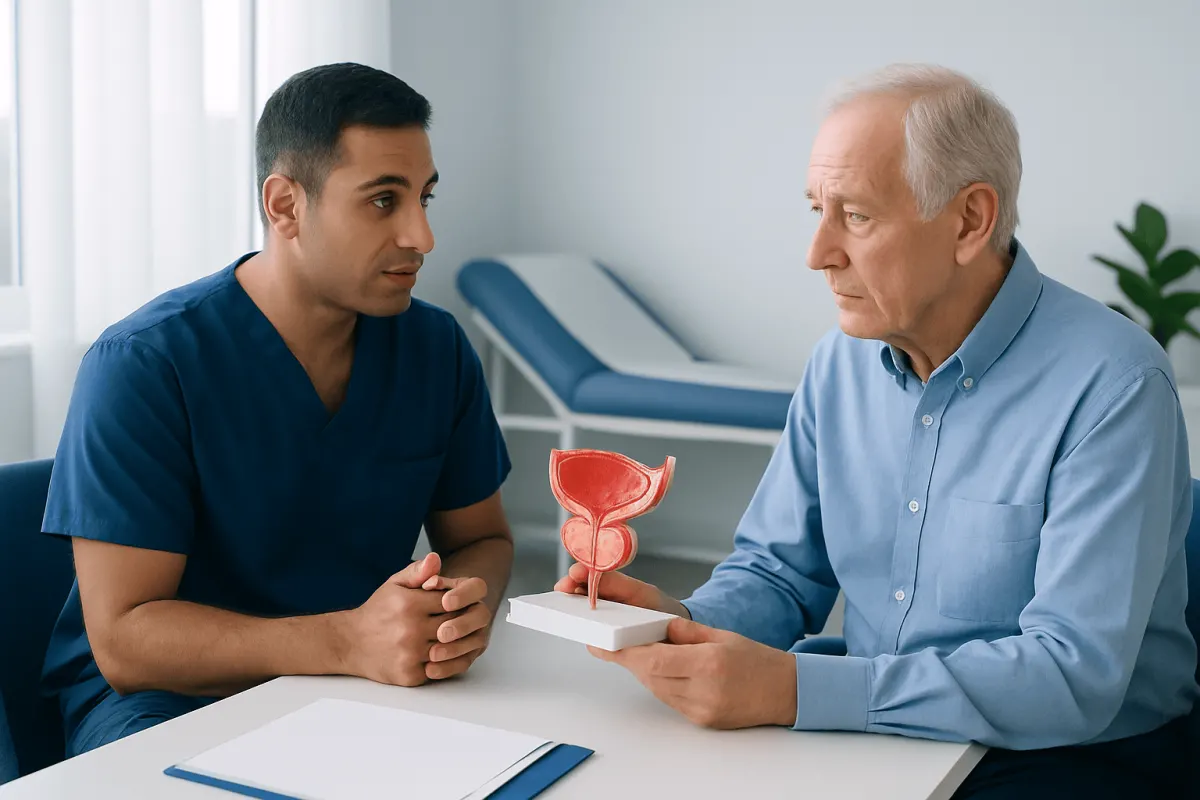
For prostate cancer, surgery may be considered when cancer appears confined to the prostate or when it can be treated effectively with an operation as part of an individualized cancer plan. The decision takes account of cancer stage and grade, prostate-specific antigen (PSA) results, imaging, life expectancy, other medical conditions and personal preferences. Other treatments, including radiotherapy or active surveillance, may be appropriate for some people.
Before surgery, the clinical team reviews medications, bleeding risk, heart and lung health, prior abdominal or pelvic surgery, urinary function and sexual function. Tests may include urine testing, blood tests, PSA testing, imaging, cystoscopy or urodynamic testing. An assessment also helps identify steps that can make anesthesia and recovery safer.
- Severe urinary symptoms or complications may support surgery for BPH.
- Localized or selected locally advanced prostate cancer may support radical prostatectomy.
- Frailty, uncontrolled medical conditions or certain blood-thinning medicines may require optimization or a different approach.
How prostate surgery works: procedure steps
The exact steps depend on the procedure. Before surgery, the patient meets the anesthesia team, receives instructions about fasting and medicines, and may receive antibiotics to reduce infection risk. Most procedures are performed under general anesthesia, although spinal anesthesia may be used for some transurethral operations. The surgeon selects the least invasive effective technique based on the condition and anatomy.
During TURP and many laser procedures, a narrow instrument is passed through the urethra, so there is no external incision. The surgeon removes, vaporizes or enucleates obstructing prostate tissue while protecting the urinary sphincter and surrounding structures. Fluid may be used to keep the area visible, and a urinary catheter is placed at the end of the procedure. This type of surgery treats blockage from BPH but does not remove the whole prostate or treat prostate cancer.
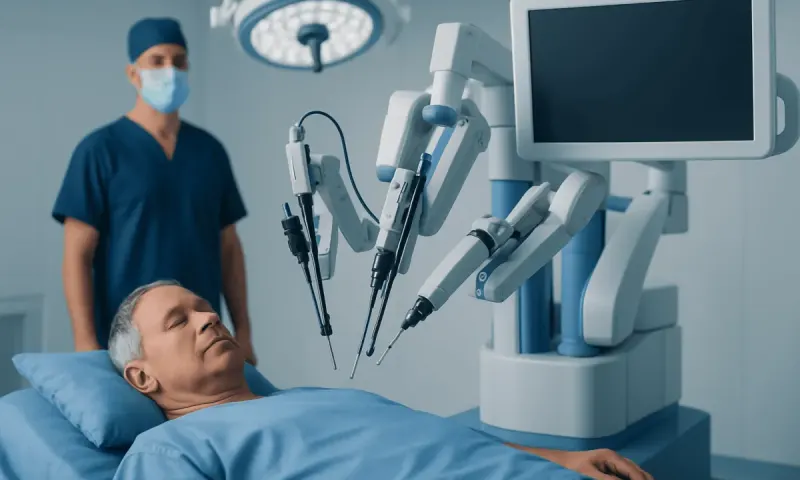
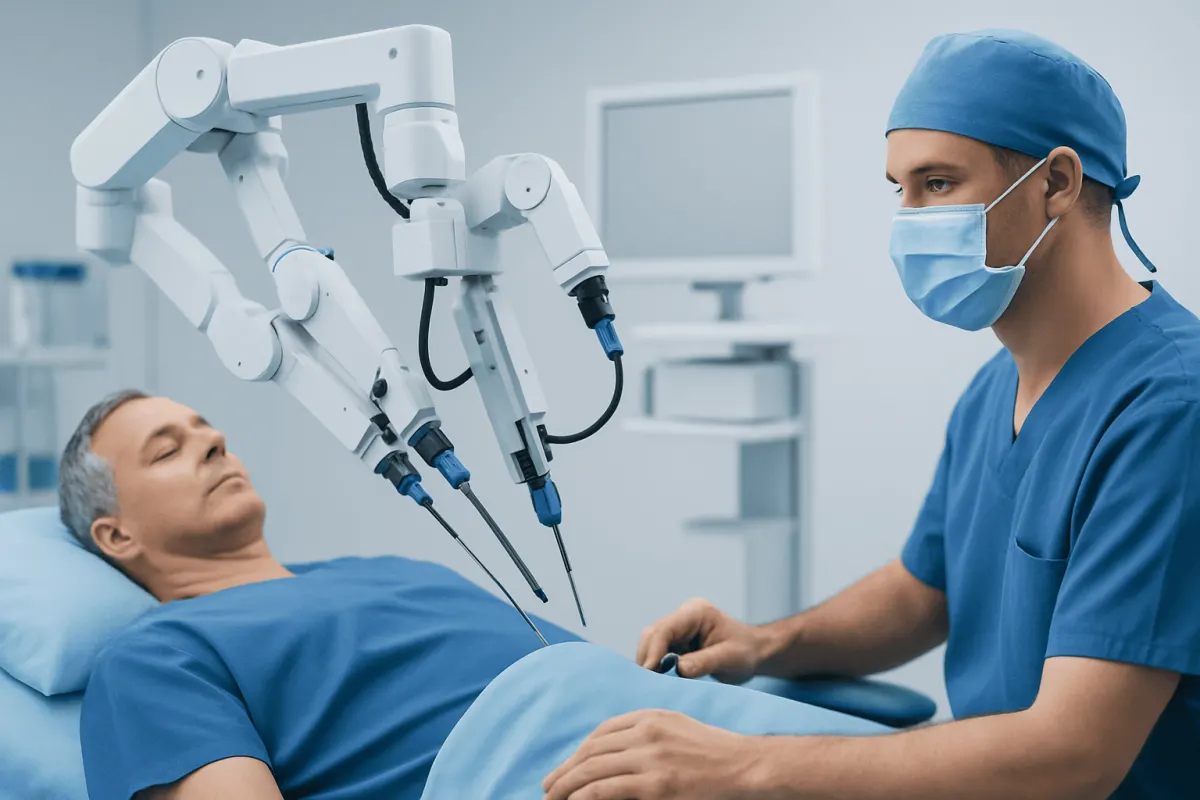
During radical prostatectomy, the surgeon removes the prostate and reconnects the bladder to the urethra. Nearby lymph nodes may also be removed when indicated for cancer staging or treatment. The operation may be performed through a lower abdominal incision or several small incisions using laparoscopic or robotic instruments. When clinically appropriate, the surgeon may use nerve-sparing techniques to help preserve erectile function, although this is not possible or advisable in every case.
For patients seeking specialist assessment, prostate surgery options should be discussed in the context of diagnosis, expected benefit and possible alternatives. The operation is tailored to the individual rather than selected solely on the basis of prostate size or age.
Recovery timeline after prostate surgery
Recovery varies considerably between transurethral surgery for BPH and radical prostatectomy for cancer. After a transurethral procedure, many patients go home the same day or after a short hospital stay, depending on the operation and their health. After radical prostatectomy, hospitalization is often short, but recovery at home continues for several weeks. The care team provides specific instructions on wound care, catheter care, pain relief, activity and follow-up.
A urinary catheter is commonly needed for a short period after radical prostatectomy and after some BPH procedures. Blood-tinged urine, urinary urgency, burning with urination and passing small tissue fragments may occur temporarily after transurethral surgery. Drinking fluids as advised, avoiding constipation and not straining during bowel movements can support recovery.
In the first few weeks, patients are generally advised to take gentle walks and increase activity gradually while avoiding heavy lifting, strenuous exercise, cycling and sexual activity until cleared by their surgeon. Many can return to desk-based work earlier than physically demanding work. Fatigue is common after anesthesia and major surgery, so recovery should not be rushed.
Urinary control may improve gradually after catheter removal, particularly after radical prostatectomy. Pelvic floor muscle training is often recommended before and after surgery. Erectile function may take months or longer to recover, and recovery depends on baseline function, age, nerve preservation, other health conditions and the treatment used. A urologist can discuss rehabilitation options where appropriate.
Benefits and possible risks of prostate surgery
The potential benefit of BPH surgery is improved urine flow, fewer nighttime trips to the bathroom and reduced risk of obstruction-related complications. For eligible people with prostate cancer, radical prostatectomy can remove the prostate cancer and provide detailed information about the disease through examination of the surgical tissue. The expected benefit should always be balanced against possible side effects and available alternatives.
Risks common to surgery include bleeding, infection, blood clots, anesthesia reactions and injury to nearby structures, although teams take steps to reduce these risks. Urinary tract infection, temporary urinary retention, scar-related narrowing of the urethra or bladder neck, and a need for further treatment can occur after prostate procedures.
Radical prostatectomy has particular risks of urinary incontinence and erectile dysfunction because the urinary sphincter and nerves controlling erections are close to the prostate. Some men also experience changes in orgasm, dry orgasm due to loss of semen, and infertility. TURP and other BPH procedures may cause retrograde ejaculation, where semen enters the bladder rather than leaving through the penis; this is not harmful but affects fertility.
Patients should ask their surgeon which effects are most relevant to the planned operation, what recovery support is available and when to expect follow-up. Decisions are best made after a balanced discussion of benefits, limitations and the person’s goals.
Practical questions after prostate surgery
How many days should I rest after prostate surgery? Rest is important in the first several days, but complete bed rest is usually not recommended because gentle walking supports circulation, breathing and bowel function. After a transurethral procedure, many people can do light daily activities within several days, while recovery after radical prostatectomy often requires several weeks of gradual activity increases. Heavy lifting and strenuous exercise should be avoided until the surgical team says it is safe.
How long do men wear diapers after prostate surgery? Absorbent pads or protective underwear may be needed after catheter removal, especially following radical prostatectomy. Some men need them for days or weeks, while others need them for months as continence improves. The duration cannot be predicted precisely, but pelvic floor exercises and follow-up with the urology team may help manage leakage.
Do I need to shave before prostate surgery? Patients should not shave the surgical area at home unless the hospital specifically asks them to do so. Shaving can cause tiny skin injuries that may increase infection risk. If hair removal is needed, trained staff will usually perform it immediately before surgery using an appropriate method.
How long does it take to pee normally after prostate surgery? After catheter removal, urination may initially feel different, with urgency, mild burning, a weaker or changing stream, or leakage. Following BPH surgery, flow may improve quickly but bladder irritation can take several weeks to settle. Following radical prostatectomy, control of urine flow often returns progressively over weeks to months, and the individual timeline should be reviewed with the surgeon.
When to seek medical care
Patients should contact their surgical team promptly if they develop fever, chills, worsening pain, increasing redness or discharge from an incision, foul-smelling urine, persistent vomiting or difficulty managing catheter problems. They should also seek advice if urine becomes increasingly bloody, contains large clots, or stops draining through a catheter.
Urgent medical assessment is needed for inability to pass urine after catheter removal, severe shortness of breath, chest pain, fainting, or new painful swelling in one leg. These symptoms are uncommon but can indicate complications that need timely treatment. It is better to ask the care team about a concerning symptom than to wait.
Acıbadem Health Point’s multidisciplinary specialists and JCI-accredited hospitals assess and treat prostate conditions for international patients, with follow-up plans tailored to the procedure and recovery needs. Regular follow-up remains important, including PSA monitoring when surgery was performed for prostate cancer.
Frequently asked questions
01Is prostate surgery always necessary for an enlarged prostate?
No. Many people with an enlarged prostate improve with lifestyle measures or medication and do not need an operation. Surgery is more often considered when symptoms remain severe, medicines are not suitable or complications of urinary blockage develop.
02What is the difference between TURP and radical prostatectomy?
TURP removes obstructing tissue from inside the prostate through the urethra and is commonly used for urinary symptoms caused by BPH. Radical prostatectomy removes the entire prostate, usually to treat prostate cancer. Their goals, surgical steps and possible side effects are different.
03Will prostate surgery affect erections?
It can, particularly after radical prostatectomy, because nerves involved in erections lie close to the prostate. The likelihood and duration of erectile difficulties depend on the procedure, nerve preservation, baseline erections, age and other health factors. A urologist can discuss rehabilitation and treatment options.
04Can a person drive after prostate surgery?
Driving should wait until the person is no longer taking sedating pain medicines, can comfortably perform an emergency stop and has been cleared by the surgical team. This may be relatively soon after a minor transurethral procedure but can take longer after abdominal surgery. Individual instructions should take priority.
05How can constipation be prevented after prostate surgery?
Adequate fluids, gentle walking and fiber-containing foods may help, if medically appropriate. The surgical team may recommend a stool softener or other bowel medicine, particularly when pain medicines are being used. Straining should be avoided because it can increase discomfort and pressure in the healing area.
06Does prostate surgery cause infertility?
Radical prostatectomy causes infertility because the prostate and seminal vesicles are removed, so ejaculation no longer contains semen. Procedures for BPH may also affect fertility, commonly by causing retrograde ejaculation. People who may want biological children should discuss fertility preservation before treatment.
This article is for general information only and is not a substitute for professional medical advice. Please consult a qualified doctor about your individual situation.
Oncology care in Turkey — second opinion and treatment plan
JCI-accredited · board-certified surgeons · reply within 24h
Add us as a Preferred Source to see more of our trusted health content across Google Search, AI Overviews and Discover.