Pubic Hairline Itch: Common Causes and Gentle Care
Pubic hairline itch is usually related to skin irritation, regrowing hair, contact allergy, infection or an inflammatory skin condition. Most cases improve with gentle skin care and avoiding triggers, but persistent, severe or recurrent symptoms should be assessed by a qualified clinician.
Overview: what pubic hairline itch can mean
Pubic hairline itch is an uncomfortable itching sensation in the skin where pubic hair grows, including the upper pubic area, groin folds, labia, scrotum or surrounding skin. It is often caused by temporary irritation, particularly after shaving, waxing, sweating or using a new personal-care product. However, itch can also be a symptom of infections and long-term skin conditions that need different treatment.
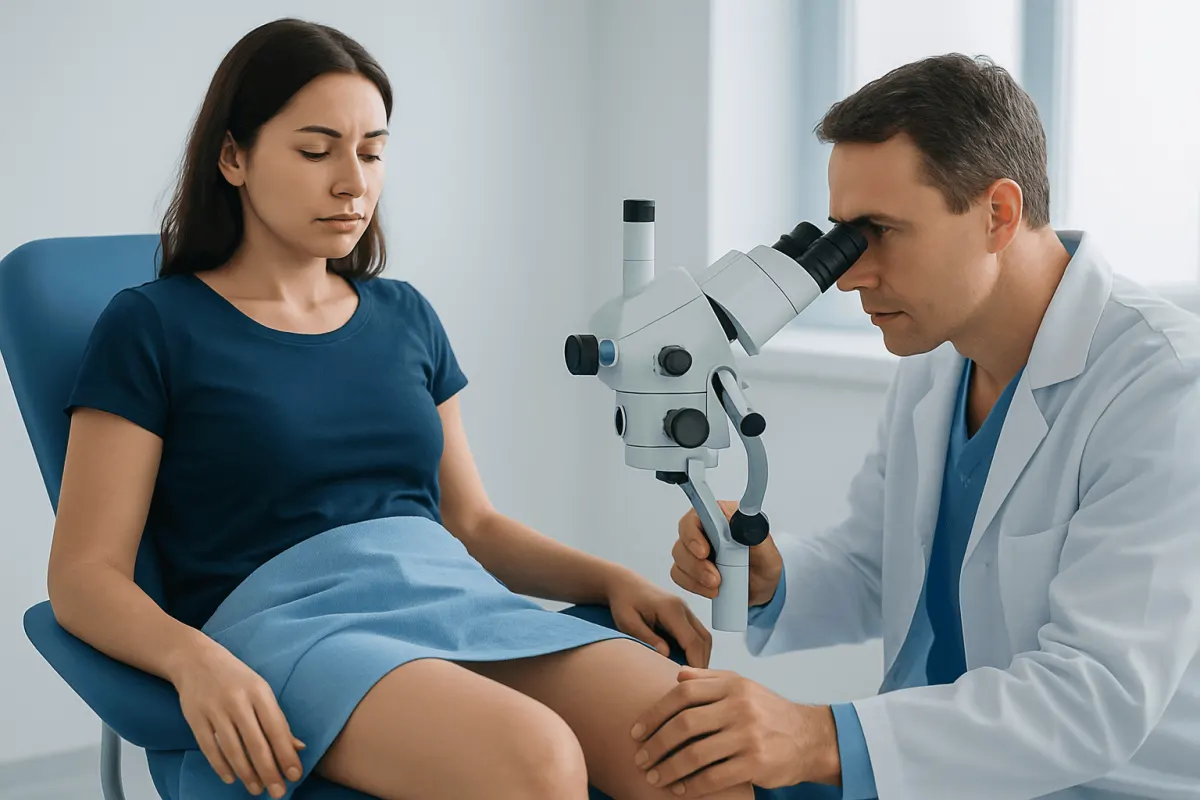
The appearance of the skin can provide useful clues. Redness, small bumps, flaking, a sharply defined rash, painful lumps, blisters or skin breaks may point to particular causes, but these signs can overlap. A clinician can examine the skin and, when appropriate, test for infection or consider other conditions before recommending treatment.
This article discusses symptom assessment and treatment rather than a single procedure. If symptoms began near a pubic hairline incision after an operation, the surgical team should be contacted for individualized advice, as wound-related itching needs to be assessed in the context of healing.
Why does my pubic hairline itch?
A pubic hairline may become itchy when the delicate skin barrier is irritated or inflamed. Sweat, heat, tight clothing, prolonged dampness and friction can worsen this area because the groin is warm and often covered. Soaps, wipes, perfumes, deodorant sprays, laundry products, sanitary products, condoms and lubricants can also trigger irritant or allergic contact dermatitis in sensitive people.
Hair removal is another frequent explanation. Shaving can create tiny surface injuries, while waxing, trimming and epilation can irritate hair follicles. As hair grows back, the blunt hair tip and friction against clothing can feel prickly or itchy. Ingrown hairs may cause individual itchy or tender red bumps, sometimes with a visible trapped hair.
Other possibilities include fungal groin infection, bacterial folliculitis, lice, scabies, psoriasis, eczema and sexually transmitted infections. A fungal rash may be itchy and scaly, often spreading from the groin crease to nearby skin. The cause cannot always be identified by appearance alone, so a persistent pubic hairline itchy sensation deserves medical review rather than repeated use of unselected creams.
How clinicians assess pubic itch treatment needs

Assessment starts with a conversation about when the itching began, whether it followed hair removal or a new product, and whether there is a rash, discharge, pain, urinary symptoms, fever or recent sexual exposure. The clinician may also ask about medications, diabetes, immune health, skin conditions, pregnancy and whether other household members have itching.
A careful examination of the external genital and groin skin helps distinguish irritation, inflamed follicles, fungal rash and other causes. Depending on the findings, a clinician may collect a skin scraping or swab, assess a hair sample for lice, or recommend testing for sexually transmitted infections. These tests are usually brief and help avoid treatment that could mask or worsen the underlying problem.
A person is a suitable candidate for home comfort measures when symptoms are mild, short-lived and clearly related to a known irritant such as shaving or a fragranced product. People with severe symptoms, recurrent itching, a spreading rash or uncertainty about the cause are better served by clinical assessment. Diagnosis guides safe pubic itch treatment and can prevent unnecessary use of antibiotics, steroid creams or antifungal products.
How to relieve itchy pubic hair treatment?
The safest first step is to stop potential irritants while the skin settles. This includes pausing shaving, waxing and fragranced products; washing gently with lukewarm water or a mild fragrance-free cleanser; and patting, rather than rubbing, the area dry. Loose, breathable underwear and clothing can reduce heat, moisture and friction.
Cool compresses may temporarily soothe itch. Scratching should be avoided where possible because it can break the skin and raise the risk of secondary infection. Keeping fingernails short, using a cool cloth and wearing comfortable clothing at night may make it easier to avoid scratching during sleep.
Specific treatment depends on the diagnosis. A clinician may recommend a targeted antifungal medicine for a confirmed or strongly suspected fungal infection, an appropriate treatment for lice or scabies, or a limited course of an anti-inflammatory medicine for certain dermatitis conditions. Antibiotics may be needed for selected bacterial infections. Treatments used in the genital area should be chosen carefully because this skin can be sensitive, and some products can worsen irritation if used incorrectly.
For a pubic hair rash treatment plan, it is important not to share towels or razors and to wash clothing and underwear routinely. If an infection that can be transmitted through close contact is diagnosed, clinicians may advise testing or treatment for sexual partners or household contacts, depending on the cause.
Why does it itch after removing pubic hair?
Itch after removing pubic hair commonly results from inflammation of the skin and hair follicles. Shaving against the direction of hair growth, using a dull razor, dry shaving, applying pressure or shaving repeatedly over the same area can increase irritation. Waxing and epilation pull hair from the follicle, which can also leave the skin temporarily tender, red or itchy.
When hair begins to regrow, short hairs can rub against the surrounding skin and clothing. Curly or coarse hair is more likely to become trapped beneath the skin surface, leading to ingrown hairs. These may look like small red, itchy bumps and can become painful if they are inflamed or infected.
For future hair removal, people may reduce irritation by using a clean, sharp razor, softening the hair with warm water, using an unscented shaving product and shaving in the direction of growth. The skin should be rinsed and gently moisturized afterward. If repeated hair removal causes persistent follicle problems, a dermatologist can discuss alternatives, including methods that may be better tolerated for that person’s skin and hair type.
How long does it take for pubes to stop itching?
The time needed for itching to improve depends on its cause. Mild shaving irritation or friction often starts to settle within a few days once hair removal and irritating products are paused. Regrowth-related prickling can recur as hair grows, but it should not progressively worsen or cause a significant rash.
With the correct diagnosis and treatment, infections and inflammatory rashes may begin to improve over days, although complete clearing can take longer. A clinician should be consulted if symptoms do not begin to improve after a short period of gentle care, if they return repeatedly, or if a person has already tried an over-the-counter product without benefit.
It is particularly important not to continue applying multiple creams in sequence when the cause is uncertain. Some combination products may reduce redness temporarily while allowing an infection to persist, and some topical products can cause additional contact irritation. A tailored plan is usually more effective and more comfortable.
Benefits, risks and recovery expectations
The main benefit of a cause-based approach is that it treats the underlying problem rather than only suppressing itch. For example, stopping an irritant may allow dermatitis to heal, while an identified infection can be treated with the appropriate medicine. This approach also helps reduce scratching, skin injury and repeated episodes.
Recovery generally involves protecting the skin barrier: avoiding friction and hair removal until the skin has settled, maintaining gentle hygiene and following any prescribed treatment exactly as directed. The clinician may arrange follow-up when symptoms are severe, recurrent or linked to a condition that requires longer-term management.
Potential complications are usually related to delayed assessment or repeated scratching. Broken skin can become infected, and untreated conditions may spread or persist. There can also be emotional discomfort or embarrassment, but pubic itching is a common health concern and clinicians are used to discussing it respectfully and confidentially.
At Acıbadem Health Point, multidisciplinary specialists and JCI-accredited hospitals can assess skin, gynecologic, urologic and infectious causes of persistent pubic itching for international patients when needed.
When to seek medical care
Medical care should be sought promptly for severe pain, rapidly spreading redness, marked swelling, pus, fever, open sores, blisters, genital ulcers or a new rash after possible sexual exposure. Urgent assessment is also appropriate if a pubic hairline incision becomes increasingly red, warm, swollen, painful, drains fluid or is associated with fever.
A routine appointment is appropriate when itching lasts more than several days despite avoiding likely irritants, keeps returning, disrupts sleep, occurs with vaginal or penile discharge, or is accompanied by painful urination. People who are pregnant, have diabetes, have reduced immune function or have a history of significant skin disease should seek advice sooner.
Before the appointment, it can be helpful to note new products, hair-removal methods, medications, timing of symptoms and any recent close contacts with similar itching. Avoid applying new medicated creams immediately before examination unless a clinician has advised this, as they may alter the appearance of the rash.
Frequently asked questions
01Can pubic hair itself cause itching?
Pubic hair does not usually cause itch on its own, but sweat, friction, product buildup and hair regrowth can irritate the surrounding skin. Hair can also contribute to ingrown hairs after removal. Persistent itching should be assessed for skin irritation, infection or another cause.
02Is a pubic hairline itch always a fungal infection?
No. Fungal infection is one possible cause, but irritation from hair removal, contact dermatitis, folliculitis, eczema, lice and other conditions can cause similar symptoms. A clinician can assess the rash and perform tests if needed before recommending treatment.
03Should I shave again if the itching started after shaving?
It is generally best to pause shaving until the skin has recovered. Further shaving may increase inflammation, irritate follicles and worsen ingrown hairs. If symptoms persist or there are painful bumps, pus or a spreading rash, medical advice is recommended.
04Can I use anti-itch cream on the pubic area?
Some products may be appropriate for particular diagnoses, but the pubic and genital area is sensitive and not all anti-itch creams are suitable. Using the wrong product can cause further irritation or hide signs of infection. A pharmacist or clinician can advise on the safest option for the symptoms present.
05Can sexually transmitted infections cause pubic itching?
Some sexually transmitted infections can cause genital itching, rashes, sores, discharge or pain, although itch alone does not confirm an infection. Testing is important when symptoms occur after possible exposure or are accompanied by sores, discharge, urinary discomfort or pelvic or testicular pain. Sexual partners may also need assessment depending on the diagnosis.
06What should I avoid while the pubic skin is itchy?
Avoid fragranced washes, deodorant sprays, harsh scrubs, tight clothing, scratching and further hair removal until the irritation has settled. It can also help to avoid sharing towels or razors. Gentle cleansing, careful drying and breathable underwear are usually more comfortable.
This article is for general information only and is not a substitute for professional medical advice. Please consult a qualified doctor about your individual situation.
Hair transplant in Turkey — costs, graft counts & a free assessment
JCI-accredited · board-certified surgeons · reply within 24h
Add us as a Preferred Source to see more of our trusted health content across Google Search, AI Overviews and Discover.