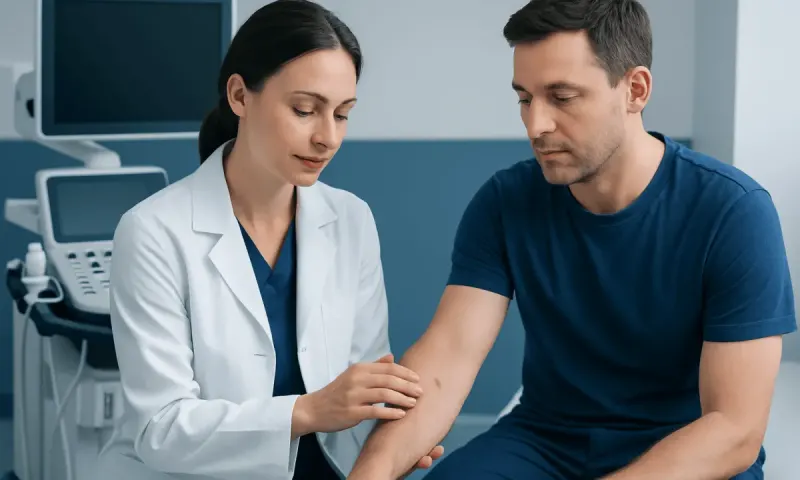
Itchy Scrotum: Common Causes and Skin Care
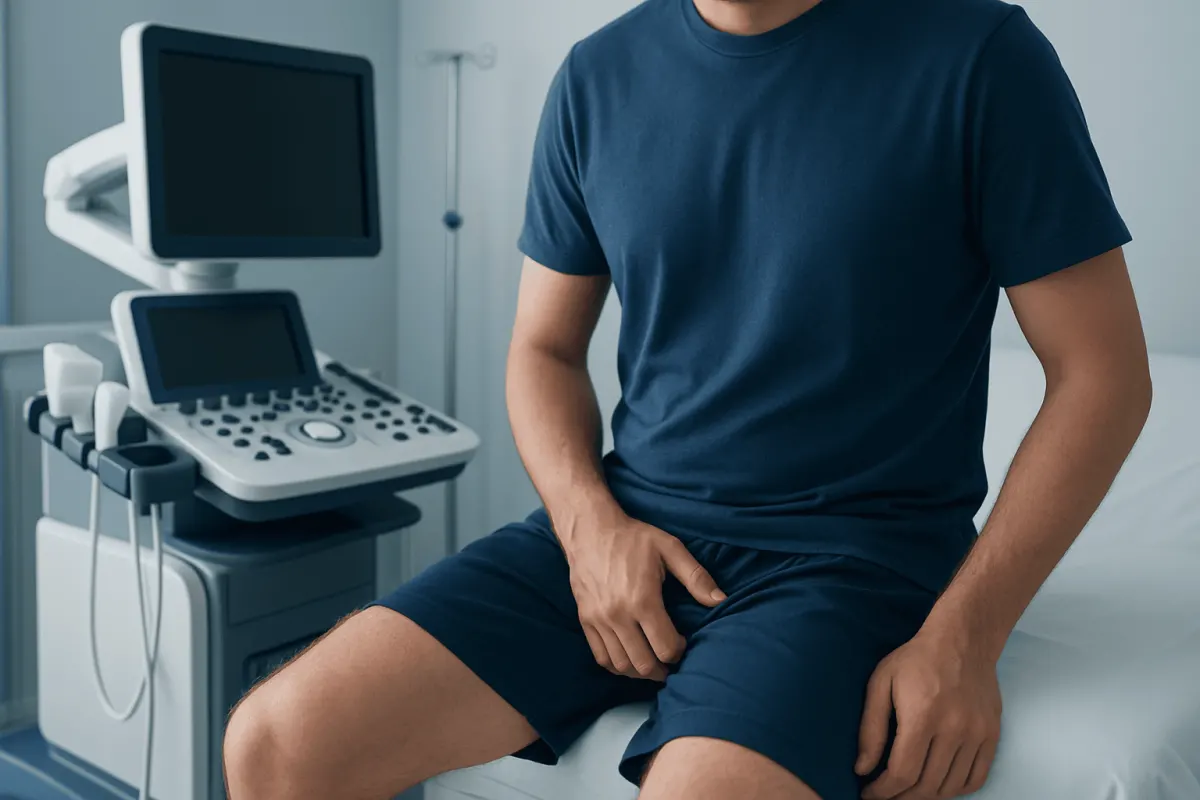
An itchy scrotum can result from sweat, friction, skin irritation, fungal infection, allergies, or normal healing after a procedure. Most cases improve with targeted skin care and treatment of the underlying cause, but persistent, severe, or post-operative symptoms should be assessed by a clinician.
Itchy Scrotum: What It Can Mean
An itchy scrotum is usually a symptom rather than a condition in itself. Common explanations include sweating, friction from clothing, shaving-related irritation, contact dermatitis, eczema, fungal infection and, less often, bacterial infection or another skin disorder. The best itchy scrotum remedy depends on the cause, so treatment should not be based on symptoms alone when itching is persistent or recurrent.
Itching may also occur during recovery after an operation near the groin or pelvis. An itchy scrotum after surgery can reflect normal tissue healing, dryness from cleansing products, moisture around dressings, hair regrowth, or sensitivity to surgical tape or antiseptics. However, itching should not be assumed to be harmless if it is accompanied by increasing pain, redness, heat, drainage, fever or significant swelling.
The scrotal skin is thin and sensitive, which means vigorous scratching can quickly worsen irritation and damage the skin barrier. Gentle care, attention to triggers and timely medical advice can help protect the skin while the underlying cause is identified.
Common Causes of Scrotal Itching
Heat and moisture are frequent contributors. Sweat may remain trapped in the groin, particularly after exercise, in warm weather or when tight synthetic underwear is worn. Rubbing from clothing, prolonged sitting, excess moisture and incomplete drying after bathing can all irritate the area.
Jock itch, medically called tinea cruris, is a fungal infection that often affects the inner thighs and groin. It may cause an itchy, red, scaly rash with a more defined edge. It often begins in the folds of the groin and can be associated with athlete’s foot, because the same fungus may spread from the feet through towels, clothing or hands. Other skin conditions, including eczema, psoriasis and allergic contact dermatitis, can look similar.
Contact dermatitis develops when the skin reacts to an irritant or allergen. Potential triggers include fragranced soaps, body washes, wet wipes, laundry products, deodorants, powders, lubricants and topical creams. A clinician may also consider conditions such as folliculitis, scabies or sexually transmitted infections if the history and examination suggest them.
- Moisture, heat and friction
- Fungal infection such as jock itch
- Irritation from grooming or hair regrowth
- Reaction to skin or laundry products
- Inflammatory skin conditions, including eczema or psoriasis
- Healing tissue or a reaction to dressings after surgery
Itchy Scrotum After Surgery and Procedures

Post-operative itching can be a normal part of healing. As a wound closes, nerve endings and healing skin may create itch sensations. This may happen after procedures involving the scrotum, testicle, groin, lower abdomen or pelvis. The timing and severity vary according to the operation, wound closure method, individual skin sensitivity and whether a dressing, adhesive or support garment was used.
An itchy scrotum after prostatectomy may occur because of surgical preparation of the skin, urinary leakage that irritates the groin, sweating while activity is limited, or sensitivity to pads and underwear. It may be useful to keep the area clean and dry, change absorbent pads promptly and ask the surgical team which products are safe near healing skin. Any new swelling, marked tenderness or wound changes should be reported rather than managed with over-the-counter creams without advice.
An itchy scrotum after orchiectomy can occur around the incision or adjacent skin as healing progresses. A supportive garment may reduce movement and swelling when recommended by the surgeon, but it should not trap excessive moisture. Patients should follow their own post-operative instructions because restrictions on bathing, topical products, exercise and sexual activity differ between procedures.
For people undergoing urological surgery, prostatectomy care and recovery guidance and surgical follow-up are important parts of safe healing. A clinician can distinguish expected itching from infection, allergic contact dermatitis, a fungal rash or a wound problem.
How Long Does It Take for the Scrotum to Heal After Surgery?
Scrotal healing after surgery varies widely. Skin incisions may begin to close within days and often heal over several weeks, while bruising, swelling, tenderness and deeper tissue healing can take longer. The type of operation, whether there was infection or bleeding, the person’s general health, smoking status and the need for additional treatment all influence recovery.
Following a minor scrotal procedure, discomfort and swelling often improve gradually during the first one to two weeks. More extensive operations, including orchiectomy or surgery involving the pelvis, may require several weeks before everyday activities feel comfortable and a longer period before strenuous activity is resumed. The operating surgeon’s instructions take priority over general timelines.
Healing should show an overall trend toward improvement. Contact the surgical team if the wound opens, pain increases after initially improving, swelling becomes pronounced, there is foul-smelling drainage, or fever develops. These symptoms do not always mean a serious problem, but they need assessment.
How Do I Get My Scrotum to Stop Itching?
For mild symptoms without a wound or warning signs, itchy scrotum relief often begins with reducing moisture and irritants. The area can be gently washed with lukewarm water and a mild, fragrance-free cleanser if needed, then carefully patted dry. Loose, breathable cotton underwear and changing out of damp exercise clothing promptly may reduce heat and rubbing.
Avoid scratching, as this can create tiny skin breaks and increase the risk of infection. Keeping nails short, using a cool compress over clothing for brief periods and choosing soft fabrics may help interrupt the itch-scratch cycle. Fragranced powders, harsh soaps, deodorant sprays, medicated creams and home remedies may make a rash worse, especially on delicate genital skin.
If a fungal infection is likely, a pharmacist or clinician may recommend an appropriate topical antifungal product. Steroid creams should not be used on a suspected fungal rash unless advised by a clinician, because they can temporarily change the rash’s appearance while allowing the infection to persist or spread. People with diabetes, weakened immunity, recurrent rashes or uncertain symptoms should seek medical guidance early.
After surgery, patients should not apply creams, powders or antiseptics near an incision unless their surgeon has specifically approved them. The safest itchy scrotum remedy in this setting may be a review of wound care, dressings, clothing and medications by the care team.
How Long Does Post-Op Itching Last?
Mild post-op itching commonly appears as skin and incisions heal and may last for several days to a few weeks. It should generally become less noticeable over time. Adhesive strips, dressings, surgical preparation solutions and some pain medicines can also contribute to itching, and symptoms may continue until the trigger is removed or the skin settles.
Itching that is localized to a healing incision, without spreading redness or discharge, is often manageable with the surgeon’s recommended wound care. However, persistent itching, a rash beyond the dressing area, raised welts, blistering or generalized itching may indicate a reaction to adhesive, medication or another exposure and should be discussed with a healthcare professional.
Itching combined with increasing pain, warmth, expanding redness, pus-like drainage, fever or a feeling of being unwell is not typical healing. A prompt review can identify whether infection, wound separation, a fungal rash or another complication is present. Patients should contact the surgical team rather than remove closures or apply unapproved products themselves.
Is Jock Itch 100% Curable?
Jock itch is usually treatable and many people clear the infection with appropriate antifungal treatment and good moisture control. It is more accurate to describe it as manageable and often fully resolved than to promise that it is 100% curable in every situation. The rash can return if the fungus is reintroduced, treatment is stopped too soon, the feet have untreated athlete’s foot, or the groin remains warm and damp.
A clinician may confirm the diagnosis if a rash does not improve, keeps returning or looks unusual. Not every itchy groin rash is fungal: eczema, psoriasis, bacterial infection, intertrigo and contact dermatitis may require different care. Using the wrong cream can delay correct treatment.
To lower recurrence risk, wash and dry the groin and feet thoroughly, use clean towels and underwear daily, avoid sharing towels, and treat athlete’s foot if present. A clinician can advise on treatment choices for people with sensitive skin, diabetes, immune suppression or extensive rashes. Related concerns involving the urinary and reproductive system can be assessed through urinary tract infection evaluation when symptoms such as burning urination, urgency or fever are also present.
When to Seek Medical Care
Medical care is appropriate when scrotal itching lasts longer than one to two weeks despite gentle skin care, repeatedly returns, disrupts sleep or daily life, or is accompanied by a visible rash. A doctor can examine the skin and recommend treatment based on the likely cause. This is especially important after surgery, when symptoms may overlap with normal healing but also with infection or an adhesive reaction.
Urgent assessment is needed for sudden severe testicular or scrotal pain, rapidly increasing swelling, a scrotum that is very red or hot, fever, vomiting, severe weakness, a spreading rash, painful blisters, wound drainage or bleeding. These symptoms need prompt evaluation because some scrotal conditions require timely treatment.
Patients who need specialist assessment can discuss options with their doctor. Acıbadem Health Point’s multidisciplinary specialists and JCI-accredited hospitals diagnose and treat urological and skin-related conditions for international patients.
Frequently asked questions
01Can sweating cause an itchy scrotum?
Yes. Sweat and heat can remain trapped in the groin and lead to friction, chafing and skin irritation. Drying the area carefully, wearing breathable underwear and changing out of damp clothing can help reduce symptoms.
02Is an itchy scrotum after surgery normal?
Mild localized itching may happen as an incision heals or when skin reacts to surgical tape, cleansers or dressings. It should gradually improve rather than worsen. Contact the surgical team if itching occurs with increasing redness, pain, drainage, fever or swelling.
03Can I use anti-itch cream on my scrotum?
Some products can irritate sensitive genital skin or worsen an undiagnosed fungal infection. It is best to ask a pharmacist or clinician which product is appropriate, particularly after surgery or when there is broken skin. Do not apply creams near a surgical incision unless the surgeon has approved them.
04What does jock itch usually look like?
Jock itch often causes an itchy red or reddish-brown rash in the groin folds and upper inner thighs. The border may be scaly or more defined than the center. A healthcare professional can confirm the diagnosis because several skin conditions may look similar.
05Can jock itch spread to the scrotum?
Jock itch mainly affects the groin folds and inner thighs, although irritation may extend to nearby skin. The scrotum itself is often less involved than in some other rashes. Examination is helpful if the rash is centered on the scrotum, because another condition may be responsible.
06When should scrotal itching be treated urgently?
Urgent care is needed when itching occurs with sudden severe pain, major swelling, fever, vomiting, rapidly spreading redness, blisters, wound drainage or a general feeling of illness. These symptoms can indicate a problem beyond simple skin irritation. After surgery, patients should contact their surgical team promptly for concerning changes.
This article is for general information only and is not a substitute for professional medical advice. Please consult a qualified doctor about your individual situation.
Hair transplant in Turkey — costs, graft counts & a free assessment
JCI-accredited · board-certified surgeons · reply within 24h
Add us as a Preferred Source to see more of our trusted health content across Google Search, AI Overviews and Discover.