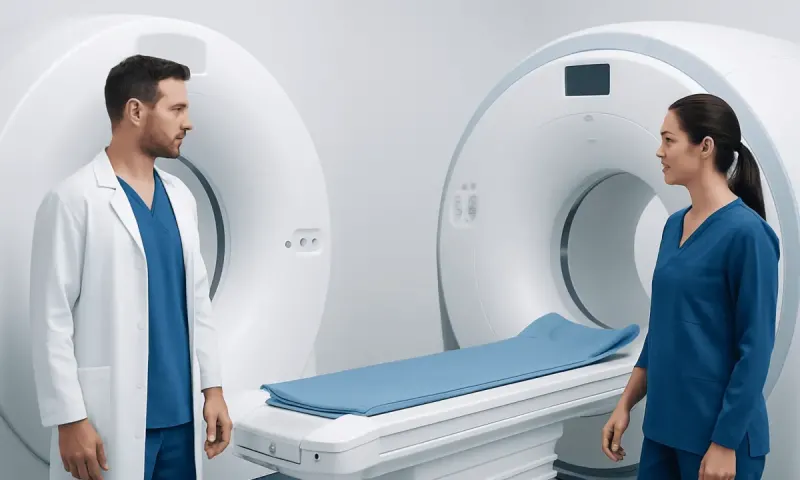
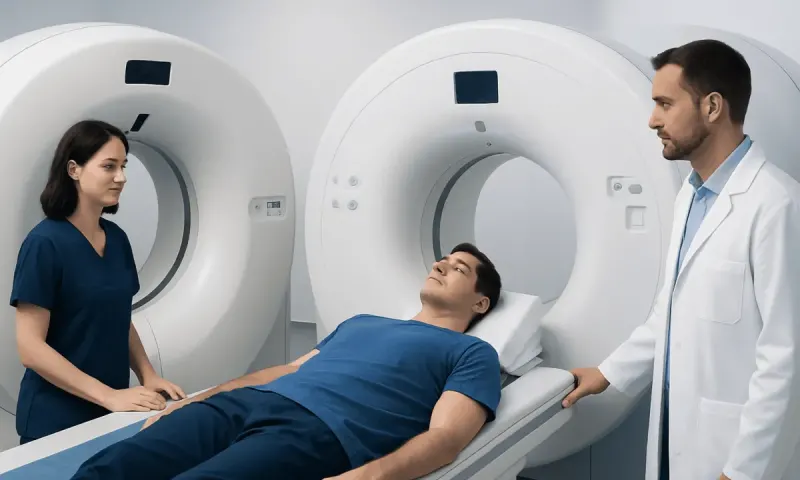
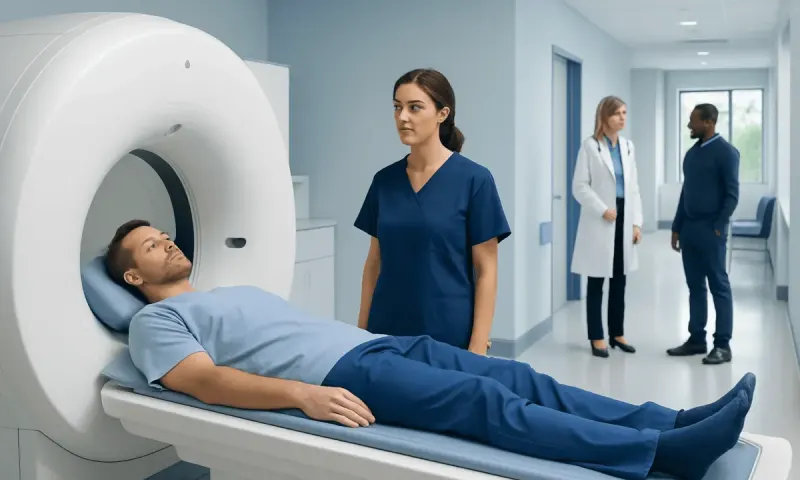
PET Scan vs MRI: Which Feels Less Claustrophobic?
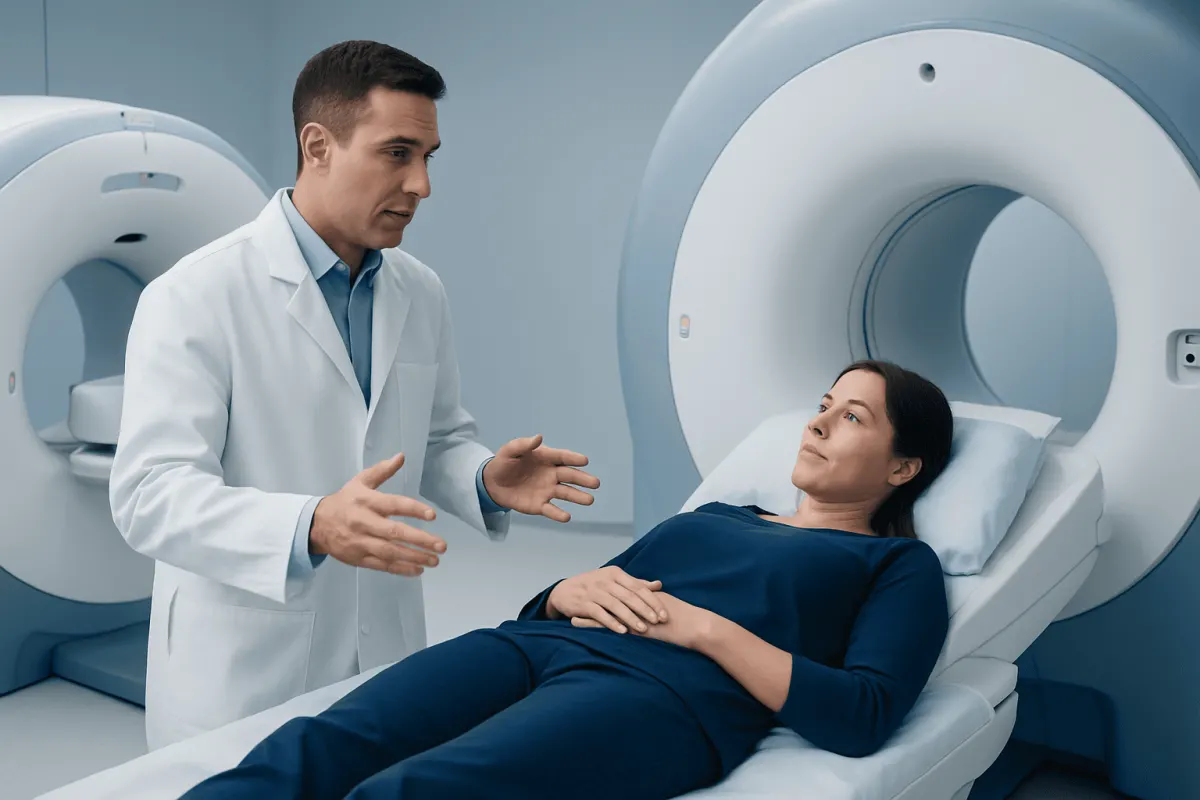
For people comparing pet scan vs mri claustrophobia, MRI is generally more likely to feel restrictive because it uses a narrower, longer tunnel and may take longer. PET imaging also involves lying still in a scanner, but the opening is commonly wider and the imaging portion may feel less enclosed; the right test depends on the clinical question, not comfort alone.
PET Scan vs MRI Claustrophobia: Side-by-Side Comparison
Both PET and MRI are noninvasive imaging tests that require a person to lie still on a moving table. However, they work differently and can feel different during the examination. For many people with a fear of enclosed spaces, an MRI is more difficult because the scanner has a relatively long, narrow tunnel and the examination can take longer.
A PET scan is often performed using a PET/CT scanner. The person passes through a shorter, doughnut-shaped opening rather than being surrounded by a long tube. The exact experience varies with the body part being imaged, the equipment available, and whether PET is combined with CT or MRI.
- Purpose: MRI mainly shows anatomy and tissue detail; PET shows how tissues are functioning or using a radioactive tracer.
- Scanner feel: MRI usually has a more enclosed bore; PET/CT generally has a shorter, wider opening.
- Noise: MRI can be loud and uses repeated knocking sounds; PET/CT is usually much quieter.
- Time: MRI image acquisition may take longer, while PET appointments include tracer uptake time before scanning.
- Radiation: Standard MRI does not use ionizing radiation; PET uses a small amount of radioactive tracer and PET/CT also involves CT radiation.
How Clinicians Decide Which Scan Is Needed
A clinician chooses an imaging test according to the suspected condition, the part of the body involved, previous results, and the information needed for diagnosis or treatment planning. Comfort and claustrophobia are important considerations, but they do not by themselves determine which test will provide the medically necessary answer.
MRI uses a strong magnetic field and radio waves to create detailed images. It is particularly useful for the brain, spinal cord, joints, muscles, ligaments, pelvic organs, liver, and many other soft tissues. PET imaging follows the distribution of a tracer in the body, helping clinicians assess biological activity such as glucose use, inflammation, infection, or cancer activity.
Sometimes the tests complement each other. For example, MRI may define the precise anatomy of an abnormal area, while PET can help show whether tissue is metabolically active. In oncology, PET/CT and MRI may be requested at different stages because each contributes different information.
Which Is More Claustrophobic, MRI or PET Scan?

MRI is generally considered more claustrophobic than a PET/CT scan. During many MRI examinations, the person lies inside a cylindrical magnet, sometimes with a coil placed near the body area being examined. Head MRI can be especially challenging because the head is positioned within the scanner and a head coil may be used to obtain clear images.
PET/CT scanners usually have a shorter opening and more open space around the body. Although the table moves through the scanner, many people can still see beyond the opening. The PET scan itself is quiet, which may make the experience easier for some people.
Individual experiences differ. A person may feel anxious in either test because of the unfamiliar setting, the need to remain still, concerns about results, pain when lying flat, or a previous difficult scan. Sharing these concerns early allows the imaging team to explain what will happen and make practical adjustments where possible.
What Can a PET Scan Show That an MRI Cannot?
A PET scan can show patterns of metabolic or molecular activity that MRI cannot directly measure. After a tracer is administered, PET detects where that tracer collects. Depending on the tracer used, this can help identify areas with increased glucose use, certain receptor activity, bone turnover, or inflammation.
This functional information may help clinicians assess some cancers, determine whether cancer has spread, evaluate response to treatment, investigate certain infections or inflammatory conditions, and assess selected neurological or heart conditions. PET findings are interpreted alongside symptoms, laboratory tests, and other scans because increased tracer uptake is not always cancer and can occur with inflammation or healing tissue.
MRI remains better for many questions involving fine structural detail. It can often show the size, location, and relationship of an abnormality to nearby nerves, blood vessels, organs, or joints. When cancer imaging is required, cancer assessment may involve several tests rather than a single scan.
Will I Feel Claustrophobic in a PET Scan?
It is possible to feel claustrophobic during a PET scan, but many people find it more tolerable than MRI. The scanner design is usually less enclosing, and the imaging portion commonly involves moving slowly through a short ring-shaped detector. Still, the person must remain quite still to avoid blurred images.
A PET appointment may be longer than the time spent in the scanner because the tracer needs time to circulate before imaging begins. During this uptake period, patients are typically asked to rest quietly. The imaging team will explain the schedule, positioning, and how communication works during the scan.
Patients should mention anxiety or claustrophobia when the test is booked and again on arrival. They may be able to use breathing exercises, listen to permitted audio, keep their eyes closed before entering the scanner, or arrange other support according to local safety rules. If medication for anxiety is being considered, it should be discussed in advance with the prescribing clinician because someone else may need to provide transportation home.
Is There an Alternative to an MRI Scan If You Are Claustrophobic?
Sometimes an alternative scan can be used, but it depends entirely on why MRI was requested. CT, ultrasound, X-ray, PET/CT, or nuclear medicine studies may be appropriate for certain questions, yet none produces exactly the same information as MRI. Replacing MRI without discussing it with the referring clinician may delay diagnosis or result in a less useful test.
When MRI is the best examination, several approaches may improve tolerability. These can include a wide-bore or open MRI where appropriate, an appointment at a center experienced in supporting anxious patients, clear communication with the radiographer, mirrors or visual aids, headphones or ear protection, and planned breaks if the protocol permits.
For significant anxiety, a clinician may consider medication or, in selected situations, monitored sedation. This requires advance planning because fasting instructions, medical history, medication interactions, and transport arrangements may apply. Sedation is not suitable for everyone, but it can be helpful when an essential MRI cannot otherwise be completed.
Preparing for Imaging When Claustrophobia Is a Concern
Preparation begins before the scan date. Patients can ask how long the imaging portion will last, how much of the body will be inside the scanner, whether the machine is wide-bore or open, and whether a family member can remain nearby. Knowing the steps in advance often makes the procedure feel more manageable.
It is important to follow preparation instructions carefully. MRI screening includes questions about implanted devices, metal fragments, and some medication patches because the magnetic field can create safety concerns. PET preparation may include instructions about eating, exercise, blood glucose, medications, and pregnancy or breastfeeding; these details vary according to the tracer and reason for the test.
During the scan, slow breathing, focusing on a calming image, closing the eyes before the table moves, and agreeing on a communication signal with the technologist can be useful. Patients should not stop a scan or take a sedative without guidance. The imaging team can pause or reassess when it is safe to do so.
When to Seek Medical Care
Claustrophobia itself is common, and it is appropriate to seek medical advice when fear of enclosed spaces is causing distress, avoidance of needed care, panic symptoms, or difficulty completing essential tests. A primary care clinician or mental health professional can discuss strategies such as structured psychological therapy and, when appropriate, medication options.
Before an urgent or time-sensitive scan, patients should contact the referring team as soon as possible rather than cancelling without notice. The clinician may be able to change the setting, coordinate anxiety support, or determine whether another imaging method can answer the question safely.
Acıbadem Health Point’s multidisciplinary specialists and JCI-accredited hospitals can help international patients coordinate diagnostic imaging and treatment planning when medically indicated. Imaging results should always be reviewed with the clinician who requested the test, as the meaning of a finding depends on the person’s overall health and medical history.
Frequently asked questions
01Can PET scan replace MRI?
A PET scan cannot routinely replace MRI because the tests provide different types of information. PET assesses tracer activity in tissues, while MRI provides detailed structural images without ionizing radiation. A clinician selects the test that best answers the specific medical question.
02How long does a PET scan take compared with an MRI?
The overall PET visit can take several hours because time is needed for tracer preparation and uptake before images are taken. The imaging portion is often shorter than the full appointment. MRI duration varies widely according to the body part and number of image sequences, and can range from a relatively short study to a longer examination.
03Is a PET scan painful?
PET imaging is generally not painful, although there is usually a brief needle insertion to administer the tracer. Remaining still and lying in one position may be uncomfortable for some people. The imaging team can help with positioning supports when appropriate.
04Can I take anxiety medication before an MRI or PET scan?
Medication for anxiety should only be taken after discussing it with the clinician arranging the test. It may affect safety instructions, the need for fasting, or the ability to drive afterward. Patients should ask in advance rather than taking an unfamiliar medication on the day of the scan.
05Are open MRI scanners as accurate as standard MRI scanners?
Open MRI systems can be useful for selected patients, including some people with claustrophobia. However, image quality and the types of examinations available can vary by machine and clinical need. The radiologist and referring clinician can advise whether an open or wide-bore MRI is suitable.
06What should I do if I panic during a scan?
Patients should use the call button, alarm device, or communication method explained by the imaging team before the scan begins. The technologist can speak with the patient and may pause the examination when safe. Discussing anxiety before the scan gives the team the best opportunity to prevent or manage distress.
This article is for general information only and is not a substitute for professional medical advice. Please consult a qualified doctor about your individual situation.
Explore treatments in Turkey — costs, top hospitals & a free quote
JCI-accredited · board-certified surgeons · reply within 24h
Add us as a Preferred Source to see more of our trusted health content across Google Search, AI Overviews and Discover.