Pancreatic Cancer Causes, Diagnosis and Treatment Outlook

Pancreatic cancer usually develops from a combination of genetic changes, age-related risk and certain health or lifestyle factors rather than one single cause. Prompt assessment of persistent symptoms and specialist-led staging can help guide the most appropriate treatment plan.
Pancreatic cancer causes: an answer-first overview
Pancreatic cancer causes are not fully understood. It develops when cells in the pancreas acquire genetic changes that make them grow and divide out of control; these changes may occur over time because of age, lifestyle exposures, inflammation, diabetes or inherited cancer-related gene variants. In many people, however, no single clear cause can be identified.
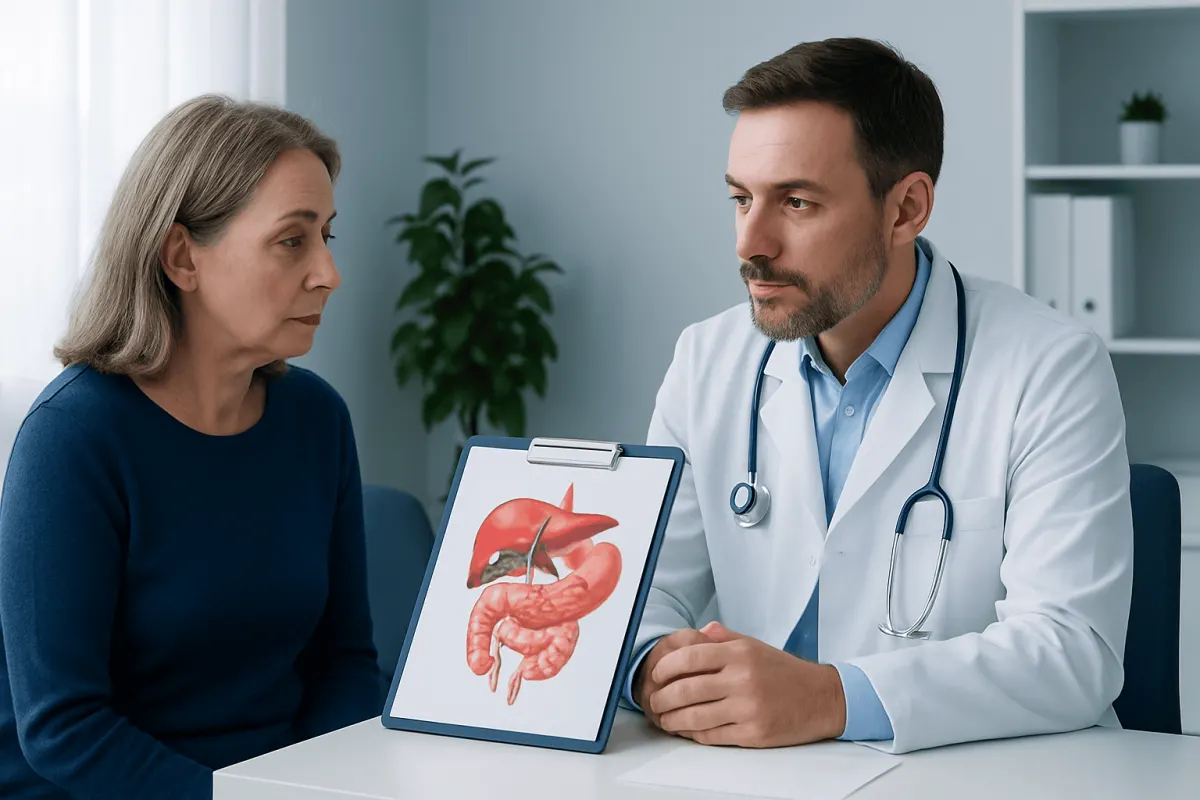
The pancreas is an organ behind the stomach that helps digest food and regulate blood sugar. Most pancreatic cancers begin in the cells lining the pancreatic ducts and are called pancreatic ductal adenocarcinomas. Less commonly, cancers begin in hormone-producing cells, known as pancreatic neuroendocrine tumors, which can behave differently and require different treatment approaches.
Pancreatic cancer can be difficult to detect early because the pancreas lies deep in the abdomen and early symptoms may be mild or absent. This does not mean symptoms should be ignored: new, persistent changes deserve assessment, particularly in people with known risk factors or a close family history of pancreatic cancer.
Symptoms and signs that may need assessment
Symptoms vary according to where the tumor is located and whether it affects the bile duct, digestion or nearby structures. A tumor in the head of the pancreas may block bile flow and cause jaundice, while tumors elsewhere may cause more nonspecific abdominal or back discomfort.
Possible symptoms include yellowing of the skin or whites of the eyes, dark urine, pale or greasy stools, itching, upper abdominal pain that may spread to the back, unintended weight loss, reduced appetite, nausea, fatigue and new digestive difficulties. Some people develop diabetes or notice that previously stable diabetes becomes harder to manage.
These symptoms are common in many non-cancerous conditions, including gallstones, liver disease and digestive disorders. Still, persistent symptoms should be evaluated rather than self-treated, especially jaundice, unexplained weight loss or ongoing pain.
- Jaundice requires prompt medical assessment.
- New diabetes after midlife may warrant discussion with a clinician, particularly when accompanied by weight loss or abdominal symptoms.
- A family history of pancreatic, breast, ovarian, colorectal or prostate cancer may be relevant to risk assessment.
Risk factors and inherited predisposition
Age is one of the strongest risk factors, and pancreatic cancer is more often diagnosed in older adults. Tobacco smoking is a well-established modifiable risk factor. Maintaining a healthy weight, limiting alcohol intake and avoiding tobacco can support general health and may reduce risk.
Long-term inflammation of the pancreas, known as chronic pancreatitis, can increase risk. Heavy alcohol use can contribute to chronic pancreatitis in some people, although not everyone with chronic pancreatitis develops cancer. Type 2 diabetes is also associated with pancreatic cancer, though the relationship is complex: diabetes may be a risk factor, and in some cases a developing pancreatic cancer may contribute to changes in blood sugar.
A small proportion of pancreatic cancers are linked to inherited gene variants. These can include variants associated with hereditary breast and ovarian cancer syndromes, Lynch syndrome, familial atypical multiple mole melanoma syndrome and hereditary pancreatitis. Genetic counseling may be helpful when several close relatives have had pancreatic cancer or related cancers, or when pancreatic cancer occurs at a younger age.
There is no routine screening test for everyone at average risk. People with a strong family history or a known high-risk inherited variant may be offered surveillance at an experienced specialist center using imaging such as MRI or endoscopic ultrasound.
How pancreatic cancer is diagnosed and staged
Diagnosis starts with a medical history, physical examination and blood tests. Liver function tests may show signs of bile duct blockage, while the tumor marker CA 19-9 may sometimes be measured. CA 19-9 cannot diagnose pancreatic cancer on its own because it can be normal in some affected people and elevated in other conditions.
High-quality imaging is central to diagnosis and treatment planning. A pancreas-protocol CT scan is commonly used to evaluate the pancreas and surrounding blood vessels. MRI, MRCP and endoscopic ultrasound may provide additional detail. During endoscopic ultrasound, a clinician may obtain a tissue sample with a fine needle; this biopsy can confirm the cancer type before many treatments begin.
Staging describes the cancer’s size, location and whether it has spread to nearby blood vessels, lymph nodes or distant organs. Specialists often classify disease as resectable, borderline resectable, locally advanced or metastatic. This information helps a multidisciplinary team determine whether surgery, systemic therapy, radiation therapy or a combination is appropriate.
It can be useful for patients to ask whether genetic testing of the tumor and inherited genetic testing are appropriate. Results may identify treatment-relevant features for some people and may provide important information for relatives.
Modern treatment approaches and supportive care
Treatment is individualized. For localized pancreatic cancer that can be removed safely, surgery offers the main opportunity for long-term disease control. Depending on the tumor location, an operation may involve removal of the pancreatic head and nearby structures, or removal of the body or tail of the pancreas. Surgery is often combined with chemotherapy before or after the operation.
For borderline resectable or locally advanced disease, chemotherapy may be used first to control the cancer and assess whether surgery becomes feasible. Radiation therapy may be considered for selected circumstances. For metastatic disease, systemic treatments such as chemotherapy are used to slow cancer growth, relieve symptoms and support quality of life. Molecular testing may identify targeted treatment or immunotherapy options for a small subset of tumors.
Care also includes management of pain, jaundice, digestion, diabetes, nausea and emotional wellbeing. If a bile duct is blocked, an endoscopic stent may help restore bile drainage. Pancreatic enzyme replacement may be prescribed when the pancreas no longer produces enough digestive enzymes. These measures are part of active, person-centered cancer care, not an alternative to it.
Acıbadem Health Point’s multidisciplinary specialists at JCI-accredited hospitals support international patients through diagnosis, staging and individualized cancer treatment planning.
When to seek medical care
A person should arrange a medical review for persistent upper abdominal or back pain, unexplained weight loss, appetite loss, ongoing nausea, unusual stools or new changes in diabetes control. These symptoms do not necessarily indicate pancreatic cancer, but an assessment can identify their cause and guide treatment.
Urgent medical assessment is important for jaundice, dark urine, pale stools, severe worsening abdominal pain, fever with jaundice, repeated vomiting, dehydration or confusion. These can signal obstruction, infection or another condition needing prompt care.
People with multiple relatives affected by pancreatic cancer, or relatives with related hereditary cancers, can ask a doctor about genetic counseling. A clinician can review the family history and discuss whether referral to a specialist surveillance program is suitable.
Has anyone beaten pancreatic cancer?
Yes. Some people with pancreatic cancer are successfully treated, particularly when the cancer is found at an earlier stage and can be completely removed with surgery, often together with chemotherapy. Others live for years with disease controlled by treatment, although outcomes vary substantially from person to person.
Prognosis depends on factors such as the cancer type, stage, tumor biology, response to treatment, whether surgery is possible and the person’s overall health. Survival statistics describe groups of people and cannot predict an individual outcome. The treating oncology team is best placed to explain what the diagnosis means in an individual situation.
Seeking care from a team experienced in pancreatic cancer can help ensure that imaging, pathology, surgical options, systemic treatments, symptom care and clinical trial discussions are considered together.
How quickly can pancreatic cancer develop?
Pancreatic cancer usually develops through genetic changes that build up over years. However, the time from a detectable tumor to symptoms or spread can vary, and some cancers may appear to progress quickly once they become clinically apparent.
It is not possible to estimate the pace of an individual cancer from symptoms alone. Imaging, pathology and repeat assessments help the care team understand the extent of disease and choose the timing of treatment. Anyone with concerning symptoms should not wait to see whether they disappear, particularly if they persist or worsen.
For people at inherited high risk, surveillance programs may help identify concerning changes before symptoms develop. These programs are not generally recommended for the average-risk population because the disease remains uncommon and available tests have limitations.
What foods should pancreatic cancer patients avoid?
There is no single pancreatic cancer diet and no food has been proven to cure the disease. Food choices should be guided by symptoms, nutritional needs, blood sugar management and treatment effects. Because unintentional weight loss and muscle loss are common, strict or highly restrictive diets are usually not advisable without advice from an oncology dietitian.
Some people find that very fatty, fried or heavily processed foods worsen bloating, diarrhea, abdominal discomfort or greasy stools, especially when pancreatic enzyme production is reduced. Alcohol should generally be avoided or discussed with the clinical team, particularly when there is pancreatitis, liver involvement, medication interactions or poor nutrition. Smoking should be stopped.
Small, frequent meals with adequate protein and calories may be easier to tolerate. A clinician or dietitian may recommend pancreatic enzyme replacement with meals and snacks when malabsorption is present. Patients should ask before using supplements, herbal products or special diets because they can interact with cancer treatments or reduce nutritional intake.
What are some holistic approaches to treating pancreatic cancer?
Holistic care means addressing physical symptoms, nutrition, emotional health, practical concerns and personal values alongside cancer treatment. It can include oncology nutrition support, gentle activity as tolerated, sleep support, counseling, relaxation practices, meditation, yoga adapted to ability, massage from an appropriately trained practitioner and help with pain or nausea.
These approaches may improve comfort and coping, but they should complement—not replace—evidence-based cancer treatment. Herbal remedies, high-dose vitamins and unregulated supplements may interfere with chemotherapy, affect blood clotting or harm the liver. Patients should share every product they use with their oncology team.
Palliative care is also a valuable part of holistic treatment at any stage. It focuses on symptom relief, communication, emotional support and quality of life, and can be provided alongside surgery, chemotherapy, radiation therapy or other cancer-directed care.
Frequently asked questions
01Can pancreatic cancer be prevented?
Pancreatic cancer cannot always be prevented because many cases have no known cause and age or inherited genes cannot be changed. Avoiding tobacco, maintaining a healthy weight, managing diabetes and limiting alcohol can reduce modifiable risks and support overall health.
02Is pancreatic cancer hereditary?
Most pancreatic cancers are not inherited, but a minority are linked to inherited gene variants or family cancer syndromes. A person with several close relatives affected by pancreatic cancer or related cancers should discuss genetic counseling with a doctor.
03Does pancreatitis cause pancreatic cancer?
Chronic pancreatitis is associated with a higher risk of pancreatic cancer, especially when inflammation has been present for many years. Most people with pancreatitis will not develop pancreatic cancer, but ongoing follow-up is important when recommended by a clinician.
04What is the first test for suspected pancreatic cancer?
The initial assessment may include a clinical examination, blood tests and imaging. A pancreas-protocol CT scan is often used, with MRI or endoscopic ultrasound added when more detail or a biopsy is needed.
05Can pancreatic cancer cause diabetes?
Yes, pancreatic cancer can sometimes affect insulin production or how the body handles blood sugar, leading to new or worsening diabetes. New diabetes does not usually mean pancreatic cancer, but it should be reviewed in context with age, symptoms and other risk factors.
06Why is pancreatic cancer often found late?
Early pancreatic cancer may not cause noticeable symptoms, and its symptoms can overlap with common digestive conditions. The pancreas is also located deep in the abdomen, making early tumors difficult to feel during a routine examination.
This article is for general information only and is not a substitute for professional medical advice. Please consult a qualified doctor about your individual situation.
Medical weight-loss options in Turkey — costs & eligibility
JCI-accredited · board-certified surgeons · reply within 24h
Add us as a Preferred Source to see more of our trusted health content across Google Search, AI Overviews and Discover.