Mouth Cancer Symptoms, Diagnosis and Treatment Outlook
Mouth cancer symptoms often include a sore, patch, lump, or area of discomfort that does not heal or settle within a few weeks. Many mouth changes are not cancer, but prompt dental or medical assessment is important because early oral cancer can be subtle and is often more treatable.
Overview: recognizing mouth cancer symptoms
Mouth cancer, also called oral cavity cancer, develops in tissues of the lips, tongue, gums, inner cheeks, floor of the mouth, hard palate, or the area behind the wisdom teeth. The most important mouth cancer symptoms are changes that persist: a sore that does not heal, a lump or thickened area, an unexplained red or white patch, bleeding, numbness, or ongoing pain.
These symptoms are common and can also result from irritation, infections, dental problems, or inflammatory conditions. However, changes lasting longer than two to three weeks should be assessed by a dentist, oral and maxillofacial specialist, ear, nose and throat doctor, or physician. A timely check does not mean cancer is likely; it is the safest way to identify the cause and arrange care when needed.
Oral cavity cancer is different from cancers deeper in the throat, although symptoms can overlap. Cancers of the mouth and throat are often discussed together as head and neck cancers, and evaluation may involve a coordinated team of dental, surgical, oncology, speech and nutrition professionals.
Common symptoms and changes to watch for
A persistent mouth ulcer is one of the better-known warning signs, particularly when it is painful, firm around the edges, bleeds easily, or does not heal. A red patch, called erythroplakia, or a white patch, called leukoplakia, also needs professional assessment, especially if it cannot be rubbed away or has changed over time.
Other possible mouth cancer symptoms include a lump in the mouth, jaw, or neck; a thickened area of tissue; unexplained loosening of teeth; poorly fitting dentures; persistent tongue or jaw pain; numbness of the lip or tongue; and difficulty chewing, swallowing, or moving the jaw. Some people notice a change in speech, an ongoing sore throat, ear pain on one side, or unintended weight loss.
- A mouth sore or patch that lasts more than two to three weeks
- A new lump, swelling, or persistent thickening in the mouth or neck
- Unexplained bleeding, numbness, pain, or difficulty swallowing
- Changes in teeth, dentures, voice, or jaw movement without a clear explanation
Symptoms alone cannot diagnose cancer. A clinical examination and, if appropriate, a tissue biopsy are needed to establish the cause.
What are the signs and symptoms of Stage 1 oral cancer?
Stage 1 oral cancer is generally a small, localized tumor that has not spread to nearby lymph nodes or distant organs. It may be visible as a small ulcer, red or white patch, raised area, or firm lump. It can also cause a localized burning sensation, mild tenderness, or no discomfort at all.
Because early lesions may be painless and small, they can be mistaken for a canker sore, irritation from a sharp tooth, or denture rubbing. A lesion that appears to improve and then returns, becomes firmer, enlarges, or remains present beyond two to three weeks deserves assessment. Early-stage disease cannot be confirmed by appearance alone; staging is based on examination, imaging when needed, and pathology from a biopsy.
Finding oral cancer at an earlier stage may allow treatment to focus on a smaller area and can support better functional outcomes. Regular dental visits are useful because dental professionals can inspect areas that may be difficult for a person to see clearly at home.
Causes and factors that can raise risk
Tobacco use is a major risk factor for mouth cancer, including cigarettes, cigars, pipes, smokeless tobacco, and betel quid or areca nut products. Alcohol can also increase risk, and the combination of tobacco and alcohol is particularly harmful. Stopping tobacco use and limiting alcohol are meaningful steps for reducing future risk.
Other factors include long-term sun exposure for lip cancer, a previous head and neck cancer, weakened immunity, and poor oral health in some circumstances. Human papillomavirus (HPV) is strongly associated with many cancers of the oropharynx, such as the tonsils and base of the tongue, rather than most cancers arising in the front part of the mouth.
Risk factors do not determine whether someone will develop cancer. People without known risk factors can develop oral cancer, while many people with risk factors never do. Any persistent mouth change should therefore be evaluated based on its features and duration, not only on personal risk history.
How mouth cancer is diagnosed and staged
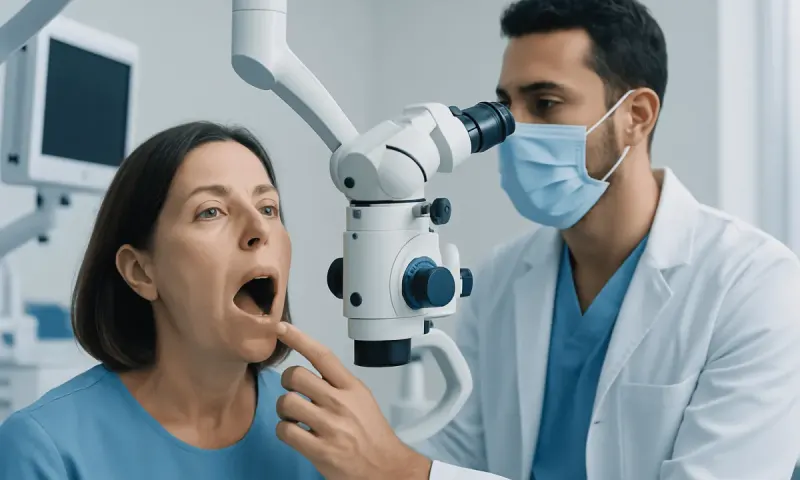
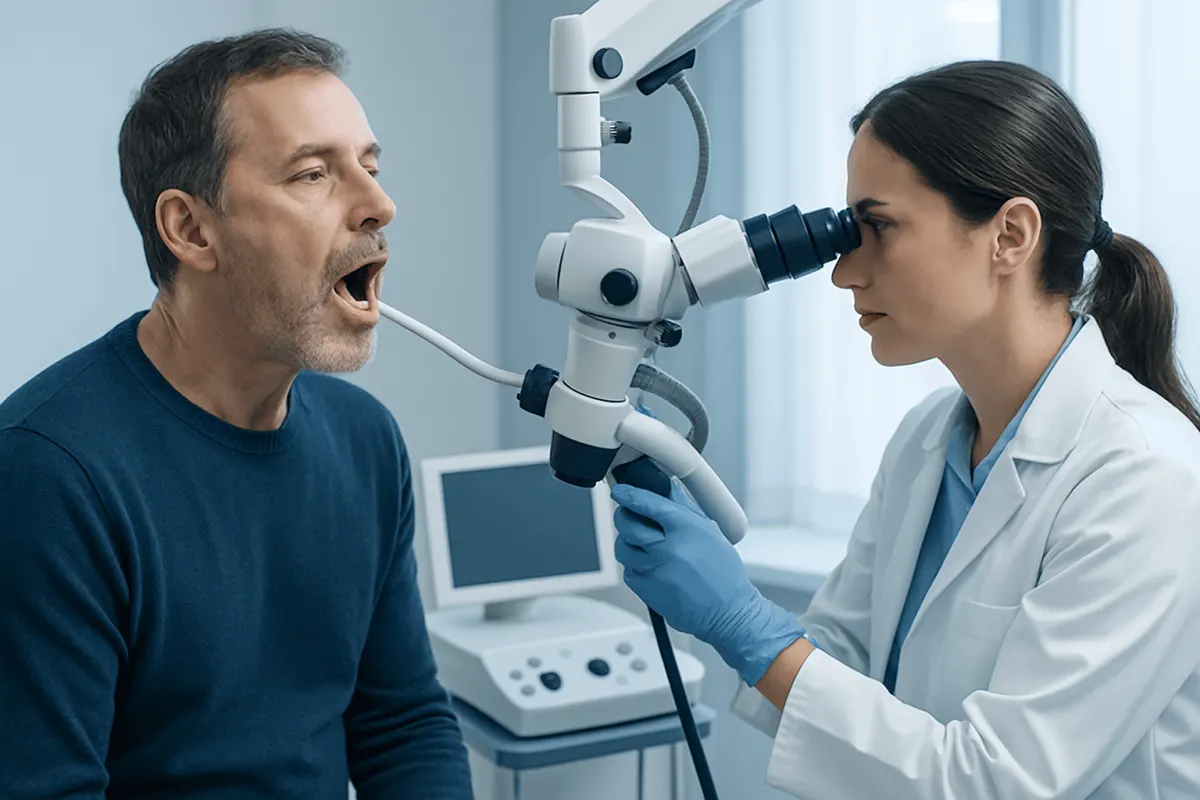
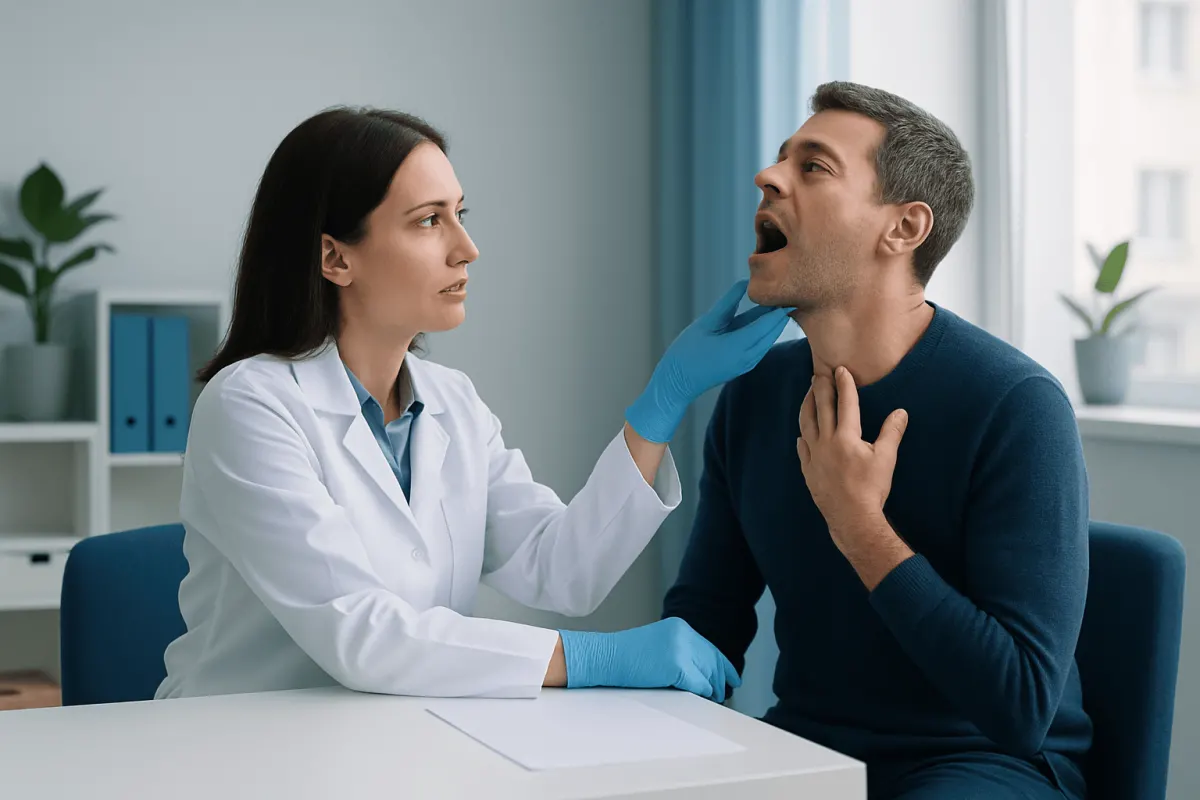
A clinician will ask about symptoms, tobacco and alcohol exposure, dental history, medical conditions, and any prior cancers. They will examine the lips, gums, tongue, cheeks, palate, floor of the mouth, throat, and neck. If an area looks concerning or does not resolve, the clinician may arrange a biopsy, in which a small sample of tissue is examined under a microscope.
After a Prostate Cancer Diagnosis: Tests and Next Steps" class="ahp-ilk">cancer diagnosis, imaging tests such as CT, MRI, PET-CT, ultrasound, or chest imaging may be used to assess the size and depth of the tumor and whether lymph nodes or other organs are involved. The results help determine the stage and guide treatment planning.
Staging is an important tool, but it is not the only factor in treatment decisions. The tumor’s exact location, pathology findings, a person’s general health, nutrition, dental status, speech and swallowing needs, and personal preferences all matter. Some patients may also be evaluated for related head and neck cancers when symptoms or imaging suggest involvement beyond the oral cavity.
What are the treatment options for mouth cancer?
Treatment is individualized and is usually planned by a multidisciplinary head and neck cancer team. For many early oral cancers, surgery to remove the tumor is the main treatment. Depending on the tumor site and size, surgery may include removal of nearby lymph nodes and reconstructive procedures to help preserve appearance, speech, chewing, and swallowing.
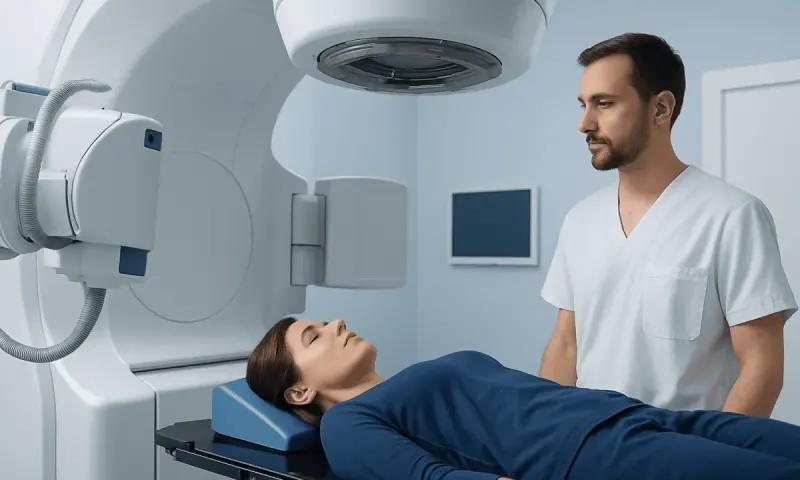
Radiotherapy may be used after surgery when pathology shows features associated with a higher chance of recurrence, or it may be a primary treatment in selected cases. Radiotherapy uses precisely planned radiation to treat cancer cells while limiting exposure to nearby healthy tissues. Chemotherapy may be given with radiotherapy in some locally advanced cancers, or used to treat disease that has returned or spread.
For recurrent or metastatic disease, systemic treatment may include chemotherapy, targeted medicines, or immunotherapy, depending on tumor characteristics and a person’s health. Supportive care is a core part of treatment and can include dental care, pain relief, nutrition support, speech and swallowing therapy, and emotional support. Cancer Treatment: How It Works, Results and What to Expect" class="ahp-ilk">Head and neck cancer treatment may also involve reconstructive surgery and rehabilitation to address the effects of treatment.
Before treatment begins, a dental assessment is often recommended, especially before radiotherapy to the mouth or jaw. This helps reduce the risk of later dental complications and allows preventive care to be planned safely.
What toothpaste is best for chemo patients?
For people receiving chemotherapy, a gentle, non-irritating fluoride toothpaste is usually the most appropriate choice, particularly if the mouth is sore or sensitive. A soft toothbrush and a toothpaste without strong flavoring, whitening agents, or sodium lauryl sulfate may be more comfortable for some people. Fluoride remains important because cancer treatment and dry mouth can increase the risk of tooth decay.
There is no single toothpaste that is best for every chemotherapy patient. A dentist or oncology team may recommend a prescription-strength fluoride product for people with substantial dry mouth or high cavity risk, while others may do well with a standard mild fluoride toothpaste. Products containing alcohol are generally best avoided when the mouth is irritated.
New mouth pain, ulcers, bleeding gums, white coating, trouble swallowing, or inability to drink enough fluids should be reported to the cancer team promptly. Oral care plans should be individualized, particularly when blood counts are low or dental treatment is being considered during chemotherapy.
What is the life expectancy for stage 4 oral cancer with treatment?
There is no single life-expectancy figure for stage 4 oral cancer with treatment. Stage 4 covers a broad range of situations, including a large local tumor, spread to nearby lymph nodes, or spread to distant organs. Outlook varies considerably according to the precise stage, tumor location and biology, treatment response, overall health, and whether treatment can be given with curative intent.
Some people with locally advanced stage 4 oral cancer can receive combined treatment, such as surgery followed by radiotherapy with or without systemic therapy, with the aim of controlling or curing the disease. When cancer has spread to distant sites, treatment often focuses on slowing cancer growth, relieving symptoms, maintaining function, and supporting quality of life; meaningful responses can occur with modern systemic therapies in selected patients.
The oncology team is best placed to discuss prognosis using the individual’s scans, pathology, treatment plan, and response over time. Asking about the treatment goal, likely benefits and side effects, clinical trials where appropriate, and supportive or palliative care can help patients and families make informed decisions. Palliative care can be provided alongside active cancer treatment and is not limited to end-of-life care.
When to seek medical care
Medical or dental care should be sought for any mouth ulcer, lump, patch, or unexplained discomfort that lasts longer than two to three weeks. An earlier appointment is sensible if there is a growing neck lump, persistent swallowing difficulty, unexplained bleeding, worsening pain, numbness, unexplained weight loss, or a change in voice.
Urgent medical attention is appropriate for difficulty breathing, inability to swallow saliva, significant bleeding, or rapidly increasing swelling. These symptoms may have causes other than cancer, but they require timely assessment.
After treatment, regular follow-up helps clinicians monitor for recurrence, manage dry mouth and dental concerns, and support speech, swallowing, nutrition, and emotional wellbeing. Acıbadem Health Point’s multidisciplinary specialists and JCI-accredited hospitals diagnose and treat mouth cancer for international patients, with care plans tailored to clinical needs.
Frequently asked questions
01Can mouth cancer symptoms come and go?
Irritation, minor trauma, and some infections can cause symptoms that improve and return. However, a lesion or discomfort that persists, repeatedly returns in the same place, or changes in size or appearance should be examined by a dentist or doctor. A biopsy may be needed if the cause is uncertain.
02Is a painless mouth ulcer a sign of cancer?
Most mouth ulcers are not cancer, and some are painful while others are not. Oral cancer can be painless in its early stages, so pain level is not a reliable way to rule it out. An ulcer that has not healed within two to three weeks should be assessed.
03Can a dentist detect mouth cancer?
Yes. Dentists routinely inspect the mouth and may identify suspicious ulcers, patches, lumps, or changes in the tissues. If needed, they can refer a person to an oral and maxillofacial specialist, ENT specialist, or oncology team for biopsy and further testing.
04Is mouth cancer curable?
Many mouth cancers can be treated successfully, particularly when identified before they have spread. Whether treatment is intended to cure, control the cancer, or relieve symptoms depends on the stage and individual clinical features. The treating team can explain the likely goals of treatment for a specific case.
05Does chemotherapy always cause mouth sores?
No. Mouth sores, also called oral mucositis, are a possible side effect of some chemotherapy regimens and may also occur with radiotherapy to the head and neck. Careful oral hygiene, hydration, and advice from the oncology team can help reduce discomfort and manage symptoms if they occur.
06How can mouth cancer risk be reduced?
Avoiding tobacco and betel quid products, limiting alcohol, protecting the lips from excessive sun exposure, and attending regular dental visits can reduce risk. Keeping the mouth healthy and seeking assessment for persistent changes are also important. Risk cannot be reduced to zero, so new symptoms should not be ignored.
This article is for general information only and is not a substitute for professional medical advice. Please consult a qualified doctor about your individual situation.
Persistent digestive symptoms? Get evaluated in Turkey
JCI-accredited · board-certified surgeons · reply within 24h
Add us as a Preferred Source to see more of our trusted health content across Google Search, AI Overviews and Discover.