Neuroendocrine Tumors: Symptoms, Causes and Treatment

Key Takeaways
- Neuroendocrine tumors can develop in many organs and may grow slowly or more aggressively depending on the type.
- Symptoms often depend on where the tumor starts and whether it releases hormones.
- Diagnosis usually combines imaging, lab tests, biopsy, and sometimes specialized scans.
- Treatment may include surgery, medication, targeted therapy, radiation, or observation in selected cases.
- Long-term follow-up is important because these tumors can require ongoing monitoring after treatment.
Neuroendocrine tumors are a diverse group of growths that can develop in hormone-producing cells found throughout the body, most often in the digestive tract, pancreas, or lungs. Because symptoms can be subtle or vary widely, understanding the signs, testing, and treatment options can help patients seek care with greater confidence.
Overview
A neuroendocrine tumor, often shortened to NET, begins in neuroendocrine cells. These cells act like messengers: they receive signals from the nervous system and release hormones that help regulate digestion, breathing, blood sugar, and other body functions. Because neuroendocrine cells are spread across several organs, NETs can appear in different places and behave in different ways.
Some neuroendocrine tumors grow very slowly and may be found only after a scan or a procedure done for another reason. Others are more active, spread sooner, or release hormones that create noticeable symptoms. The term includes a wide range of conditions, from well-differentiated tumors that can be managed for years to more aggressive cancers that need prompt treatment.
For people traveling to another country for evaluation, the challenge is often not only finding the tumor but also identifying its exact type and stage. That distinction matters because the plan may range from careful monitoring to surgery or combination therapy. A clear diagnosis helps the care team choose the most appropriate path and explain what to expect in plain language.
Symptoms
Symptoms depend largely on the tumor’s location and whether it produces hormones. A tumor in the digestive tract may cause abdominal discomfort, nausea, changes in bowel habits, bloating, or unexplained weight loss. A lung neuroendocrine tumor may lead to cough, wheezing, chest discomfort, or repeated respiratory infections.
Some NETs produce substances that affect the whole body. In those cases, symptoms can include flushing, diarrhea, palpitations, lightheadedness, or a feeling of warmth that comes and goes. These hormone-related complaints may be mistaken for menopause, irritable bowel syndrome, asthma, anxiety, or other common conditions, which can delay the correct diagnosis.
Other people have no symptoms at all in the early stages. In such cases, the tumor is discovered during imaging, surgery, or tests for another illness. Because the early signs are often nonspecific, it is helpful to pay attention to persistent symptoms rather than isolated episodes, especially when they do not improve as expected.
Causes & Risk Factors

In many cases, the exact cause of a neuroendocrine tumor is not known. NETs appear when neuroendocrine cells develop changes in their DNA that allow them to grow and divide in an uncontrolled way. These changes may happen spontaneously over time or, less commonly, be linked to inherited conditions.
Some genetic syndromes are associated with a higher risk of NETs, including multiple endocrine neoplasia type 1, neurofibromatosis type 1, von Hippel-Lindau disease, and tuberous sclerosis complex. A personal or family history of these conditions may influence how closely a person is monitored.
Risk also varies by tumor site and biology. NETs can arise in the pancreas, small intestine, rectum, appendix, stomach, lungs, and other organs. Age, smoking history for some lung tumors, and certain inherited mutations may contribute in specific settings, but many patients do not have an obvious risk factor.
Diagnosis
Diagnosis usually begins with a careful review of symptoms, medical history, and physical examination. Because NETs can mimic more common conditions, doctors may order blood tests, urine tests, or stool studies to look for hormone-related markers or other clues. The exact tests depend on the suspected tumor type and location.
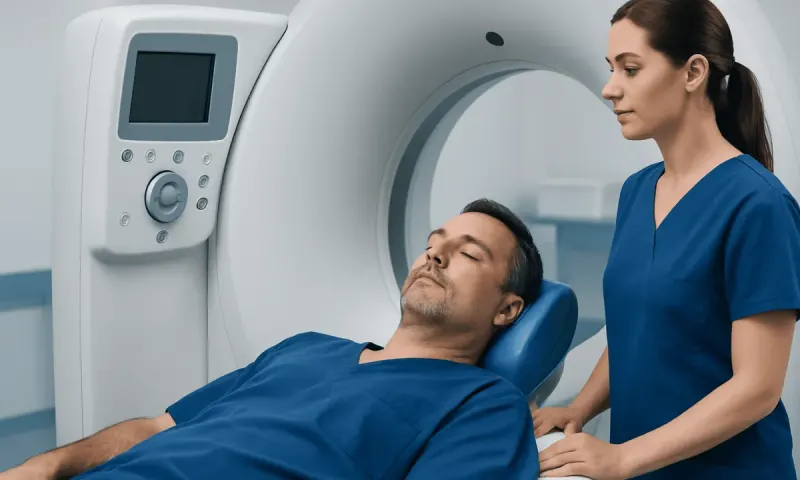
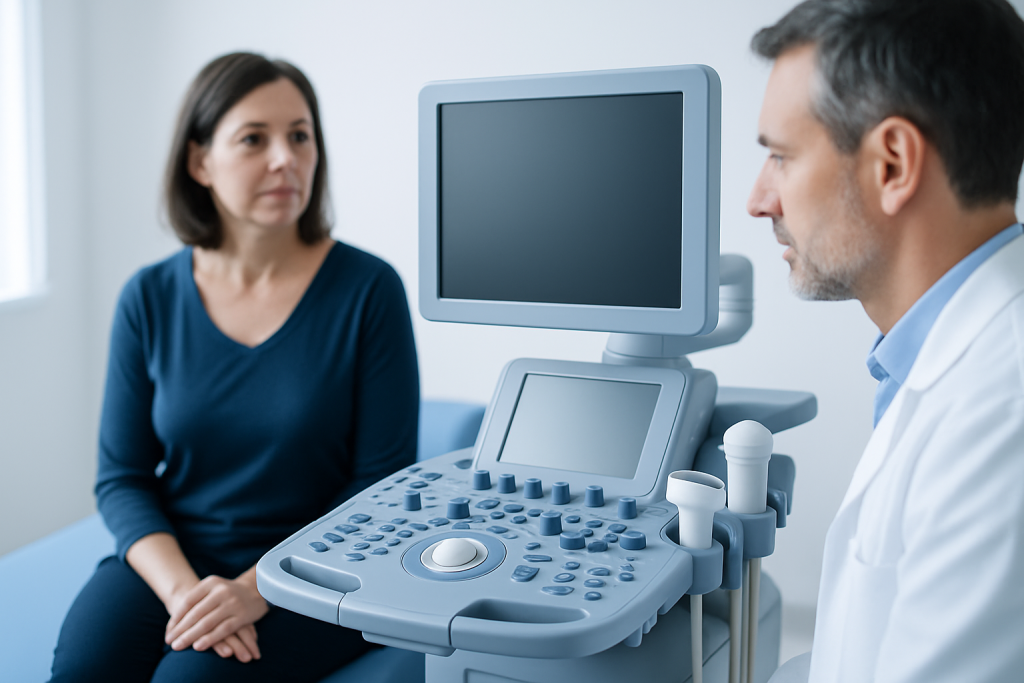
Imaging is often central to the workup. CT, MRI, ultrasound, or endoscopic procedures may help locate the tumor and show whether it has spread. In many cases, a specialized nuclear medicine scan is used to detect neuroendocrine cells throughout the body and to assess whether certain treatments are likely to work.
A biopsy is usually needed to confirm the diagnosis and determine grade, which describes how quickly the tumor cells appear to be growing and dividing. Pathology results guide the treatment plan. For international patients, a second review of pathology slides or scans can be especially valuable when treatment decisions will be made across borders and time zones.
Treatment Options
Treatment is individualized based on the tumor’s location, size, grade, hormone activity, and whether it has spread. Surgery is often the main treatment when the tumor can be removed completely. In some situations, surgery may also help relieve symptoms or prevent complications even if all disease cannot be removed at once.
Other treatments may be added when needed. These can include medicines that help control hormone-related symptoms, targeted therapies, somatostatin analogs, peptide receptor radionuclide therapy in selected cases, chemotherapy for more aggressive disease, and radiation therapy when appropriate. Some people with very small, slow-growing tumors may be monitored carefully before active treatment begins.
The order of treatment is not the same for every patient. One person may need surgery first, another may benefit from medication to stabilize symptoms before travel home, and someone else may receive a longer-term plan involving follow-up scans and blood tests. The best approach usually comes from a multidisciplinary team that includes oncology, surgery, radiology, pathology, nuclear medicine, and, when needed, endocrinology.
Prevention & Self-care
There is no guaranteed way to prevent a neuroendocrine tumor, especially when the cause is unknown. Still, people with inherited risk syndromes may benefit from regular screening and genetic counseling, since early detection can change the course of care. Sharing a complete family history with the doctor can help identify whether closer observation is appropriate.
Self-care focuses on symptom tracking, medication adherence, and keeping follow-up appointments. A simple log of flushing episodes, bowel changes, abdominal pain, or breathing symptoms can be helpful, particularly when appointments happen in a different country or when care is being coordinated across several specialists. This record can make remote consultations more efficient and reduce confusion after discharge.
Nutrition, hydration, and rest matter during treatment and recovery, but recommendations should be tailored to the person’s symptoms and treatment plan. Patients who have diarrhea, weight loss, or hormone-related symptoms should ask the care team about practical adjustments rather than trying to manage everything alone. Clear discharge instructions and a plan for follow-up imaging can make the transition home smoother.
When to See a Doctor
Medical evaluation is important if a person has persistent flushing, unexplained diarrhea, wheezing, abdominal pain, weight loss, or a new lump that does not go away. It is also wise to seek care when symptoms are recurrent and no common explanation has been found. Early assessment does not mean a serious diagnosis is certain, but it does help rule out important causes.
People who already have a neuroendocrine tumor should contact their doctor if symptoms change, become more frequent, or return after treatment. New chest pain, trouble breathing, severe dehydration from diarrhea, vomiting that prevents fluids, or sudden worsening of pain deserve prompt medical attention. After surgery or other treatment, any concern about wound healing, fever, or medication side effects should be reported without delay.
When care is being planned internationally, patients often benefit from organizing records before travel, including pathology reports, scan images, and a current medication list. Acibadem Health Point works with multidisciplinary specialists in JCI-accredited hospitals to diagnose and treat neuroendocrine tumors for international patients, helping coordinate evaluation and follow-up with a clear, practical pathway.
Living With Follow-Up Care
NET care often continues long after the first treatment is finished. Follow-up may include repeat imaging, lab tests, symptom review, and occasional changes in treatment depending on how the tumor behaves over time. This ongoing attention is not a sign that something has gone wrong; it is a standard part of managing a condition that can change slowly and sometimes unpredictably.
Patients who travel home after treatment should leave with a written plan that explains what was done, which symptoms should prompt contact, and when the next scan or clinic review is due. A translated summary, if needed, can make it easier for local doctors to continue care smoothly. Knowing who to contact for questions can reduce anxiety once the patient is back home.
Many people live well with neuroendocrine tumors for years, especially when the disease is found early and monitored carefully. A patient-friendly plan, consistent communication, and specialist follow-up help turn a complex diagnosis into something more manageable day by day.
Frequently asked questions
01What is a neuroendocrine tumor in simple terms?
A neuroendocrine tumor is a growth that starts in cells that make hormones and help regulate body functions. These tumors can appear in different organs and may grow slowly or more quickly depending on the type.
02Are all neuroendocrine tumors cancer?
Many neuroendocrine tumors are considered cancers, but they do not all behave the same way. Some grow very slowly and can be managed for a long time, while others are more aggressive and need faster treatment.
03Why are neuroendocrine tumors hard to diagnose?
Their symptoms can be vague and overlap with more common conditions such as irritable bowel syndrome, asthma, or menopause. Diagnosis often requires imaging, blood or urine tests, and a biopsy to confirm the exact type.
04What treatments are commonly used for neuroendocrine tumors?
Treatment may include surgery, medicines to control hormones, targeted therapy, radionuclide therapy, chemotherapy, or radiation therapy. The choice depends on where the tumor started, how fast it is growing, and whether it has spread.
05Can a neuroendocrine tumor come back after treatment?
Yes, some can recur, which is why follow-up imaging and clinic visits are important. Ongoing monitoring helps the doctor detect changes early and adjust the plan if needed.
06Should a person with a suspected NET travel for specialized care?
It can be helpful when expert pathology review, advanced imaging, or a multidisciplinary team is needed. The most important step is to bring prior reports and scans so the receiving team can make decisions based on complete information.
This article is for general information only and is not a substitute for professional medical advice. Please consult a qualified doctor about your individual situation.
Medical weight-loss options in Turkey — costs & eligibility
JCI-accredited · board-certified surgeons · reply within 24h
Add us as a Preferred Source to see more of our trusted health content across Google Search, AI Overviews and Discover.