Stage 2 Skin Cancer: Diagnosis, Outlook, and Modern Treatment Approaches
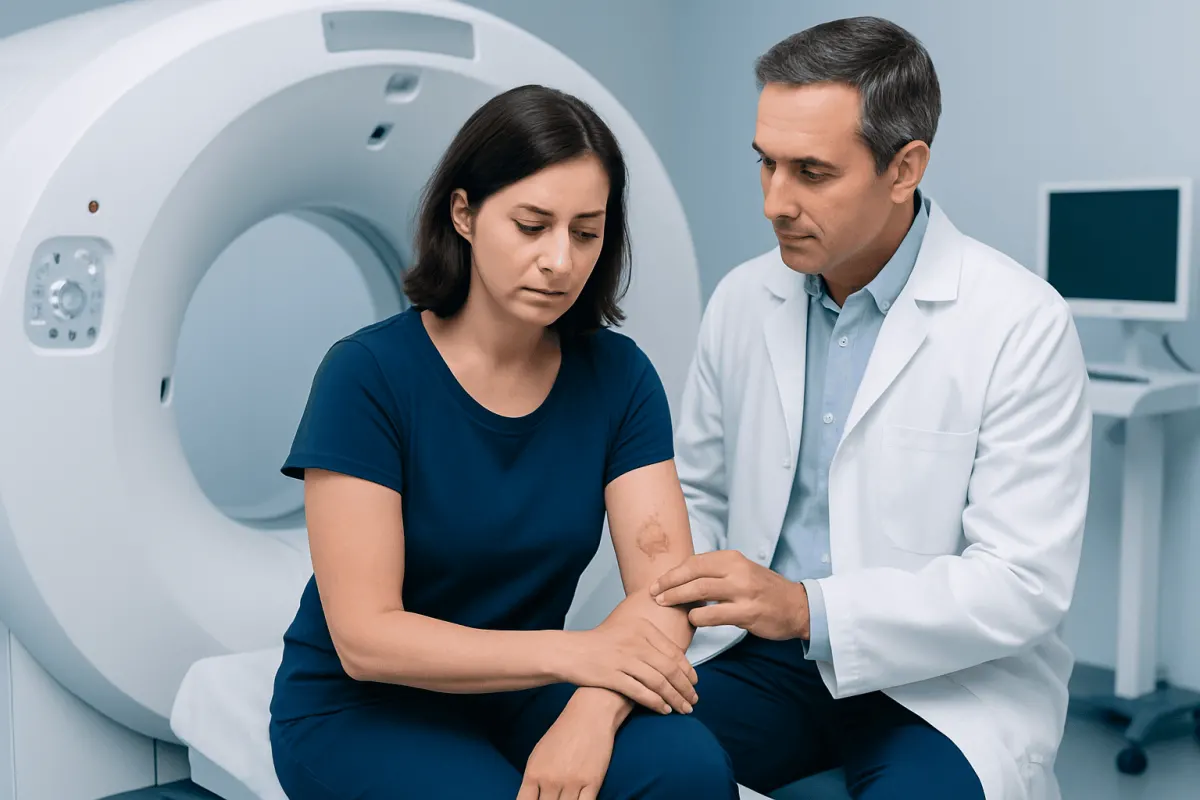
Stage 2 skin cancer most often refers to stage II melanoma, a melanoma that is thicker and/or ulcerated but has no confirmed spread to nearby lymph nodes or distant organs. It is commonly treated with surgery, and additional testing, treatment discussions, and lifelong skin surveillance are tailored to the individual risk profile.
Overview: What Does Stage 2 Skin Cancer Mean?
Stage 2 skin cancer generally refers to stage II melanoma, the most serious common form of skin cancer. At this stage, the melanoma is confined to the original area of skin, but it has features associated with a higher chance of recurrence than an earlier melanoma. There is no clinical evidence that it has reached nearby lymph nodes or distant organs.
Melanoma staging uses information from the pathology report, especially the tumour’s thickness in millimetres and whether the skin over it is broken down, called ulceration. Stage II melanoma is divided into IIA, IIB, and IIC. Higher sub-stages generally reflect a thicker melanoma and/or ulceration, rather than a visible change in how a person feels.
It is important not to confuse melanoma with other skin cancers. Basal cell carcinoma and squamous cell carcinoma use different staging systems and often behave differently. A biopsy and specialist review are needed to identify the exact type of cancer and plan care. Learn more about melanoma and how it is assessed.
Symptoms and Skin Changes to Notice
Many melanomas begin as a new spot on the skin or a change in an existing mole. They may occur anywhere, including the scalp, soles of the feet, under nails, and areas that receive little sun exposure. In some cases, melanoma does not cause pain, itching, or bleeding in its early stages.
A practical way to remember concerning mole changes is the ABCDE approach: asymmetry, an irregular border, uneven color, a diameter that is increasing or larger than many common moles, and evolution over time. A spot that looks noticeably different from a person’s other moles—the “ugly duckling” sign—also deserves attention.
- A mole or spot that grows, changes shape, darkens, or develops several colors
- A sore that does not heal, or a lesion that repeatedly bleeds or crusts
- Persistent itch, tenderness, or pain in a changing pigmented spot
- A new dark streak in or around a nail, particularly when it widens or changes
These signs do not always mean cancer. However, a dermatologist should examine any suspicious or evolving lesion rather than relying on photographs or online assessment alone.
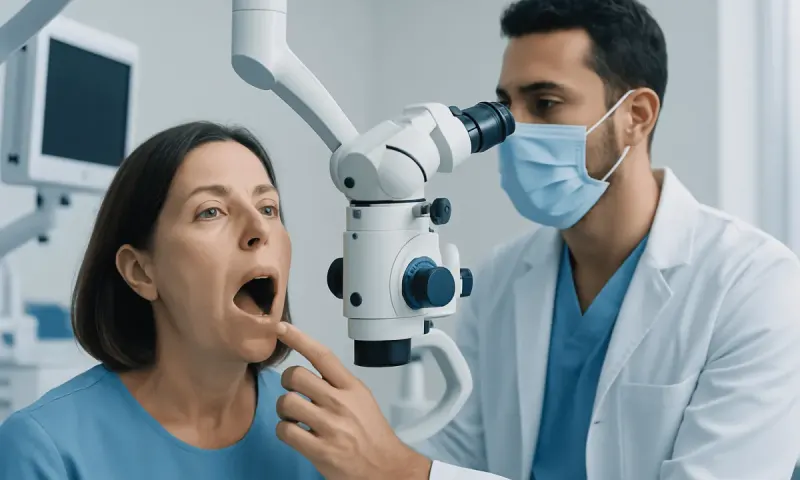
Diagnosis and Staging: From Biopsy to Risk Assessment
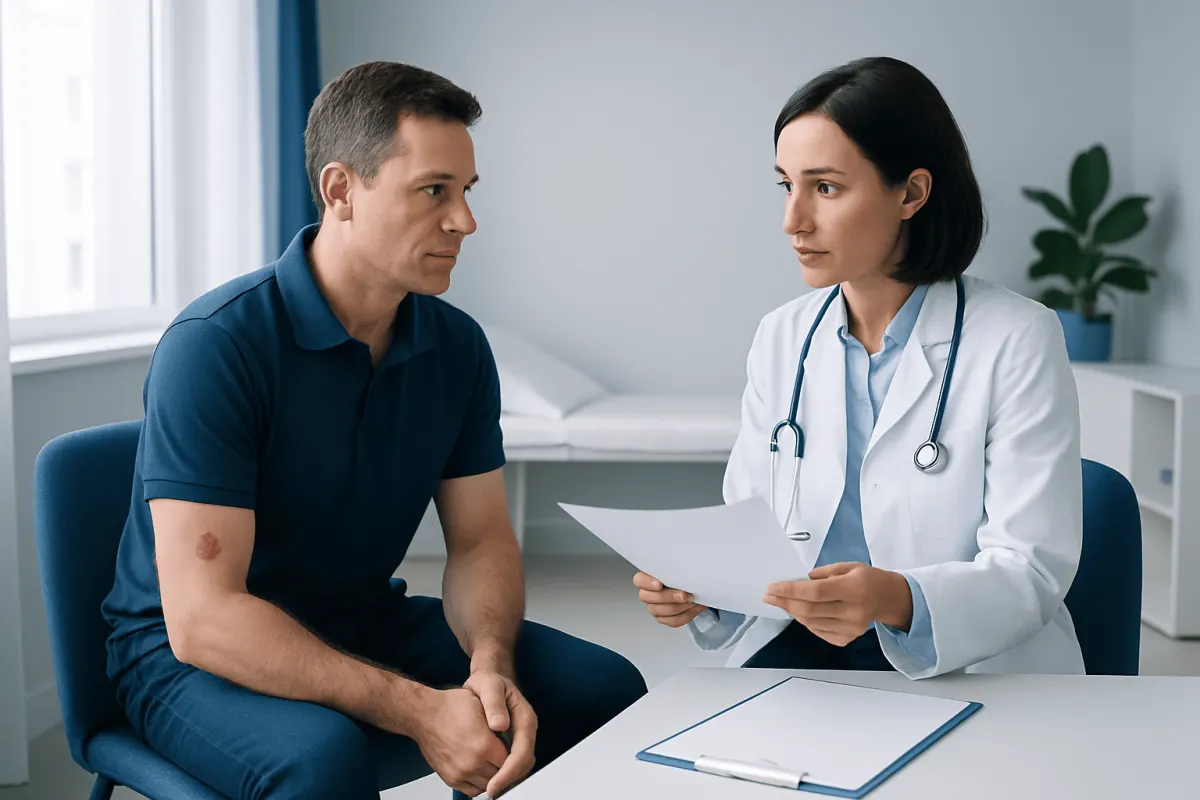
Diagnosis begins with a clinical skin examination, often supported by dermoscopy, a handheld tool that helps a clinician examine pigment patterns. If a lesion is suspicious, the preferred approach is usually an excisional biopsy, meaning the lesion is removed with a small margin of normal-looking skin when feasible. This allows the pathologist to measure the melanoma accurately.
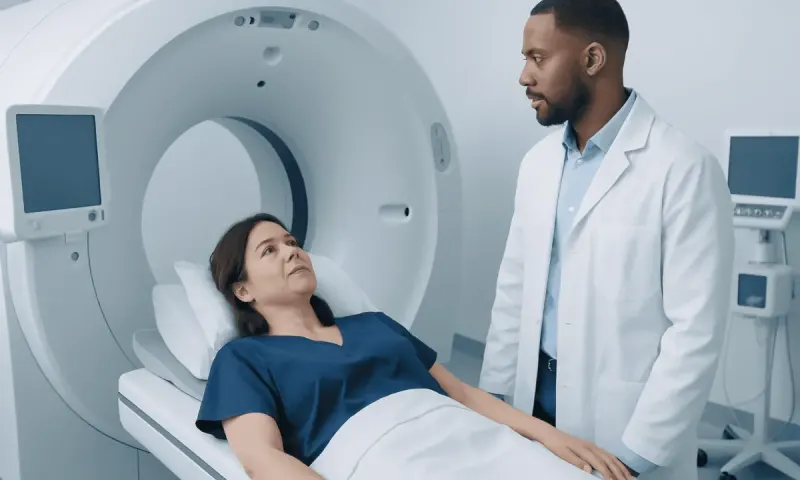
The pathology report describes factors that guide staging, including Breslow thickness, ulceration, and sometimes the rate of dividing cells. Once melanoma is confirmed, the clinician assesses the nearby lymph-node areas and reviews the person’s medical history. Imaging scans are not routinely needed for every stage II melanoma, but may be considered when symptoms, examination findings, or risk factors raise concern.
For many stage II melanomas, a sentinel lymph node biopsy may be offered at the time of definitive surgery. This procedure identifies and removes the first lymph node or nodes most likely to receive drainage from the tumour area. A negative result supports stage II classification; if melanoma is found in the sentinel node, the stage and treatment discussion change.
Accurate staging is best handled by a multidisciplinary team that may include dermatology, surgical oncology, pathology, medical oncology, radiology, and specialist nursing. The result helps balance the benefits and possible effects of further treatment and follow-up.
How Treatable Is Stage 2 Skin Cancer?
How treatable is stage 2 skin cancer? Stage II melanoma is often treatable because it is localized and can usually be removed completely with surgery. Nevertheless, it is considered a higher-risk localized melanoma, especially at stages IIB and IIC, because microscopic cells can sometimes remain undetected despite no evidence of spread at diagnosis.
The outlook varies considerably between individuals. Important influences include the stage subgroup, melanoma thickness, ulceration, sentinel lymph node findings when tested, the completeness of surgical removal, general health, and follow-up care. A treating team can explain what the pathology findings mean in the context of the individual rather than relying on a single predicted outcome.
For suitable patients with resected stage IIB or IIC melanoma, doctors may discuss adjuvant immunotherapy. This is treatment given after surgery to lower the likelihood of recurrence for selected people. The potential benefit should be weighed carefully against possible immune-related side effects, which can sometimes affect organs such as the thyroid, bowel, lungs, liver, or skin.
Ongoing surveillance is central to care. Follow-up appointments help clinicians examine the surgical area, lymph nodes, and the rest of the skin, while also providing an opportunity to address new symptoms promptly.
Treatment Options and Modern Approaches
Wide local excision is the standard treatment for stage II melanoma. After the diagnostic biopsy, a surgeon removes additional normal-appearing skin around the original site to reduce the chance of local recurrence. The recommended margin depends mainly on the melanoma’s thickness. Some wounds can be closed directly, while others may require a skin graft or flap.
Sentinel lymph node biopsy may be recommended for staging and prognosis, particularly for thicker melanomas or those with ulceration. It is not appropriate for every person, and the decision should include a discussion of possible complications, such as fluid collection, numbness, infection, or rarely swelling caused by lymphatic disruption.
For stage IIB or IIC disease that has been fully removed, immunotherapy may be considered as adjuvant treatment. Immune checkpoint inhibitors can help the immune system recognize melanoma cells, but they require regular monitoring because side effects may be significant for some patients. Radiation therapy is not routinely used after complete removal of primary stage II melanoma, but may have a role in unusual, individualized situations.
At Acıbadem Health Point, multidisciplinary specialists in JCI-accredited hospitals can evaluate melanoma staging and coordinate surgery, pathology review, and systemic-treatment discussions for international patients.
What Is the Average Life Expectancy After Being Diagnosed With Melanoma?
What is the average life expectancy after being diagnosed with melanoma? There is no single average life expectancy that accurately applies to everyone with melanoma. Prognosis depends strongly on the stage at diagnosis, the pathology features of the tumour, whether it has spread, the response to treatment when treatment is needed, and a person’s overall health.
Many people diagnosed with localized melanoma, including stage II melanoma, live for many years after successful treatment. Survival statistics describe large groups of people treated in the past; they cannot predict one person’s future and may not fully reflect current diagnostic methods, surgery, immunotherapy, and follow-up strategies.
Rather than focusing on one number, it is often more useful to ask the cancer team about the exact stage, the estimated risk of recurrence, the purpose of any recommended adjuvant therapy, and the surveillance plan. This provides information that is more relevant and actionable for the individual.
Can You Have Melanoma for 10 Years and Not Know?
Can you have melanoma for 10 years and not know? It is possible for some melanomas to grow slowly and remain unnoticed for a long time, particularly if they are in difficult-to-see locations such as the scalp, back, or soles. However, melanoma growth patterns vary widely, and some types can change or spread more quickly.
A lesion that has looked similar for years is not automatically harmless, especially if it has recently changed in size, color, outline, texture, or symptoms. Some people also have many ordinary moles, which can make a new or changing lesion harder to notice.
Regular self-checks and professional skin examinations are useful ways to identify change early. People with a prior melanoma, many moles, a family history of melanoma, very fair skin that burns easily, or substantial ultraviolet exposure may benefit from individualized skin-check advice from a dermatologist.
What Are the Signs That Melanoma Has Spread to the Lungs?
What are the signs that melanoma has spread to the lungs? Spread to the lungs may cause no symptoms at first and is sometimes detected on imaging performed for clinical reasons. When symptoms occur, they can include a persistent or worsening cough, shortness of breath, chest discomfort, coughing up blood, unexplained fatigue, or recurrent chest infections.
These symptoms are common and are more often caused by conditions other than melanoma, such as viral infections, asthma, chronic lung disease, or smoking-related illness. They should not be used to diagnose spread. A clinician can decide whether examination, imaging, or other tests are appropriate based on the full situation.
New respiratory symptoms in someone with a history of melanoma should be reported to their treating clinician, particularly if symptoms persist, worsen, or occur alongside unexplained weight loss or marked fatigue. Prompt assessment supports appropriate care while avoiding assumptions about the cause.
Prevention, Self-Care, and When to Seek Medical Care
After treatment for stage II melanoma, sun protection helps reduce further ultraviolet damage and may lower the risk of future skin cancers. Practical measures include seeking shade when the sun is strong, wearing protective clothing and a broad-brimmed hat, using broad-spectrum sunscreen, and avoiding tanning beds. Sunscreen is valuable but should be used alongside, not instead of, shade and clothing.
People who have had melanoma should follow the review schedule recommended by their care team. They can also examine their own skin regularly, using mirrors or asking someone to check hard-to-see areas. It is helpful to note new lesions and changes in existing moles, but a home check does not replace professional follow-up.
When to seek medical care: A prompt dermatology appointment is appropriate for a new, changing, bleeding, or non-healing skin lesion. People previously treated for melanoma should contact their care team about a new lump near a scar or lymph-node region, ongoing unexplained symptoms, or any change that causes concern. Urgent medical assessment is appropriate for severe shortness of breath, coughing up blood, or other sudden serious symptoms.
Frequently asked questions
01Is stage 2 skin cancer the same as stage 2 melanoma?
The phrase stage 2 skin cancer most commonly refers to stage II melanoma. Other skin cancers, including basal cell and squamous cell carcinoma, have different staging systems, so the exact diagnosis on the biopsy report matters.
02Does stage II melanoma mean the cancer has spread?
Stage II melanoma means the primary melanoma has higher-risk features, such as greater thickness or ulceration, but there is no confirmed spread to nearby lymph nodes or distant organs. If cancer is found in a lymph node, the stage classification changes.
03Is sentinel lymph node biopsy always needed for stage II melanoma?
No. It is commonly discussed for melanomas with features that create a meaningful risk of microscopic lymph-node spread, but it is a personal clinical decision. The treating team considers tumour characteristics, medical factors, and the potential benefits and risks of the procedure.
04Can stage II melanoma return after surgery?
Yes, recurrence is possible even after complete surgery, which is why scheduled follow-up is important. The risk differs across stage IIA, IIB, and IIC and depends on the individual pathology findings. Adjuvant treatment may be discussed for selected higher-risk cases.
05How often should a person check their skin after melanoma?
Many clinicians advise regular self-examination, often monthly, in addition to scheduled professional skin checks. The most appropriate follow-up schedule depends on the melanoma stage, treatment history, number of moles, and personal risk factors.
06Can sunscreen prevent all melanoma?
No sunscreen prevents all melanoma, and melanoma can occur on skin that has had little sun exposure. Consistent broad-spectrum sun protection, protective clothing, shade, avoiding tanning beds, and attention to changing lesions all contribute to reducing risk.
This article is for general information only and is not a substitute for professional medical advice. Please consult a qualified doctor about your individual situation.
Hair transplant in Turkey — costs, graft counts & a free assessment
JCI-accredited · board-certified surgeons · reply within 24h
Add us as a Preferred Source to see more of our trusted health content across Google Search, AI Overviews and Discover.