Motiva Breast Implants Price: What Shapes Your Quote
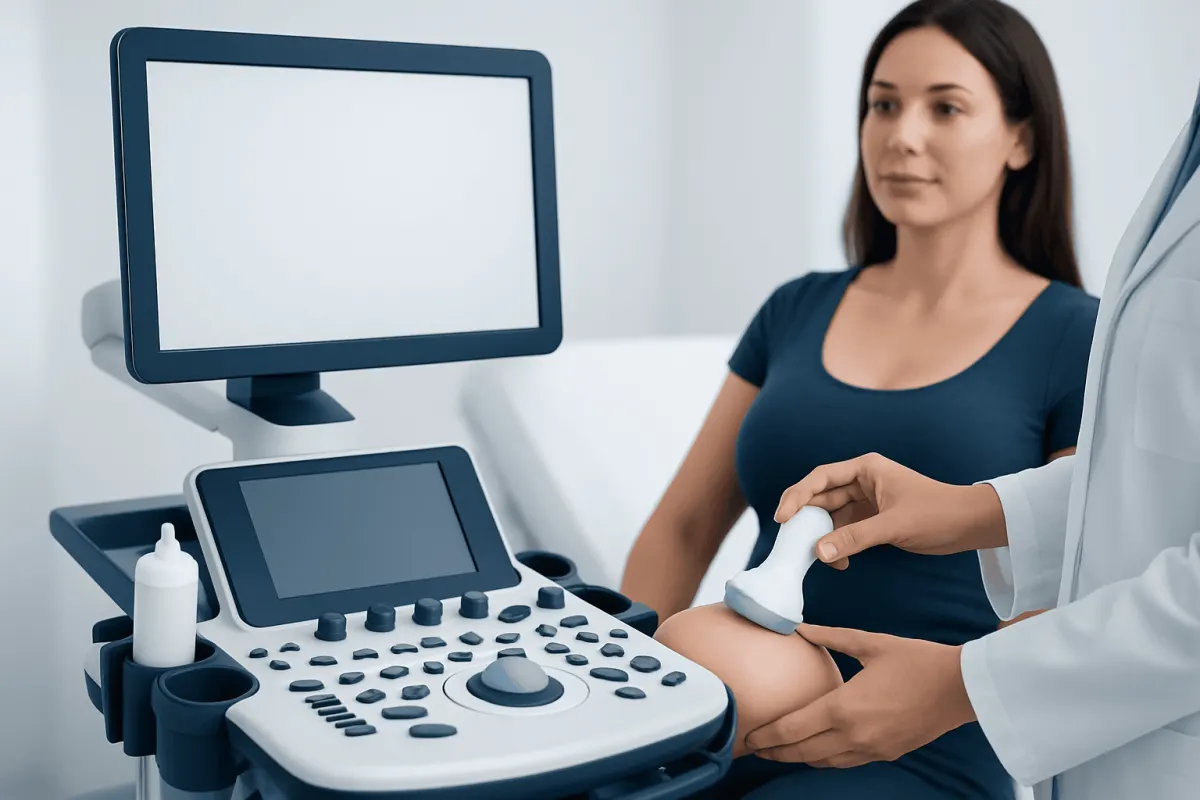
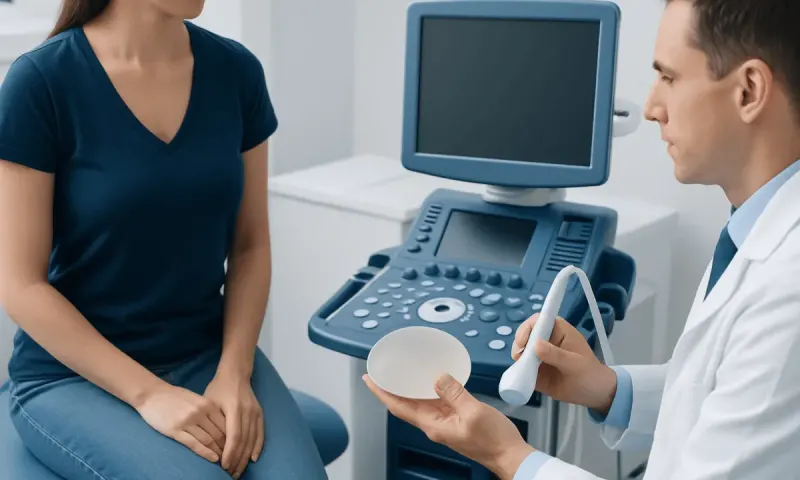
Motiva breast implants price cannot be quoted accurately without an individual surgical assessment because it includes far more than the implants themselves. Patients should ask for a written, itemized treatment plan that explains surgical, facility, anesthesia, follow-up and possible future costs.
Overview: What Does Motiva Breast Implants Price Include?
Motiva breast implants price varies substantially because breast augmentation is a personalized operation, not a standard product purchase. The final amount may reflect the surgeon’s expertise, the implant model and size, operating-room and anesthesia services, hospital stay where needed, preoperative tests, garments, medications, follow-up appointments and the country in which care is provided. A consultation and written treatment proposal are the safest way to understand the expected total.
When comparing a Motiva breast implants cost estimate, it is helpful to ask whether it covers all parts of care from consultation through recovery. An initially low quote may not include anesthesia, imaging, revision care, travel-related needs, follow-up visits or treatment of an unexpected complication. Cost should be considered alongside surgeon credentials, hospital safety standards, communication, implant traceability and access to follow-up.
Motiva is a brand of silicone gel-filled breast implants used in breast augmentation and, in selected circumstances, breast reconstruction. Implant choice is only one part of planning. The appropriate shape, profile, volume and placement depend on a person’s body proportions, breast tissue, skin quality and desired outcome. Breast augmentation consultation provides an opportunity to discuss these decisions in detail.
How Motiva Breast Implants Work
Breast implants are medical devices placed behind breast tissue or beneath the chest muscle to add volume, improve symmetry or restore breast shape after volume loss. Motiva implants have a silicone outer shell and a cohesive silicone gel filling. Different implant characteristics, including projection and surface design, may be discussed according to the patient’s anatomy and treatment goals.
During the planning process, the surgeon evaluates chest width, breast shape, tissue coverage, nipple position and symmetry. This helps identify an implant size and position that are proportionate and that avoid placing excessive strain on the breast tissues. No implant can create perfect symmetry, and natural breasts commonly have some pre-existing differences.
Some Motiva products may include technology intended to support implant identification in clinical settings. Patients should still keep their implant card and surgical records, and should tell healthcare professionals about their implants before relevant examinations or procedures. The implant selected should be approved for use in the country where surgery takes place.
Who May Be a Candidate?

Potential candidates are adults who are in generally good health, have fully developed breasts and have realistic expectations about surgical outcomes. They may seek augmentation after pregnancy-related changes, weight changes, naturally small breast volume or noticeable asymmetry. A consultation should focus on the individual’s reasons for surgery and whether augmentation is likely to meet their goals.
A surgeon will review medical history, current medications, allergies, smoking or nicotine use, previous breast surgery and family history of breast disease. People who are pregnant, breastfeeding, have an untreated breast condition, active infection, poorly controlled chronic illness or unrealistic expectations may need to postpone surgery or consider another approach.
Patients with a personal or strong family history of breast cancer may need individualized screening advice before surgery. Implants do not replace routine breast care. The care team can explain how implants may affect mammography technique and when additional imaging may be appropriate.
- Good candidates understand that results vary and evolve as swelling settles.
- They can follow recovery instructions and attend scheduled reviews.
- They are prepared for long-term monitoring and the possible need for future implant-related surgery.
What Happens During the Procedure?
Before surgery, the surgeon confirms the plan, discusses implant size and placement, and marks the skin while the patient is upright. Breast augmentation is usually performed under general anesthesia. The specific approach is chosen to support the planned implant placement and to minimize visible scarring where possible.
The surgeon makes an incision, commonly in the breast crease, around part of the areola or, in selected cases, through the underarm area. A pocket is then created either behind the breast tissue and in front of the chest muscle or partly/fully beneath the chest muscle. The selected implant is inserted, its position is checked, and the incision is closed.
Procedure length and whether an overnight stay is needed depend on the surgical plan, health status and local practice. Some people combine augmentation with a breast lift when there is significant skin laxity or nipple descent; this is a different operation and can affect recovery, scarring, risks and the overall treatment plan.
Patients should ask in advance what their package includes, who will be available after discharge and how any unplanned care would be managed. For Myomectomy Recovery for International Patients: The Usual Travel Timeline" class="ahp-ilk">international patients, a clear follow-up plan at home is particularly important.
Recovery Timeline and Expected Results
After surgery, temporary soreness, tightness, swelling and bruising are common. The chest may feel firm or high initially, especially when implants are placed beneath the muscle. The surgeon provides individualized advice on pain relief, wound care, showering, sleep position, supportive garments and activity restrictions.
Many patients can manage light daily activities after several days, but recovery is not identical for everyone. Desk-based work may be possible sooner than physically demanding work. Heavy lifting, strenuous exercise and chest-focused training are usually restricted until the surgeon confirms that healing is progressing well.
Breasts gradually soften and settle over the following weeks to months as swelling reduces and tissues adapt. Scars also mature gradually and may remain visible, although they often fade with time. Follow-up visits allow the surgeon to assess healing, breast position and comfort.
Long-term care includes routine breast health screening appropriate for age and personal risk. Patients should report new breast swelling, persistent pain, a shape change, a lump, hardening or a change around the scar rather than assuming it is a normal implant effect.
Benefits, Limitations and Possible Risks
For appropriately selected patients, breast augmentation may increase breast volume, improve the balance of body proportions and address certain types of asymmetry. Many people value the ability to choose an implant plan that fits their body and goals. However, the outcome is influenced by existing tissue, healing, skin elasticity and changes that naturally occur with aging, weight fluctuation and pregnancy.
All surgery has risks. These include bleeding, infection, delayed wound healing, anesthesia-related problems, changes in nipple or breast sensation, visible scars, asymmetry and dissatisfaction with size or shape. Implant-specific concerns can include capsular contracture, implant displacement, rippling, rupture or deflation, and the need for revision or removal surgery.
Breast implant-associated anaplastic large cell lymphoma (BIA-ALCL) is an uncommon cancer of the immune system that has been associated primarily with certain textured implants. Other rare implant-associated malignancies have also been reported. The surgeon should discuss the specific implant’s surface, regulatory status and known safety information, as well as symptoms that warrant review.
Motiva breast implants reviews can provide personal perspectives, but they cannot predict an individual result or confirm whether a procedure is appropriate. Reliable decision-making should be based on a consultation with a qualified plastic surgeon, balanced discussion of risks and benefits, and information from health authorities rather than reviews alone.
Planning Costs, Self-Care and When to Seek Medical Care
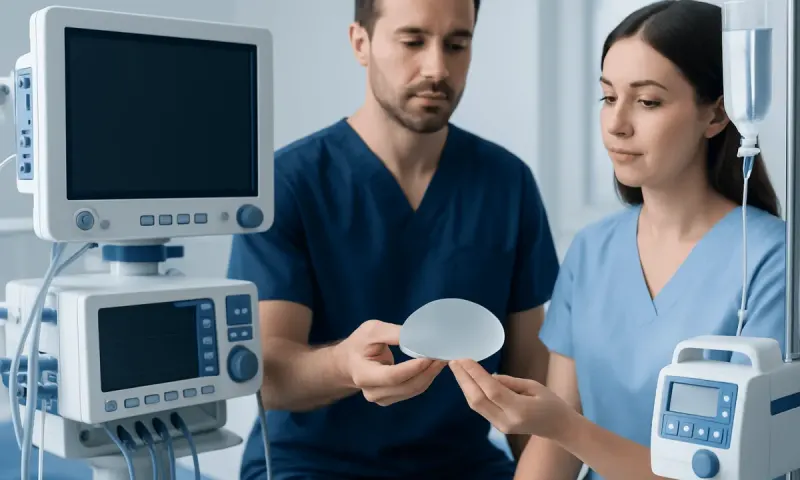
Before choosing surgery, patients can request an itemized written estimate that identifies the implant, surgeon’s fee, anesthesia, hospital or operating facility, tests, garments, medications, follow-up and any exclusions. It is also reasonable to ask about implant warranty terms, revision policies and the anticipated costs of long-term monitoring or future surgery. Elective cosmetic augmentation is commonly self-funded, while reconstructive surgery may have different coverage rules depending on the health system and insurer.
Self-care begins before the operation. Avoiding smoking and nicotine products as advised, maintaining stable nutrition, arranging practical support at home and following preoperative instructions can support recovery. After surgery, attending follow-up visits and avoiding activities before clearance are important parts of protecting the result.
When to seek medical care: Patients should contact their surgical team promptly for worsening pain, increasing redness or warmth, fever, wound drainage, sudden one-sided swelling, shortness of breath, chest pain or any symptom that feels concerning. New swelling around an implant months or years after surgery, a new lump, persistent hardening or a notable change in breast shape should also be medically assessed.
Acıbadem Health Point’s multidisciplinary specialists and JCI-accredited hospitals diagnose and treat breast implant concerns for international patients, with individualized assessment and follow-up planning. A qualified plastic surgeon can explain whether augmentation, a breast lift, implant removal or another approach best matches the patient’s health and goals.
Frequently asked questions
01How much do Motiva breast implants cost?
There is no single reliable Motiva breast implants cost because the total depends on the surgical plan, country, hospital, anesthesia, surgeon, implant selection and aftercare. A written estimate following an in-person or appropriate virtual assessment is the clearest way to understand expected costs and exclusions.
02Is the implant price the same as the total breast augmentation price?
No. The implant is only one component of breast augmentation. A complete quote may also include professional fees, operating-room use, anesthesia, preoperative assessments, medications, garments and postoperative appointments.
03Are Motiva implants safe?
All breast implants carry potential risks and require long-term follow-up. A qualified plastic surgeon can explain the approved products available locally, their known safety information, alternatives and the risks that apply to an individual patient.
04How long do Motiva breast implants last?
Breast implants are not considered lifetime devices, and there is no fixed replacement date for every patient. They may remain in place for many years, but rupture, capsular contracture, cosmetic changes or personal preferences can lead to future surgery.
05What should patients look for in Motiva breast implants reviews?
Reviews may help patients understand other people’s experiences with consultation, recovery and communication, but they are subjective. They should not replace a medical consultation, review of safety information or verification of a surgeon’s qualifications and hospital standards.
06Can a person exercise after breast augmentation?
Light movement is commonly encouraged soon after surgery, but strenuous activity, heavy lifting and upper-body exercise are usually restricted initially. The timeline should be individualized by the surgical team because healing and procedure details differ between patients.
This article is for general information only and is not a substitute for professional medical advice. Please consult a qualified doctor about your individual situation.
Explore treatments in Turkey — costs, top hospitals & a free quote
JCI-accredited · board-certified surgeons · reply within 24h
Add us as a Preferred Source to see more of our trusted health content across Google Search, AI Overviews and Discover.