Breast Implants Price: Costs to Consider
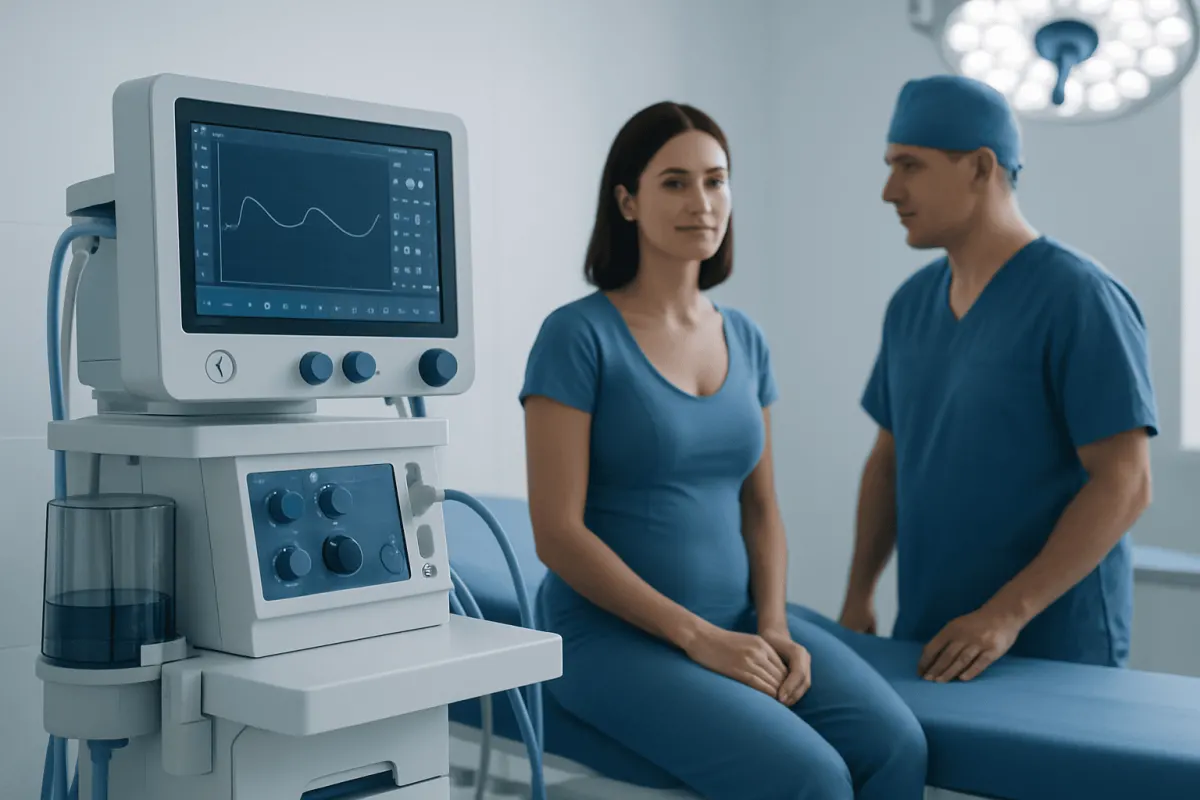
Breast implants price is more than the cost of the implant itself. A meaningful estimate accounts for the surgical team, hospital or clinic, anesthesia, recovery needs, and the possibility of future implant-related care.
Understanding Breast Implants Price
Breast implants price is not one fixed amount because each patient’s surgical plan is different. The final total commonly includes the surgeon’s professional fee, implant device, anesthesia, operating facility, medicines, garments, and scheduled follow-up. The most useful way to understand the cost is to request a personalized written estimate that explains exactly what is and is not included.
Breast augmentation is commonly an elective operation intended to increase breast volume, improve symmetry, or restore volume lost after pregnancy, breastfeeding, or weight change. Its financial arrangements are usually different from breast reconstruction after mastectomy or treatment for another medical condition. An online figure or promotional package may not reflect the type of implant, level of surgical support, recovery planning, or future care that an individual may need.
Patients benefit from considering breast implant surgery as a long-term health decision rather than a one-time purchase. Alongside the initial procedure, it is important to discuss maintenance, imaging, possible revision surgery, and how the care team will support recovery. A consultation with an appropriately qualified plastic surgeon helps match a surgical plan to a person’s anatomy, goals, health history, and budget planning needs.
What Changes the Overall Price?
The surgical plan is one of the main factors behind differences in breast implants price. The procedure may involve saline or silicone gel implants, different implant profiles and sizes, a particular incision location, and placement above or below the chest muscle. Revision surgery, implant exchange, correction of asymmetry, or removal of old implants can require more planning than a first augmentation.
The clinical setting also matters. Facility charges, anesthesia services, nursing care, laboratory tests, preoperative assessments, prescribed medicines, and postoperative garments may be billed separately or included in a package. Local regulations, hospital standards, regional operating costs, and the availability of experienced surgical teams can affect how services are organized and presented in an estimate.
Some patients choose to combine augmentation with a breast lift, body contouring procedure, or fat grafting. Combining procedures may alter anesthesia time, recovery requirements, and surgical complexity, so it should be considered for clinical suitability rather than for convenience alone. Before booking surgery, patients can ask for an itemized plan, the expected follow-up schedule, and clarification about charges if the procedure needs to be changed for medical reasons.
How Breast Implant Surgery Works and Who May Be a Candidate
Breast implant surgery places a saline-filled or silicone gel-filled device beneath breast tissue or partly beneath the chest muscle to add volume or improve contour. It is commonly performed under general anesthesia and may be done as a day procedure, although the setting depends on the patient’s health needs and local clinical practice. The surgeon selects the implant approach after discussing proportions, skin quality, existing breast tissue, and the desired outcome.
Suitable candidates are generally adults in good overall health who have realistic expectations and can follow recovery instructions. The surgeon will review medical conditions, previous breast surgery, medications, smoking or nicotine use, allergies, family history, and current breast symptoms. Pregnancy, breastfeeding, substantial planned weight change, active infection, or uncontrolled health conditions may mean that surgery should be delayed or planned differently.
During consultation, the surgeon examines the breasts and chest wall, discusses potential scars and changes in sensation, and explains the limits of implant surgery. Photographs, measurements, and implant sizing tools may support planning, but they cannot guarantee an identical result. Patients should feel able to ask about the surgeon’s training, the facility’s safety standards, the device manufacturer, and the follow-up plan before making a decision.
Procedure Steps and Recovery Timeline
Preparation usually begins with a health assessment, review of consent documents, and instructions about medicines, eating and drinking before anesthesia, and arranging transport home. On the day of surgery, the surgeon marks the planned incision and reviews the agreed approach. The exact process differs between patients, especially when augmentation is combined with a lift or revision procedure.
- Anesthesia is administered and the breast area is cleaned and prepared.
- The surgeon makes an incision in the agreed location and creates a pocket for the implant.
- The implant is placed, its position and symmetry are assessed, and the incision is closed.
- Dressings and, when appropriate, a supportive garment are applied before monitored recovery from anesthesia.
In the first days after surgery, swelling, bruising, tightness, and temporary discomfort are common. The care team provides guidance on wound care, bathing, sleeping position, supportive garments, pain relief, and when it is safe to resume light daily activities. Patients generally need help getting home and should avoid driving, strenuous exercise, heavy lifting, and activities that could strain the chest until their surgeon approves them.
Early review appointments allow the team to check wound healing and answer questions. Many people can gradually return to non-strenuous routines after an individual recovery assessment, while swelling, scar maturation, and implant settling can continue for weeks or months. Attending follow-up visits and following activity restrictions are important parts of reducing avoidable recovery problems.
Benefits, Risks, and Long-Term Implant Outlook
Potential benefits of breast implants include increased breast volume, improved balance between the breasts, and restoration of shape after body changes or reconstruction. Some patients feel more comfortable in clothing or more satisfied with their body image. However, outcomes are personal, and no implant size, shape, or surgical technique can guarantee a particular emotional or cosmetic result.
Like all surgery, breast augmentation has risks. These can include bleeding, infection, delayed wound healing, changes in nipple or breast sensation, visible scarring, asymmetry, capsular contracture, implant movement, rupture or deflation, and the possible need for another procedure. A rare lymphoma called breast implant-associated anaplastic large cell lymphoma, or BIA-ALCL, has been linked particularly with textured implants; the surgeon should explain the implant options and their known safety information.
What happens after 20 years of breast implants?
Breast implants are not considered lifetime devices, and the chance of complications or further surgery can increase over time. However, implants do not need to be removed or replaced automatically simply because they have been in place for 20 years. A person without symptoms may continue with regular clinical follow-up, while imaging and monitoring should follow the implant manufacturer’s guidance, local regulations, and the surgeon’s recommendations.
Later changes such as new swelling, persistent discomfort, breast hardening, a lump, altered shape, or a suspected leak should be reviewed promptly. Implants can also affect how breast imaging is performed, so patients should tell mammography and imaging teams that they have implants. Regular age- and risk-appropriate breast screening remains important.
Payment, Geographic Comparisons, and Hidden Costs
Financial planning is safer when patients compare complete treatment plans rather than a single advertised amount. The most transparent estimate identifies professional fees, operating facility charges, anesthesia, implant devices, routine postoperative appointments, and any applicable taxes or administrative fees. It should also state whether the quoted plan is for a straightforward augmentation or includes work that may be needed for asymmetry, lifting, or existing implants.
How do most people pay for breast implants?
Because cosmetic breast augmentation is usually elective, many people pay privately through savings, personal funds, payment arrangements, or financing offered by a provider or an independent lender. Health insurance generally does not cover surgery performed solely for cosmetic enhancement, although coverage rules may differ for reconstruction or treatment related to a medical condition. Patients considering financing should review the full terms, interest, cancellation conditions, and what happens if surgery is postponed or changed.
What state has the cheapest breast implants?
There is no single state that can reliably be called the cheapest for breast implants because prices are not standardized and advertised figures often include different services. A lower initial quote may exclude anesthesia, facility costs, implants, follow-up visits, travel, or treatment of an unexpected concern. Rather than selecting a location based only on cost, patients should compare surgeon credentials, accredited facilities, device information, emergency support, and the practical ability to attend follow-up appointments.
What are the hidden costs of implants?
Costs that may be overlooked include consultation fees, preoperative tests, prescription medicines, surgical garments, transport, accommodation, time away from work, childcare, imaging, and future implant-related care. Revision, removal, replacement, or treatment for a complication may also involve additional clinical costs. Patients can ask whether the estimate includes all scheduled postoperative care and whether implant warranties have limitations, as a device warranty does not necessarily cover surgical, anesthesia, or facility expenses.
When to Seek Medical Care
Patients planning breast implant surgery should seek medical advice before proceeding if they notice a new breast lump, unexplained breast pain, nipple discharge, skin changes, fever, or a change in their general health. These symptoms often have causes unrelated to implants, but assessment helps ensure that surgery is planned safely. A breast examination or imaging may be recommended based on age, personal history, symptoms, and local screening guidance.
After surgery, the surgical team should be contacted promptly for increasing redness, warmth, worsening swelling, drainage from the incision, fever, or pain that is not improving as expected. Sudden chest pain, difficulty breathing, or severe illness requires urgent medical attention. For international patients, Acıbadem Health Point’s multidisciplinary specialists at JCI-accredited hospitals can provide assessment, breast implant surgery planning, and follow-up information tailored to individual clinical needs.
Frequently asked questions
01Are breast implants permanent?
No. Breast implants are not considered lifetime devices, and some people need additional surgery because of rupture, deflation, capsular contracture, cosmetic changes, or personal preference. Others may have implants for many years without needing replacement, so follow-up is based on symptoms, examination findings, and device-specific monitoring advice.
02Does health insurance cover breast implants?
Insurance usually does not cover breast implants when surgery is performed solely for cosmetic augmentation. Coverage may be available in some settings for reconstruction after mastectomy, trauma, congenital differences, or treatment-related needs, but eligibility and authorization requirements vary by insurer and country.
03How do silicone and saline breast implants differ?
Saline implants contain sterile salt water, while silicone implants contain silicone gel. They differ in feel, incision requirements, monitoring considerations, and how a rupture may be detected. The most suitable option depends on the patient's anatomy, preferences, device availability, and the surgeon's clinical advice.
04Can patients have mammograms with breast implants?
Yes, patients with implants can have mammograms and other breast imaging. The imaging team should be told about the implants beforehand because additional positioning techniques or views may be used. Routine screening should continue according to the patient's age, medical history, and local guidance.
05Can breast implants be removed without replacement?
Yes. Implant removal, sometimes called explantation, can be performed without placing new implants. The appearance of the breasts afterward depends on skin elasticity, breast tissue, implant size, pregnancy history, weight changes, and how long the implants have been present; some patients also consider a breast lift.
06How should patients compare breast implant estimates?
Patients should compare written, itemized estimates that describe the same type of procedure and level of follow-up. Important questions include whether the estimate covers the implant device, surgeon, anesthesia, facility, routine aftercare, medicines, and possible extra charges. Clinical qualifications, facility safety, and access to follow-up should be weighed alongside the total cost.
This article is for general information only and is not a substitute for professional medical advice. Please consult a qualified doctor about your individual situation.
Explore treatments in Turkey — costs, top hospitals & a free quote
JCI-accredited · board-certified surgeons · reply within 24h
Add us as a Preferred Source to see more of our trusted health content across Google Search, AI Overviews and Discover.