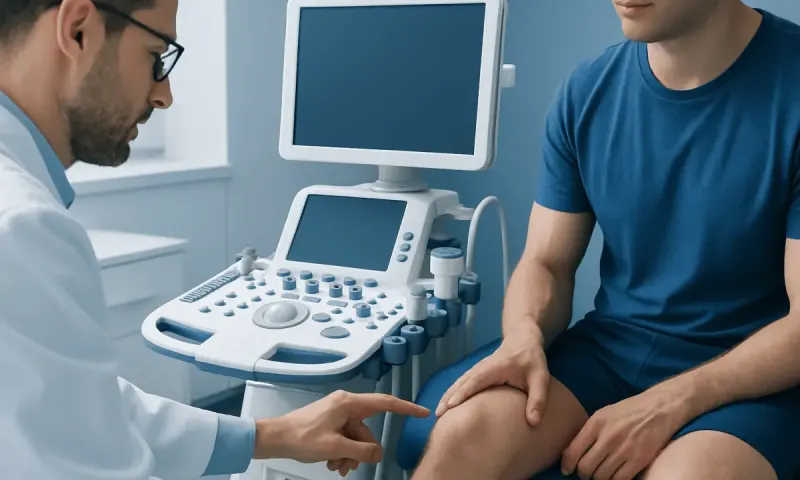
MCL Tear: Symptoms, Causes and Treatment

Key Takeaways
- The MCL helps keep the knee stable against side-to-side stress.
- Pain on the inner side of the knee after a twist or blow is a common clue.
- Imaging may be needed to check the tear and rule out other injuries.
- Many MCL tears heal with bracing, rest, and rehabilitation.
- Persistent swelling, locking, or instability should be assessed by a doctor.
An MCL tear is an injury to the medial collateral ligament, one of the key structures that helps stabilize the inside of the knee. Most cases can be managed without surgery, but the right diagnosis and a structured recovery plan matter for a safe return to walking, sport, and daily life.
Overview
The medial collateral ligament, or MCL, runs along the inner side of the knee and helps resist forces that push the knee inward. When it is stretched or torn, the knee can feel sore, unstable, and difficult to trust during everyday movements such as turning, climbing stairs, or getting out of a car.
An MCL tear is often called a ligament sprain as well, because sprain is the general term for ligament injury. The severity can range from a mild fiber strain to a complete rupture. Many people recover well with non-surgical treatment, but the exact plan depends on how much the ligament is damaged and whether other knee structures were injured at the same time.
For international patients, the path to care often begins with a practical question: is the knee safe to travel on, or does it need assessment first? That decision is best made with a qualified orthopedic specialist, especially when swelling, instability, or difficulty bearing weight is present.
Symptoms
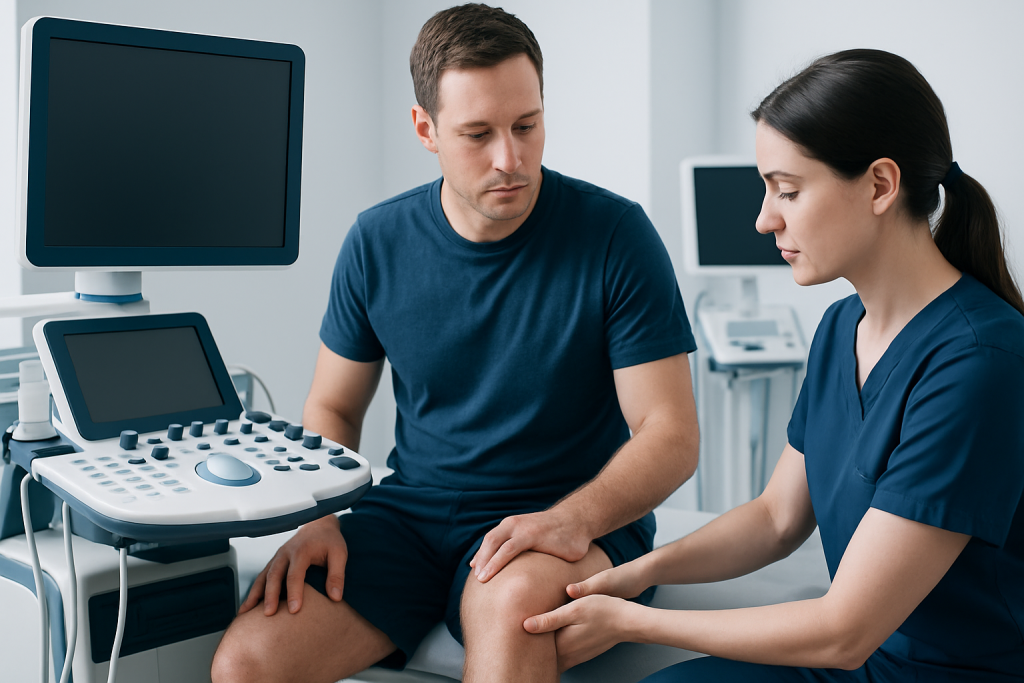
The most typical symptom is pain on the inside of the knee, especially after a twist, sudden change of direction, or direct hit to the outer knee. Some people notice a pop at the moment of injury, while others feel only a sharp pull followed by tenderness.
Depending on the grade of injury, the knee may swell, stiffen, or feel weak when weight is placed on it. A more significant tear can create a sense that the knee is giving way during walking, pivoting, or stepping down from a curb.
- Inner-knee pain or tenderness
- Swelling around the knee
- Bruising in some cases
- Instability or “giving way”
- Pain with twisting or side-to-side movement
If the knee locks, cannot straighten, or becomes very difficult to bear weight on, another injury may be present as well. Those features deserve prompt medical evaluation rather than simple self-care alone.
Causes & Risk Factors
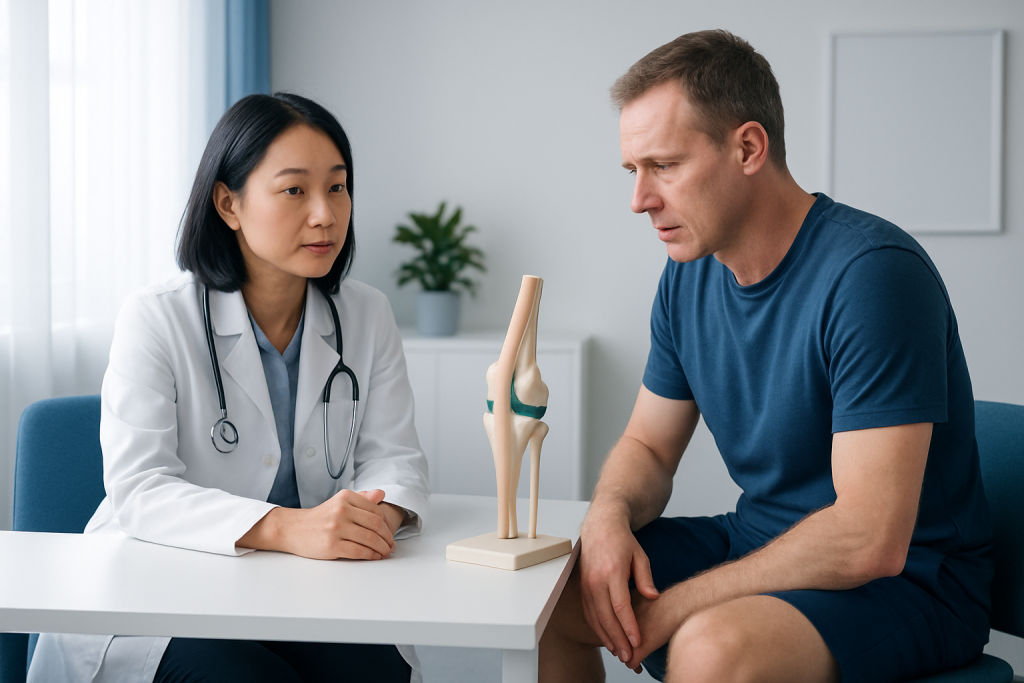
An MCL tear usually happens when the knee is forced inward, which can occur in contact sports, slips, falls, or sudden directional changes. A direct hit to the outer side of the knee is a classic mechanism because it stresses the ligament on the inner side.
Sports that involve pivoting, jumping, or body contact place the knee under repeated stress. Skiing, football, soccer, basketball, and similar activities are common settings for this injury, but it can also happen in everyday life if the knee twists awkwardly while the foot is planted.
Certain factors can raise the chance of injury or make recovery slower. Previous knee injury, weak thigh and hip muscles, poor balance, and returning to activity before the knee is fully ready can all contribute. In some cases, an MCL tear occurs together with an ACL, meniscus, or other ligament injury, which is one reason professional assessment matters.
Diagnosis
Diagnosis starts with a careful history of how the injury happened and where the pain is located. An orthopedic doctor will usually examine the knee for tenderness, swelling, range of motion, and signs of looseness along the inner side.
A stress test may be used to see how stable the ligament feels. This helps estimate the grade of the tear and whether the knee is stable enough for conservative treatment. The doctor may also check nearby structures because combined injuries are common in more serious knee trauma.
Imaging can support the diagnosis. X-rays may be ordered to rule out a fracture or bone injury, while MRI is often used when a more detailed view is needed or when another ligament, cartilage, or meniscus injury is suspected. For patients traveling from abroad, it is helpful to bring any prior scans, treatment notes, or brace information so the specialist can compare findings efficiently.
Treatment Options
Many MCL tears heal without surgery. Treatment often begins with protecting the knee, reducing strain, and restoring movement in a staged way. A brace may be recommended to limit side-to-side motion while the ligament settles and repairs.
Rest is usually combined with ice, elevation, and activity modification in the early phase. As pain eases, physical therapy becomes central. Rehab typically focuses on regaining motion, then rebuilding strength in the quadriceps, hamstrings, hips, and calf muscles, followed by balance and sport-specific drills if needed.
Surgery is less common for isolated MCL tears, but it may be considered when the ligament is completely torn in certain patterns, when there is major instability, or when the MCL injury occurs alongside other significant knee damage. The treatment plan is individualized, and the timeline depends on the grade of injury, overall knee stability, and the patient’s activity goals.
For international patients, coordination matters. Clear guidance on bracing, therapy milestones, and follow-up planning can help avoid a stop-start recovery after returning home, especially when rehab must continue across different countries or clinics.
Prevention & Self-care
Not every MCL tear can be prevented, but the knee can be better protected by preparing the muscles and movement patterns that support it. Strong hips and thighs, good landing mechanics, and regular balance training all help reduce unnecessary stress on the ligament.
Before returning to sport or strenuous activity, the knee should feel steady, flexible, and strong enough for the demands placed on it. Rushing back too early can turn a healing injury into a lingering one. A physiotherapist or orthopedic specialist can guide the return in a way that matches the person’s pace and the exact injury pattern.
- Warm up before exercise or sport
- Strengthen the muscles around the knee and hip
- Use proper technique for cutting, jumping, and landing
- Wear supportive footwear for the activity
- Follow rehab instructions carefully after any knee injury
At home, gentle movement is often helpful once a doctor confirms it is safe. The aim is to keep the knee from becoming too stiff while still protecting the healing ligament.
When to See a Doctor
Medical evaluation is advisable if knee pain follows a twisting injury, a direct blow, or a fall, especially when swelling or instability appears soon afterward. A doctor should also assess the knee if walking feels unsafe or if the person cannot trust the joint during ordinary movement.
Prompt attention is important when symptoms suggest a more complex injury. Locking, a visible deformity, significant bruising, numbness, or an inability to bear weight should not be ignored. These signs may point to an associated fracture or another ligament injury that needs timely care.
Anyone who does not improve as expected, or whose knee remains unstable after initial rest, should return for review. If an MCL tear is suspected while traveling, an orthopedic consultation can help determine whether treatment can continue safely at the destination or whether the knee needs more urgent stabilization first. Acibadem Health Point’s multidisciplinary specialists and JCI-accredited hospitals diagnose and treat knee injuries for international patients with coordinated orthopedic and rehabilitation support.
Frequently asked questions
01What is the MCL in the knee?
The MCL, or medial collateral ligament, is a band of tissue on the inner side of the knee. It helps keep the knee stable when side-to-side forces are applied. When it is injured, the knee may feel painful or unstable.
02Can an MCL tear heal without surgery?
Yes, many isolated MCL tears heal well without surgery. Treatment often includes bracing, activity modification, and rehabilitation. The exact approach depends on the severity of the tear and whether other structures are injured.
03How long does recovery take?
Recovery time varies widely based on the grade of the injury and the person’s overall knee health. Mild injuries may improve in a shorter period, while more severe tears take longer and need structured rehabilitation. A doctor or physiotherapist can give a more individualized estimate after examination.
04Is walking okay after an MCL tear?
Some people can walk with an MCL tear, especially if the injury is mild, but walking may be painful or unstable. If putting weight on the knee feels unsafe, medical evaluation is important. A brace or temporary support may be recommended.
05What tests are used to diagnose an MCL tear?
A doctor usually starts with a physical examination and may use stress testing to assess the ligament. X-rays can rule out fracture, and MRI may be used to look more closely at the ligament and any associated injuries. The choice of tests depends on the injury pattern.
06When is rehabilitation important?
Rehabilitation is important in most MCL injuries because the knee needs more than pain relief to recover fully. Physical therapy helps restore motion, strength, balance, and confidence in the joint. It also lowers the chance of re-injury when returning to normal activity.
This article is for general information only and is not a substitute for professional medical advice. Please consult a qualified doctor about your individual situation.
Joint and spine care in Turkey — expert assessment & treatment
JCI-accredited · board-certified surgeons · reply within 24h
Add us as a Preferred Source to see more of our trusted health content across Google Search, AI Overviews and Discover.