Tendinopathy: Symptoms, Causes and Treatment

Key Takeaways
- Tendinopathy usually develops from repeated load or overuse rather than one single injury.
- Pain is often felt near the affected tendon and may be worse when starting movement or after activity.
- Diagnosis is based mainly on history and physical examination, with imaging used when needed.
- Treatment often centers on activity modification, targeted exercise, and time for tendon recovery.
- A gradual return to sport or work can help reduce flare-ups and support long-term recovery.
Tendinopathy is a common tendon condition that can cause pain, stiffness, and reduced function during everyday movement or exercise. With the right diagnosis and a gradual treatment plan, many people improve without surgery.
Overview
Tendinopathy is a broad term for a tendon that is irritated, painful, and not functioning as smoothly as it should. Tendons are the strong bands of tissue that connect muscle to bone, and they help the body move, lift, grip, jump, and walk. When a tendon is asked to handle more load than it can comfortably tolerate, it may become sore and stiff.
This condition often develops gradually, which is one reason people may keep training, working, or traveling with it longer than they should. A person might notice a nagging ache in the morning, discomfort when using stairs, or pain during a familiar workout that suddenly feels harder than usual. The good news is that tendinopathy is often managed successfully with a careful plan that respects the tendon’s current capacity and then rebuilds it step by step.
Common examples include Achilles tendinopathy, patellar tendinopathy, lateral elbow tendinopathy, and rotator cuff tendinopathy. While the location changes, the principle is similar: the tendon needs the right balance of rest, movement, and progressive strengthening to settle and recover.
Symptoms
The most recognizable symptom is pain along the affected tendon, often close to where it attaches to bone. The discomfort may be dull or sharp, and it may appear only during certain activities at first, then become noticeable with daily tasks such as walking, reaching, or lifting.
Stiffness is another common clue, especially after sleep or after a period of sitting. Some people describe a “warm-up” effect in which the tendon feels better once they start moving, only for symptoms to return after heavier use or later in the day. Swelling, tenderness when pressed, and a feeling of weakness or reduced performance can also appear.
Symptoms can vary depending on the tendon involved. For example, Achilles tendinopathy may make hills or stairs uncomfortable, while shoulder tendon pain may show up when combing hair or reaching overhead. In many people, the pain pattern is more useful than the exact intensity, because tendon problems often fluctuate rather than staying constant.
Causes & Risk Factors

Tendinopathy most often develops from repeated load on a tendon over time. This can happen in sport, physical work, or even in a new exercise routine that increases too quickly. The issue is not simply “too much movement,” but movement that exceeds what the tendon is currently prepared to handle.
Several factors can make tendons more vulnerable. Sudden changes in training volume, poor recovery between sessions, repetitive motions at work, awkward biomechanics, and limited strength in nearby muscles may all contribute. Age can also play a role, as tendons may become less adaptable over time.
- Rapid increase in running, jumping, lifting, or overhead activity
- Repetitive occupational tasks
- Muscle weakness or movement imbalances
- Previous tendon injury or prolonged inactivity
- Some medical conditions or medications may influence tendon health
For international patients, understanding the trigger is especially useful before traveling for care. A specialist may ask about training routines, work demands, footwear, job duties, and whether symptoms changed after a move, long flight, or new activity schedule. That context helps shape a practical plan rather than a one-size-fits-all treatment.
Diagnosis
Diagnosis usually begins with a detailed conversation about when the pain started, what makes it better or worse, and how it affects daily life. A clinician will also examine the painful area, check range of motion, and look for tenderness, swelling, and signs that point toward tendon overload rather than another cause.
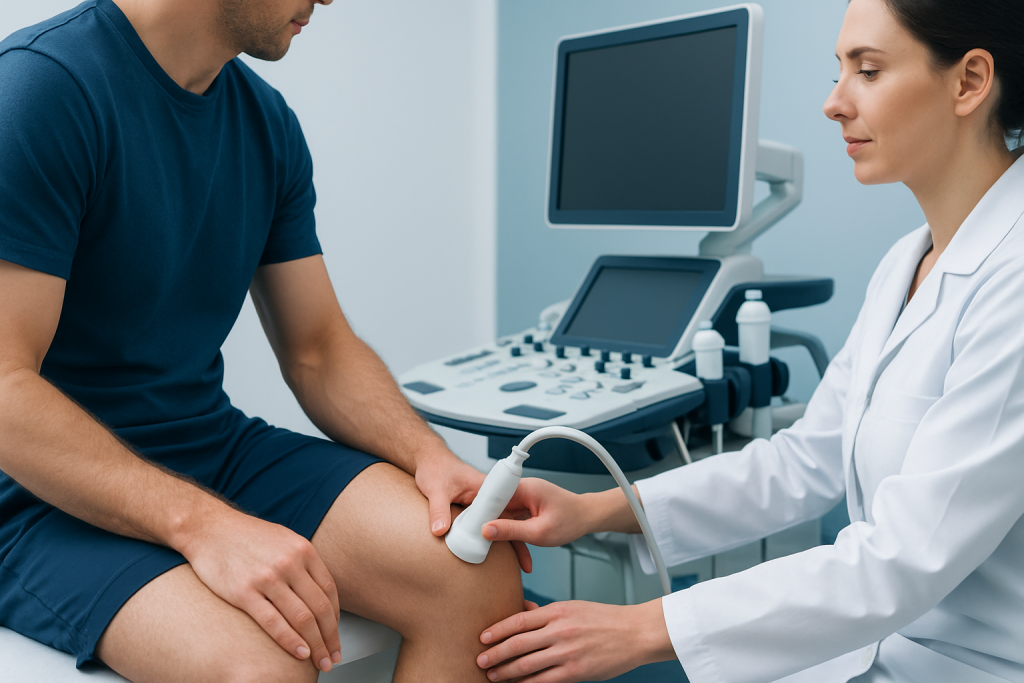
In many cases, a physical examination provides enough information to identify tendinopathy. Imaging may be used when the diagnosis is uncertain, symptoms are persistent, or another condition needs to be ruled out. Ultrasound or MRI can help show tendon structure, but these tests are interpreted alongside the person’s symptoms because imaging findings do not always match how severe the pain feels.
Clear diagnosis matters because tendon pain can resemble joint, nerve, muscle, or bone problems. A careful assessment helps avoid overly strict rest, unnecessary medications, or returning to full activity before the tendon is ready. For people seeking Herniated Disc Treatment Abroad: Injection, Rehab, or Surgery?" class="ahp-ilk">treatment abroad, it is reasonable to bring prior scan reports, training logs, and a list of treatments already tried, since that information can shorten the path to a targeted plan.
Treatment Options
Treatment is usually gradual and active rather than based on complete rest alone. The goal is to calm the painful phase, restore strength and load tolerance, and then rebuild confidence in movement. A tendon rarely improves by being protected forever; it improves when the load is introduced in a smarter, more tolerable way.
Activity modification is often the first step. That may mean reducing the most aggravating movements temporarily, changing technique, adjusting volume, or adding recovery days. Pain-relieving measures may be recommended in selected cases, but they are generally supportive rather than the main solution. The central treatment is often a structured exercise program, sometimes starting with isometric or low-load work and progressing to heavier strengthening as symptoms settle.
Physical therapy can be valuable for guiding exercise progression, mobility work, and return-to-sport or return-to-work planning. Depending on the tendon and the individual’s situation, clinicians may also consider braces, taping, footwear adjustments, shockwave therapy, or other non-surgical options. Surgery is uncommon and is usually reserved for persistent cases that have not improved with well-directed conservative care.
Recovery timelines vary, and progress is often measured in function, not just pain scores. A person may begin to do more before the tendon feels perfect, as long as the load is increased in a controlled way and symptoms remain manageable. This approach is especially important for people coordinating care from another country, because a realistic home program and follow-up plan can support recovery after returning home.
Prevention & Self-care
The most helpful self-care strategy is learning the tendon’s current threshold and staying within it most days. That does not mean avoiding exercise; it means building in recovery, increasing activity in small steps, and noticing which actions repeatedly trigger flare-ups. A steady plan is usually more effective than waiting for pain to force a stop.
Warm-ups, well-fitted shoes, sensible training progression, and balanced strength work can all help reduce strain. If a tendon becomes irritated, temporary reduction in the aggravating activity may be better than stopping all movement. Gentle mobility and clinician-guided exercises can often be continued, while high-load tasks are reduced until symptoms improve.
- Increase training or work demands gradually
- Include rest or lighter days after heavier loading
- Strengthen the surrounding muscles, not only the painful area
- Pay attention to technique, footwear, and work setup
- Seek help early if pain keeps returning
People traveling for treatment may find it helpful to plan follow-up before leaving the hospital or clinic. A written home exercise plan, a clear activity roadmap, and guidance on what symptoms are acceptable during recovery can make it easier to stay on track once daily routines change again.
When to See a Doctor
Medical advice is appropriate when tendon pain lasts more than a short period, keeps returning, or starts limiting walking, work, sleep, or sport. It is also wise to seek evaluation if the pain is getting worse despite self-care, or if the area becomes very swollen, hot, or difficult to move normally.
Prompt assessment is especially important after a sudden pop, a major loss of strength, or an injury that makes it hard to bear weight or use the limb. Those features can point to a more serious tendon tear or another problem that needs different care. A doctor can help determine whether imaging, immobilization, physical therapy, or another approach is most appropriate.
For international patients, it can be useful to arrange a specialist review when symptoms are affecting travel plans, return-to-work deadlines, or competitive sport goals. Acibadem Health Point’s multidisciplinary specialists and JCI-accredited hospitals can diagnose and treat tendinopathy for international patients, with care plans that can be coordinated before and after travel.
Living With Tendinopathy
Living with tendinopathy often means becoming more attentive to patterns: which movements help, which ones provoke pain, and how the tendon responds the next day. Many people improve when they stop judging progress only by whether an activity hurts in the moment and instead look at the overall trend across a week or two.
It can be encouraging to remember that tendons adapt slowly but do adapt. A well-paced plan may allow a return to running, lifting, overhead work, or other valued activities without needing to abandon them permanently. The most durable results usually come from combining professional guidance with consistent self-management and patience.
For people managing care across borders, simple communication makes a difference. Keeping copies of scan reports, exercise instructions, and follow-up notes can help local clinicians continue the plan smoothly after the trip. That continuity often matters as much as the initial appointment itself.
Frequently asked questions
01Is tendinopathy the same as tendonitis?
The terms are sometimes used interchangeably, but tendinopathy is broader and is often preferred in medical writing. It describes tendon pain and dysfunction without assuming the tendon is mainly inflamed. The exact cause and stage can differ from person to person.
02Should a person stop exercising completely if a tendon hurts?
Not usually. Many cases improve better with modified activity and a guided exercise plan than with complete rest. The key is reducing the movements that overload the tendon while keeping safe, tolerable movement in the routine.
03How long does tendinopathy take to heal?
Recovery varies depending on the tendon involved, how long symptoms have been present, and how consistently the treatment plan is followed. Some people improve in weeks, while others need several months of progressive strengthening and load management. A clinician can help set realistic expectations based on the individual case.
04Does imaging always show the cause of tendon pain?
No. Ultrasound or MRI can be helpful, but the scan must be interpreted alongside symptoms and examination findings. Some people have tendon changes on imaging without pain, and others have clear symptoms with only subtle scan findings.
05Can tendinopathy come back after it improves?
Yes, especially if the tendon is exposed again to sudden increases in load or if strength and recovery are not maintained. Gradual return to activity, ongoing conditioning, and attention to early warning signs can reduce the chance of recurrence.
06When is surgery considered for tendinopathy?
Surgery is not common and is usually considered only when symptoms persist despite a full course of appropriate conservative treatment. Most people are treated without surgery using activity changes, rehabilitation, and time.
This article is for general information only and is not a substitute for professional medical advice. Please consult a qualified doctor about your individual situation.
Hair transplant in Turkey — costs, graft counts & a free assessment
JCI-accredited · board-certified surgeons · reply within 24h
Add us as a Preferred Source to see more of our trusted health content across Google Search, AI Overviews and Discover.