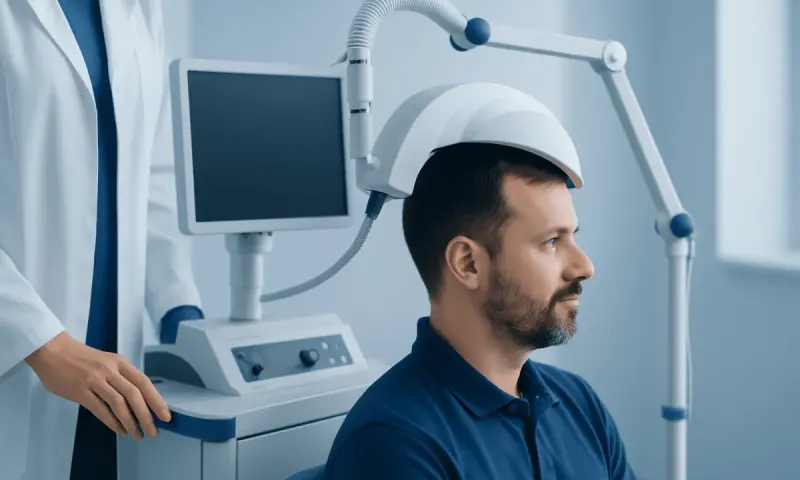
Lupus and Hair Loss: Causes, Care, and Regrowth
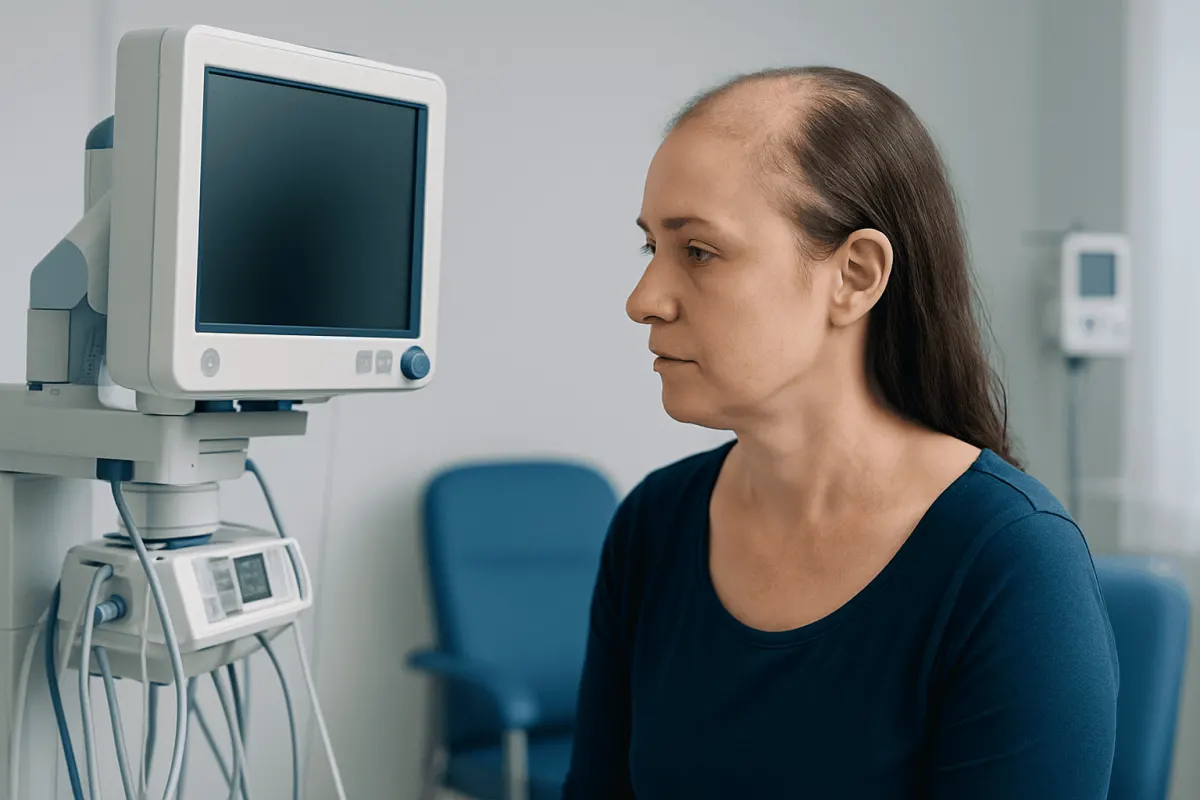
Lupus can cause hair thinning, increased shedding, or patchy hair loss, particularly when inflammation affects the scalp. Some forms are temporary and improve as lupus is controlled, while scarring scalp disease may cause permanent loss without early treatment.
Lupus and hair loss: the key facts
Lupus and hair loss are linked because this autoimmune condition can create inflammation in the skin and around hair follicles. Hair may shed more than usual, become thinner across the scalp, break easily, or fall out in distinct patches. The pattern matters: when follicles are inflamed but not destroyed, hair often has the potential to grow back after the underlying problem is treated.
Systemic lupus erythematosus (SLE) can cause generalized shedding during periods of higher disease activity, illness, fever, emotional strain, or major physical stress. Lupus can also directly affect the scalp, most notably in cutaneous or discoid lupus. This can produce persistent, scaly or discolored lesions that may lead to scarring if treatment is delayed.
Hair loss can be upsetting, but it is not always a sign of permanent damage or poorly controlled lupus. A careful assessment by a doctor helps distinguish lupus-related loss from common causes such as pattern hair loss, iron deficiency, thyroid disease, fungal infection, traction from hairstyles, or a medication effect.
What lupus-related hair loss can look like
One common pattern is diffuse hair shedding, meaning more hairs than usual are noticed on a brush, pillow, or in the shower. The scalp may appear less dense overall rather than showing clearly defined bald areas. This may happen during a lupus flare or after the body has been under stress. Doctors may describe this as telogen effluvium, a temporary shift of hairs into the shedding phase.
Some people notice shorter, fragile hairs around the forehead and temples. These are sometimes called “lupus hair” and may reflect inflammation, dryness, breakage, or active disease. Hair texture can also change, becoming drier or more difficult to manage.
Patchy hair loss needs particular attention. Scalp discoid lupus may cause round or irregular patches with redness, scale, changes in skin color, thickened skin, or loss of visible follicle openings. In contrast to non-scarring shedding, scarred scalp areas may not regrow hair once follicles have been permanently damaged.
- Non-scarring loss: follicles are preserved, so regrowth is often possible.
- Scarring loss: inflammation damages follicles and can leave smooth, shiny, or altered skin; early treatment is important.
- Breakage: hair shafts snap because of dryness, inflammation, chemical processing, heat, or tight styling.
Why lupus can affect the hair and scalp

Lupus is an autoimmune disease in which the immune system can cause inflammation in different tissues. When that inflammation involves the scalp or hair follicles, it can disrupt the normal hair-growth cycle and trigger shedding. In cutaneous lupus, inflammation may be more directly concentrated in the skin, potentially causing lesions and scarring.
Hair loss may also occur indirectly. Active lupus can be associated with fatigue, fever, weight changes, reduced appetite, or systemic stress, all of which can contribute to temporary shedding. Iron deficiency, low vitamin levels, thyroid conditions, and anemia may coexist and should be checked when clinically appropriate. These problems are treatable but require a tailored medical evaluation rather than self-treatment with high-dose supplements.
Some medicines used for lupus or other health conditions can contribute to shedding or changes in hair texture. However, it is important not to stop prescribed treatment without medical advice. In many cases, controlling inflammation is more beneficial for hair preservation than discontinuing a medicine independently.
People with lupus may also have another scalp or skin condition at the same time, such as psoriasis, seborrheic dermatitis, alopecia areata, or infection. This is why the appearance of the scalp, the timing of symptoms, and a full medication and health history are all important.
How doctors assess hair loss in lupus
Assessment usually begins with questions about when shedding started, whether it is diffuse or patchy, recent lupus symptoms, illnesses, stressors, menstrual changes, diet, hair practices, and medicines. A clinician will examine the scalp and other skin areas for redness, scale, pigment change, tenderness, broken hairs, or features suggesting scarring.
Blood tests may be considered to evaluate lupus activity and to look for contributing conditions such as anemia, iron deficiency, thyroid dysfunction, or nutritional deficiency. The tests selected depend on the person’s symptoms, medical history, and current lupus monitoring plan.
A dermatologist may examine the scalp with dermoscopy, a magnified lighted device that helps assess hair shafts and follicles. If the diagnosis remains uncertain or scarring alopecia is suspected, a small scalp biopsy may be recommended. This can identify the type of inflammation and guide treatment choices.
Because lupus may affect several body systems, care is often coordinated between a dermatologist and rheumatologist. The broader condition is discussed in more detail in lupus information and care, while scalp-specific evaluation focuses on preventing avoidable follicle damage.
Treatment options and the outlook for regrowth
Treatment is based on the cause and type of hair loss. When shedding is related to active lupus, improving control of systemic inflammation may reduce ongoing loss and allow regrowth over time. This can involve adjusting the lupus treatment plan under the supervision of the treating specialist. Hair growth is slow, so visible improvement may take several months even after the trigger is addressed.
For scalp lesions from cutaneous or discoid lupus, a dermatologist may recommend anti-inflammatory treatments applied to the scalp or delivered into selected lesions, along with medicines that help control lupus-related skin disease. The best approach depends on the severity, extent, skin findings, other lupus symptoms, and the person’s medical history. Early treatment aims to settle inflammation before scarring develops.
If tests identify anemia, thyroid disease, or another contributor, treating that condition is also part of care. A doctor may review all current medicines to determine whether a medication could be playing a role and whether an alternative is appropriate. Prescription treatments that stimulate hair growth may be suitable for some people, but they are not right for everyone and should be discussed with a clinician.
Non-scarring lupus-related shedding often improves when the trigger is controlled. By contrast, areas where scarring has already destroyed follicles are less likely to regrow hair. Once scalp lupus has been inactive for a sustained period, a specialist may discuss cosmetic options or, in carefully selected cases, restorative procedures.
Protecting the scalp and caring for hair
Gentle daily care can reduce breakage and avoid additional irritation while medical treatment takes effect. It may help to use a mild shampoo, condition the hair as needed, detangle carefully with a wide-tooth comb, and limit high-heat styling, harsh chemical treatments, bleaching, and tight braids, ponytails, or extensions. These steps do not treat lupus itself, but they can protect fragile hair shafts.
Sun protection is especially relevant for people with photosensitive lupus or scalp lesions. Wearing a broad-brimmed hat and following an individual clinician’s advice about sunscreen products for exposed areas may help reduce ultraviolet-triggered skin inflammation. Avoid picking, scratching, or aggressively scrubbing scalp lesions, as this can worsen irritation.
A balanced diet that provides adequate protein, iron, and other essential nutrients supports normal hair growth. Supplements should not be assumed to be harmless or necessary. A clinician can advise whether testing or targeted supplementation is appropriate, particularly because excessive amounts of some vitamins and minerals can cause health problems.
Stress management, adequate sleep, and regular follow-up can support overall wellbeing with lupus. These measures cannot replace medical treatment, but they may help people cope with a chronic condition and recognize changes that warrant review.
When to seek medical care
A person should arrange medical review for new, rapidly worsening, patchy, or persistent hair loss, especially if it occurs with scalp pain, itching, redness, scaling, sores, pigment changes, or smooth areas without visible follicles. These features may indicate active scalp inflammation or another condition requiring prompt treatment.
Medical advice is also important if hair loss occurs alongside possible lupus flare symptoms, such as new rashes, joint swelling or pain, unexplained fevers, chest pain, shortness of breath, marked fatigue, or changes in urine. Urgent assessment is appropriate for severe symptoms, sudden breathing difficulty, severe chest pain, confusion, or other acute concerns.
People should not discontinue lupus medicines because of shedding without speaking with their prescribing clinician. A dermatologist or rheumatologist can help clarify the cause and balance scalp care with effective management of the underlying condition. Acıbadem Health Point’s multidisciplinary specialists and JCI-accredited hospitals diagnose and treat lupus-related concerns for international patients.
Frequently asked questions
01Can lupus cause hair loss?
Yes. Lupus may cause increased shedding, breakage, patchy loss, or hair loss from inflammatory scalp lesions. The cause should be assessed because hair loss can also result from thyroid disease, iron deficiency, medicines, infection, and common non-lupus hair conditions.
02Is lupus hair loss permanent?
It depends on the type. Diffuse shedding and many non-scarring forms of hair loss can improve when lupus activity and other contributing factors are addressed. Hair loss caused by scarring discoid lupus may be permanent if follicles have already been destroyed.
03Does hair grow back after a lupus flare?
Hair can grow back after a flare when the follicles remain intact and inflammation is brought under control. Regrowth usually takes time because hair grows gradually, and it may take months for density to look noticeably better. A clinician can assess whether signs of scarring are present.
04What does discoid lupus on the scalp look like?
Discoid lupus may cause well-defined scalp patches with redness, scale, darkening or lightening of the skin, thickened areas, or changes in the normal follicle openings. The areas can become scarred over time. Anyone with these signs should seek dermatology assessment promptly.
05Can lupus medication make hair fall out?
Some medicines can contribute to shedding or hair changes, although active lupus itself is often an important cause. A person should not stop a prescribed medicine on their own. The prescribing clinician can review the timing, possible alternatives, and whether another cause is more likely.
06What can a person with lupus do to reduce hair breakage?
Gentle hair care can help reduce breakage: limiting heat and chemical processing, avoiding tight hairstyles, using conditioner, and detangling carefully are practical measures. Protecting the scalp from sun exposure may also be useful for those with photosensitive lupus. These approaches should be combined with medical assessment when loss is new or ongoing.
This article is for general information only and is not a substitute for professional medical advice. Please consult a qualified doctor about your individual situation.
Hair transplant in Turkey — costs, graft counts & a free assessment
JCI-accredited · board-certified surgeons · reply within 24h
Add us as a Preferred Source to see more of our trusted health content across Google Search, AI Overviews and Discover.