Lumpy Veins on Hands: When to Seek Assessment
Lumpy veins on hands are commonly caused by normal changes in skin thickness, hydration, temperature, exercise, or aging. However, a new tender, red, warm, or cord-like vein can sometimes signal inflammation or a blood clot in a superficial vein and should be checked by a clinician.
What do lumpy veins on hands usually mean?
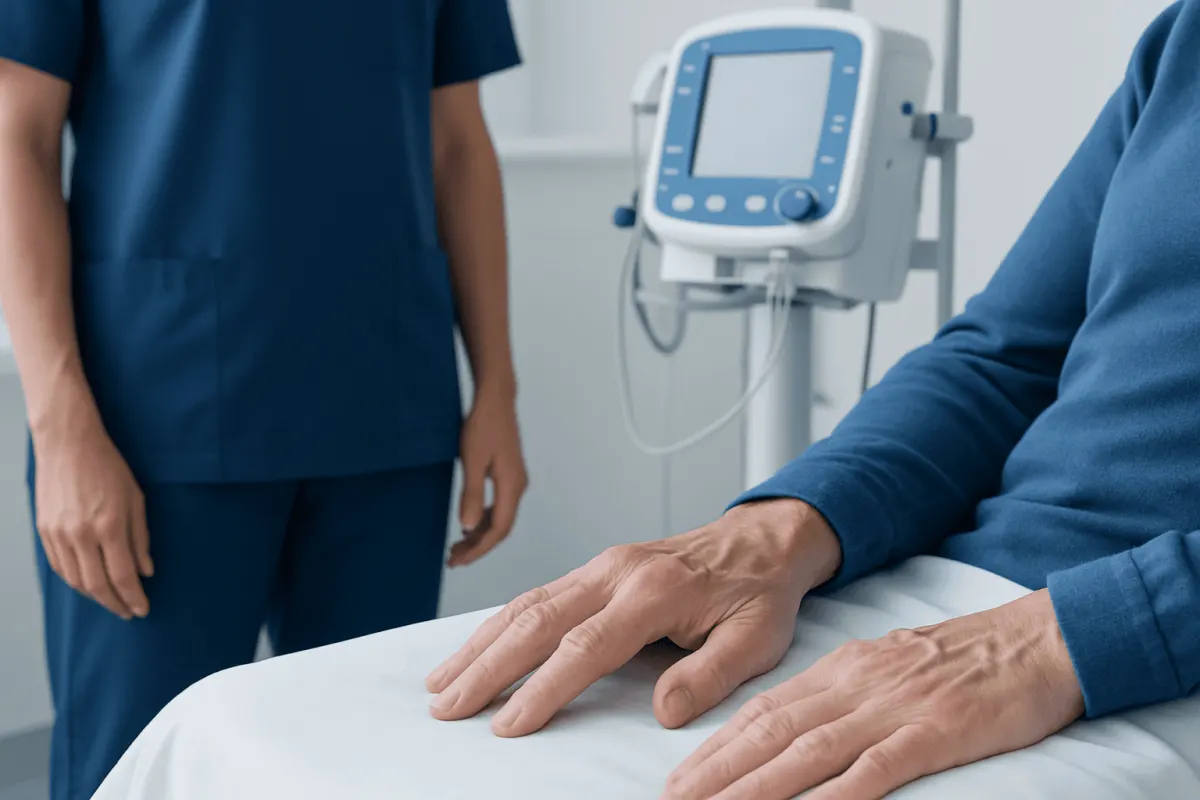
Lumpy veins on hands usually reflect visible superficial veins rather than a dangerous blood-vessel problem. The veins on the back of the hands lie close to the skin, so they may appear raised, winding, or uneven. This becomes more noticeable when the skin is thinner, blood flow increases, or there is less fatty tissue beneath the skin.
In many people, the appearance changes through the day. Warm weather, a hot shower, exercise, carrying heavy items, dehydration, and holding the hands below heart level can all make veins temporarily fuller. These changes are generally painless and settle as the body cools, hydrates, or rests.
A different pattern deserves attention: a new localized lump along a vein, especially if it is hard, sore, red, or warm. This may be due to irritation of a superficial vein or superficial thrombophlebitis. A clinician can distinguish normal visible veins from inflammation, a clot near the skin, a skin lump, or another cause.
Why hand veins can look raised or uneven
Veins return blood to the heart. Unlike arteries, veins have thinner walls and can widen or narrow depending on blood volume, temperature, muscle activity, and body position. Small valves inside veins help direct blood flow; where valves and connecting branches are located, a vein may naturally have a slightly irregular outline.
Aging is one of the most common reasons veins become more visible. Over time, the skin may become thinner and collagen and fatty tissue under the skin may decrease. Genetics also influence vein size, skin tone, skin thickness, and how prominently veins show. A visible hand vein alone does not diagnose poor circulation.
Temporary vein fullness may also occur with vigorous activity, heat exposure, pregnancy-related blood-volume changes, or dehydration. In people who regularly use their hands for work, sport, or weight training, repeated muscle activity can make veins look more prominent. These factors do not usually produce persistent pain, inflammation, or marked swelling.
- Usually benign features: long-standing appearance, no pain, normal skin color, and changes with temperature or position.
- Features needing assessment: a new firm cord or lump, tenderness, warmth, redness, swelling, or symptoms after an injury, injection, or intravenous line.
Possible medical causes of a hard or painful hand vein

A painful, firm vein may be caused by superficial thrombophlebitis, meaning inflammation in a vein close to the skin with a small clot inside it. It can occur after a blood draw, intravenous cannula, injection, minor injury, or irritation from repeated pressure. The affected area may feel like a tender cord beneath the skin and may have redness or warmth over it.
Less commonly, infection in the skin or around a vein can produce redness, pain, warmth, and swelling. Infection requires timely medical review, particularly when there is fever, spreading redness, pus, or worsening symptoms. A lump near a vein may also be a cyst, tendon-related swelling, bruise, or another soft-tissue change rather than a vein itself.
Varicose veins are more common in the legs, but enlarged superficial veins can occasionally be seen in the hands. They tend to be soft and compressible rather than suddenly hard and painful. People with known vascular conditions can discuss vein concerns with a clinician; information about varicose veins may be useful when enlarged veins are persistent or symptomatic.
A blood clot in a deep arm vein is less common but more serious than superficial thrombophlebitis. It may cause significant swelling of the hand or arm, heaviness, pain, skin color change, or prominent veins over a wider area. This needs prompt medical evaluation.
How clinicians assess lumpy veins on hands
Assessment begins with a medical history and examination. A clinician may ask when the change started, whether it is painful, whether it follows a blood draw or injury, and whether symptoms vary with activity or temperature. They may also ask about recent surgery, reduced mobility, pregnancy, smoking, cancer treatment, hormone-containing medicines, previous clots, or a family history of clotting disorders.
During the examination, the clinician checks the size, firmness, warmth, tenderness, and mobility of the lump. They also assess both hands and arms for swelling, circulation, skin changes, sensation, and movement. This helps determine whether the finding appears to involve a superficial vein, deeper vein, skin structure, joint, tendon, or soft tissue.
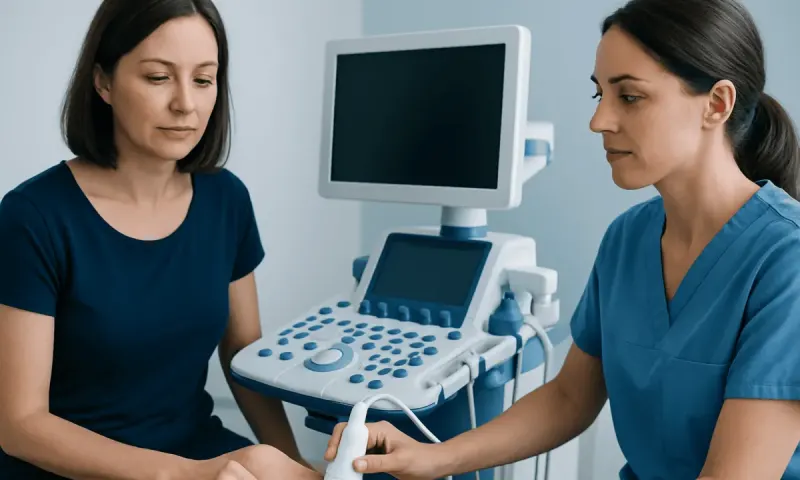
An ultrasound scan may be recommended when the diagnosis is unclear, symptoms are significant, or a deeper clot needs to be ruled out. Ultrasound uses sound waves to show blood flow and identify clotting in veins without radiation. Blood tests are not needed for every person with a visible hand vein, but may be used when the clinical situation suggests infection, inflammation, or an underlying clotting concern.
Treatment and safe self-care
Treatment depends on the cause. Normal prominent hand veins usually need no treatment. Keeping well hydrated, avoiding excessive heat when possible, and resting the hands after strenuous activity may reduce temporary vein fullness. Cosmetic concern alone can be discussed with a qualified clinician, who can explain expected benefits and possible risks of any procedure.
For confirmed superficial thrombophlebitis, care may include warm compresses, gentle movement, elevating the hand when resting, and appropriate pain relief recommended by a clinician or pharmacist. The treatment plan depends on the location and extent of the inflammation, personal clotting risks, and whether there is concern for extension into deeper veins. Some people require further testing, medication, or follow-up.
It is best not to massage a hard, painful vein or try to drain, puncture, or squeeze a lump. These actions may irritate tissue, cause skin injury, or delay correct diagnosis. If an intravenous line or injection recently occurred near the area, the treating healthcare team should be informed about new tenderness, redness, or swelling.
For people whose symptoms are linked to an underlying vein disorder, a vascular specialist may discuss individualized options, including varicose vein treatment, when clinically appropriate. Treatment is based on symptoms and examination findings, not on appearance alone.
When to seek medical care
Medical care should be sought soon for a new lump or hard vein that persists, becomes painful, or is associated with redness, warmth, or swelling. It is especially important to arrange assessment if symptoms begin after a blood draw, intravenous line, injection, injury, or surgery, or if the person has a history of blood clots or a condition that increases clotting risk.
Urgent medical evaluation is needed for sudden or substantial swelling of the hand or arm, worsening pain, blue or pale skin, numbness, weakness, fever, or rapidly spreading redness. Emergency care is needed if hand or arm symptoms occur together with chest pain, shortness of breath, coughing blood, fainting, or a fast heartbeat, as these symptoms can indicate a serious condition requiring immediate attention.
A healthcare professional can provide reassurance when the veins are a normal variation and arrange tests or treatment when needed. Acıbadem Health Point’s multidisciplinary specialists and JCI-accredited hospitals evaluate vascular and hand-related symptoms for international patients.
Reducing irritation and monitoring changes
Not every visible hand vein can or should be prevented, particularly when it relates to genetics or natural aging. However, general habits can support comfort: maintain regular hydration, take breaks from repetitive gripping or pressure on the hands, protect the skin from injury, and avoid tight items that leave deep marks around the wrist or hand.
After strenuous activity or a minor knock, observing the area for a short time can be reasonable if there is no pain, redness, or swelling. Taking a photograph in consistent lighting may help show whether a vein or lump is changing over days. Persistent progression should be discussed with a clinician rather than managed through repeated self-checking alone.
People should not start aspirin, anticoagulants, or other clot-preventing medicines solely because of a visible or lumpy vein. These medicines can have important risks and should only be used under professional guidance. A clear diagnosis is the safest foundation for treatment decisions.
Frequently asked questions
01Are lumpy veins on hands normal?
They can be normal, especially if they have been present for a long time and are not painful. Hand veins often become more visible with aging, heat, exercise, dehydration, or changes in hand position. A new or changing lump should be assessed if it is hard, tender, red, or warm.
02Why are my hand veins suddenly more visible?
Heat, physical activity, dehydration, and holding the hands below heart level can temporarily enlarge superficial veins. Reduced tissue beneath the skin and thinner skin can also make veins more noticeable over time. Sudden visibility with swelling, pain, or color change needs medical review.
03Can a blood clot cause a hard vein in the hand?
Yes. Superficial thrombophlebitis can cause a painful, firm, cord-like vein near the surface of the skin. It may occur after a needle procedure, intravenous line, local injury, or vein irritation, and a clinician should assess it to determine appropriate care.
04Should a painful hand vein be massaged?
No. Massaging, squeezing, or puncturing a painful or hard vein is not recommended because it can irritate the area and may be unsafe if inflammation or clotting is present. Gentle rest and medical advice are safer approaches.
05What is the difference between a visible vein and an infected vein?
A visible vein is often painless and has normal-colored skin over it. Infection may cause increasing redness, warmth, tenderness, swelling, drainage, fever, or feeling unwell. These symptoms need timely medical assessment.
06When are lumpy veins on hands an emergency?
Emergency care is appropriate if there is major swelling of the hand or arm, severe or rapidly worsening pain, blue or pale skin, numbness, weakness, chest pain, shortness of breath, fainting, or coughing blood. These symptoms require urgent evaluation because they may indicate a serious circulation or cardiopulmonary problem.
This article is for general information only and is not a substitute for professional medical advice. Please consult a qualified doctor about your individual situation.
Explore treatments in Turkey — costs, top hospitals & a free quote
JCI-accredited · board-certified surgeons · reply within 24h
Add us as a Preferred Source to see more of our trusted health content across Google Search, AI Overviews and Discover.