Retrosternal Chest Pain: Causes and Urgent Warning Signs
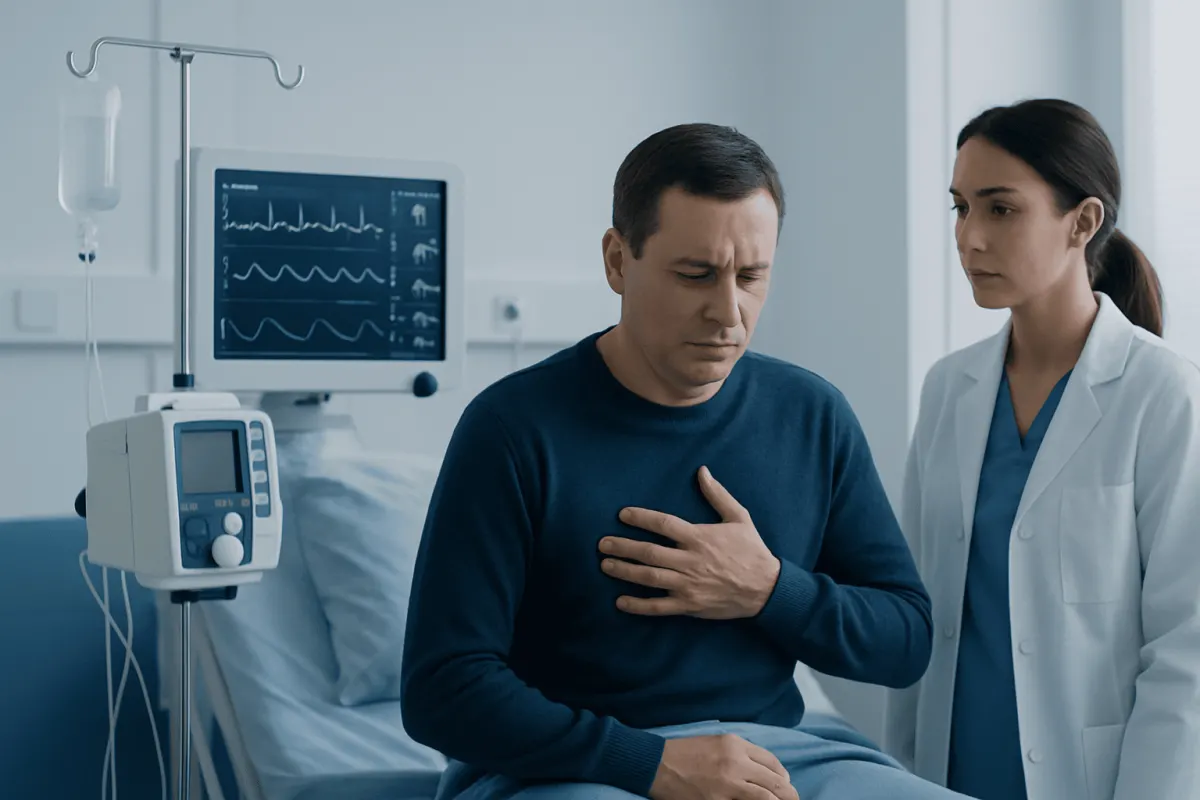
Retrosternal chest pain is pain, pressure, burning, or tightness felt behind the breastbone. It can be caused by digestive, muscular, lung, or heart-related conditions, so new, severe, or unexplained chest discomfort should be assessed promptly—especially when it occurs with breathlessness, sweating, fainting, or pain spreading to the arm, jaw, back, or shoulder.
What is retrosternal chest pain?
Retrosternal chest pain refers to discomfort felt behind the sternum, also called the breastbone. It may feel like pressure, squeezing, heaviness, burning, aching, sharp pain, or tightness. Some people notice it only during activity, after eating, when lying down, or with deep breathing or movement.
The term describes a symptom rather than one specific illness. The structures near the breastbone include the heart and major blood vessels, esophagus, lungs and airways, ribs, muscles, and nerves. For this reason, retrosternal chest pain can have several possible explanations, ranging from a minor chest-wall irritation to an urgent medical condition.
It is not safe to diagnose the cause based on sensation alone. Heart-related pain may resemble indigestion, while reflux can sometimes feel like pressure in the center of the chest. A timely medical assessment is the most reliable way to rule out serious causes.
How retrosternal pain may feel
Details about the pain can help a clinician narrow down possible causes. Important features include when it started, whether it began suddenly or gradually, how long it lasts, what brings it on, and what makes it better or worse. Associated symptoms are equally important.
Burning discomfort that develops after a large meal or when lying down may suggest acid reflux. Pain reproduced by pressing on the breastbone, twisting, lifting, or certain arm movements may be more consistent with a chest-wall or muscle cause. Sharp pain that becomes worse with coughing or deep breaths may occur with inflammation around the lungs, although this still needs medical evaluation when it is new or significant.
Heart-related discomfort is often described as pressure, squeezing, fullness, or heaviness. It can occur with exertion or emotional stress, but it may also happen at rest. It may spread to the neck, jaw, shoulder, arm, upper back, or upper abdomen, and can be accompanied by shortness of breath, nausea, sweating, or unusual fatigue.
- Timing: sudden pain requires particular attention, especially if intense or persistent.
- Triggers: exertion, meals, position, breathing, coughing, or movement can provide useful clues.
- Associated symptoms: breathlessness, palpitations, dizziness, fever, cough, vomiting, or difficulty swallowing should be reported.
Possible causes of pain behind the breastbone

Digestive causes are common. Gastroesophageal reflux disease, or GERD, can cause burning behind the breastbone when stomach contents travel back into the esophagus. Esophageal spasm or inflammation can also cause central chest pain and swallowing discomfort. These conditions may improve with avoiding personal food triggers and lying down soon after meals, but persistent symptoms should be reviewed by a doctor.
Musculoskeletal causes include strained chest muscles, inflammation where the ribs join the breastbone, and pain after coughing, exercise, injury, or repetitive physical work. This pain is often localized and may be tender to touch or aggravated by movement. Even when a musculoskeletal cause seems likely, a new episode of chest pain should not be assumed to be harmless without appropriate clinical context.
Heart and blood-vessel causes include angina, which occurs when the heart muscle does not receive enough oxygen-rich blood, and heart attack. Inflammation of the sac around the heart can also produce chest pain. Risk may be higher in people with diabetes, high blood pressure, high cholesterol, smoking exposure, a history of heart disease, or a strong family history of early cardiovascular disease. More information about coronary artery disease may be useful for people who have ongoing cardiovascular risk concerns.
Lung-related causes may include respiratory infection, inflammation of the lining around the lungs, asthma-related symptoms, or a blood clot in the lungs. Anxiety or panic can also cause genuine chest tightness, rapid heartbeat, and breathlessness. However, anxiety should only be considered after urgent physical causes have been appropriately evaluated.
How doctors assess retrosternal chest pain
Assessment begins with a focused history and physical examination. A clinician will ask about the quality and location of pain, timing, triggers, medical conditions, medicines, recent travel or surgery, infections, injuries, and family history. They will also check vital signs such as blood pressure, pulse, oxygen level, and temperature.
When a heart-related cause is possible, an electrocardiogram (ECG) is commonly performed promptly to assess the heart’s electrical activity. Blood tests may look for markers of heart muscle injury, anemia, inflammation, infection, or other abnormalities. Depending on the symptoms, clinicians may also request a chest X-ray, echocardiogram, stress testing, coronary imaging, or tests for lung and digestive conditions.
Testing is chosen according to the individual situation rather than performed routinely for every person. Age, symptoms, examination findings, cardiovascular risk factors, and the duration of pain all help guide the next steps. If the first evaluation is reassuring but symptoms return or change, further review may still be needed.
Treatment depends on the cause
There is no single treatment for retrosternal chest pain because treatment is directed at the underlying condition. Reflux-related symptoms may be managed with dietary adjustments, changes to meal timing, weight management when appropriate, and medicines recommended by a clinician. Persistent reflux, swallowing difficulty, unexplained weight loss, or bleeding symptoms may require digestive assessment.
Chest-wall pain may improve with temporary modification of activities, gentle return to movement, and pain-relief strategies advised by a healthcare professional. Treatment of respiratory infections, asthma, or other lung conditions depends on the diagnosis. A suspected pulmonary embolism or other acute lung problem needs urgent hospital-based care.
If testing suggests angina or another coronary condition, a cardiology team may recommend medicines, risk-factor management, and in some cases procedures to improve blood flow. Coronary angiography can help doctors visualize the coronary arteries when clinically indicated, while coronary angioplasty may be used in selected cases to restore blood flow. The appropriate approach depends on the person’s symptoms, test results, and overall health.
When to seek medical care
Emergency care is needed for new or unexplained chest pain that is severe, persistent, worsening, or lasts more than a few minutes. Emergency assessment is particularly important if the discomfort is pressure-like or crushing, occurs during exertion or at rest without a clear explanation, or spreads to the arm, shoulder, jaw, neck, back, or upper abdomen.
People should seek emergency help immediately if chest pain occurs with shortness of breath, sweating, nausea or vomiting, fainting, marked dizziness, a fast or irregular heartbeat, confusion, coughing blood, or sudden weakness. They should not drive themselves if they feel unwell; local emergency services are the safest option.
A non-emergency medical appointment is appropriate for recurring chest burning after meals, pain that is clearly linked to movement or chest tenderness, or mild symptoms that continue despite simple lifestyle measures. However, a person should arrange prompt review if symptoms become more frequent, change in character, or occur alongside new breathlessness or reduced exercise tolerance.
Practical self-care and reducing future risk
Until a clinician has assessed new chest pain, it is best not to self-diagnose it as indigestion or muscle strain. Keeping a brief record of episodes—what the pain feels like, its duration, triggers, and associated symptoms—can help during a medical consultation. It is also useful to bring a current list of medicines and relevant medical history.
For people with established reflux, practical measures may include eating smaller meals, avoiding meals close to bedtime, identifying individual trigger foods, and raising the head of the bed if advised. For overall heart health, not smoking, being physically active within personal limits, eating a balanced diet, managing sleep and stress, and attending regular checks for blood pressure, cholesterol, and diabetes can lower cardiovascular risk over time.
Acıbadem Health Point’s multidisciplinary specialists and JCI-accredited hospitals assess and treat chest pain causes for international patients, with care tailored to the findings of each evaluation. Anyone with possible emergency symptoms should seek immediate local emergency care rather than waiting for a routine appointment.
Frequently asked questions
01Is retrosternal chest pain always related to the heart?
No. Pain behind the breastbone can arise from acid reflux, esophageal conditions, muscle or rib irritation, lung conditions, anxiety, and heart disease. Because serious heart and lung causes can overlap with less urgent symptoms, new or unexplained chest pain should be assessed by a healthcare professional.
02Can acid reflux cause pain behind the breastbone?
Yes. Acid reflux commonly causes a burning feeling behind the breastbone, often after meals or when lying down. Reflux symptoms can resemble cardiac chest pain, so a person should not assume the cause is reflux if symptoms are new, severe, or accompanied by warning signs.
03What does heart-related chest pain usually feel like?
Heart-related pain may feel like pressure, squeezing, tightness, heaviness, or fullness in the center of the chest rather than a sharp pain. It may spread to the arm, jaw, neck, shoulder, back, or upper abdomen and may occur with breathlessness, sweating, nausea, dizziness, or fatigue. Symptoms vary, especially among women, older adults, and people with diabetes.
04Should chest pain that is worse with breathing be checked?
Yes. Pain that worsens with deep breathing or coughing can occur with chest-wall strain or inflammation around the lungs, but it can also be associated with more serious conditions. Urgent evaluation is needed if it starts suddenly or occurs with shortness of breath, fainting, coughing blood, or a rapid heartbeat.
05Can anxiety cause retrosternal chest pain?
Anxiety and panic can cause real chest tightness, discomfort, palpitations, and shortness of breath. However, these symptoms can be similar to heart or lung problems, so urgent physical causes should be considered first, particularly with a first episode or concerning symptoms.
06When should recurrent retrosternal chest pain be discussed with a doctor?
Recurrent discomfort should be discussed with a doctor even if it seems mild or occurs mainly after meals or activity. Review is especially important when symptoms are becoming more frequent, interfering with daily life, occurring during exertion, or accompanied by breathlessness, palpitations, swallowing problems, or reduced exercise tolerance.
This article is for general information only and is not a substitute for professional medical advice. Please consult a qualified doctor about your individual situation.
Persistent digestive symptoms? Get evaluated in Turkey
JCI-accredited · board-certified surgeons · reply within 24h
Add us as a Preferred Source to see more of our trusted health content across Google Search, AI Overviews and Discover.