Can Low Iron Contribute to High Blood Pressure?
Low iron does not usually cause hypertension directly. However, iron deficiency and high blood pressure may occur together, and both deserve medical assessment because they can share contributing health factors or create overlapping symptoms.
Can low iron cause hypertension?
Low iron does not usually cause hypertension directly. In fact, iron deficiency, especially when it leads to anemia, is more commonly associated with a faster heartbeat, tiredness, dizziness, or shortness of breath during exertion than persistently high blood pressure. Many people with mildly low iron have no serious immediate problem, but the underlying cause of the deficiency should still be identified.
Iron deficiency and hypertension can occur at the same time. This may happen by chance, because both conditions are common, or because another issue affects overall health. For example, kidney disease, chronic inflammation, certain medications, dietary patterns, heavy menstrual bleeding, or gastrointestinal blood loss may influence iron levels, blood pressure, or both.
Blood pressure can also rise temporarily because of stress, pain, anxiety, caffeine, nicotine, exercise, poor sleep, or an incorrectly sized blood pressure cuff. For this reason, one high reading should be repeated correctly and discussed with a qualified clinician rather than assumed to be caused by low iron.
How iron deficiency can affect the body
Iron is needed to make hemoglobin, the protein in red blood cells that carries oxygen from the lungs to tissues throughout the body. When iron stores fall, the body may initially maintain a normal hemoglobin level. If deficiency continues, iron deficiency anemia can develop, reducing the blood’s oxygen-carrying capacity.
To compensate for reduced oxygen delivery, the heart may beat faster or work harder, particularly during physical activity. This can cause palpitations or awareness of the heartbeat. These changes are not the same as chronic hypertension, which refers to blood pressure that remains elevated over time.
Low iron may be more likely in people with heavy menstrual bleeding, pregnancy, low dietary iron intake, reduced absorption from digestive conditions, frequent blood donation, or slow blood loss from the digestive tract. In adults who do not menstruate, unexplained iron deficiency should be evaluated rather than treated with supplements alone.
For a broader explanation of low red blood cell levels and their causes, readers may find anemia information helpful.
Symptoms: low iron versus high blood pressure

Symptoms can overlap, which is one reason it is useful to measure blood pressure and perform blood tests instead of relying on how a person feels. Iron deficiency may develop gradually and can be mild at first. Some people notice reduced stamina before they notice more obvious symptoms.
- Possible iron deficiency symptoms: fatigue, weakness, pale skin, headaches, reduced exercise tolerance, dizziness, brittle nails, restless legs, cravings for non-food items, and shortness of breath with activity.
- Possible hypertension symptoms: hypertension often causes no symptoms. When blood pressure is severely elevated, some people may experience headache, blurred vision, chest discomfort, shortness of breath, or neurological symptoms.
- Symptoms requiring prompt assessment: chest pain, fainting, severe breathlessness, confusion, one-sided weakness, trouble speaking, or a sudden severe headache.
Palpitations, headaches, and fatigue are not specific to either condition. They can also occur with dehydration, anxiety, thyroid disorders, sleep problems, infections, medication effects, and heart rhythm conditions. A clinician can help determine what testing is appropriate.
Why high blood pressure and low iron may coexist
When low iron and elevated blood pressure appear together, it is important not to assume that one caused the other. Hypertension is most often related to a combination of family history, age, excess sodium intake, low physical activity, excess body weight, alcohol intake, smoking, sleep apnea, kidney conditions, and certain medicines.
Kidney health is particularly relevant because the kidneys help regulate blood pressure and produce a hormone involved in red blood cell production. Some chronic kidney conditions can contribute to anemia and hypertension. Chronic inflammatory diseases, digestive disorders that affect nutrient absorption, and ongoing blood loss may also lower iron while an unrelated factor raises blood pressure.
Pregnancy is another setting in which both blood pressure and iron status may be monitored closely. Pregnant people should contact their maternity clinician about high readings, headaches, visual changes, swelling that develops suddenly, upper abdominal pain, or concerns about iron supplements. Self-treating without guidance is not recommended.
Some medicines can affect blood pressure or contribute to bleeding risk. These include certain decongestants, anti-inflammatory pain medicines, stimulant medicines, hormonal treatments, and blood-thinning medicines. A clinician or pharmacist can review medications and supplements safely.
How a doctor evaluates low iron and blood pressure
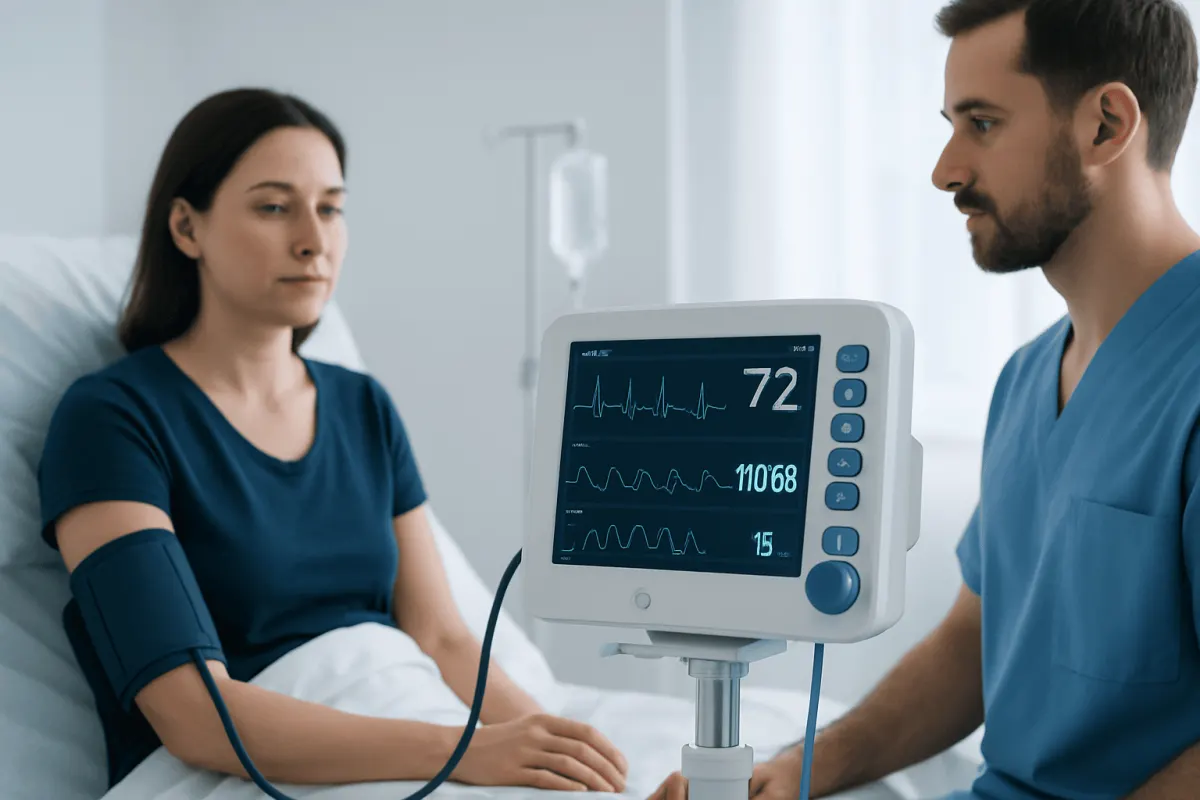
A clinician will usually begin by confirming the blood pressure measurement. This may involve checking it again after resting, reviewing readings taken at home, or arranging ambulatory monitoring over 24 hours. Correct technique matters: the person should be seated, relaxed, with the arm supported and an appropriately sized cuff used.
For suspected iron deficiency, testing often includes a complete blood count and iron studies such as ferritin. Depending on the person’s symptoms and medical history, clinicians may also consider tests for kidney function, inflammation, thyroid function, vitamin deficiencies, pregnancy, or blood loss. The results help distinguish iron deficiency from other causes of anemia.
The medical history is equally important. A doctor may ask about menstrual bleeding, diet, recent pregnancy, stomach or bowel symptoms, black stools, blood donation, fatigue, weight changes, sleep quality, family history of hypertension, and medicines. Further investigations may be needed when there is unexplained iron deficiency, particularly in older adults or people who do not have menstrual blood loss.
If repeated readings remain high, evaluation for hypertension can help identify cardiovascular risks and possible contributing conditions.
Treatment and self-care considerations
Treatment depends on the confirmed cause. If iron deficiency is present, the priority is not only restoring iron stores but also addressing why they became low. A clinician may recommend dietary changes, oral iron, intravenous iron in selected circumstances, or treatment for bleeding or an absorption problem. Iron should not be taken in high doses without medical advice, as it can cause side effects and may be harmful for people with iron overload conditions.
Iron-containing foods include meat, fish, poultry, beans, lentils, tofu, fortified grains, leafy greens, nuts, and seeds. Vitamin C-rich foods can support absorption of plant-based iron sources. Tea, coffee, and calcium-rich foods can reduce iron absorption when consumed at the same time as an iron supplement, so a clinician may advise spacing them apart.
For elevated blood pressure, useful long-term measures often include reducing excess sodium, eating a balanced diet rich in vegetables and fiber, staying physically active as health allows, limiting alcohol, avoiding tobacco, managing sleep, and taking prescribed medication consistently. These actions support cardiovascular health but do not replace an individual care plan.
When iron replacement is clinically indicated, iron infusion treatment may be considered for selected patients who cannot absorb or tolerate oral iron, need more rapid repletion, or have ongoing medical needs. The choice should be made with the treating clinician.
When to seek medical care
Arrange a routine medical appointment if home or clinic blood pressure readings are repeatedly above the recommended range, if fatigue or breathlessness is ongoing, or if there are signs of possible iron deficiency. Medical review is also important for unusually heavy menstrual bleeding, persistent digestive symptoms, unexplained weight loss, black or bloody stools, or iron deficiency without an obvious explanation.
Seek urgent medical care for very high blood pressure accompanied by chest pain, severe shortness of breath, fainting, new confusion, weakness or numbness on one side of the body, trouble speaking, sudden vision changes, or a severe unusual headache. These symptoms need immediate assessment because they may indicate a serious heart, lung, or neurological problem.
People who are pregnant should seek timely maternity advice for high blood pressure readings or symptoms such as severe headache, visual disturbance, sudden swelling, severe upper abdominal pain, or shortness of breath. Children, older adults, and people with heart, kidney, or vascular disease should also discuss concerning symptoms promptly with a clinician.
Acıbadem Health Point’s multidisciplinary specialists and JCI-accredited hospitals can assess iron deficiency, blood pressure concerns, and related conditions for international patients.
Frequently asked questions
01Can iron deficiency make blood pressure go up?
Iron deficiency is not generally considered a direct cause of persistent high blood pressure. It can make the heart beat faster to compensate for reduced oxygen delivery, particularly if anemia is present, but this differs from hypertension. Repeated blood pressure readings and medical assessment can clarify the cause.
02Can low iron cause palpitations?
Yes. When iron deficiency becomes significant, especially with anemia, the heart may beat faster or more forcefully to deliver oxygen around the body. Palpitations should be assessed if they are new, recurrent, occur with chest pain or fainting, or are accompanied by severe shortness of breath.
03Should a person take iron supplements for high blood pressure?
Iron supplements do not treat hypertension unless testing confirms iron deficiency and a clinician recommends replacement. Taking iron unnecessarily can cause side effects and may mask the reason iron levels are low. Blood pressure should be managed using a clinician-guided plan.
04What blood tests check for low iron?
A complete blood count can identify anemia, while ferritin and other iron studies help evaluate the body’s iron stores and iron availability. A doctor may order additional tests based on symptoms, age, menstrual history, diet, medical conditions, and possible blood loss.
05Can anemia cause low blood pressure instead?
Severe anemia, especially when caused by sudden blood loss, can be associated with low blood pressure, dizziness, rapid pulse, and weakness. This is different from chronic mild iron deficiency. Sudden symptoms, fainting, black stools, vomiting blood, or heavy bleeding need urgent medical care.
06How can blood pressure be measured accurately at home?
Use a validated upper-arm monitor with a cuff that fits correctly. Sit quietly for several minutes with feet on the floor, back supported, and the arm at heart level; avoid caffeine, smoking, and exercise shortly beforehand. Record readings at consistent times and share them with a healthcare professional rather than relying on one measurement.
This article is for general information only and is not a substitute for professional medical advice. Please consult a qualified doctor about your individual situation.
Heart care in Turkey — expert evaluation and treatment
JCI-accredited · board-certified surgeons · reply within 24h
Add us as a Preferred Source to see more of our trusted health content across Google Search, AI Overviews and Discover.