Thread Veins: Treatment Options and Recovery
Thread veins are small visible surface blood vessels that are usually harmless but may be a cosmetic concern. Treatments such as sclerotherapy and vascular laser therapy can reduce their appearance, with most people returning to normal light activities quickly.
Thread Veins: What They Are and What to Expect
Thread veins are fine red, purple, or blue blood vessels visible close to the surface of the skin. They are also called spider veins or telangiectasias. Treatment usually involves injections that close the veins, called sclerotherapy, or targeted vascular laser treatment. These are generally outpatient procedures, and recovery is often straightforward, although the veins usually fade over weeks rather than immediately.
Thread veins differ from varicose veins. Varicose veins are larger, raised, and sometimes twisted veins that may be associated with heaviness, aching, swelling, skin changes, or an underlying problem with vein valves. Thread veins alone do not usually affect circulation or require treatment for health reasons, but a clinical assessment is helpful when leg symptoms are present.
The phrase threading veins is sometimes used informally online, but it is not a standard medical name for a vein procedure. Thread veins can develop on the face, legs, chest, and occasionally the arms. Thread veins on the arm are often harmless, but newly prominent veins on one arm accompanied by swelling, pain, or color change should be assessed by a clinician.
Why Thread Veins Develop and How They Are Assessed
Thread veins can develop when small skin blood vessels become enlarged and more visible. Family tendency, increasing age, hormonal changes, pregnancy, sun exposure, and prolonged sitting or standing can all contribute. They are more common on the legs, where pressure in the leg veins can be greater, and on the face, where skin vessels may be affected by sun exposure, temperature changes, and certain skin conditions.
A doctor usually identifies thread veins during a skin and vein examination. They will ask about symptoms, previous blood clots, pregnancies, medications, allergies, and any history of vein procedures. It is important to mention leg discomfort, ankle swelling, night cramps, itching, skin darkening, or a previous leg ulcer, as these can point to more significant venous disease.
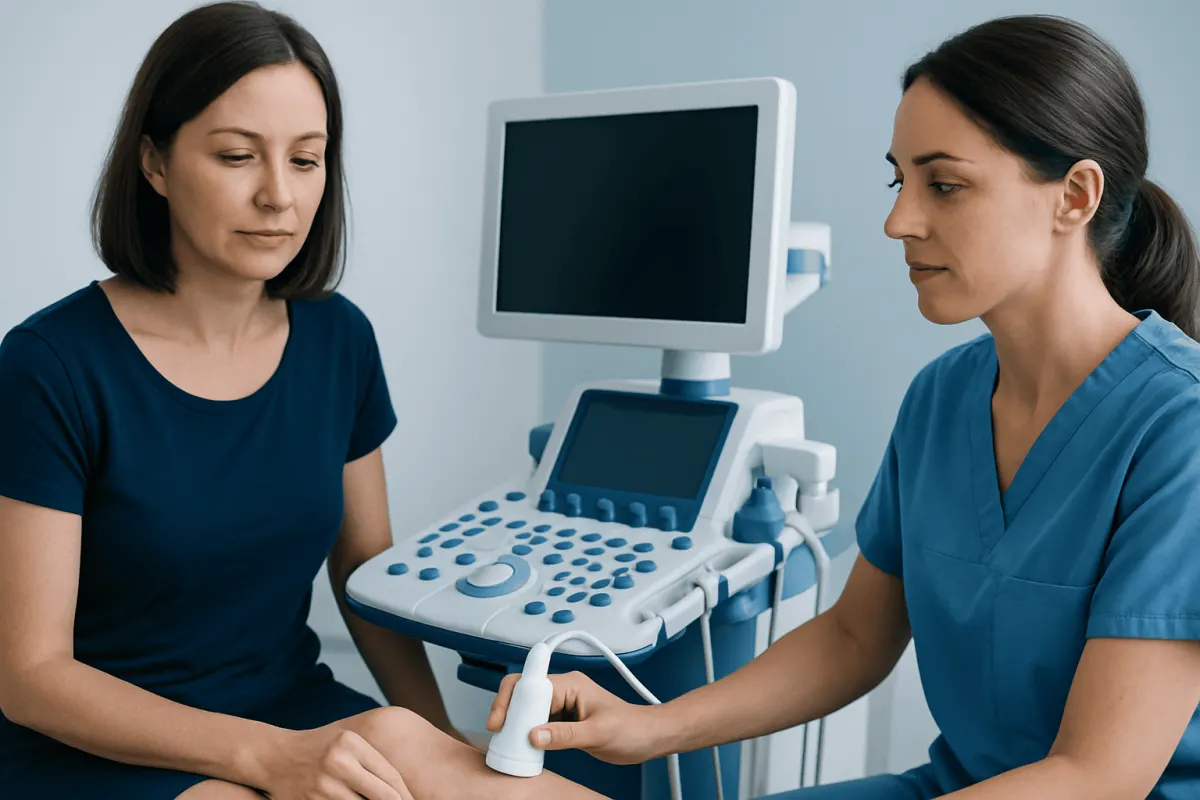
A duplex ultrasound scan may be recommended if there are larger varicose veins or symptoms suggesting reflux, meaning blood is flowing backward in a leg vein because a valve is not closing properly. Finding and treating significant reflux first can improve the overall treatment plan and may reduce the chance that surface veins return quickly.
Procedures Used to Treat Thread Veins

Sclerotherapy is commonly used for thread veins on the legs. A clinician injects a solution or foam into selected vessels using a very fine needle. The treatment irritates the lining of the vein so that it closes, and the body gradually absorbs it. The procedure is usually performed in a clinic, and the number of injections and sessions depends on the extent and pattern of the visible veins.
Vascular laser treatment uses focused light energy to heat and close small blood vessels through the skin. It is often considered for very fine vessels, especially on the face, or for people who are not suitable for injections. A cooling device may be used to improve comfort and protect the skin. Intense pulsed light may also be used in selected cases, but it is not the same as a vascular laser and suitability depends on skin type and vessel characteristics.
If assessment identifies a larger faulty vein beneath the surface, treatment may focus on that vein first. Options can include heat-based endovenous ablation, medical adhesive closure, or removal of surface varicose branches through small incisions. Common temporary effects after vein treatment include redness, bruising, tenderness, itching, or firm areas along a treated vein. Less common complications include skin pigmentation changes, small new visible vessels, inflammation, infection, allergic reaction, or a blood clot, which is why treatment should be planned and performed by qualified clinicians.
Recovery After Spider Vein Treatment
Recovery after vein treatment depends on the technique, the area treated, and the person’s medical history. After sclerotherapy or laser treatment, most people can walk and resume gentle daily activity the same day. Mild bruising, redness, tenderness, or a temporary darkening of the treated vessel can occur. If compression stockings are recommended, they should be worn exactly as advised, as recommendations vary by procedure and individual risk factors.
What not to do after spider vein treatment?
Patients are commonly advised to avoid strenuous exercise, heavy lifting, high-impact activity, and prolonged immobility for the period specified by their clinician. Hot baths, saunas, steam rooms, and very hot showers may also be restricted briefly because heat can increase swelling and redness. Treated skin should be protected from direct sun exposure to lower the chance of pigment changes, particularly after laser treatment. It is also important not to stop prescribed compression early or massage treated areas unless the clinician has said it is appropriate. Anyone planning long-distance travel should ask their clinician for individual guidance.
How long do thread veins take to heal?
Thread veins do not vanish at the time of treatment. Small treated vessels may start to fade over several weeks, while larger or deeper vessels can take a few months to clear. Bruising may settle sooner, but temporary brown discoloration can persist longer in some people. A follow-up visit allows the clinician to assess the response and decide whether another session would be useful.
Recovery After Varicose Vein Procedures
Recovery after varicose vein treatment is not always the same as recovery after treatment for thread veins. Endovenous laser or radiofrequency procedures, adhesive closure, and ambulatory phlebectomy are usually less invasive than traditional open surgery. Walking soon after treatment is often encouraged to support circulation, while compression and wound-care instructions vary according to the procedure.
How many days should I rest after varicose veins surgery?
Complete bed rest is generally not recommended after modern varicose vein procedures. Many people return to light activity within one or two days, and those with desk-based work may return within several days to about a week, depending on comfort and the procedure performed. Recovery after open vein surgery or more extensive phlebectomy may take longer, often around one to two weeks before normal work and activity feel comfortable. Advice sometimes described as recovery vein surgery should always be individualized, particularly for physically demanding work, driving, exercise, and travel.
Recovery after VenaSeal, a medical adhesive procedure used to close an incompetent larger vein, is often relatively quick because it does not use heat inside the vein. People are usually encouraged to walk, but the clinician may give specific restrictions and may or may not advise compression. Local tenderness, a pulling sensation, redness, or an inflammatory skin reaction can occur after adhesive closure. New or worsening pain, extensive redness, swelling, fever, or breathlessness should be reported promptly.
Deciding Whether Treatment Is Right for You
Is spider vein treatment worth it?
Spider vein treatment can be worthwhile for people who are bothered by the appearance of visible vessels or who have symptoms after other vein problems have been assessed. The decision is personal and should be based on realistic expectations, skin and vein findings, likely number of sessions, recovery needs, and the small but real possibility of side effects. Treatment can noticeably reduce targeted veins, but it cannot prevent all future thread veins from forming.
For people with no discomfort and no signs of underlying vein disease, choosing not to treat thread veins is also medically reasonable. Maintaining regular movement, managing body weight where appropriate, protecting skin from excessive sun exposure, and avoiding long periods without movement may support overall vein health. Compression stockings can help some people with leg symptoms, but they do not permanently remove established thread veins.
When to Seek Medical Care
A routine medical appointment is appropriate for thread veins that are spreading quickly, causing discomfort, or occurring alongside aching, heaviness, ankle swelling, skin itching, darkening, or an ulcer near the ankle. Assessment is particularly important before cosmetic treatment when there are raised varicose veins, a history of blood clots, or previous vein surgery.
Urgent medical assessment is needed for sudden one-sided leg swelling or pain, a hot and tender vein, unexplained shortness of breath, chest pain, fainting, or coughing blood. A varicose vein that bleeds and does not stop with firm pressure and elevation also needs urgent care. Most thread veins are not an emergency, and a vascular or dermatology clinician can help clarify the safest treatment approach.
Frequently asked questions
01Are thread veins and spider veins the same thing?
Yes. Thread veins and spider veins are common non-medical terms for telangiectasias, which are small visible blood vessels near the skin surface. They are different from larger, raised varicose veins, although both can occur in the same area.
02Does sclerotherapy hurt?
Most people feel brief pinches from the fine injections and sometimes mild stinging or cramping as the solution is injected. Discomfort is usually short-lived, and a clinician can explain comfort measures before the procedure.
03Do I need an ultrasound before thread vein treatment?
An ultrasound is not always necessary for a small number of uncomplicated surface veins. However, it is often useful when there are varicose veins, leg symptoms, swelling, previous clotting problems, or concern about faulty deeper veins.
04Can thread veins return after treatment?
A successfully treated vein generally remains closed, but new thread veins can develop elsewhere over time. Family tendency, hormonal changes, sun exposure, and untreated vein reflux can all contribute to recurrence.
05Can thread vein treatment be performed during pregnancy?
Cosmetic treatment is usually postponed during pregnancy because veins may improve after delivery and hormonal changes settle. A clinician can assess concerning symptoms during pregnancy and recommend appropriate supportive care.
06When can exercise restart after vein treatment?
Gentle walking is often encouraged soon after treatment, but the timing for running, gym workouts, cycling, or heavy lifting depends on the procedure. The treating clinician's instructions should take priority, especially after ablation, phlebectomy, or surgery.
This article is for general information only and is not a substitute for professional medical advice. Please consult a qualified doctor about your individual situation.
Explore treatments in Turkey — costs, top hospitals & a free quote
JCI-accredited · board-certified surgeons · reply within 24h
Add us as a Preferred Source to see more of our trusted health content across Google Search, AI Overviews and Discover.
More from the Health Library
Spinal Vascular Malformations: Symptoms, Diagnosis, and Endovascular Treatment Options
Understanding Deep Vein Thrombosis Treatment: A Complete Patient Guide