Price to Remove Varicose Veins: Key Cost Factors
The price to remove varicose veins is not a single fixed amount. It is determined by the type and extent of vein disease, the procedure recommended, required ultrasound testing, treatment setting, follow-up care, and whether coverage criteria are met.
What determines the price to remove varicose veins?
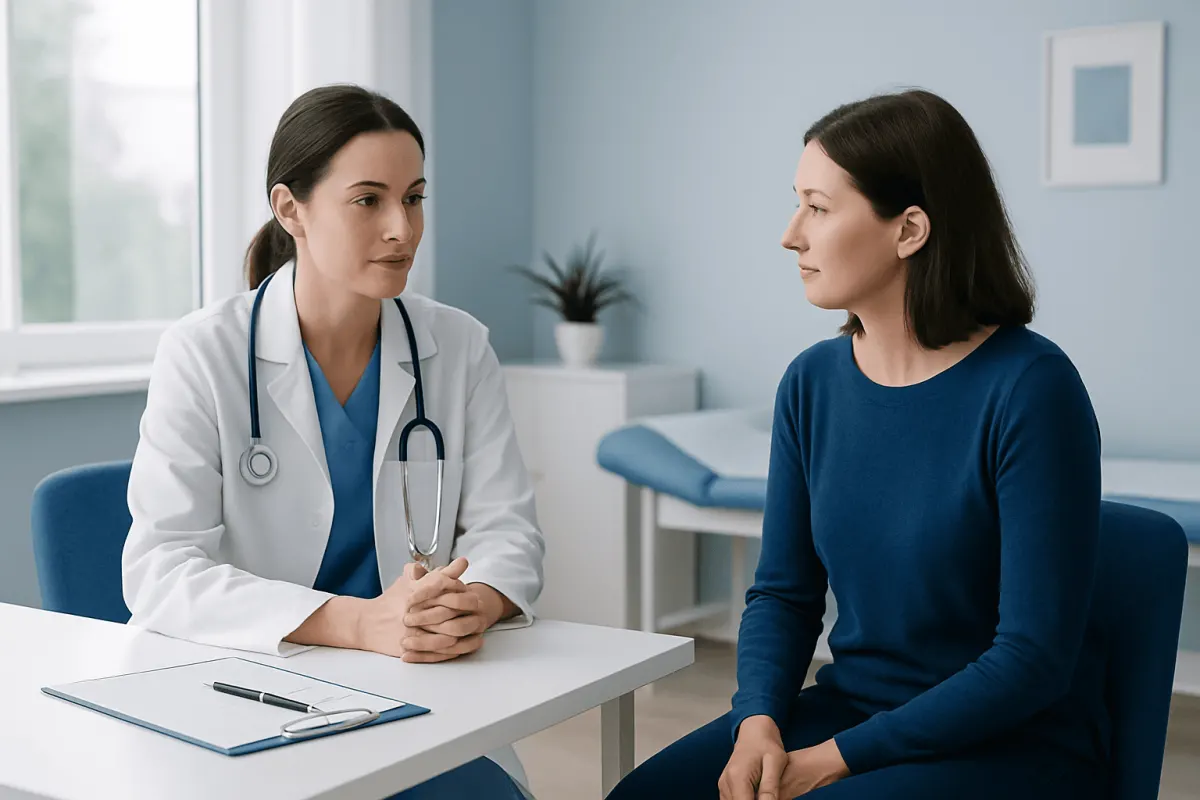
The price to remove varicose veins depends on much more than the visible veins on the leg. A clinician first determines whether the veins are mainly a cosmetic concern or a sign of chronic venous disease, in which leg-vein valves do not close effectively. The recommended approach may range from conservative care and injections to catheter-based treatment of a larger underlying vein, sometimes followed by removal of smaller surface branches.
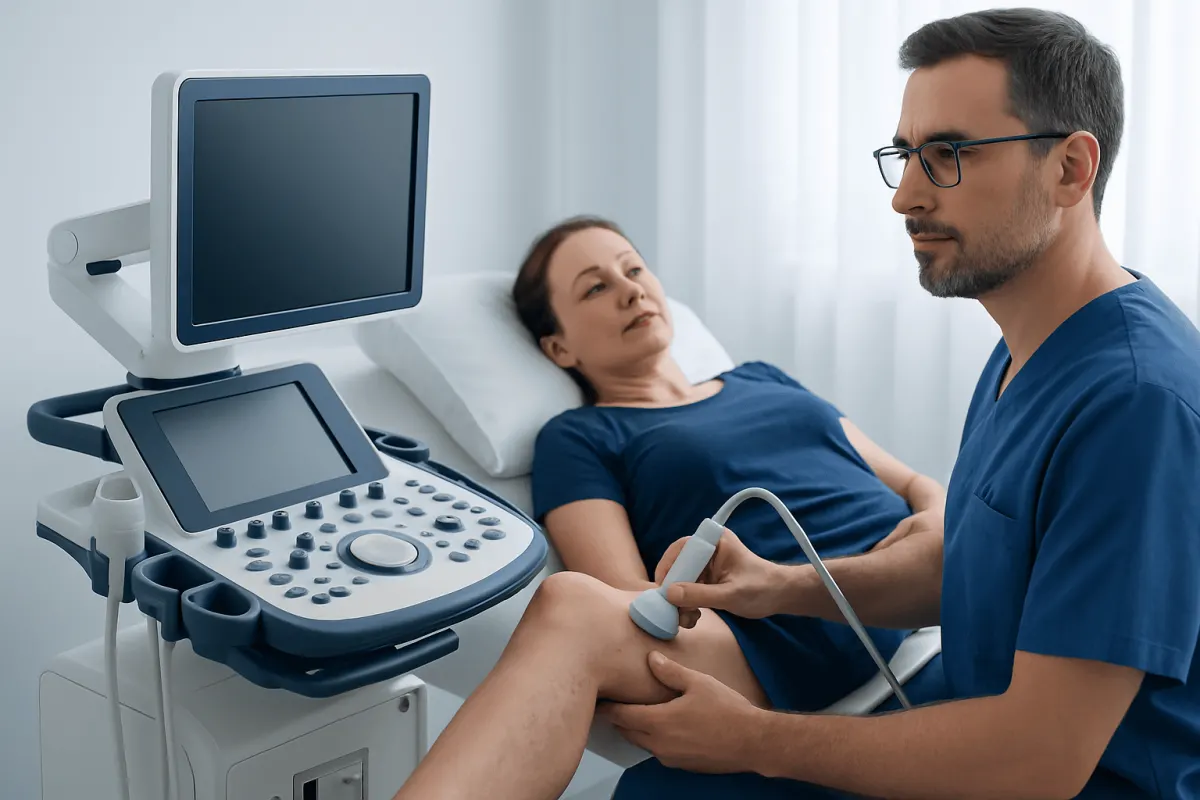
A complete estimate may include the specialist consultation, duplex ultrasound examination, procedure fees, local anesthesia or sedation when needed, medicines and compression garments, pathology or laboratory services if relevant, and follow-up visits. The number of legs or vein segments treated, the complexity of the veins, the facility where care is provided, and local healthcare costs can also affect the total. Asking for an itemized written plan helps patients understand what is included and whether treatment may occur in stages.
Insurance and public-health coverage rules differ considerably. Coverage may be possible when documented symptoms, skin complications, bleeding, ulcers, or other medically significant findings are present and conservative measures have not provided sufficient relief. Treatment requested only for appearance is commonly paid for by the patient. The insurer, hospital and treating clinician can clarify authorization requirements before a procedure is scheduled.
Understanding varicose veins and treatment goals
Varicose veins are enlarged, twisted veins, most often seen in the legs. They develop when valves inside leg veins weaken or become damaged, allowing blood to pool and increasing pressure in the vein. Some people have no symptoms, while others experience aching, heaviness, throbbing, itching, cramps, ankle swelling, or discomfort that worsens after long periods of standing.
The purpose of treatment is not simply to make veins less visible. For people with symptomatic venous reflux, treatment may reduce discomfort, swelling and the risk of some skin-related complications. It may also improve daily activities and quality of life. However, treatment cannot prevent every future vein from developing, because inherited tendency, aging, pregnancy, weight changes and prolonged standing can continue to affect the leg veins.
A vascular assessment distinguishes varicose veins from other causes of leg symptoms, such as artery disease, nerve problems, joint conditions, lymphedema or a blood clot. For a broader explanation of the condition, patients can read about varicose veins.
How clinicians choose the right procedure
Choosing a procedure begins with a medical history, examination of the legs and, in many cases, duplex ultrasound. This painless imaging test shows blood flow and can identify reflux in superficial veins, the network often responsible for visible varicose veins. It also helps the clinician check for previous clotting, obstruction, or involvement of deeper veins.
Not everyone needs a procedure immediately. Candidates for intervention often have persistent symptoms despite appropriate self-care, troublesome visible veins, recurrent inflammation of surface veins, bleeding, skin discoloration, eczema, lipodermatosclerosis, or a venous ulcer. Pregnancy-related varicose veins are usually managed conservatively unless there is an urgent concern, since they can improve after delivery.
Health conditions, medications and personal circumstances also matter. A clinician will review pregnancy status, history of deep vein thrombosis, bleeding risk, blood-thinning medicines, mobility, allergies, heart or lung disease, and arterial circulation in the legs. These details influence safety, timing and whether a particular technique is suitable.
The most appropriate option may be a single procedure or a planned combination. A careful assessment helps avoid treating surface veins without addressing a larger refluxing vein that may be feeding them.
Varicose vein removal procedures: how they work
Endovenous thermal ablation uses a thin catheter placed inside an affected vein under ultrasound guidance. Heat from laser or radiofrequency energy closes the vein, and blood is naturally redirected through healthier veins. The treated vein gradually becomes scar tissue and is absorbed over time. This outpatient approach is often used for larger superficial veins with reflux.
Other catheter-based methods close a vein without thermal energy, using a medical adhesive or a substance designed to seal the vein. The best choice depends on the vein anatomy, medical history, availability and clinician expertise. Smaller branches may be treated with sclerotherapy, in which a solution or foam is injected to irritate the vein lining so that it closes. Multiple sessions can sometimes be needed.
Ambulatory phlebectomy removes selected bulging surface veins through very small skin openings after local anesthetic. Surgical ligation and stripping are now used less often but may still be appropriate in selected situations. Patients considering minimally invasive options can learn more about varicose vein treatment.
Each technique has different practical considerations, including preparation, recovery, possible need for repeat treatment, and which aspects may be considered medically necessary. The treating team should explain why a particular procedure is being recommended rather than selecting an approach based on cost alone.
What happens before, during and after treatment
Before treatment, patients usually have an ultrasound map of the veins and a discussion of goals, expected benefits, alternatives and risks. The care team may provide instructions about eating and drinking, arranging transport if sedation is planned, and managing medicines. Patients should not stop prescribed anticoagulants or other medicines without specific advice from the clinician managing them.
During an endovenous procedure, the skin is cleaned and numbed. Ultrasound guides placement of the catheter or injection, and the targeted vein is closed or removed according to the chosen technique. The person is generally awake for local-anesthetic procedures. A compression dressing or stocking may be applied afterward, depending on the method used and the clinician’s protocol.
Many people walk shortly after treatment and return to light activities relatively soon. Bruising, tenderness, firmness along the treated vein, mild swelling and temporary skin discoloration can occur. Walking is commonly encouraged, while the timing of strenuous exercise, hot baths, long-distance travel and compression use should follow individualized instructions.
Follow-up may include an ultrasound to confirm closure of the treated vein and to check for uncommon complications. Visible improvement can take weeks or longer, especially when larger veins, skin changes or several treatment sessions are involved.
Benefits, limitations and possible risks
When treatment is appropriately selected, potential benefits include relief of aching or heaviness, reduced swelling, healing or prevention of venous skin problems, and improvement in the appearance of prominent veins. Minimally invasive procedures generally avoid large incisions and are often performed without an overnight hospital stay. Results depend on the underlying vein disease, the technique used and adherence to follow-up recommendations.
Possible side effects include bruising, soreness, bleeding from a small incision, temporary numbness or tingling, inflammation of a treated superficial vein, pigment changes, and small areas of trapped blood that may need simple management. Sclerotherapy can cause localized skin staining or, rarely, skin injury. Some veins may remain visible, reopen or new varicose veins may develop over time.
More serious complications are uncommon but can include infection, deep vein thrombosis, extension of clot into a deep vein, allergic reaction, thermal injury, or an unintended injury to surrounding tissue. Urgent assessment is important for sudden significant leg swelling or pain, chest pain, shortness of breath, coughing blood, fainting, or signs of a severe allergic reaction.
Self-care and when to seek medical care
Regular walking, leg movement during prolonged sitting or standing, maintaining a weight that supports overall health, and elevating the legs when resting may ease some symptoms. Compression stockings can help certain people, but the correct type and pressure should be chosen with clinical guidance, particularly for anyone with known or suspected peripheral artery disease, severe neuropathy or skin breakdown.
Medical care should be sought for persistent leg pain or swelling, new skin darkening or rash around the ankle, a hard tender vein, a non-healing wound, or bleeding from a varicose vein. Bleeding should be managed by lying down, raising the leg and applying firm direct pressure while urgent medical help is arranged. Sudden one-sided swelling, chest symptoms or breathlessness require emergency evaluation because they can indicate a blood clot or another serious condition.
For people traveling for care, Acıbadem Health Point’s multidisciplinary specialists and JCI-accredited hospitals diagnose and treat varicose vein conditions for international patients. A consultation with a qualified vascular specialist can provide a personalized treatment plan, expected recovery guidance and a transparent discussion of the services included in care.
Frequently asked questions
01Is there one standard price to remove varicose veins?
No. The total depends on the extent of vein disease, the recommended technique, whether one or both legs are treated, imaging, facility services, follow-up care and local healthcare costs. A personalized assessment is needed before a reliable estimate can be prepared.
02Will insurance cover varicose vein removal?
Coverage depends on the insurer or healthcare system and the reason for treatment. Treatment may be covered when symptoms or complications are documented and medical criteria are met, while treatment performed only for cosmetic reasons is often not covered. Patients should confirm benefits and authorization requirements before scheduling care.
03What test is needed before varicose vein treatment?
Duplex ultrasound is commonly used to examine the leg veins and blood flow. It can identify valve reflux, map affected veins and help rule out or recognize other vein problems. This information helps the clinician select the safest and most effective approach.
04Are varicose vein procedures painful?
Most minimally invasive procedures use local anesthetic, so patients may feel pressure, brief stinging or mild discomfort rather than significant pain. Tenderness, bruising or a pulling sensation can occur during recovery. The care team can explain what to expect for the particular procedure being considered.
05How long is recovery after varicose vein removal?
Many people can walk immediately and resume light routines soon after outpatient treatment. Recovery varies with the procedure, number of veins treated, individual health and work demands. The clinician will provide specific guidance on compression, exercise, bathing, travel and return to strenuous activity.
06Can varicose veins return after treatment?
A successfully treated vein generally remains closed or removed, but new varicose veins can develop in other veins over time. Family history, pregnancy, aging, occupation and underlying vein-valve weakness may contribute. Follow-up and healthy movement habits can help manage ongoing risk.
This article is for general information only and is not a substitute for professional medical advice. Please consult a qualified doctor about your individual situation.
Persistent digestive symptoms? Get evaluated in Turkey
JCI-accredited · board-certified surgeons · reply within 24h
Add us as a Preferred Source to see more of our trusted health content across Google Search, AI Overviews and Discover.