Laser Hair Removal Consultation: What to Expect
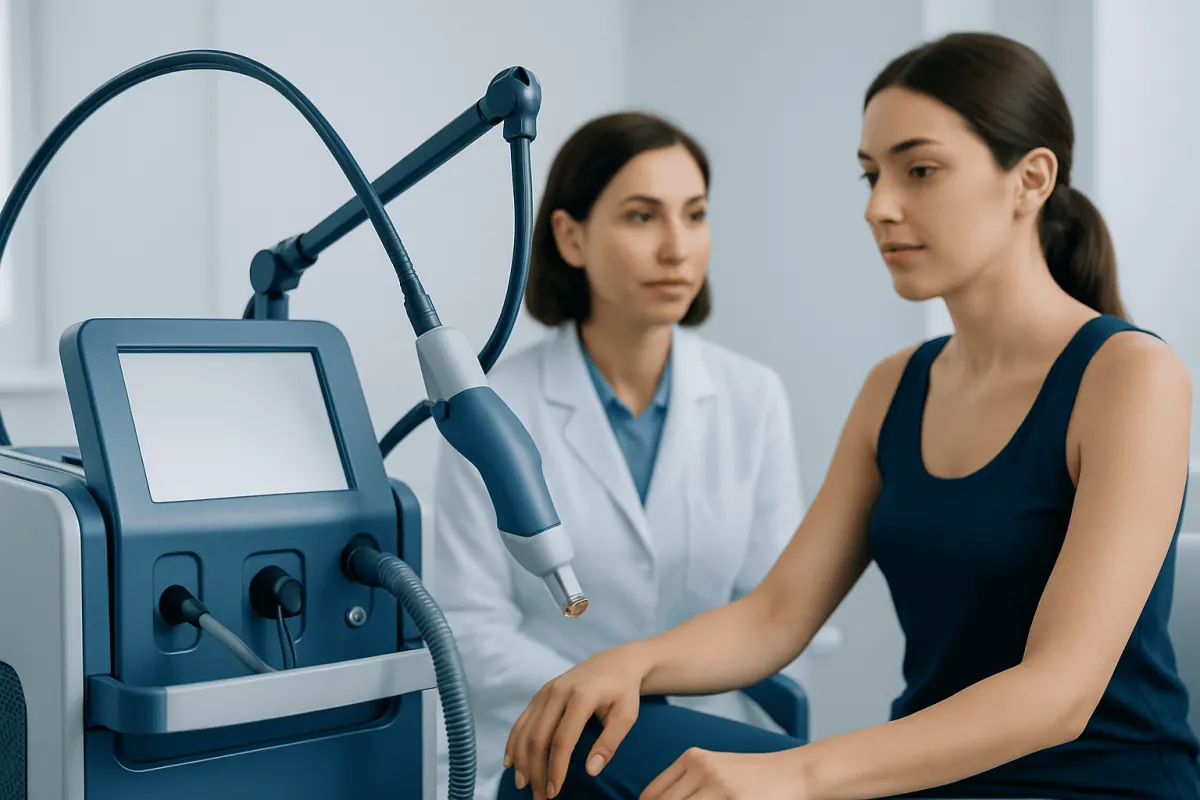
A laser hair removal consultation is a clinical assessment that helps a qualified practitioner choose an appropriate device, treatment plan and safety measures for a person’s skin and hair characteristics. It is also the time to discuss expected results, preparation, recovery and any health factors that may affect treatment.
Laser Hair Removal Consultation: An Overview
A laser hair removal consultation is an appointment before treatment in which a trained clinician or practitioner evaluates whether laser-based hair reduction is appropriate and how it can be performed as safely as possible. The discussion typically covers the area to be treated, hair characteristics, skin tone, previous hair-removal methods, medical history and realistic goals.
Laser hair removal works by directing light energy toward pigment in the hair. The heat generated in the follicle can reduce its ability to regrow hair. Because the laser also interacts with pigment in the skin, selecting the right device and settings for the individual is essential, particularly for darker skin tones or recently tanned skin.
The goal is long-term hair reduction rather than a promise of permanent removal of every hair. Many people experience a substantial reduction in coarse, dark hair after a treatment course, but maintenance sessions may be needed over time. Hormonal changes and certain medical conditions can influence future growth.
What Happens During a Laser Hair Removal Consultation?
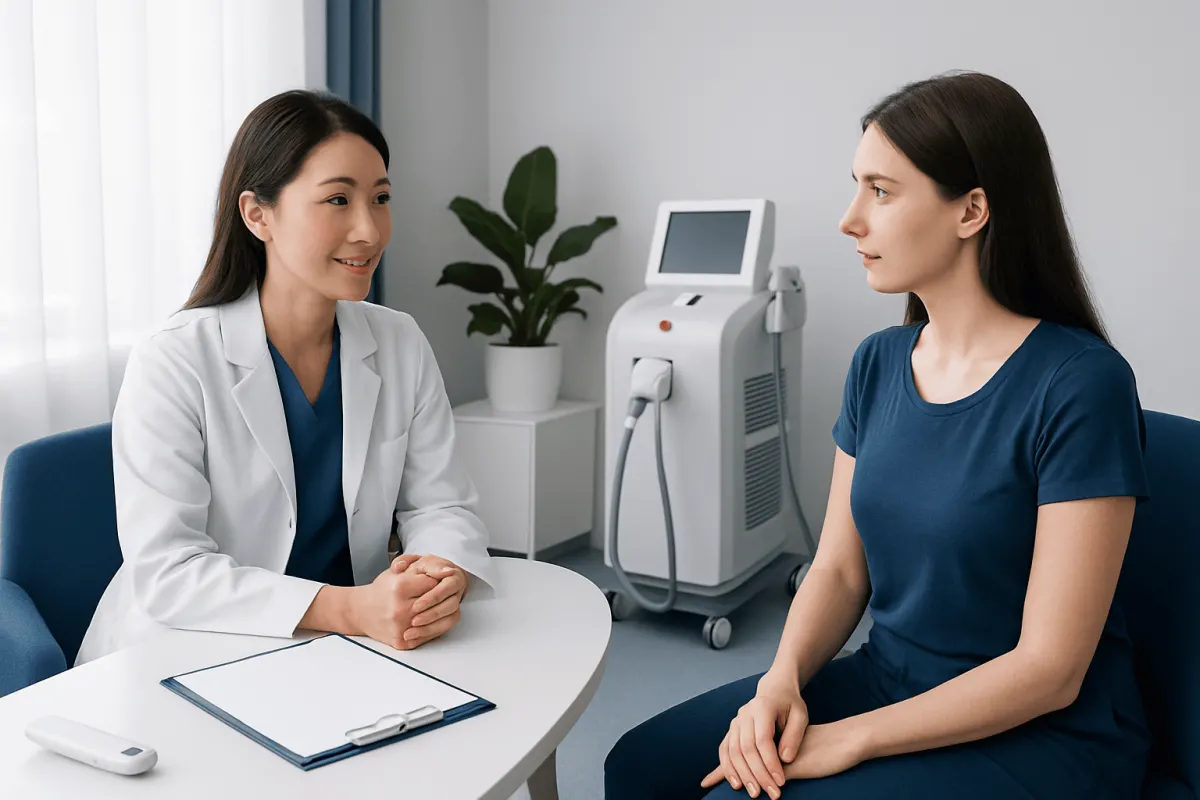
During a laser hair removal consultation, the practitioner asks about the person’s goals and examines the intended treatment area. They assess hair color, thickness and density, as well as skin tone and current skin condition. Dark, coarse hair often responds well, although modern laser technologies can be used for a range of skin tones when chosen and operated appropriately.
A medical and medication review is an important part of the visit. The person should mention a history of <a href="https://acibademhealthpoint.com/diseases/keloid-scars/”>keloid scars, cold sores, pigment changes, skin infections, photosensitivity, endocrine conditions, recent tanning, pregnancy or breastfeeding, and any previous cosmetic procedures. Some medicines, including certain acne treatments and drugs that increase sensitivity to light, may mean treatment should be delayed or modified.
The practitioner may recommend a test spot, especially when there is uncertainty about skin sensitivity, skin tone, previous reactions or the planned device settings. They should explain likely benefits, possible side effects, alternatives, preparation requirements, the anticipated number of sessions and aftercare. This is also a useful opportunity to ask who will perform treatment and what qualifications, supervision and safety procedures are in place.
- Bring or list all prescription medicines, over-the-counter products and supplements.
- Tell the practitioner about recent sun exposure, tanning products, waxing, plucking or bleaching.
- Ask what technology is planned and why it is appropriate for the individual’s skin and hair.
- Discuss any history of dark marks, light patches, scarring or prolonged redness after skin procedures.
What I Wish I Knew Before Laser Hair Removal?
One important point to understand before laser hair removal is that treatment requires patience. Hair grows in cycles, and laser energy is most effective when a follicle is in an active growth phase. Since not all hairs are in that phase at once, treatment is scheduled as a series of sessions separated by weeks. The exact schedule varies by body area, hair growth pattern and clinical assessment.
It is also helpful to know that shaving is usually allowed and may be requested before treatment, while waxing, threading, epilating and plucking are generally avoided for a period beforehand. These methods remove the hair root that the laser needs to target. The clinician will provide instructions tailored to the area and device being used.
Sun exposure matters. Tanned or sunburned skin can increase the chance of irritation or uneven pigment changes, and may lead the practitioner to postpone treatment. People should follow advice on avoiding tanning, self-tanning products and prolonged unprotected sun exposure before and after sessions. Daily broad-spectrum sunscreen is especially important for exposed treatment areas.
Finally, results can differ from person to person. Very light blond, gray, white and red hair has less pigment and may respond less effectively to commonly used lasers. Hormone-related hair growth, such as hair growth associated with polycystic ovary syndrome, may also require ongoing management alongside hair-reduction treatment.
How Quickly After Laser Hair Removal Do You See Results?
Some people notice treated hairs beginning to shed or appear to push out of the skin about one to three weeks after a session. This can look like new growth at first, but the hairs may loosen and fall away with gentle washing or normal friction. They should not be pulled out aggressively.
More meaningful reduction is usually assessed after several sessions rather than after the first treatment. A person may notice that hair grows back more slowly, appears finer or is less dense between appointments. The response varies according to the body area, hair color and thickness, skin type, device used and whether the recommended schedule is followed.
Areas influenced by hormones, including the face, may have less predictable regrowth and can need periodic maintenance. The practitioner should review progress throughout the treatment course and adjust the plan if appropriate. Photographs taken under similar lighting conditions can sometimes help document gradual change.
Laser Hair Removal Procedure and Recovery
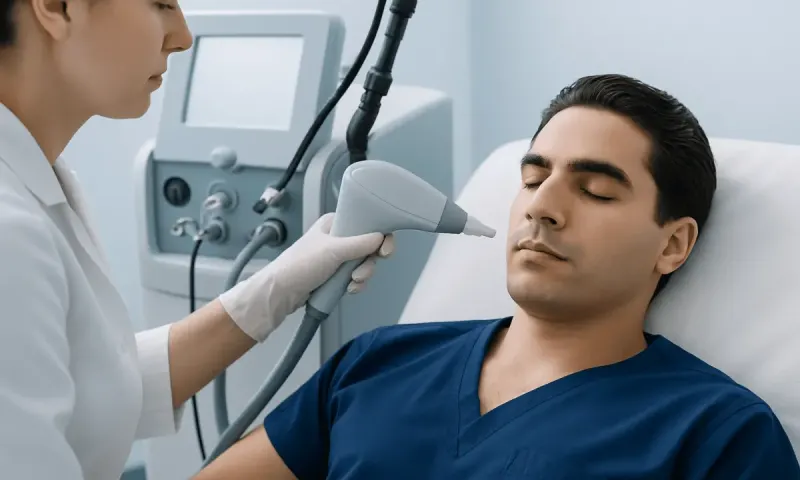
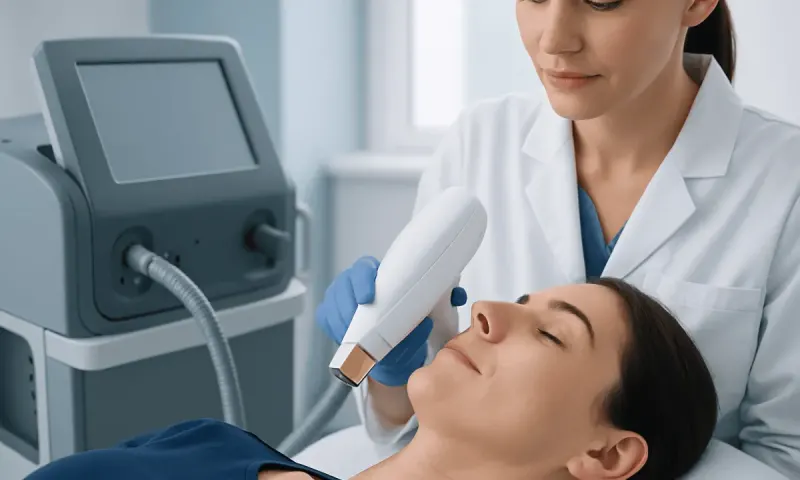
At a treatment appointment, the skin is checked for irritation, tanning, infection or other reasons to postpone treatment. The area may be shaved if needed and cleansed. Both the patient and practitioner wear protective eyewear. Depending on the device and treatment area, a cooling method may be used to improve comfort and protect the skin.
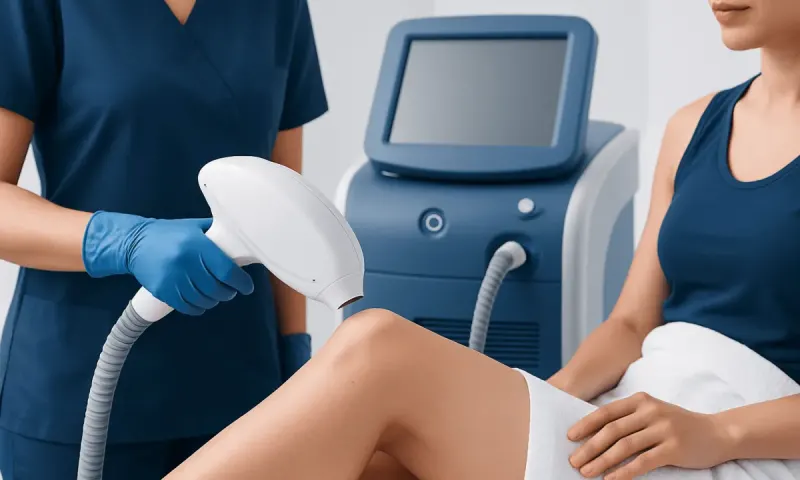
During treatment, the laser handpiece delivers short pulses of light to the skin. Sensation varies, but many people describe warmth or a brief snapping feeling. Sessions may be relatively short for small areas and longer for larger areas. The clinician selects settings based on the consultation findings and the skin’s response.
How long does it take to recover from laser hair removal? Most people return to regular daily activities immediately. Mild redness, warmth or small bumps around hair follicles can occur and commonly improve within several hours to a few days. The treated skin can remain sensitive, so gentle care and sun avoidance are important.
For the first day or two, clinicians often advise avoiding hot baths, saunas, steam rooms, vigorous exercise, fragranced products and rubbing or exfoliating the area. Cool compresses may soothe temporary discomfort. A clinician may recommend a simple moisturizer or other suitable product if the skin feels dry or irritated.
Safety, Side Effects and Prevention of Complications
When carried out by an experienced professional using suitable equipment and settings, laser hair removal is generally well tolerated. Temporary redness, swelling around follicles and mild discomfort are among the more common effects. Less commonly, blistering, crusting, infection, scarring or changes in skin color can occur.
The likelihood of complications can be reduced by having a careful consultation, reporting medicines and skin conditions accurately, avoiding sun exposure and following all preparation and aftercare instructions. A practitioner should not treat skin that is sunburned, actively infected or significantly irritated. People with a history of recurrent cold sores may need individualized guidance before facial treatment.
It is important to avoid using unregulated home devices or receiving treatment from an inadequately trained provider for complex skin types or medical circumstances. Home-use light-based devices differ from clinical lasers in strength and may not be appropriate for everyone. Professional assessment remains valuable if there is uncertainty about safety, suitability or a skin reaction.
People seeking specialist assessment can discuss laser hair removal treatment with a qualified dermatology or aesthetic medicine team. Acıbadem Health Point’s multidisciplinary specialists and JCI-accredited hospitals provide evaluation and treatment planning for international patients.
When to Seek Medical Care
Medical advice should be sought promptly if there is severe or worsening pain, extensive blistering, marked swelling, spreading redness, pus, fever or a rash after treatment. These symptoms are uncommon but may indicate a significant skin reaction or infection that needs assessment.
A person should also contact the treating clinician if redness, darkening or lightening of the skin, crusting or discomfort does not improve as expected. Do not pick blisters or crusts, and avoid applying strong exfoliants, retinoids or unadvised remedies to irritated skin.
Before beginning treatment, a dermatologist or qualified clinician should assess persistent excess hair growth that is new, sudden or accompanied by acne, irregular periods, scalp hair thinning or other hormonal symptoms. Identifying an underlying cause can help ensure that hair-reduction treatment is part of an appropriate overall care plan.
Frequently asked questions
01Is a laser hair removal consultation necessary?
A consultation is strongly recommended because <a href="https://www.acibademhealthpoint.com/blog/hair-removal-laser-treatment-sessions-risks-and-results/" title="Hair Removal Laser Treatment: Sessions, Risks, and Results" class="ahp-ilk">laser treatment should be tailored to skin tone, hair characteristics, the treatment area and relevant medical history. It allows the practitioner to identify factors that may require modified settings, a test spot or a delay in treatment.
02Should hair be shaved before a laser hair removal appointment?
Many clinics ask patients to shave the treatment area shortly before the appointment, but the timing should follow the clinic’s instructions. Waxing, plucking and epilating are usually avoided beforehand because the laser needs pigment within the hair follicle to work effectively.
03How many laser hair removal sessions are usually needed?
A series of sessions is commonly needed because hair follicles do not all enter the active growth phase at the same time. The number and spacing of appointments depend on the body area, hair and skin characteristics, hormonal factors and individual response.
04Does laser hair removal hurt?
Sensations vary by area and device, but people often describe brief warmth or a snapping sensation. Cooling systems and appropriate treatment settings can improve comfort, and the clinician can discuss comfort measures during the consultation.
05Can laser hair removal be used on dark skin?
Yes, laser hair removal can be performed on many darker skin tones when an appropriate laser type, settings and experienced practitioner are used. A careful assessment is important because skin pigment affects how laser energy is absorbed and can influence safety.
06Can I go in the sun after laser hair removal?
It is best to avoid direct sun exposure and tanning after treatment because the skin may be temporarily more sensitive. Use protective clothing and broad-spectrum sunscreen on exposed areas, following the clinician’s specific advice.
This article is for general information only and is not a substitute for professional medical advice. Please consult a qualified doctor about your individual situation.
Hair transplant in Turkey — costs, graft counts & a free assessment
JCI-accredited · board-certified surgeons · reply within 24h
Add us as a Preferred Source to see more of our trusted health content across Google Search, AI Overviews and Discover.